Every day, industrial plants make a lot of slurry. If you don’t have good separation equipment, solids stay in liquid, which makes treatment more expensive and makes it harder to get rid of them.
A filter press is a type of filtration system that separates solids from liquids. It pumps slurry into chambers made by filter plates and cloths. The pressure pushes the liquid through the filter media, while the solids form a solid filter cake. A lot of industries use filter presses, including wastewater treatment, mining, chemical processing, and more.
Let’s look at its structure, types, working principle, and uses to find out why it is so popular.
What Is a Filter Press?
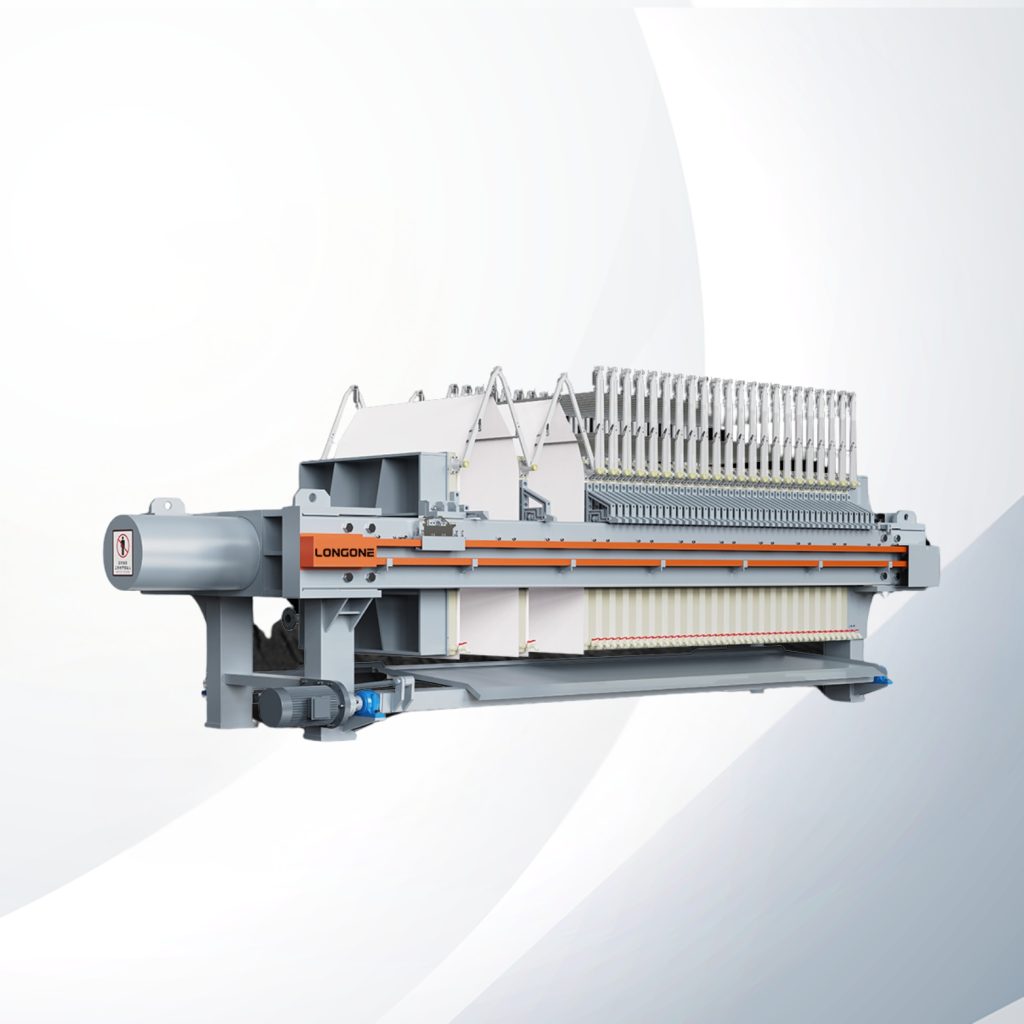
UM filtro prensa is one of the most reliable technologies used in industrial filtration and sludge dewatering. It separates suspended solids from liquids by applying pressure to slurry inside a series of filter chambers lined with filter cloth.
In simple terms, a filter press removes water from slurry by forcing liquid through filter cloth while solid particles are trapped and gradually form a dense filter cake. This process allows industries to efficiently separate valuable materials or reduce sludge volume.
The filter press machine operates in a batch filtration cycle. Slurry is pumped into chambers formed by multiple filter plates. As pressure increases, liquid passes through the filter cloth while solid particles accumulate on the cloth surface.
Over time, these solids build up into a thick filter cake. Once filtration is complete, the plates open and the cake is discharged. The result is clear filtrate and dry solid residue.
Compared with other separation technologies, filter presses provide excellent filtration efficiency and produce relatively dry filter cakes. Because of this performance, they are widely used in industries that require reliable solid-liquid separation.
A filter press is therefore a key piece of equipment in many industrial filtration systems.
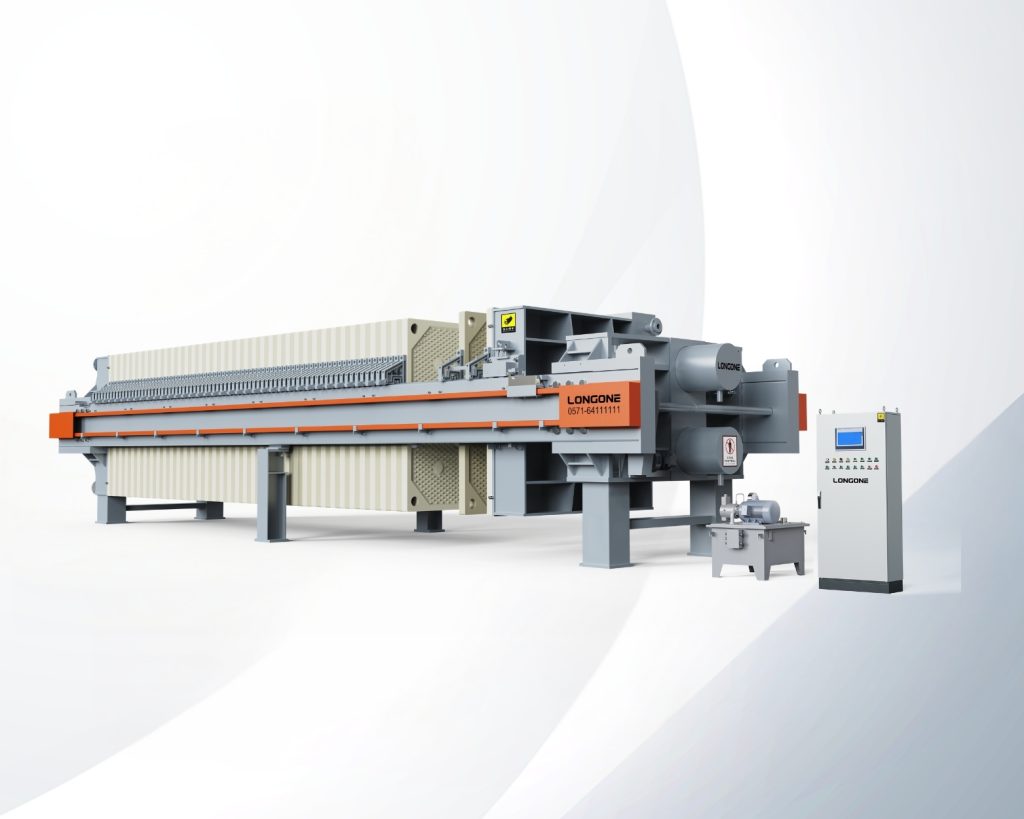
Key Components of a Filter Press
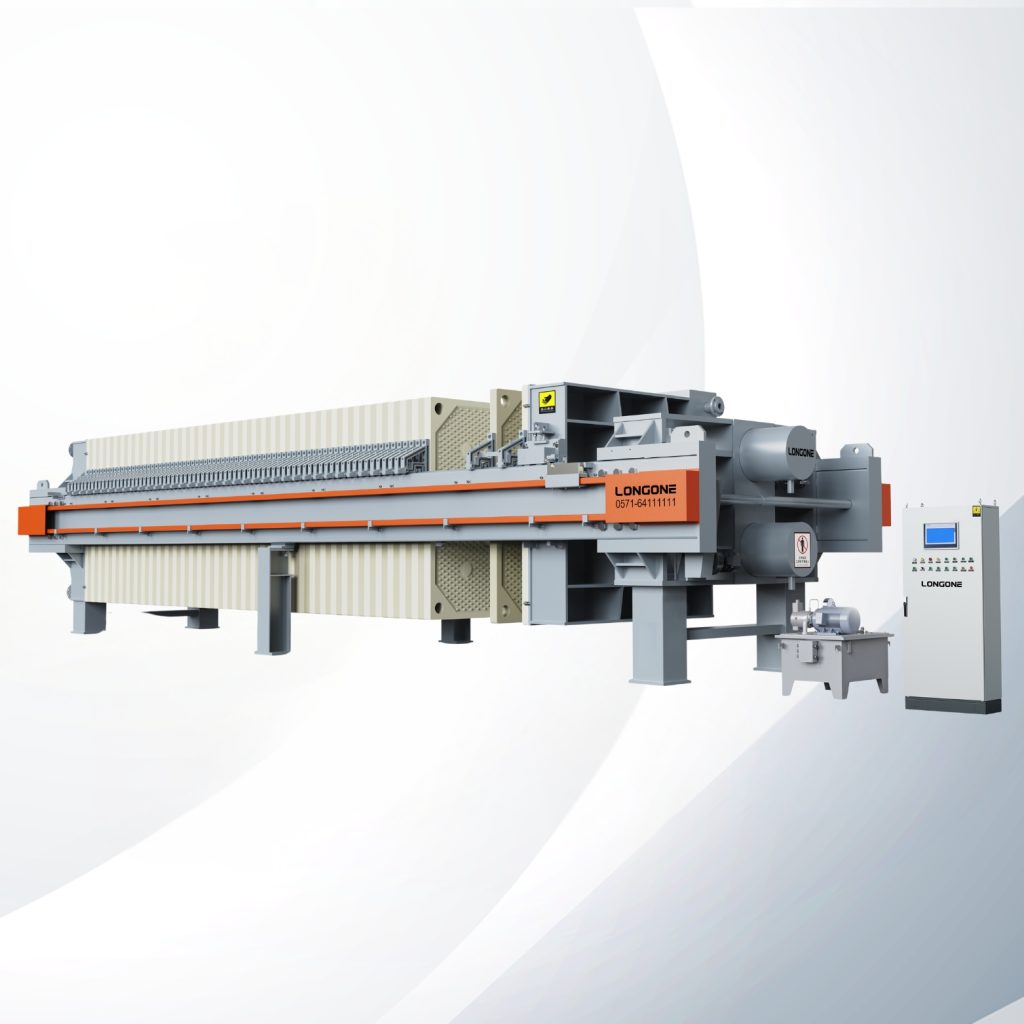
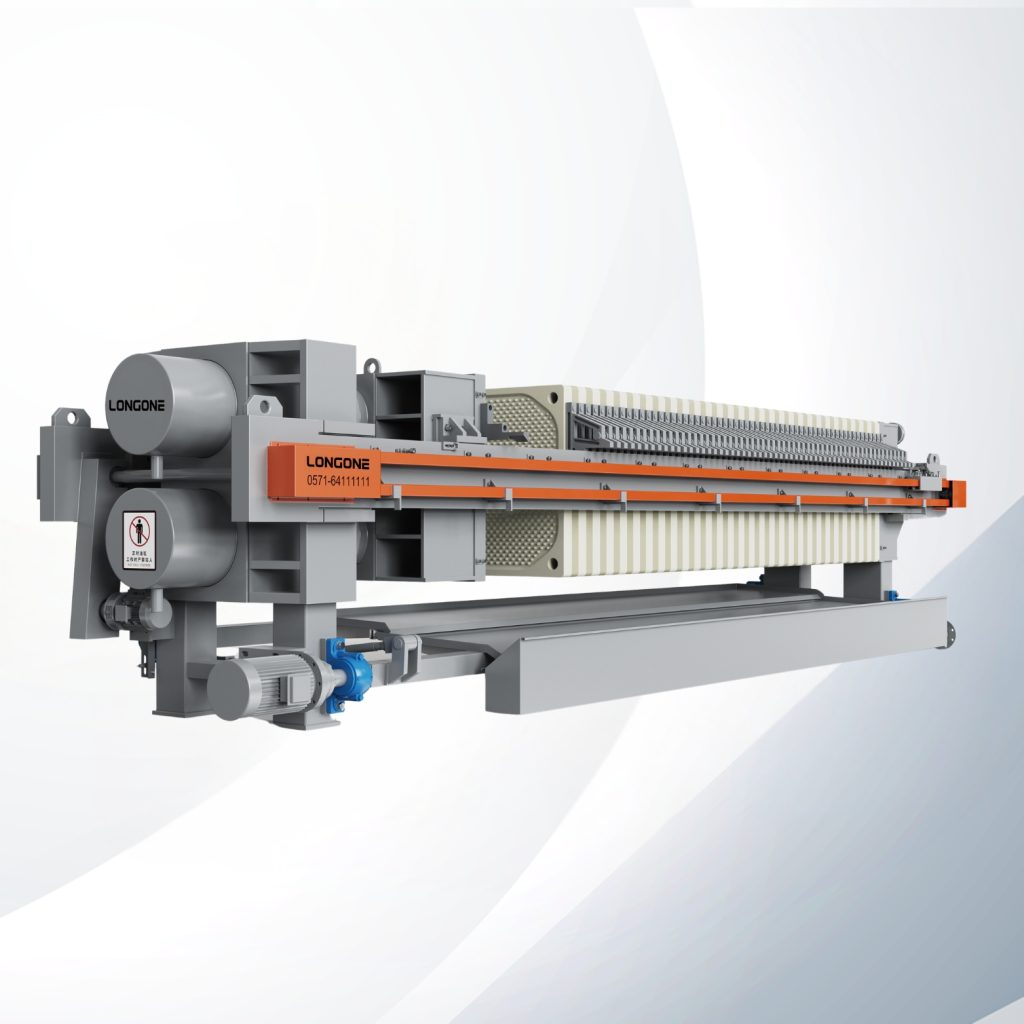
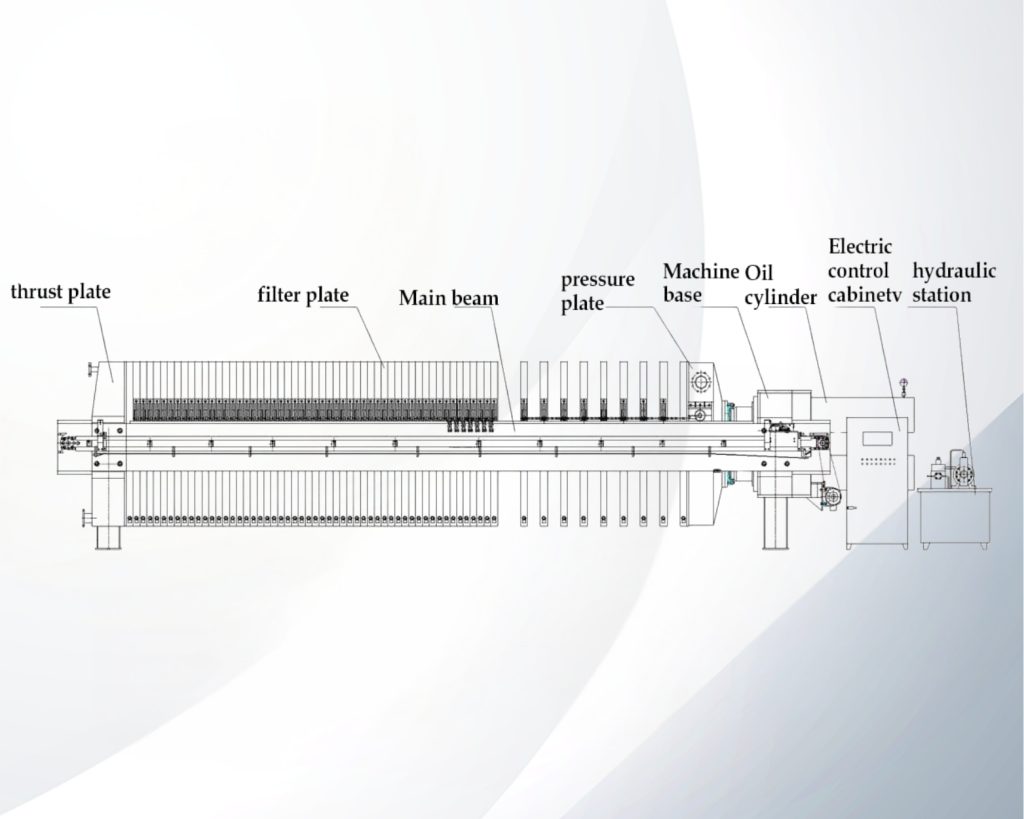
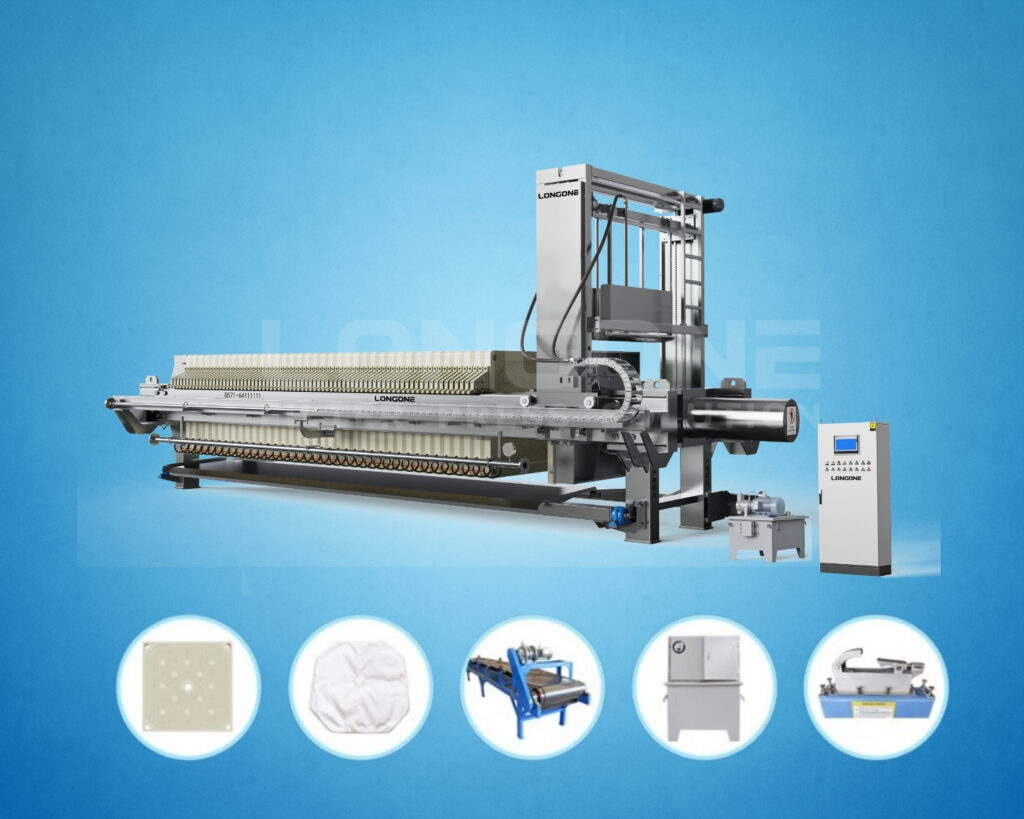
A filter press consists of several critical components that work together to perform pressure filtration. Understanding these components helps operators evaluate equipment reliability and maintenance requirements.
The core components include filter plates, filter cloth, the hydraulic system, the press frame, feed pumps, and control systems. Each part plays an essential role in the filtration cycle.
Filter plates form the chambers where filtration occurs. They are typically made from reinforced polypropylene or other durable materials capable of withstanding high operating pressure.
Filter cloth acts as the filtration medium. It captures suspended solids while allowing liquid to pass through the fabric. The selection of cloth type directly affects filtration efficiency and cake release.
The hydraulic system compresses the plates tightly together to form sealed chambers before filtration begins. This ensures that slurry flows through the filter media instead of leaking from the system.
The press frame supports the entire structure of the filter press and maintains alignment during operation. A strong frame improves long-term equipment stability.
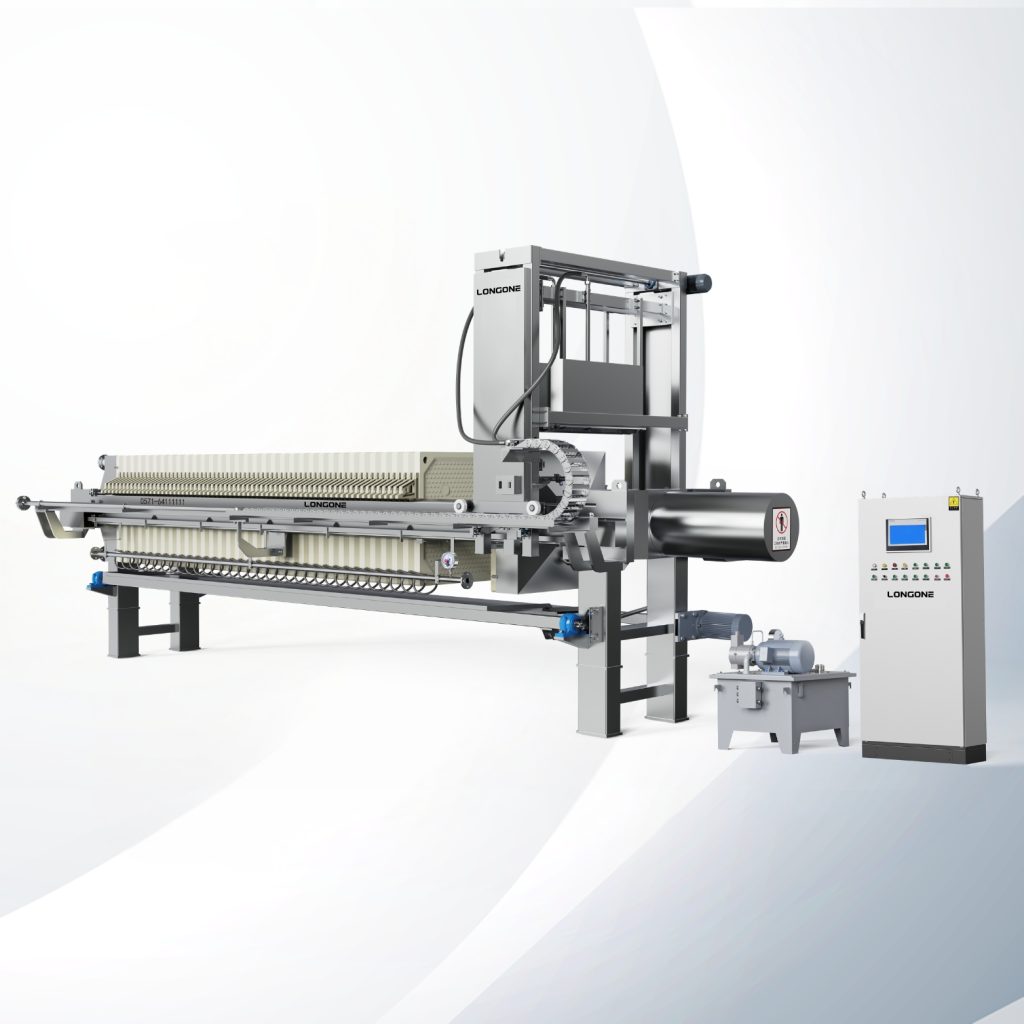
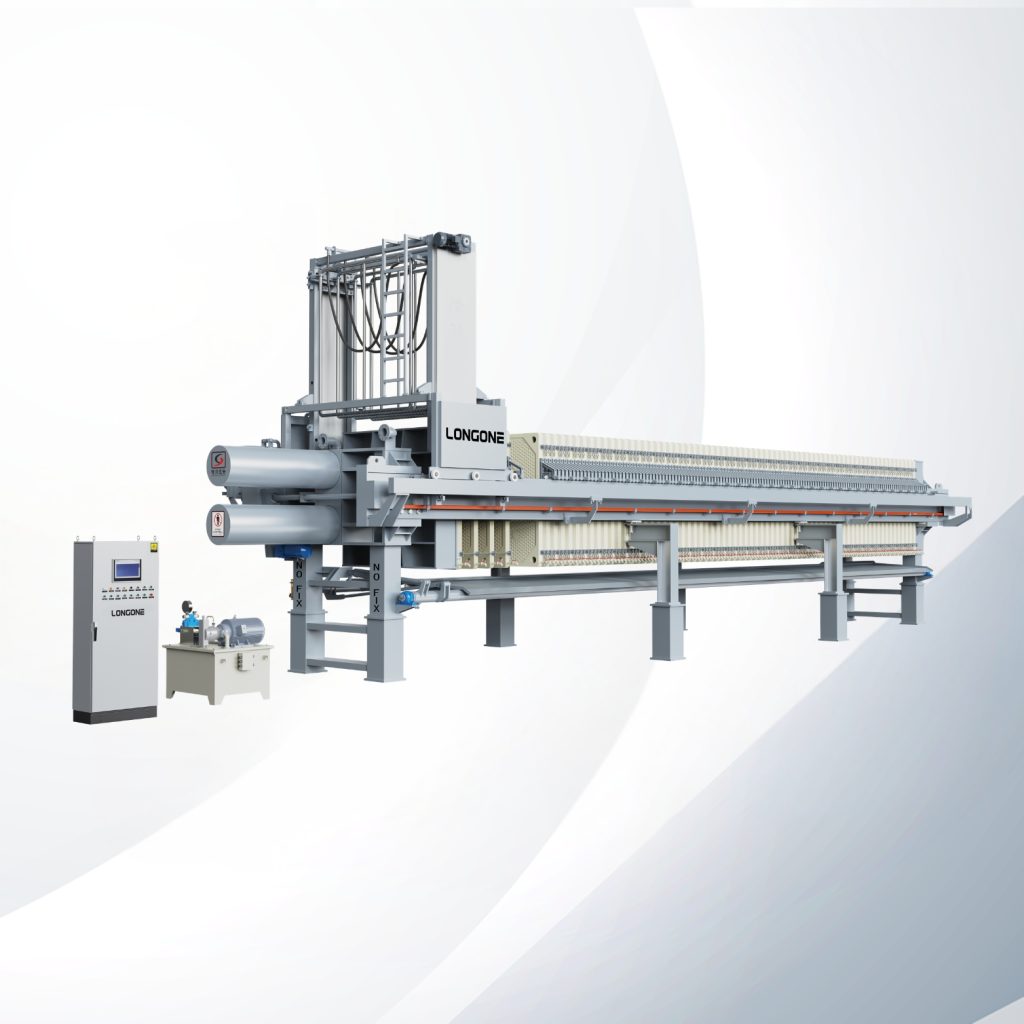
Modern filter presses also include automated control systems. These systems can manage plate shifting, filtration timing, and cake discharge, significantly reducing manual labor.
Together, these components allow the filter press to achieve efficient and reliable solid-liquid separation.
What Are the Main Types of Filter Presses?
Different industries require different filtration solutions. For this reason, several types of filter presses have been developed to meet various processing requirements.
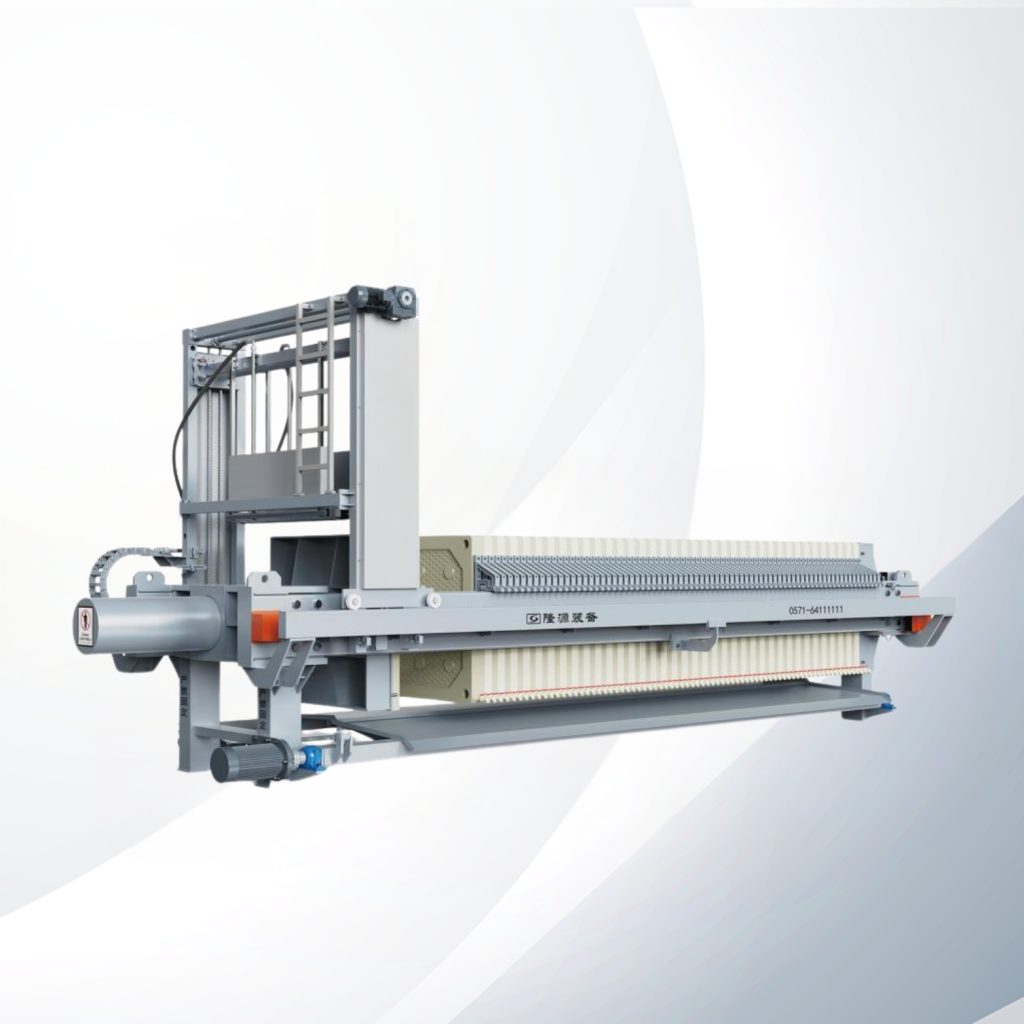
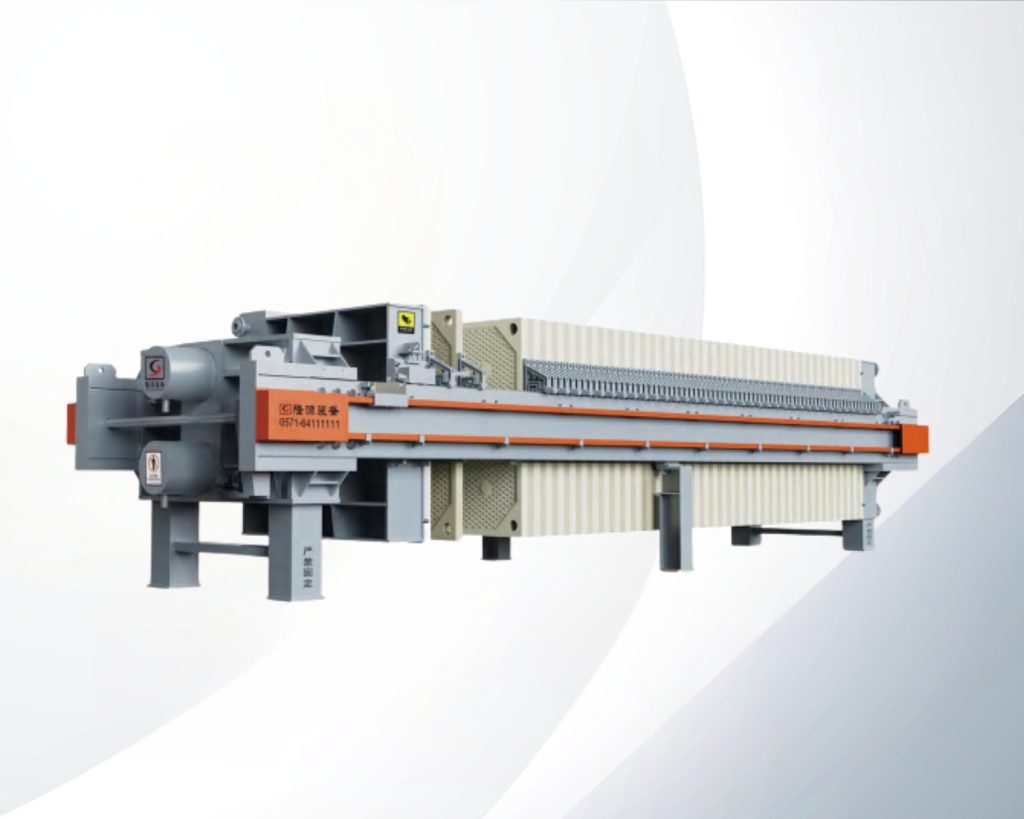
The most common types include membrane filter press, plate and frame filter press, chamber filter press, automatic filter press, stainless steel filter press, sludge filter press, laboratory filter press, and mobile filter press.
| Type | Key Feature | Typical Application |
|---|---|---|
| Prensa de filtro de membrana | Secondary squeezing reduces cake moisture | Mining, sludge dewatering |
| Prensa de filtro de placa e estrutura | Classic structure with precise filtration | Chemicals, pharmaceuticals |
| Prensa de filtro de câmara | Recessed plates for stable operation | Wastewater treatment |
| Prensa de filtro automática | Automated plate shifting and cake discharge | Large industrial plants |
| Prensa de filtro de aço inoxidável | Corrosion-resistant and hygienic design | Food and pharmaceutical |
| Prensa de filtro de lodo | Designed for high-solid sludge | Municipal wastewater |
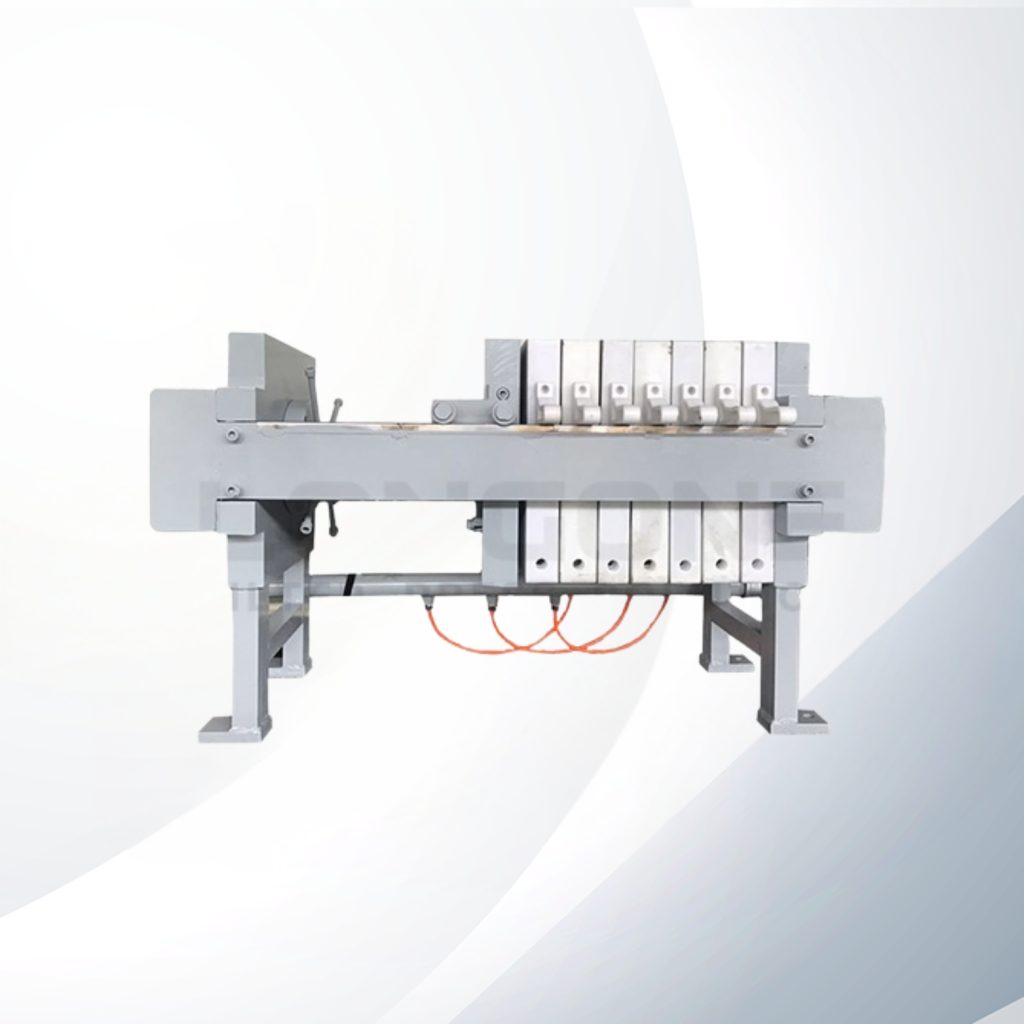
| Prensa de filtro de laboratório | Small-scale testing equipment | Research and development |
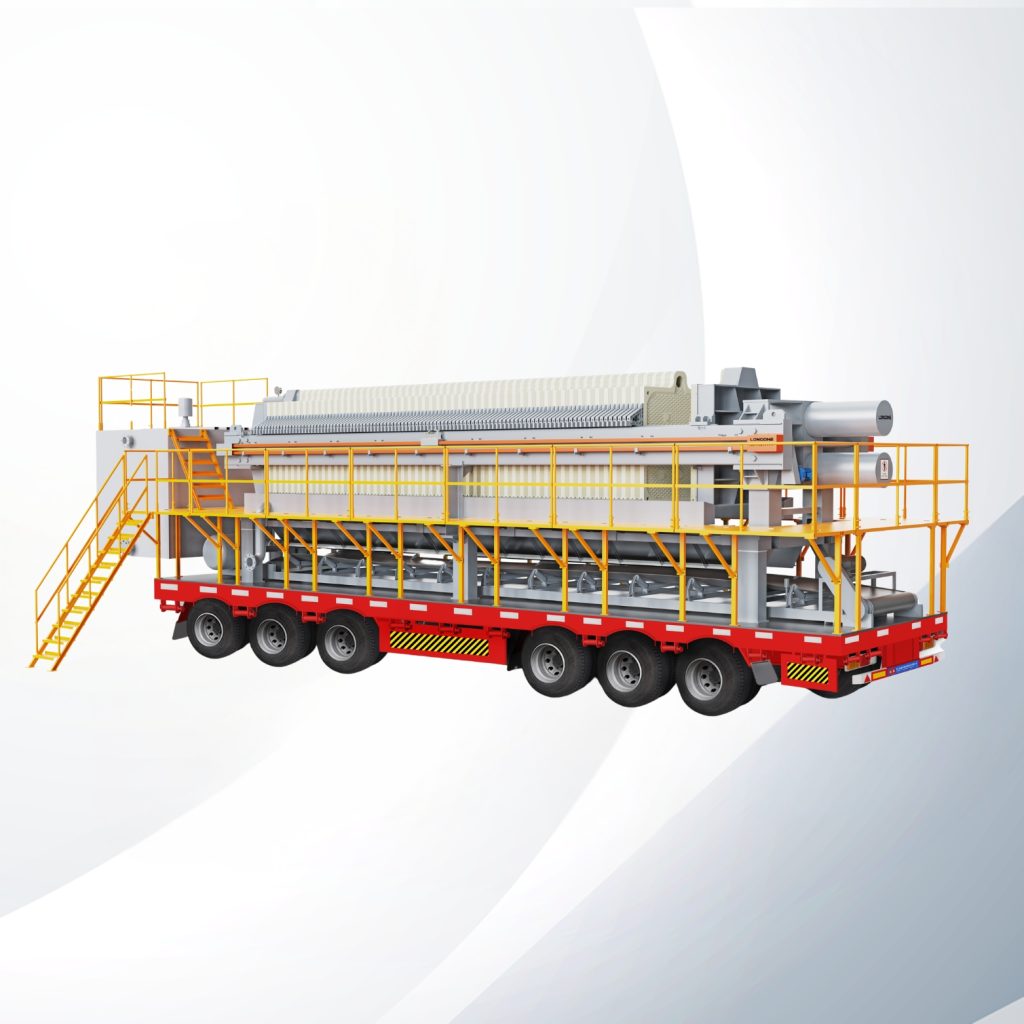
| Prensa de filtro móvel | Portable filtration system | Temporary job sites |
Among these types, the membrane filter press is widely used when very low cake moisture is required. After filtration, the membrane plate inflates and squeezes the cake, removing additional water.
The plate and frame filter press is one of the earliest designs and is still used in industries requiring high filtration precision.
UM chamber filter press is now the most common industrial model due to its simple structure and reliable performance.
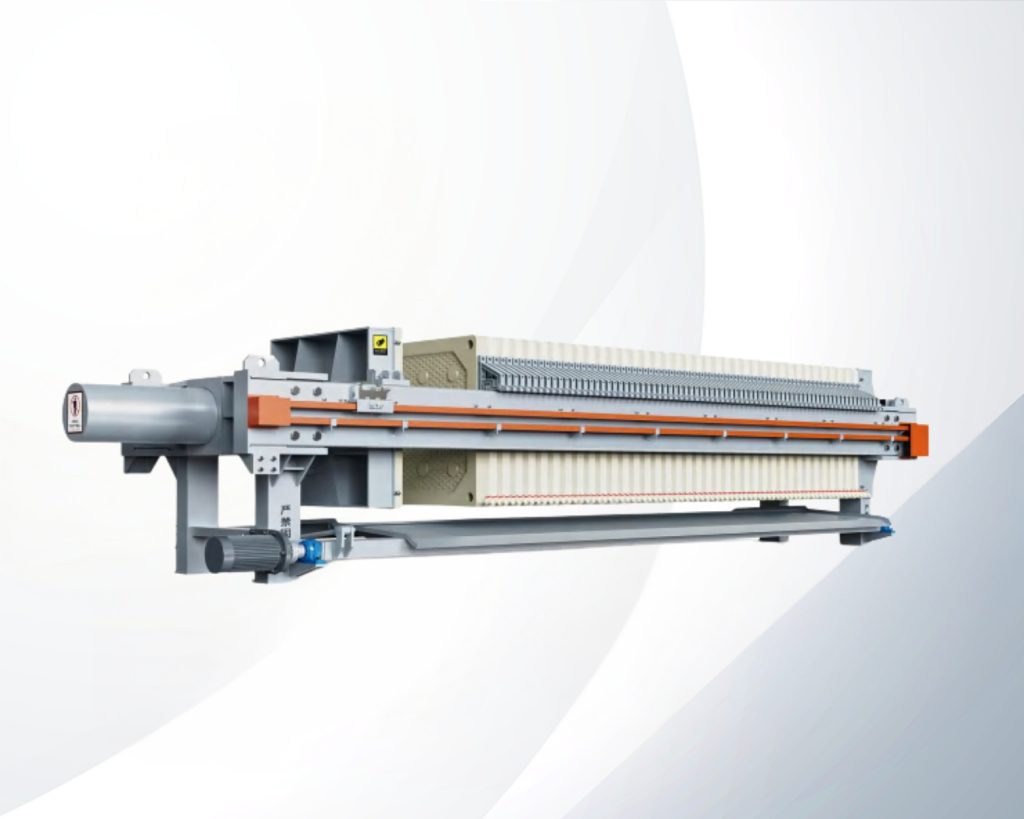
For large production facilities, an automatic filter press improves efficiency by automating plate opening and cake discharge.
Each type of filter press is designed to meet specific operational needs, making it important to choose the right configuration for the application.
How Does a Filter Press Work?
The working principle of a filter press is based on pressure filtration, which separates solid particles from liquids through a filtration medium.
During operation, slurry is pumped into the filter press chambers created by a series of filter plates. These plates are covered with filter cloth that captures solid particles.
As slurry fills the chambers, pressure gradually increases. Liquid passes through the cloth and exits the system as filtrate, while solids remain trapped on the cloth surface.
Over time, these trapped solids accumulate and form a filter cake. The cake layer itself becomes part of the filtration process by helping capture additional particles.
In some applications, the filter cake may be washed to remove impurities. This step improves product purity in chemical or mineral processing.
Once filtration is complete, the hydraulic system releases the plates. The plates separate and the solid filter cake falls out for disposal or further processing.
This pressure-driven process allows filter presses to produce clear liquid and relatively dry solids, making them highly effective for industrial sludge dewatering.
What Are the Applications of Filter Presses?
Because of their efficiency and reliability, filter presses are widely used across many industries that require solid-liquid separation.
- In wastewater treatment plants, filter presses are used to dewater sludge. By removing water from sludge, the equipment significantly reduces disposal volume and transportation costs.
- In mining and mineral processing, filter presses separate valuable minerals from slurry and help manage tailings more efficiently.
- Chemical plants use filter presses to purify liquids and recover solid products from chemical reactions.
- In the food and pharmaceutical industries, stainless steel filter presses ensure hygienic filtration conditions and corrosion resistance.
Filter presses are also used in aggregate processing industries where slurry is generated during sand washing and stone production.
Their versatility makes them one of the most important filtration technologies in modern industrial processes.
What Are the Advantages and Disadvantages of a Filter Press?
When selecting filtration equipment, companies often compare filter presses with centrifuges, belt presses, and other dewatering technologies.
One of the main advantages of a filter press is its high filtration efficiency. It can produce very dry filter cakes, which reduces waste disposal costs.
Another benefit is the high clarity of the filtrate. Many industries require clear liquid output for reuse or further processing.
Filter presses also offer long equipment life and relatively low operating costs, especially when automation systems are integrated.
However, traditional filter presses operate in batches rather than continuous flow processes. Each filtration cycle requires time for cake formation and discharge.
Modern automatic filter presses address many of these limitations by automating plate shifting, cake discharge, and filtration control.
Overall, the advantages of filter presses often outweigh their limitations in applications requiring high-quality solid-liquid separation.
How to Customize a Filter Press for Your Application?
Every industrial filtration project has different requirements depending on slurry characteristics, production capacity, and operating conditions. For this reason, filter presses are often customized.
Several design parameters must be considered when selecting or customizing a filter press.
Filtration area determines how much slurry can be processed during each cycle. Larger filtration areas allow higher processing capacity.
Plate size and chamber volume affect the amount of solids that can accumulate during filtration.
Operating pressure also plays a major role in filtration efficiency and final cake moisture content.
Material selection is important when dealing with corrosive chemicals or food-grade processing environments. Polypropylene plates and stainless steel components are common options.
Automation level is another key factor. Fully automatic filter presses can reduce labor requirements and improve overall production efficiency.
As a global manufacturer of filtration equipment, Longone provides customized filtration solutions for industries including mining, wastewater treatment, and chemical processing. Longone offers membrane filter presses, chamber filter presses, automatic filter presses, and other specialized filtration systems designed for high pressure, reliable operation, and long service life.
By selecting the right configuration and working with experienced manufacturers, companies can ensure that their filter press system meets both performance and operational requirements.
Conclusion
A filter press is an essential piece of equipment for industrial solid-liquid separation. By understanding its structure, working principle, and available types, companies can select the right filtration solution to improve efficiency, reduce sludge disposal costs, and maintain stable production processes.
Perguntas frequentes
What is the difference between a membrane filter press and a chamber filter press?
A membrane filter press uses flexible membrane plates that squeeze the filter cake after filtration, reducing moisture content. A chamber filter press uses recessed plates and is typically used for standard sludge dewatering applications.
What industries use filter presses?
Filter presses are widely used in wastewater treatment, mining, chemical processing, metallurgy, food production, and pharmaceutical manufacturing.
How efficient is a filter press?
A filter press can achieve very high solid-liquid separation efficiency and produce relatively dry filter cakes compared with many other dewatering technologies.