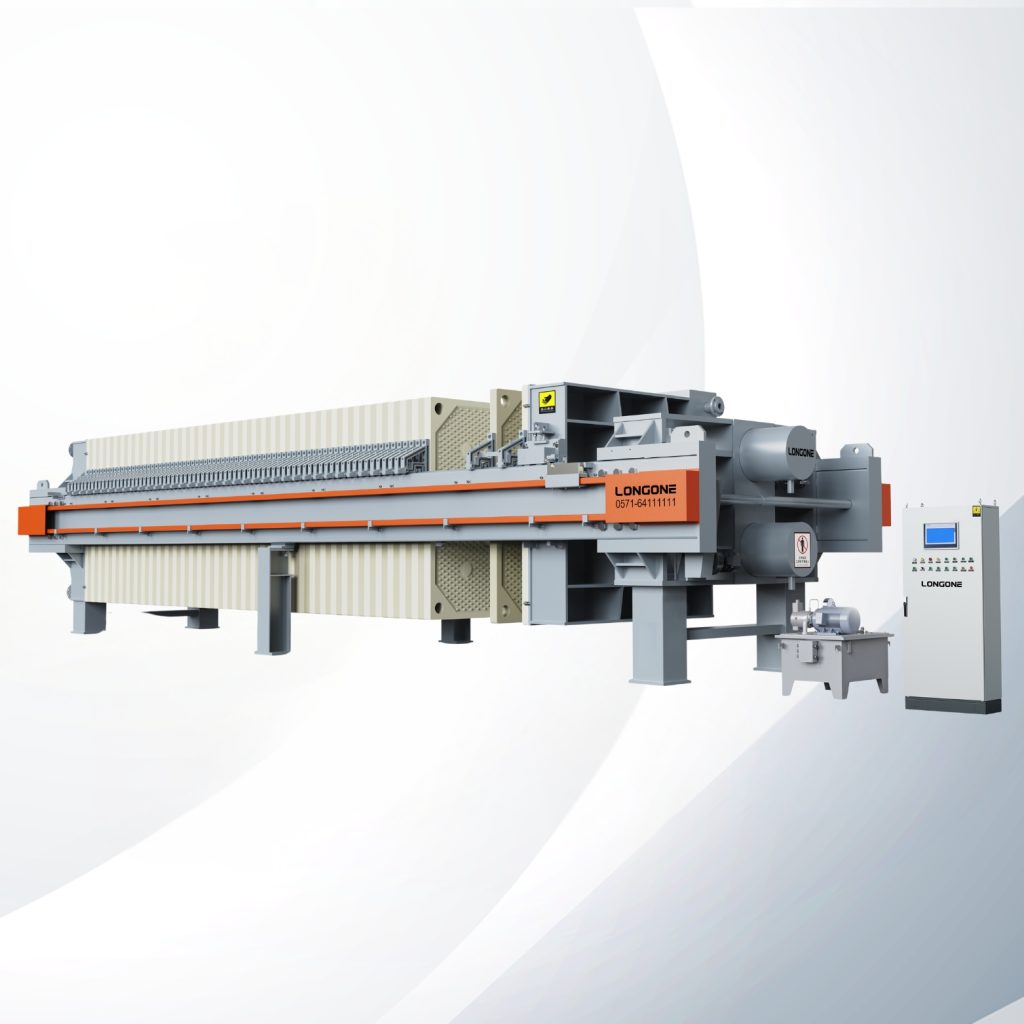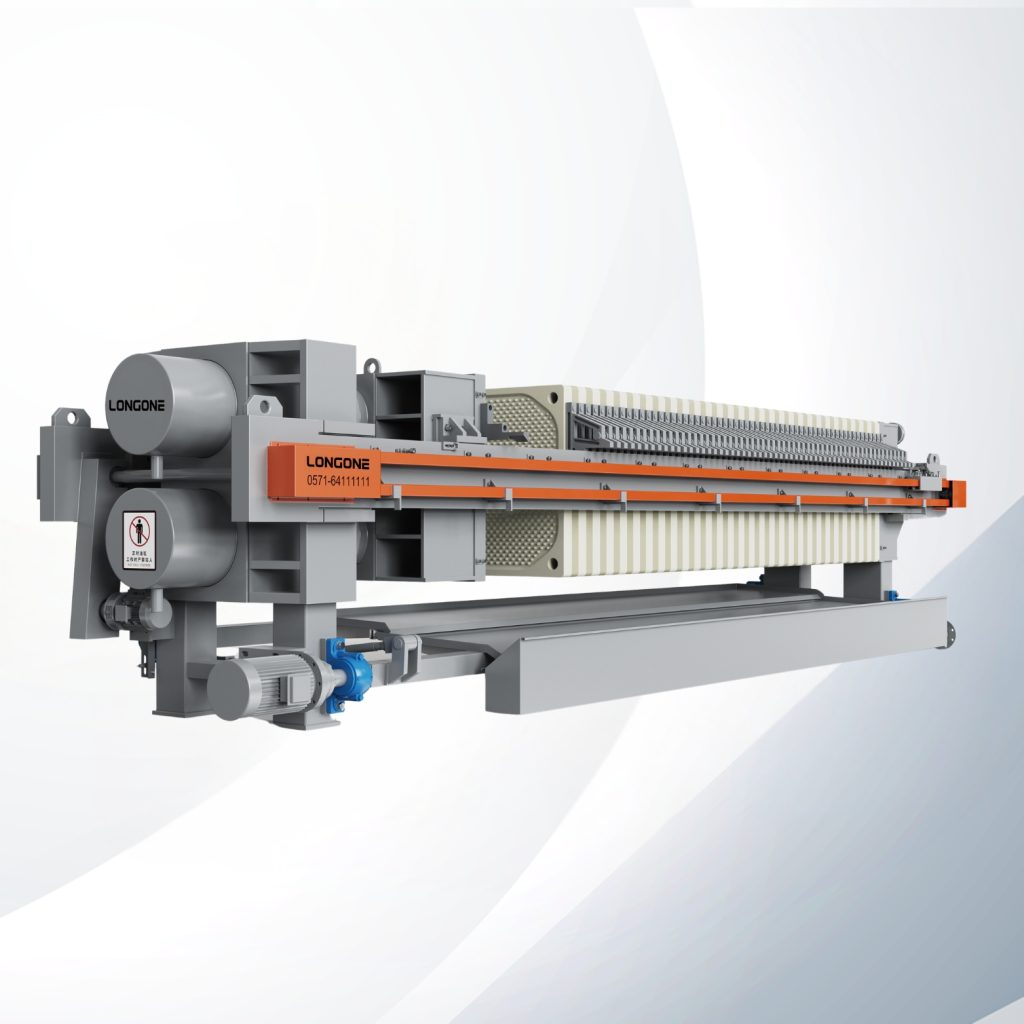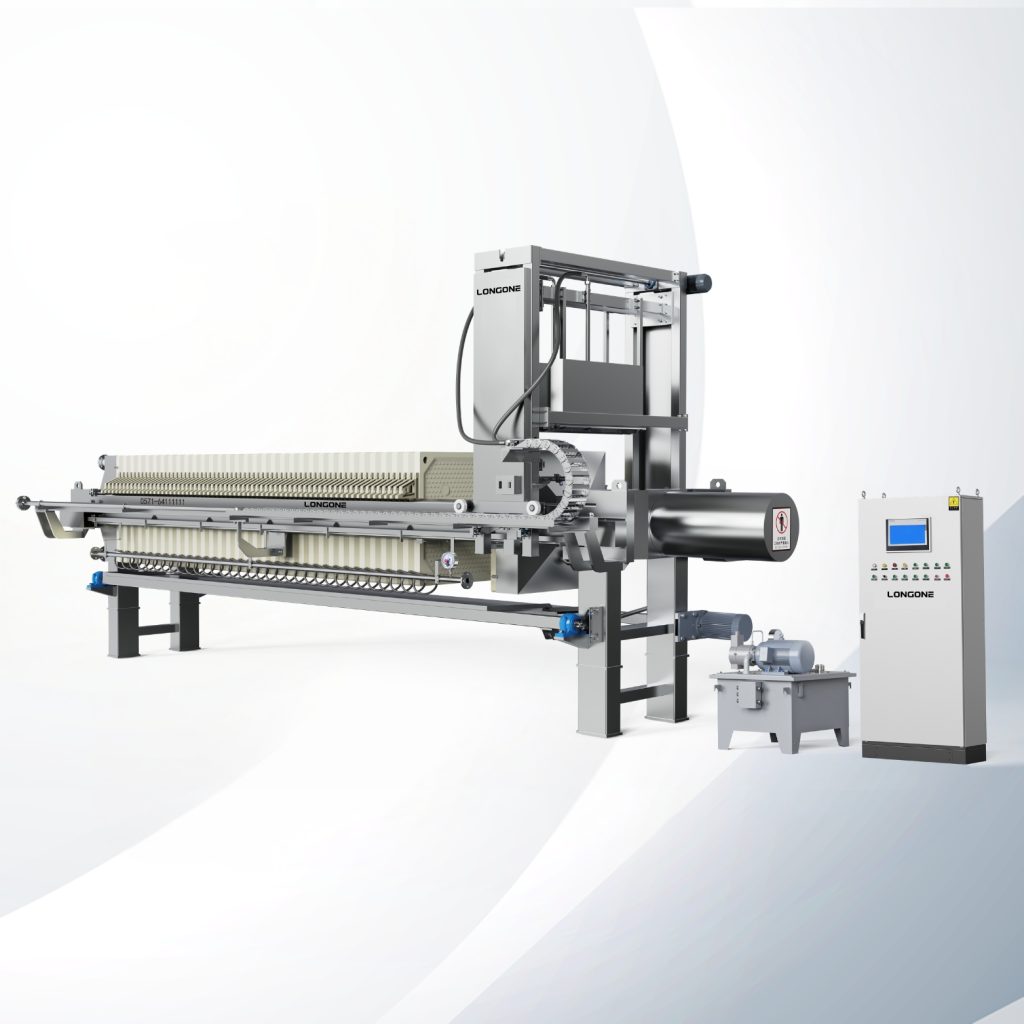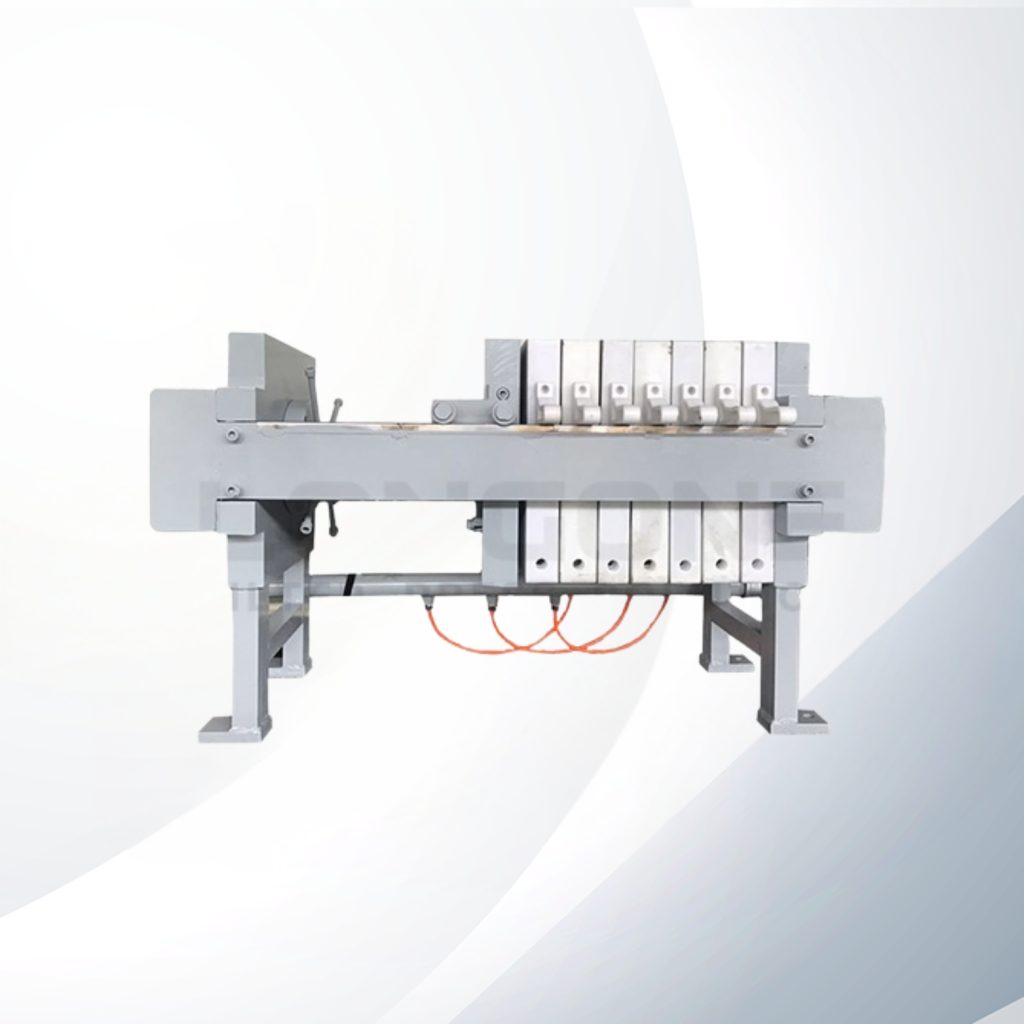
Filter cloths are one of the most important components of a filter press system. Although the filter press machine provides the pressure and structure required for solid-liquid separation, the filter cloth directly determines filtration efficiency, filtrate clarity, cake dryness, and overall operating costs.
Many industrial users focus heavily on selecting the right filter press model but underestimate the importance of choosing the correct filter cloth. In reality, an unsuitable filter cloth can cause slow filtration, poor cake release, frequent replacement, increased energy consumption, and unstable production performance.
Choosing the right filter cloths for filter press applications requires a comprehensive understanding of slurry characteristics, filtration requirements, operating conditions, and equipment design. There is no universal filter cloth suitable for every industry. The best choice depends on balancing filtration accuracy, permeability, chemical resistance, mechanical strength, and service life.
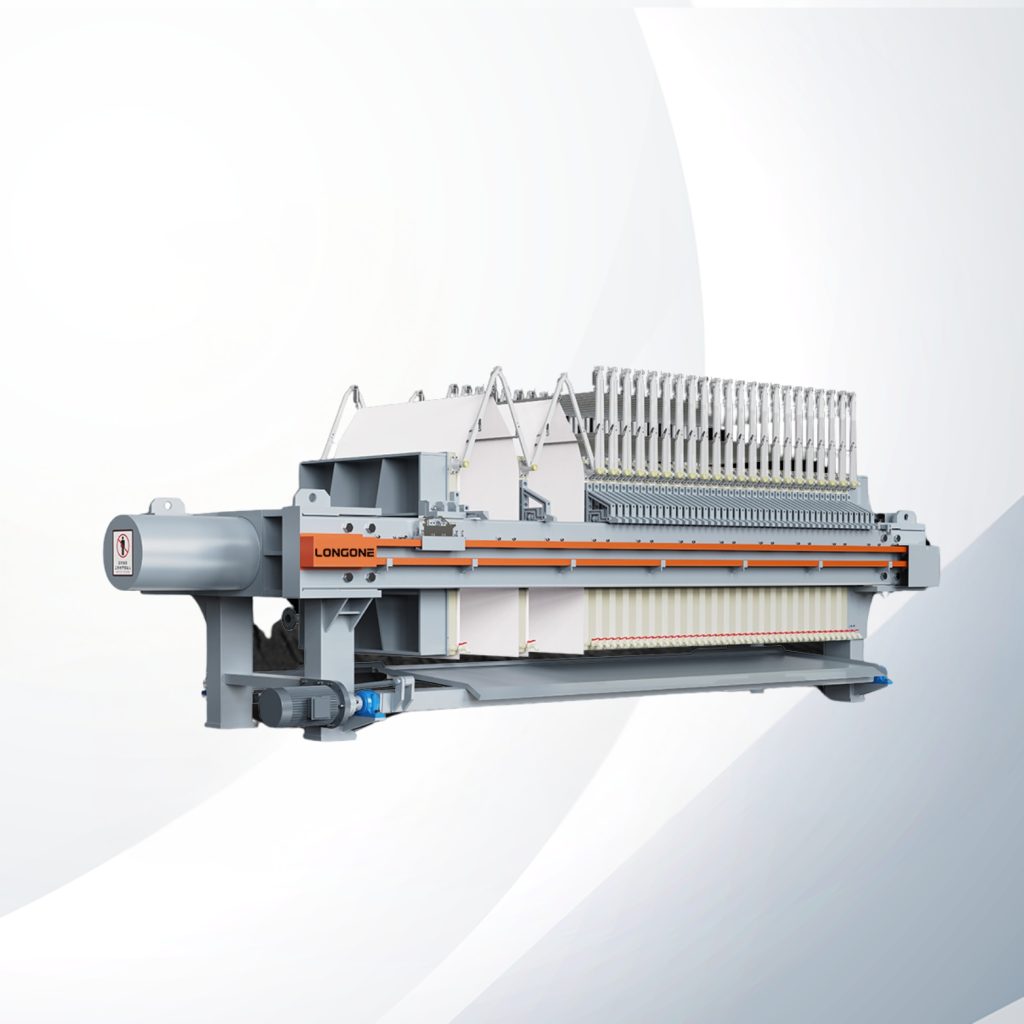
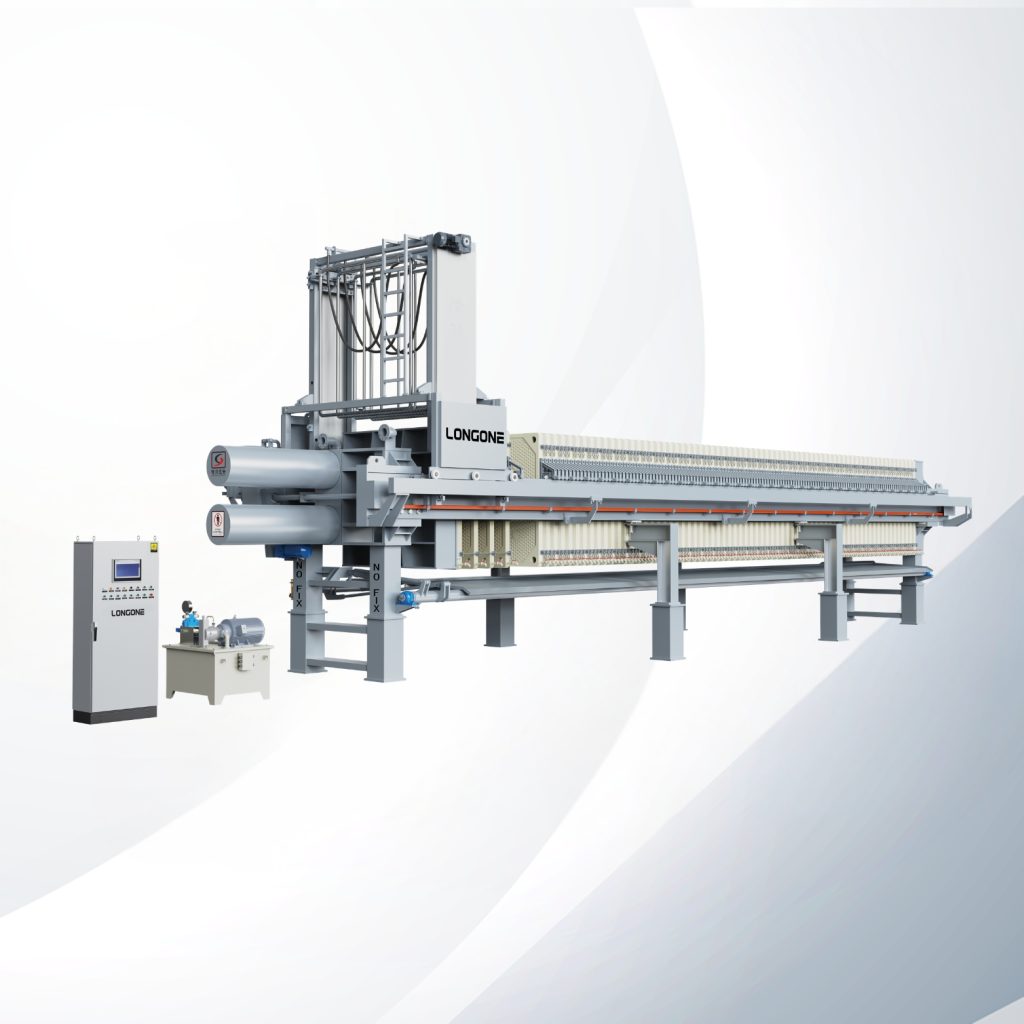
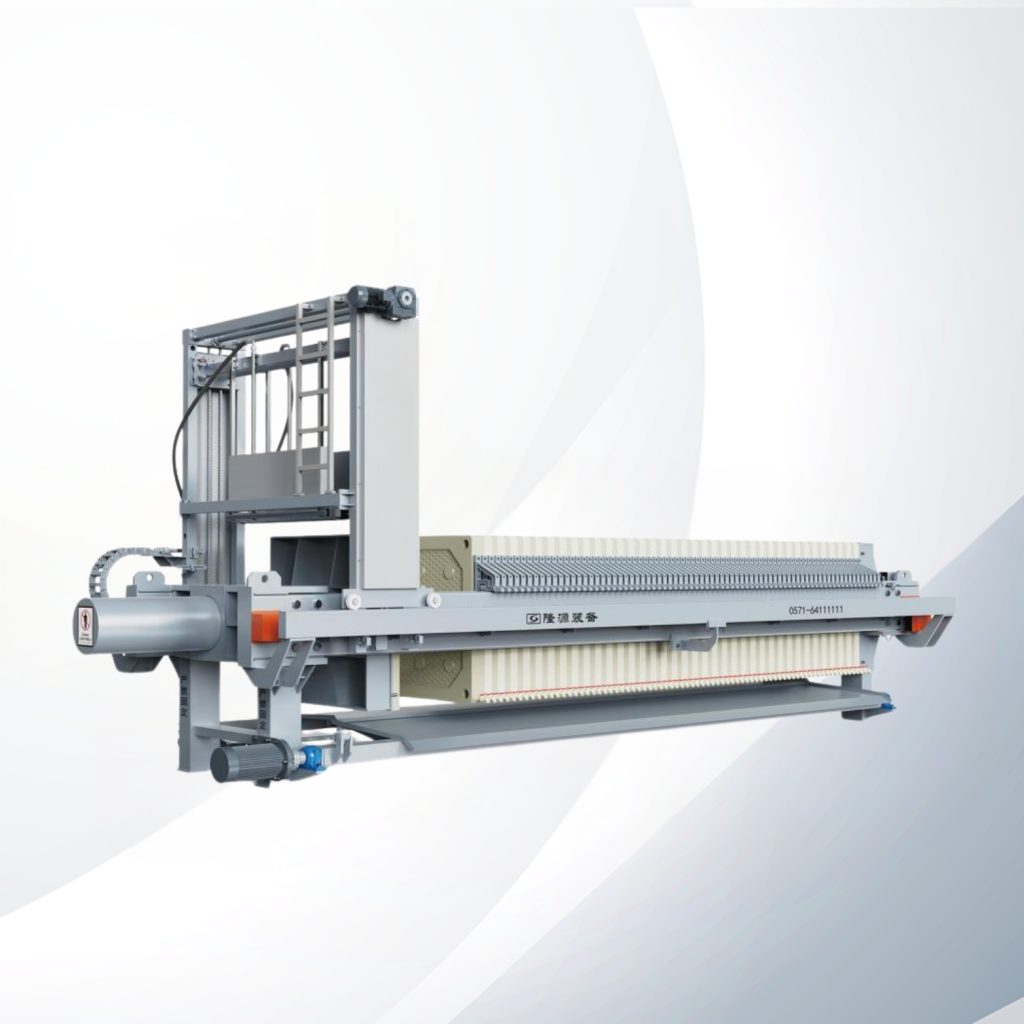
As an experienced filter press manufacturer, LONGONE provides customized filtration solutions by considering the complete separation process rather than selecting filter cloth based on price or a single parameter.
This guide explains how to select the right filter press cloth and what factors should be considered before purchasing.
Why Filter Cloth Selection Is Critical for Filter Press Performance
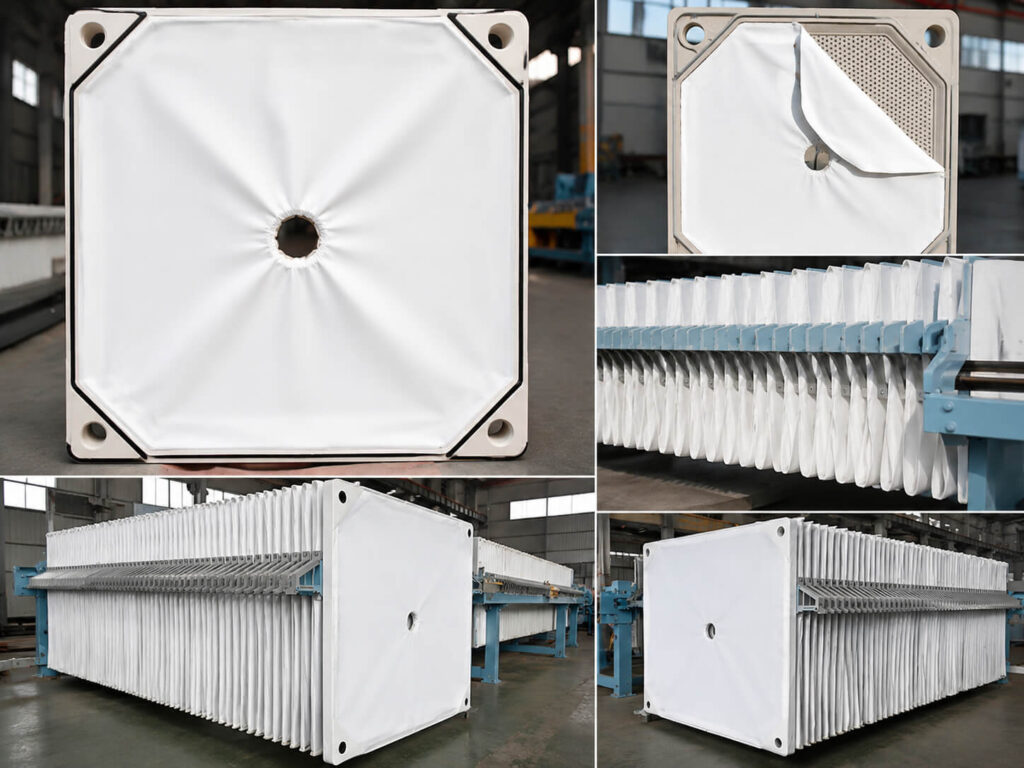
A filter cloth is not simply a consumable part of a filter press. It is the actual filtration medium that controls how liquid passes through while retaining solid particles.
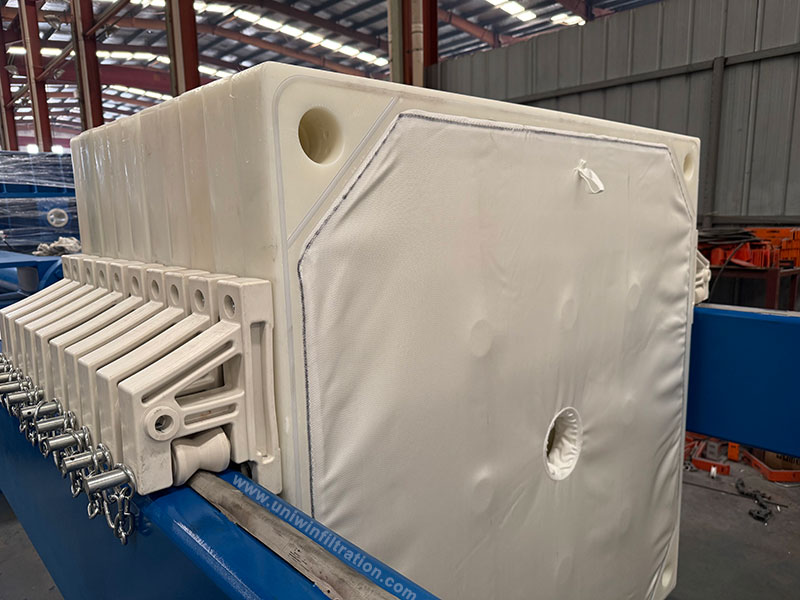
During operation, slurry is pumped into the filter press chamber. Under pressure, liquid flows through the filter cloth and drainage channels, while solid particles accumulate on the cloth surface to form a filter cake. The performance of this process depends greatly on the characteristics of the filter cloth.
The right filter cloth can provide:
- Higher filtration efficiency
- Cleaner filtrate quality
- Lower filter cake moisture
- Faster cake discharge
- Longer service life
- Reduced maintenance frequency
On the other hand, incorrect filter cloth selection may create several problems:
- Excessive filter cloth clogging
- Slow filtration cycles
- Poor filtrate clarity
- Difficult cake removal
- Premature cloth damage
- Increased operating costs
For example, using a filter cloth with excessively small pores may improve particle retention but significantly reduce filtration speed because the cloth becomes easier to block. In contrast, a cloth with excessive permeability may increase flow rate but allow more fine particles to pass into the filtrate.
Therefore, the goal is not to select the tightest filter cloth, but to choose the best balance between filtration precision and filtration performance.
Understand Different Filter Cloth Materials for Filter Press Applications
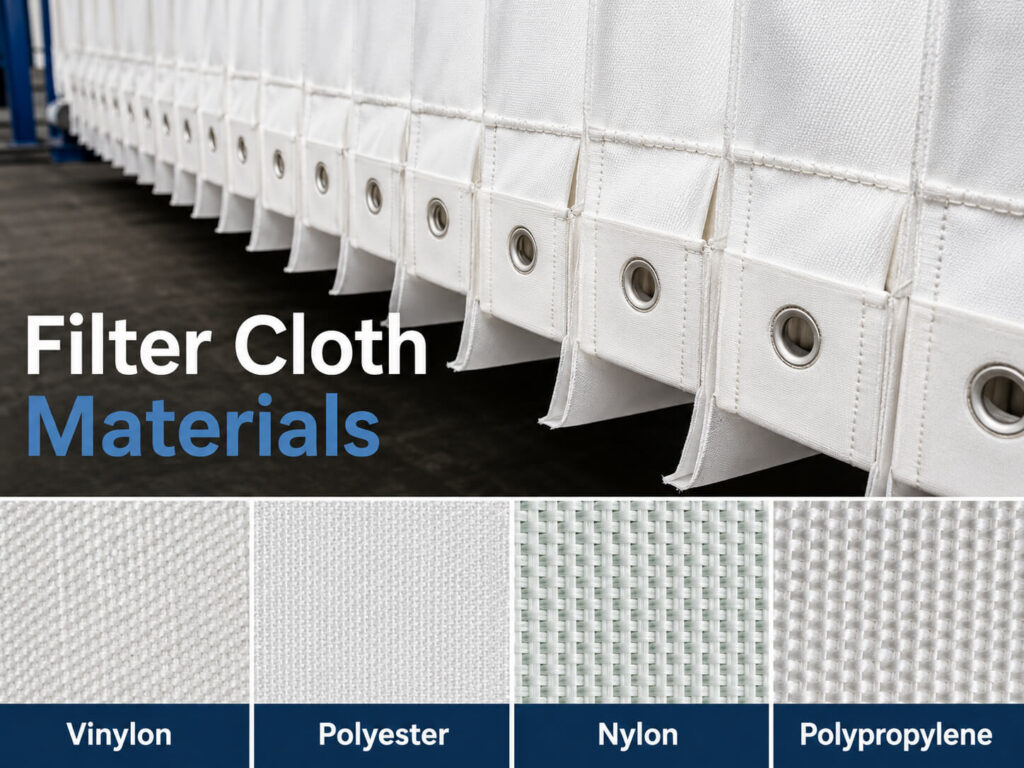
The material of a filter cloth determines its chemical resistance, temperature resistance, mechanical strength, and suitability for different industrial environments.
The most commonly used filter press cloth materials include polypropylene (PP), polyester (PET), and nylon (polyamide). Each material has different advantages depending on the application.
Polypropylene Filter Cloth
Polypropylene filter cloth is one of the most widely used materials in industrial filtration because of its excellent chemical resistance and cost efficiency.
Advantages include:
- Excellent resistance to acids and alkalis
- Lightweight structure
- Good filtration performance
- Low moisture absorption
- Competitive operating cost
Polypropylene filter cloth is commonly used in:
- Wastewater treatment
- Chemical processing
- Industrial sludge dewatering
- Mineral processing
- General solid-liquid separation applications
For most standard filter press applications, polypropylene is often the first choice because it provides a good balance between performance and cost.
Polyester Filter Cloth
Polyester filter cloth is known for its durability, dimensional stability, and resistance to high temperatures.
Main advantages:
- High mechanical strength
- Good abrasion resistance
- Better dimensional stability
- Suitable for higher temperature applications
It is often selected for:
- Mining applications
- High-temperature industrial processes
- Heavy-duty filtration systems
Nylon Filter Cloth
Nylon filter cloth provides excellent tensile strength and abrasion resistance.
Typical advantages:
- High flexibility
- Strong mechanical properties
- Good wear resistance
It is commonly used where slurry contains abrasive particles that may damage weaker fabrics.
However, nylon has different chemical compatibility characteristics compared with polypropylene and polyester, so the operating environment must be evaluated before selection.
Choosing the correct filter cloth material requires considering not only filtration requirements but also chemical exposure, temperature, and expected service life.
Select Filter Press Cloth Based on Slurry Characteristics
The slurry being processed is one of the most important factors when selecting filter cloths for filter press systems.
Different materials create different filtration challenges. A cloth suitable for municipal wastewater sludge may perform poorly in mining slurry or chemical production.
Several slurry characteristics should be evaluated.
Particle Size and Distribution
Particle size directly affects filtration performance.
For fine particles:
- A tighter weave may be required
- Smaller openings improve particle retention
- Higher filtration accuracy can be achieved
However, extremely tight cloth structures may reduce permeability and increase filtration time.
For larger particles:
- More open structures may provide faster filtration
- Higher permeability improves liquid flow
The correct selection depends on balancing particle retention and filtration speed.
Solid Concentration
High-solid-content slurry usually requires filter cloth with:
- Strong mechanical strength
- Good cake release properties
- Resistance to clogging
Low-solid-content slurry may require a different cloth structure to achieve efficient particle capture.
Chemical Properties
Chemical compatibility is essential for extending filter cloth service life.
Before selecting filter cloth, consider:
- pH value
- Acid concentration
- Alkaline conditions
- Solvent exposure
- Oxidizing chemicals
For example, polypropylene is often preferred in many chemical applications because of its strong resistance to various corrosive substances.
Filter Cake Characteristics
The final filter cake requirement also influences cloth selection.
If the goal is:
- Lower cake moisture
- Easier cake discharge
- Faster cycle time
the filter cloth structure must be matched with the specific cake formation behavior.
Choose the Right Filter Cloth Weave and Structure
Besides material selection, the weaving method has a significant influence on filter press performance.
Different weave structures provide different levels of permeability, particle retention, and cake release.
Common filter cloth weave types include plain weave, twill weave, and satin weave.
Monofilament Filter Cloth
Monofilament filter cloth is made from single continuous yarn fibers.
Advantages:
- Smooth surface
- Excellent cake release
- Reduced clogging
- Easier cleaning
It is suitable for applications where sticky filter cakes create discharge problems.
Common applications:
- Wastewater sludge
- Chemical sludge
- Food processing filtration
Multifilament Filter Cloth
Multifilament filter cloth uses multiple smaller fibers twisted together.
Advantages:
- Higher filtration accuracy
- Better particle retention
- Suitable for fine solids
However, the surface structure may capture more particles, which means cleaning requirements should be considered.
Combination Filter Cloth
Some applications require a balance between filtration accuracy and discharge performance.
Combination structures can provide:
- Improved particle capture
- Better permeability
- Longer operating life
The ideal weave depends on the relationship between slurry properties, filtration pressure, and production requirements.
Match Filter Cloth Selection with Different Industrial Applications
Different industries have different filtration challenges. Selecting filter cloth based on application experience can significantly improve system performance.
Wastewater Treatment
Wastewater sludge dewatering is one of the most common filter press applications.
Important requirements include:
- Good water removal performance
- Stable operation
- Easy cake discharge
- Resistance to repeated washing
Polypropylene filter cloth is widely used because of its chemical resistance and reliable performance.
Mining and Mineral Processing
Mining applications often involve abrasive slurry containing hard particles.
Recommended considerations:
- High tensile strength
- Excellent abrasion resistance
- Long service life
Polyester and nylon filter cloths are commonly considered for demanding mining environments.
Chemische Industrie
Chemical filtration requires careful material selection because aggressive chemicals can shorten cloth life.
Important factors:
- Chemical compatibility
- Temperature resistance
- Mechanical durability
The filter cloth must match both the chemical composition and operating conditions.
Food and Pharmaceutical Industry
These industries require:
- Stable filtration quality
- Hygienic materials
- Reliable contamination control
Filter cloth selection should consider production standards, cleaning methods, and product requirements.
How to Improve Filter Cloth Service Life and Reduce Replacement Costs
Selecting the correct filter cloth is only the first step. Proper operation and maintenance are equally important for maximizing service life.
Several practices can extend filter cloth performance.
Regular Cleaning
Accumulated particles can block openings and reduce filtration efficiency.
Regular washing helps:
- Maintain permeability
- Reduce clogging
- Improve filtration consistency
Avoid Excessive Operating Pressure
Although filter presses operate under pressure, excessive pressure beyond design conditions can accelerate cloth wear and deformation.
Operating parameters should always match equipment specifications.
Inspect Filter Cloth Condition Regularly
Common signs of replacement include:
- Visible damage
- Reduced filtration speed
- Poor filtrate quality
- Increased moisture in filter cake
Early replacement prevents production losses and protects other filter press components.
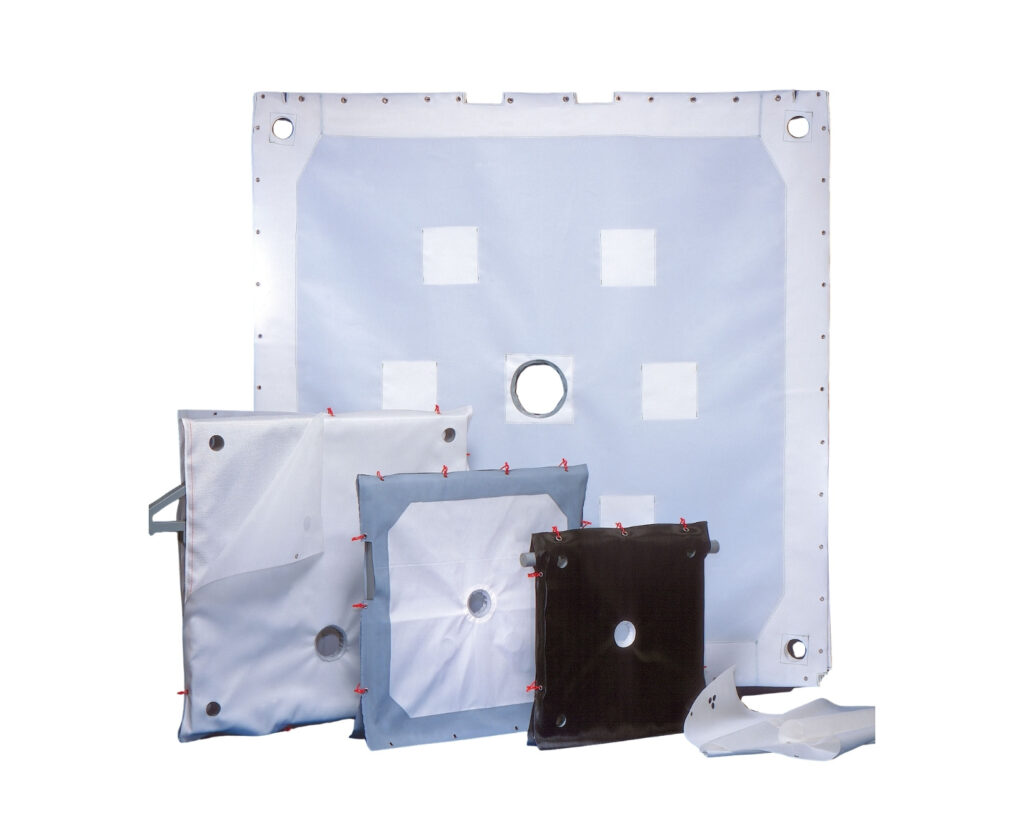
Select Customized Filter Cloth Solutions
Different filter presses, slurry conditions, and production requirements need different cloth solutions.
Professional manufacturers can recommend suitable filter cloth based on:
- Filter press model
- Plate size
- Slurry properties
- Filtration objectives
- Operating environment
LONGONE provides customized filter press solutions, including filter plates, filter cloths, and complete solid-liquid separation systems designed for different industries.
Conclusion
Choosing the right filter cloths for filter press applications is essential for achieving efficient solid-liquid separation and reliable long-term operation.
The best filter cloth is not determined by material price or filtration accuracy alone. A successful selection requires evaluating multiple factors, including:
- Filter cloth material
- Weave structure
- Particle size
- Slurry characteristics
- Chemical compatibility
- Operating temperature
- Cake discharge requirements
Polypropylene, polyester, and nylon filter cloths each provide unique advantages for different industrial conditions. By matching the filter cloth design with the actual filtration process, companies can improve filtration efficiency, reduce downtime, and lower operating costs.
As a professional filter press manufacturer, LONGONE helps customers select suitable filter cloth solutions according to their specific applications. Whether for wastewater treatment, mining, chemical processing, or industrial sludge dewatering, the right filter cloth can significantly improve the overall performance of the filtration system.
Choosing the correct filter cloth is not only about replacing a filter media — it is about optimizing the entire filtration process.