Struggling with large volumes of slurry and inefficient solid-liquid separation? This common industrial problem can lead to high disposal costs, operational bottlenecks, and challenges in meeting environmental regulations. The solution lies in mastering a powerful technology, and understanding how does a filter press works is the critical first step toward boosting your plant’s efficiency.
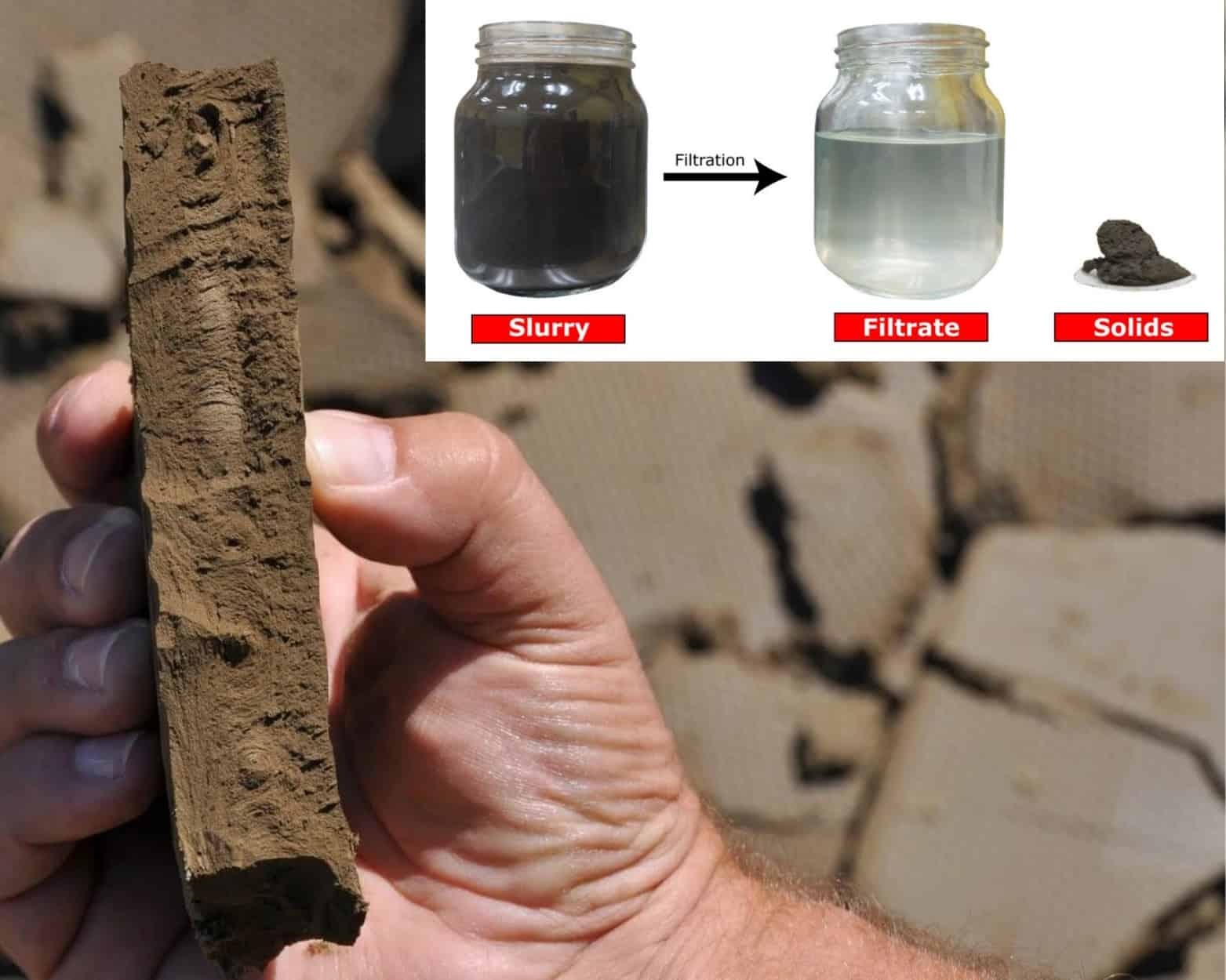
A filter press works by pumping a slurry into a series of sealed chambers formed by filter plates. High pressure forces the liquid component (filtrate) to pass through filter cloths, leaving the solid particles behind. These trapped solids accumulate inside the chambers, forming a dewatered solid block known as a filter cake.
Let’s break down this robust technology piece by piece so you can see how it can transform your separation process.
What Exactly Is a Filter Press?
You may have heard the term used on the plant floor, but what kind of machine are we actually talking about? It can look intimidating, but it is a fundamentally simple and powerful tool for dewatering.
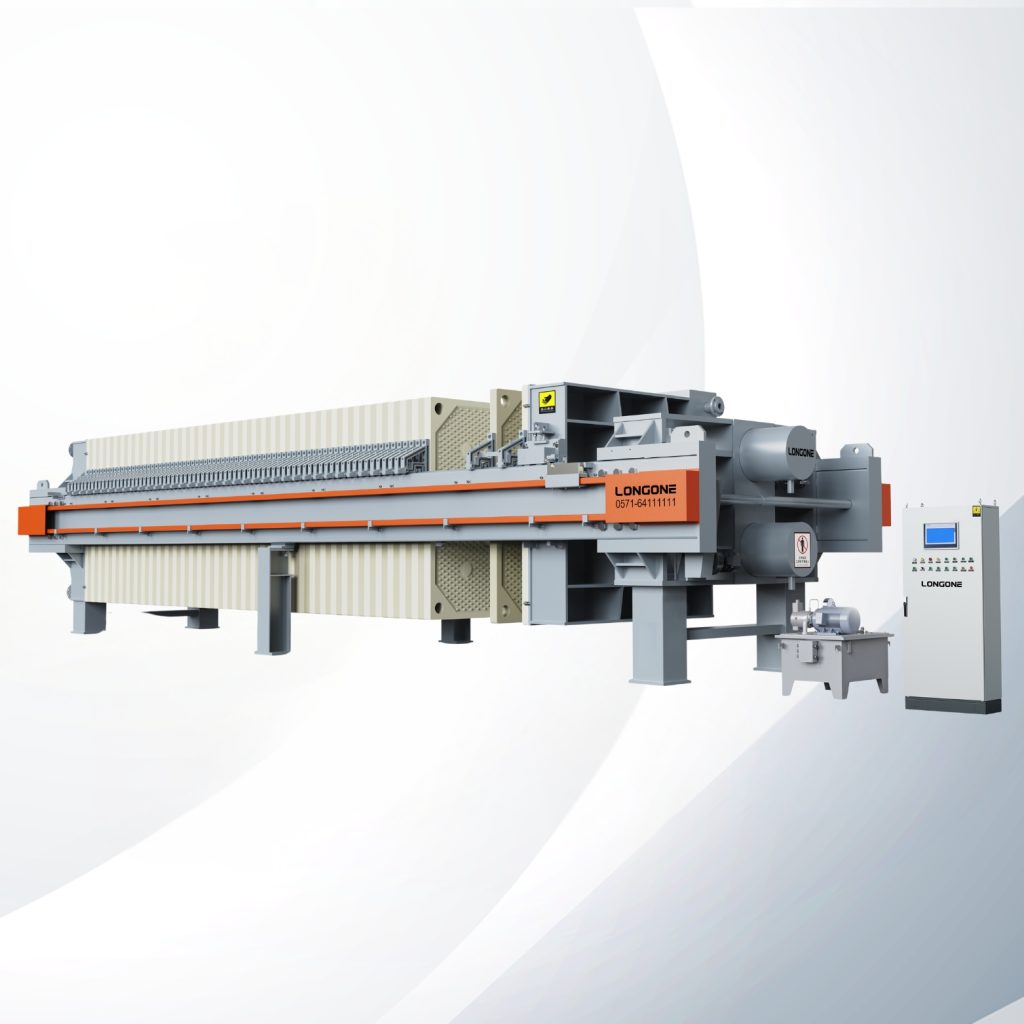
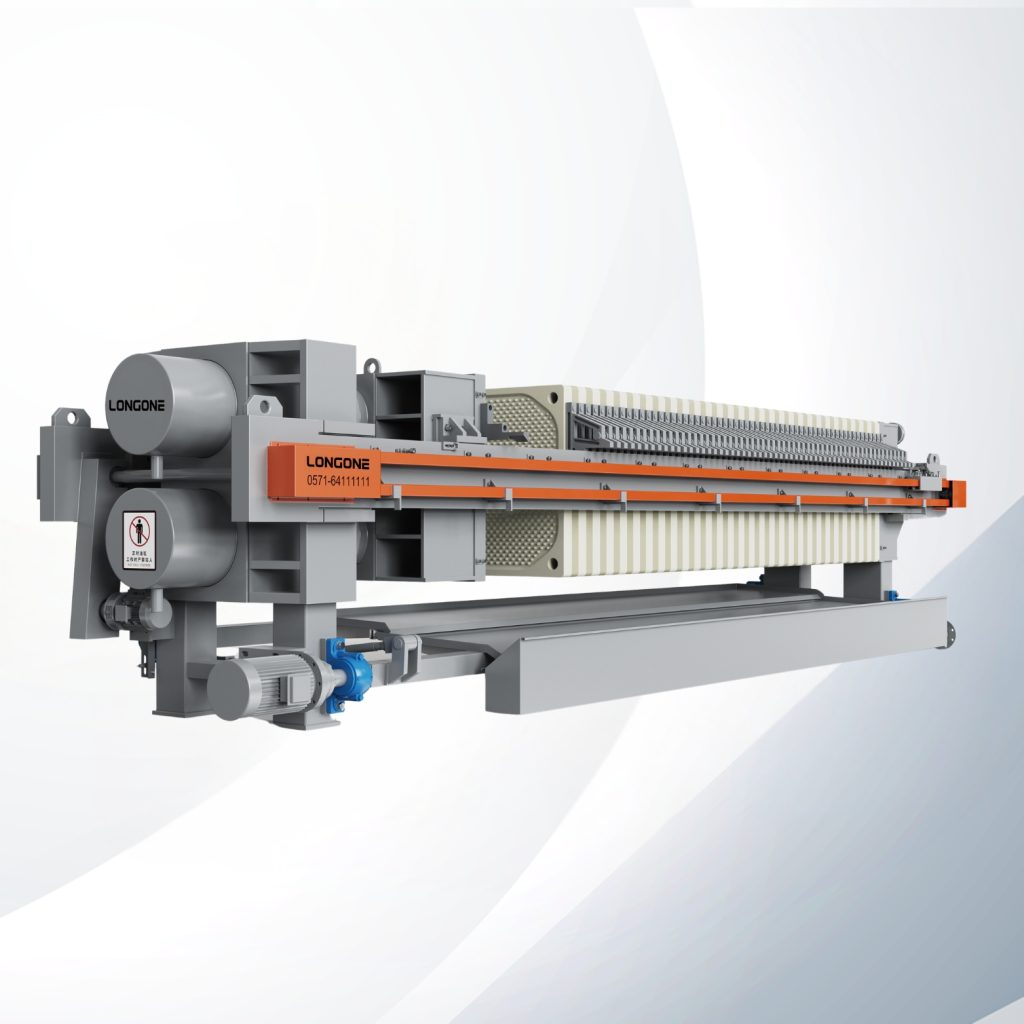
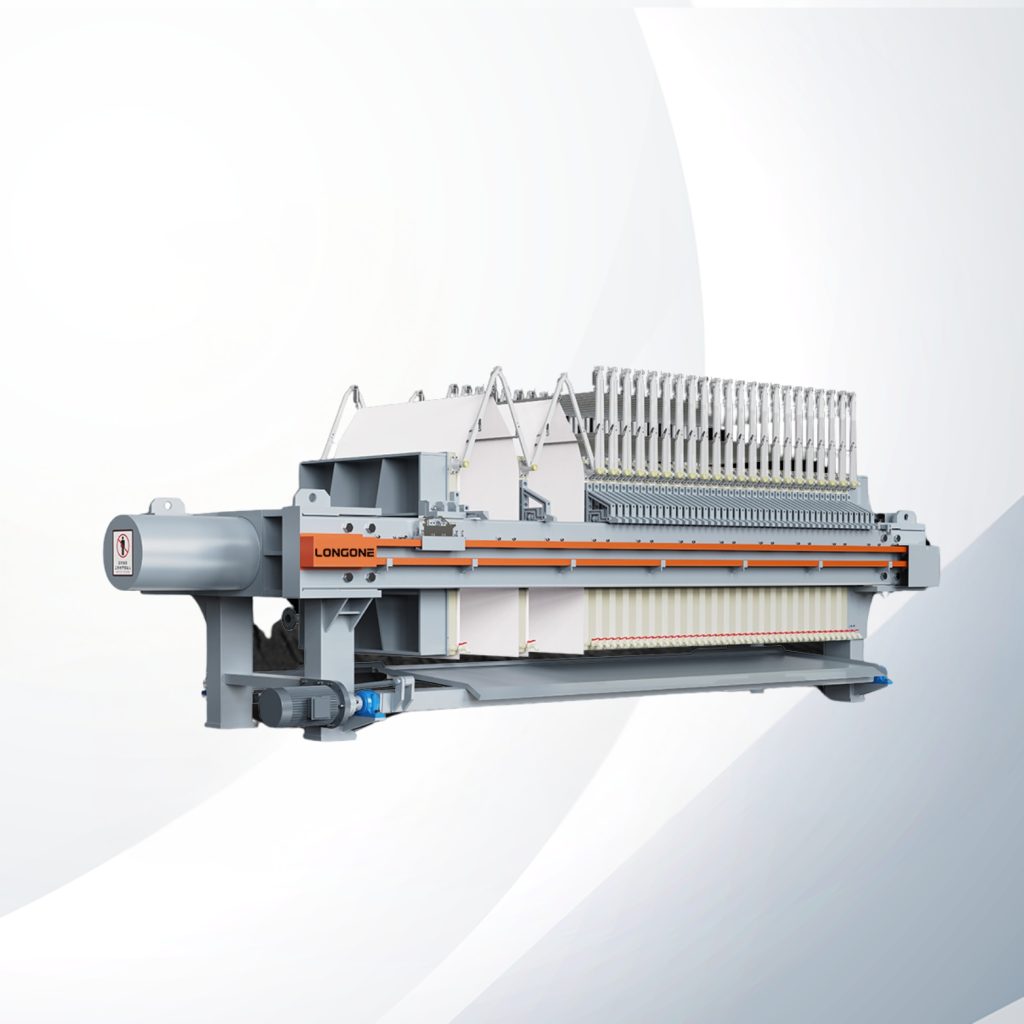
A filter press is a batch-operated, pressure filtration system designed specifically to separate solids from liquids in a slurry. It uses a heavy-duty frame to support a series of filter plates, each lined with a filter cloth. When pressed together, these plates form a series of sealed chambers that become the heart of the separation process.
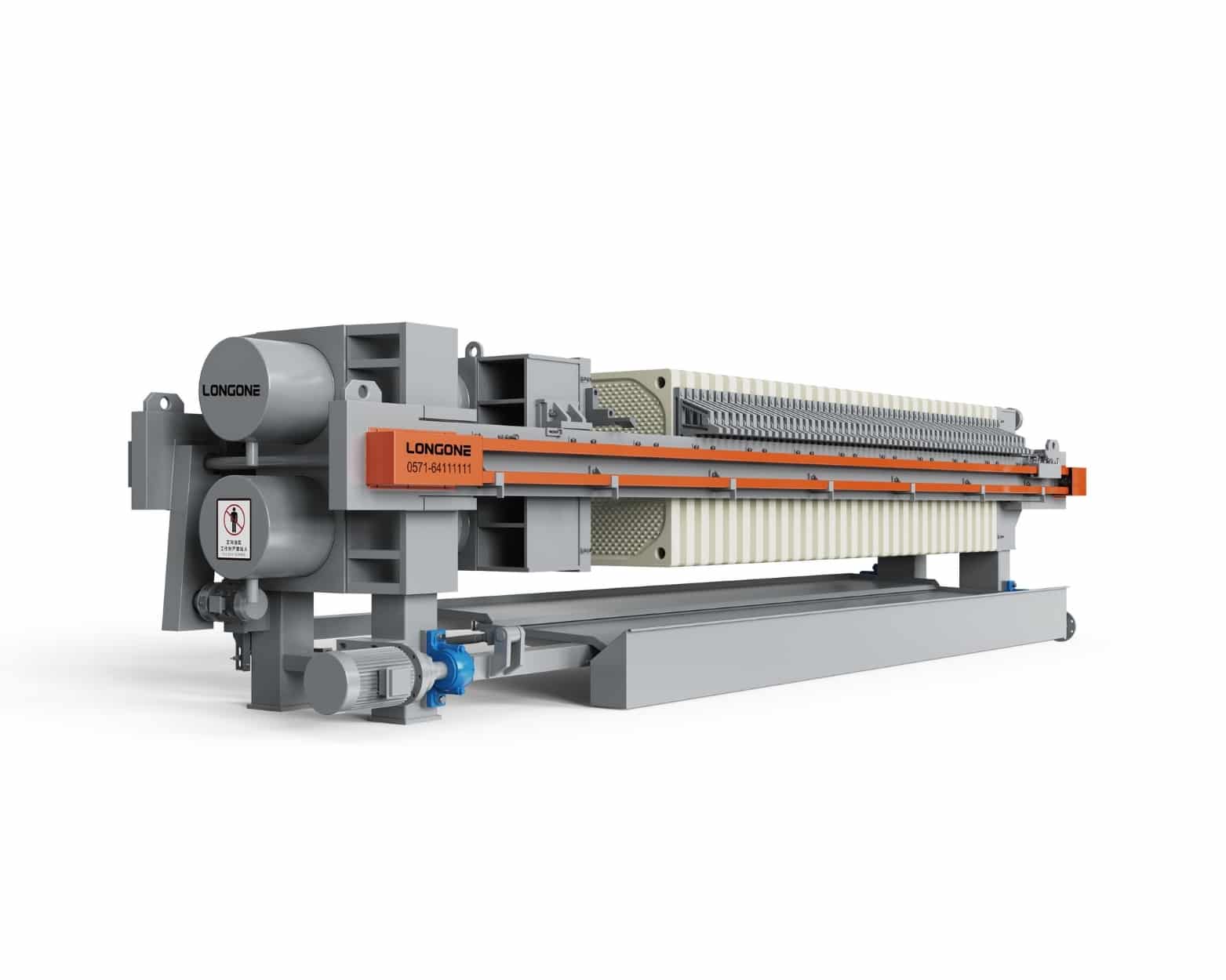
At its core, a filter press is a dewatering device. Its primary job is to take a liquid-heavy slurry and separate it into two distinct outputs: a clear liquid (filtrate) and a solid, dewatered block (filter cake). This makes it an indispensable piece of equipment in a vast range of industries, including:
- Mining and Mineral Processing: Dewatering mineral concentrates and tailings.
- Wastewater Treatment: Dewatering municipal and industrial sludge to reduce disposal volume.
- Chemical Manufacturing: Separating products from reaction mixtures and washing impurities from solids.
- Food and Beverage: Clarifying juices, filtering syrups, and processing waste streams.
Think of it as a highly efficient, industrial-strength coffee press. Instead of coffee grounds and water, you are dealing with industrial slurries. The goal is the same: to get the liquid out and leave the solids behind. As a manufacturer of these systems at LONGONE, I’ve seen them deployed in nearly every imaginable industrial environment, consistently proving their reliability.
What Is the Basic Working Principle of a Filter Press?
The core principle might seem straightforward, but the interplay between pressure, filter media, and the slurry itself is where the real work happens. Confusing these elements can lead to inefficiency and poor results.
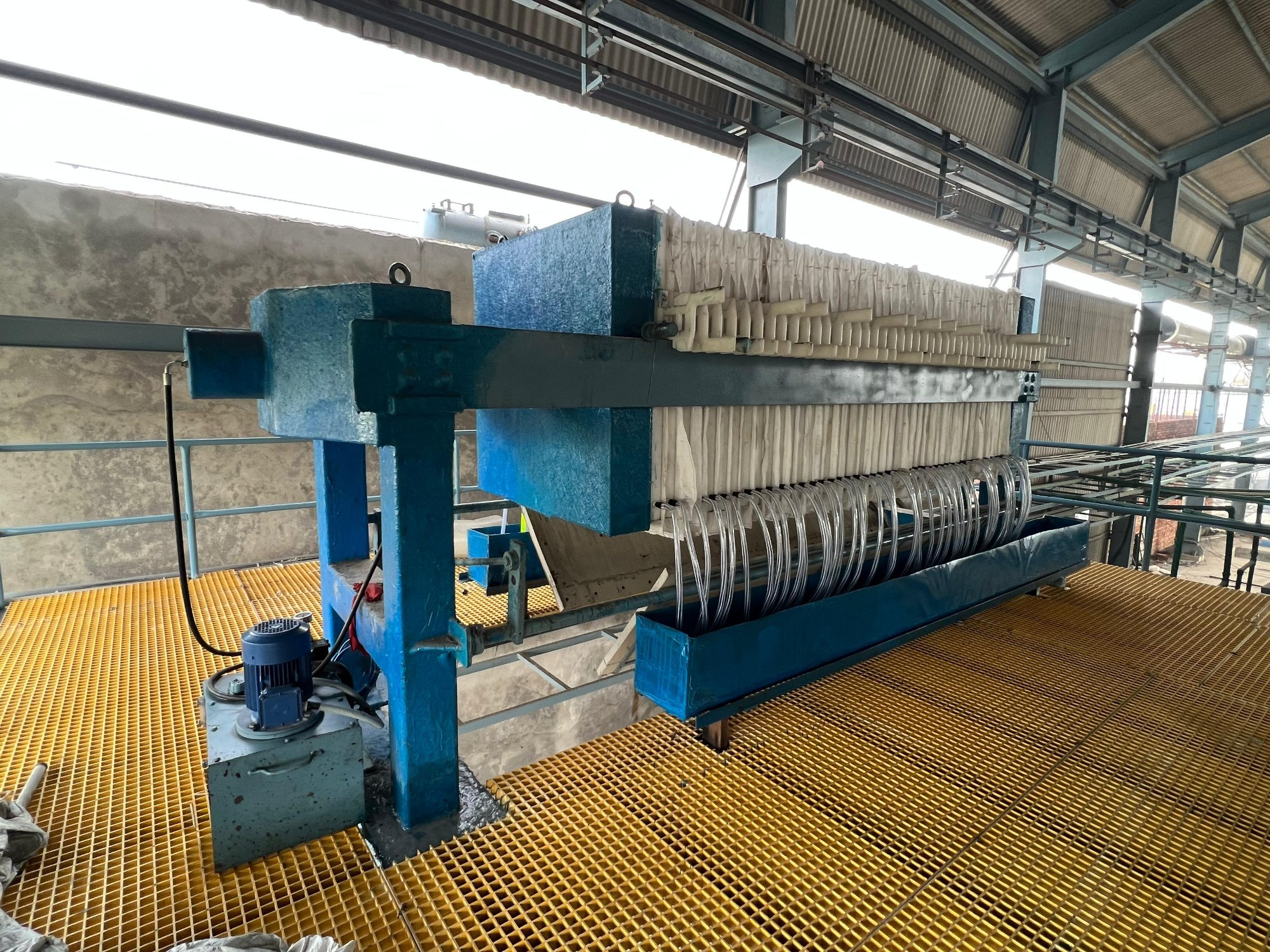
The working principle of a filter press is based on creating a pressure differential. A feed pump forces the slurry into the sealed chambers at high pressure. The filter cloth serves as the initial barrier, allowing the liquid filtrate to pass through its pores while retaining the solid particles. As these solids build up, they form a “filter cake,” which surprisingly becomes the primary filtering medium itself.
The Critical Role of the Filter Cake
It’s a common misconception that the filter cloth does all the work. In reality, the cloth is just the starting point. As the first layer of solids deposits onto the cloth’s surface, it forms a fine, porous layer. This initial layer, called the pre-coat, then begins trapping even finer particles from the slurry.
As filtration continues, this layer of solids—the filter cake—grows thicker. The cake itself becomes an incredibly effective, deep-bed filter. This is why the clarity of the filtrate often improves a few moments after the cycle begins. The system effectively builds its own perfect filter medium with every batch.
Understanding the Three Key Pressures
To truly understand how a filter press works, you must distinguish between the three different types of pressure involved. I often see new operators confuse them, which can lead to troubleshooting errors.
| Pressure Type | Purpose | Source | When It’s Used |
|---|---|---|---|
| Hydraulic Clamping Pressure | To seal the filter plate pack and prevent leaks. | Hydraulic Power Unit (HPU) | Throughout the entire cycle. |
| Slurry Feed Pressure | To pump slurry into the chambers and force liquid through the cloth/cake. | Slurry Feed Pump | During the filling and filtration stages. |
| Membrane Squeeze Pressure | (Optional) To mechanically squeeze the filter cake for further dewatering. | Water or compressed air | After the feed pump has stopped. |
- Hydraulic Clamping Pressure: This is the force that holds the machine together. A large hydraulic ram pushes the stack of filter plates, sealing them against each other with immense force. Its only job is to counteract the slurry feed pressure and prevent leaks between the plates.
- Slurry Feed Pressure: This is the “workhorse” pressure. It’s generated by an external pump that moves the slurry from a holding tank into the filter press chambers. This pressure is what drives the solid-liquid separation.
- Membrane Squeeze Pressure: This is an optional, secondary pressure used only in membrane filter presses. After the chambers are filled with cake, the feed pump stops. Then, water or air is pumped into a flexible membrane built into the filter plate, which inflates and physically squeezes the cake to remove even more liquid.
What Are the Detailed Steps in a Filter Press Working Cycle?
Knowing the theory is one thing, but seeing how it comes together in a practical, step-by-step process is another. Let’s walk through what a typical operational cycle looks like from start to finish.
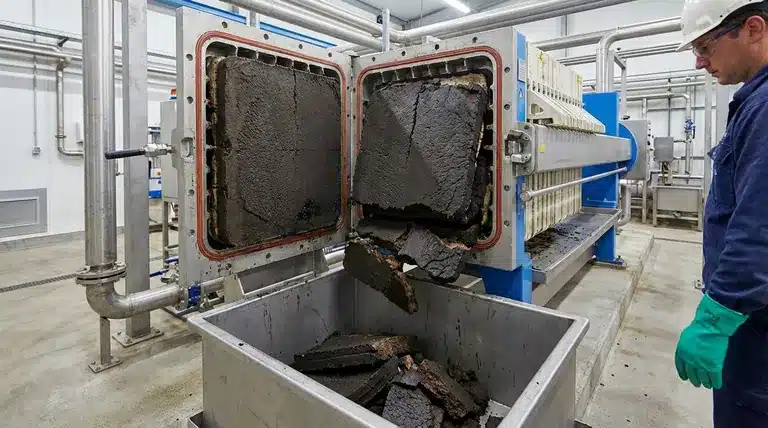
A standard filter press cycle consists of five primary stages: 1) Plate Closing and Clamping, 2) Slurry Feeding and Filtration, 3) End of Filtration, 4) Plate Opening, and 5) Filter Cake Discharge. These steps form a repeatable batch process that is the foundation of the machine’s operation.
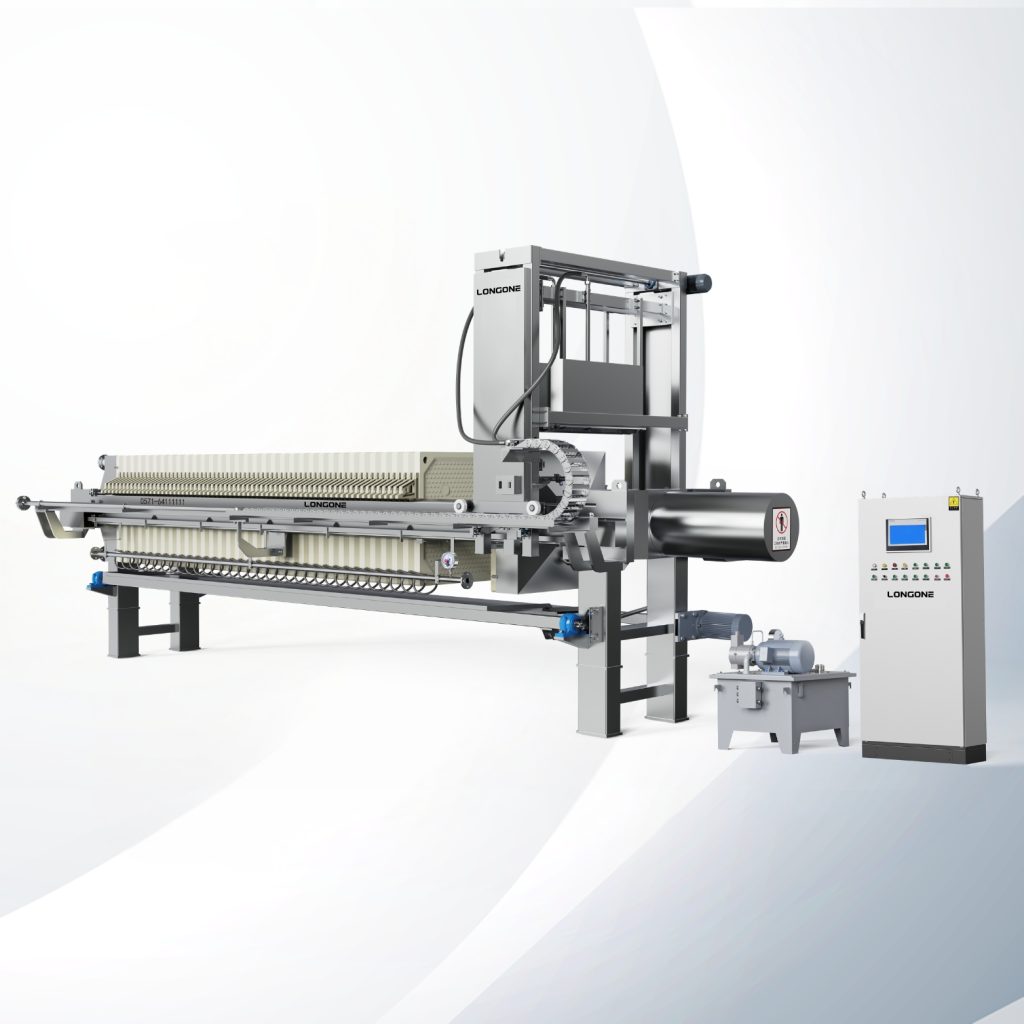
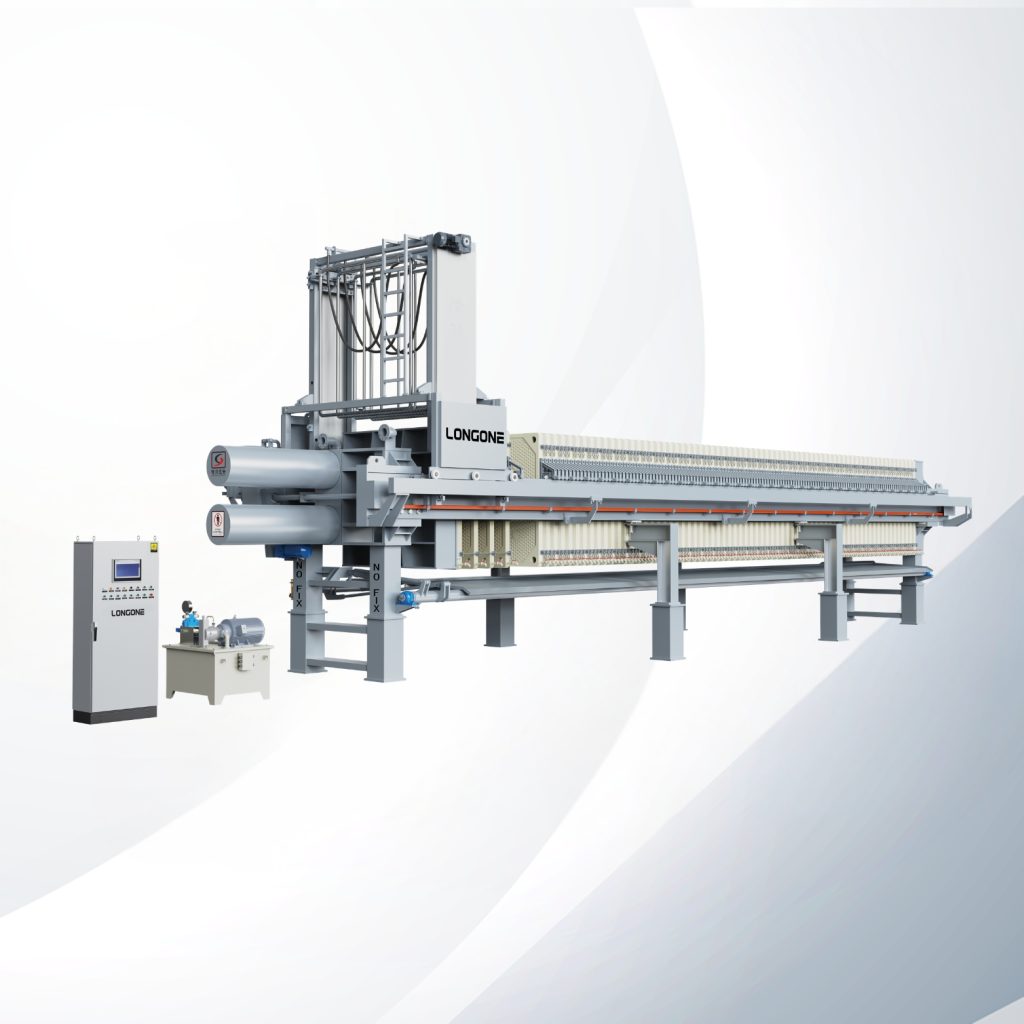
Modern presses, especially the fully automatic systems we build at LONGONE, manage this entire sequence with minimal operator intervention. Here’s a detailed breakdown of each step:
- Closing & Clamping: The cycle begins with the filter press empty and the plates separated. The hydraulic power unit is activated, driving the main hydraulic ram forward. This ram pushes the “movable head” of the press, which in turn compresses the entire pack of filter plates together against the “fixed head.” The system reaches a pre-set clamping pressure, ensuring a tight seal capable of withstanding the upcoming feed pressure.
- Feeding (Filling): Once the press is securely clamped, the slurry feed pump turns on. It begins pumping the slurry from a holding tank into the press through a central feed port (the “feed eye”) that runs through the center of every plate. The slurry flows from this central channel into each individual chamber.
- Filtration (Pressurization): As the chambers fill with slurry, the pressure inside the press begins to rise. This feed pressure forces the liquid in the slurry to pass through the filter cloth, travel through drainage channels on the plate surface, and exit the press as clear filtrate. The solids are too large to pass and are left behind. The feed pump continues to run, building pressure and forcing more liquid out until the chambers are completely packed with solid cake.
- Opening: Once the filtration stage is complete (more on how to determine this later), the feed pump shuts off. The hydraulic system then reverses, retracting the ram. This pulls the movable head back, decompressing the plate pack and creating space between each filter plate.
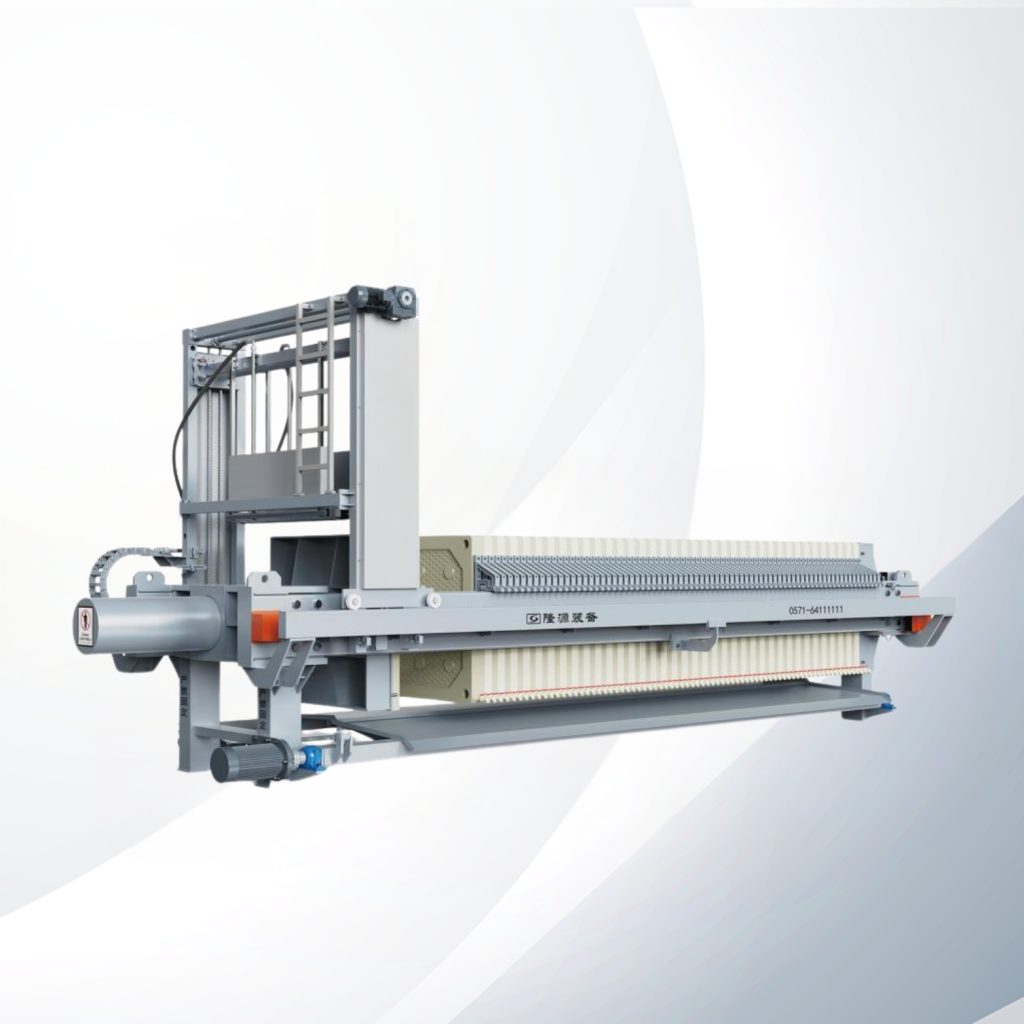
- Cake Discharge: With the plates separated, the solid, dewatered filter cakes are now free to fall out from the chambers. In many presses, gravity is sufficient. In automated systems, a plate-shifting mechanism separates each plate one by one, ensuring every cake is cleanly discharged onto a conveyor or into a hopper below. The press is now ready for the next cycle.
What Are the Optional Steps in a Filter Press Cycle?
The standard five-step cycle is the foundation, but what if you need an exceptionally pure cake or an even drier final product? This is where optional process stages become a game-changer for many applications.
Beyond basic filtration, several optional processes can significantly enhance the results. The most common include cake washing to remove soluble impurities, membrane squeezing to achieve maximum mechanical dewatering, and air blowing to purge residual liquid from the cake and piping.
These steps are integrated into the main cycle, usually after the initial filtration phase is complete but before the plates are opened.
Filter Cake Washing
In applications like chemical or pharmaceutical production, the solid cake is often the valuable product, but it might contain residual liquids (mother liquor) with impurities. A cake wash is used to purify it.
- How it works: After the cake is formed, the slurry feed is stopped. A wash liquid (typically water) is then pumped into the press, flowing through the same feed channels. This liquid percolates through the entire filter cake, displacing the original mother liquor and washing out soluble impurities. The “wash filtrate” is often collected separately from the initial filtrate.
Membrane Squeezing
This is the key feature of a membrane filter press. It provides a mechanical squeeze to dewater the cake far beyond what feed pressure alone can achieve.
- How it works: This stage occurs after the feed pump has stopped. The filter plates in a membrane press have a flexible, inflatable surface (the membrane). High-pressure water or compressed air is pumped behind this membrane, causing it to expand and physically compress the filter cake in the chamber. This action wrings out a significant amount of additional liquid, resulting in:
- Drier filter cakes: Lowering disposal costs or improving product quality.
- Shorter cycle times: The feed cycle can be stopped earlier, as the squeeze will complete the dewatering.
Air Blowing / Core Blowing
This is a simple but effective step to remove residual liquid before opening the press.
- How it works: Compressed air is blown into the press. This can be done in two ways:
- Cake Air Blow: Air is forced through the cake itself, pushing out trapped liquid and further drying the cake.
- Core Air Blow: Air is blown only through the central feed channel to purge any remaining slurry. This prevents a messy “core dump” when the press opens.
These optional steps add versatility, allowing a single machine to meet a wide range of process goals.
What Key Factors Influence How a Filter Press Works?
Why does the same filter press perform brilliantly on one slurry but struggle with another? The machine’s performance is not determined by the hardware alone; it’s a dynamic interplay of many variables.
The overall performance of a filter press is heavily influenced by four areas: slurry characteristics, the filter media selection, key operating parameters, and any pre-treatment of the slurry. Optimizing these factors is essential for efficient operation.
Let’s dive into these factors:
- Slurry Properties: This is the biggest variable.
- Solids Content: A higher solids percentage generally leads to shorter cycles because the chambers fill faster.
- Particle Size & Shape: Fine, slimy, or colloidal particles are much harder to dewater than coarse, crystalline particles. They can easily blind the filter cloth.
- Viscosity & Temperature: A more viscous slurry requires more pressure to pump and filter. Heating a slurry can sometimes lower its viscosity and improve filtration rates.
- Filter Cloth Selection: Choosing the right filter cloth is as important as choosing the right press. The material (e.g., polypropylene, polyester), weave pattern, and air permeability must be matched to your specific particles to prevent blinding (clogging) and ensure a clear filtrate. At LONGONE, a significant part of our consultation process involves helping customers select the perfect cloth.
- Operating Parameters:
- Feed Pressure: A higher feed pressure can speed up filtration, but as discussed, applying it too quickly can be counterproductive.
- Chamber Depth: Deeper chambers (e.g., 32-50mm) hold more cake per cycle, increasing throughput per batch. However, they can also lead to longer cycles and potentially wetter cakes if not filled completely.
- Slurry Conditioning: Sometimes, the slurry itself must be altered. Chemical conditioning involves adding polymers (flocculants) or coagulants that cause fine particles to clump together into larger aggregates. These larger “flocs” are much easier to dewater, dramatically improving filtration speed and final cake dryness.
How Do You Choose the Right Filter Press for Your Needs?
With so many configurations available—chamber, membrane, automatic, manual—selecting the right press can feel overwhelming. Making the wrong choice is a costly capital mistake that can impact your operation for years.
Choosing the right filter press begins with a thorough analysis of your slurry, a clear definition of your process goals (e.g., target cake dryness, throughput requirements), and a realistic assessment of your desired automation level. The two primary types to consider are the workhorse chamber filter press and the high-performance membrane filter press.
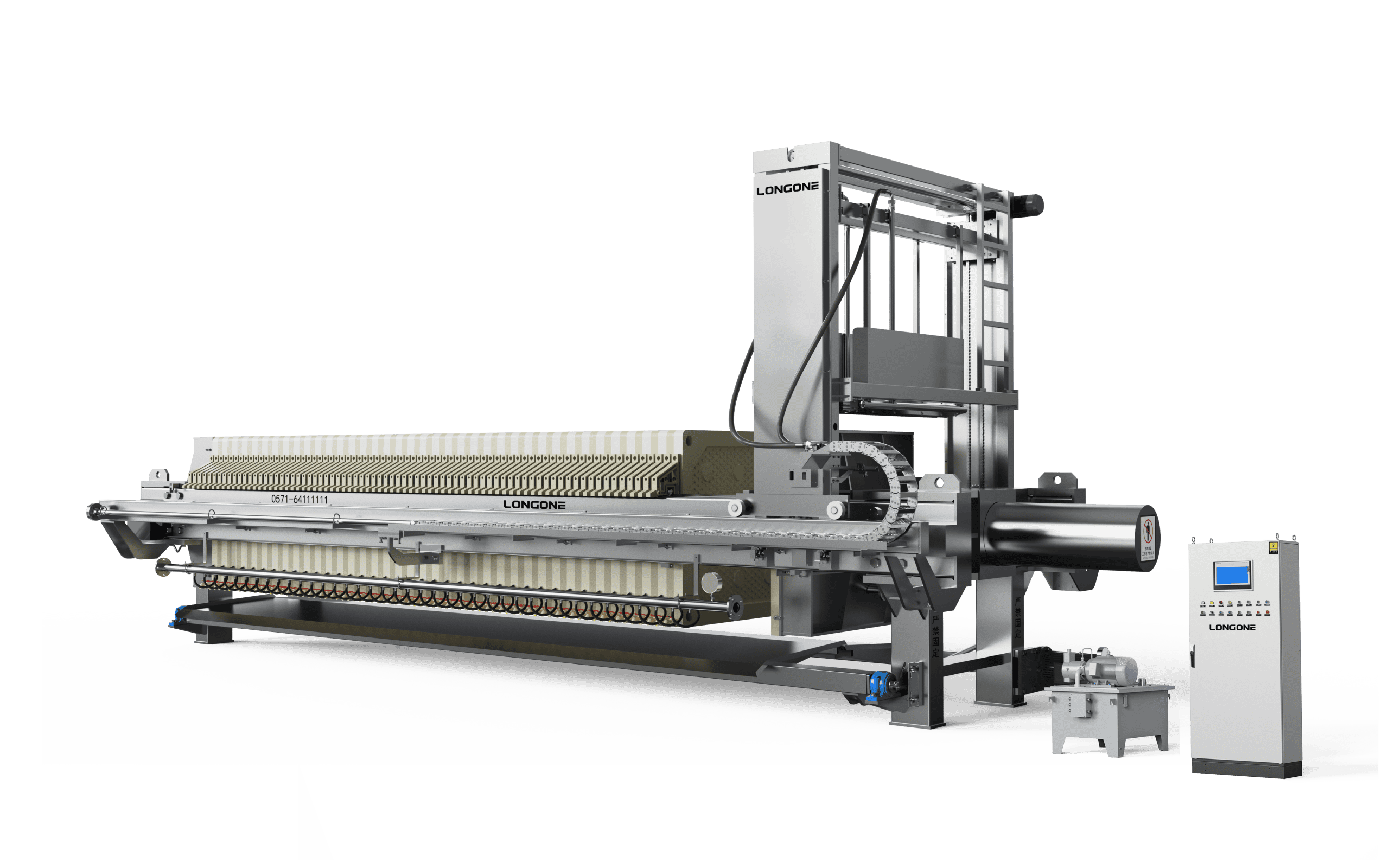
Chamber vs. Membrane Filter Press
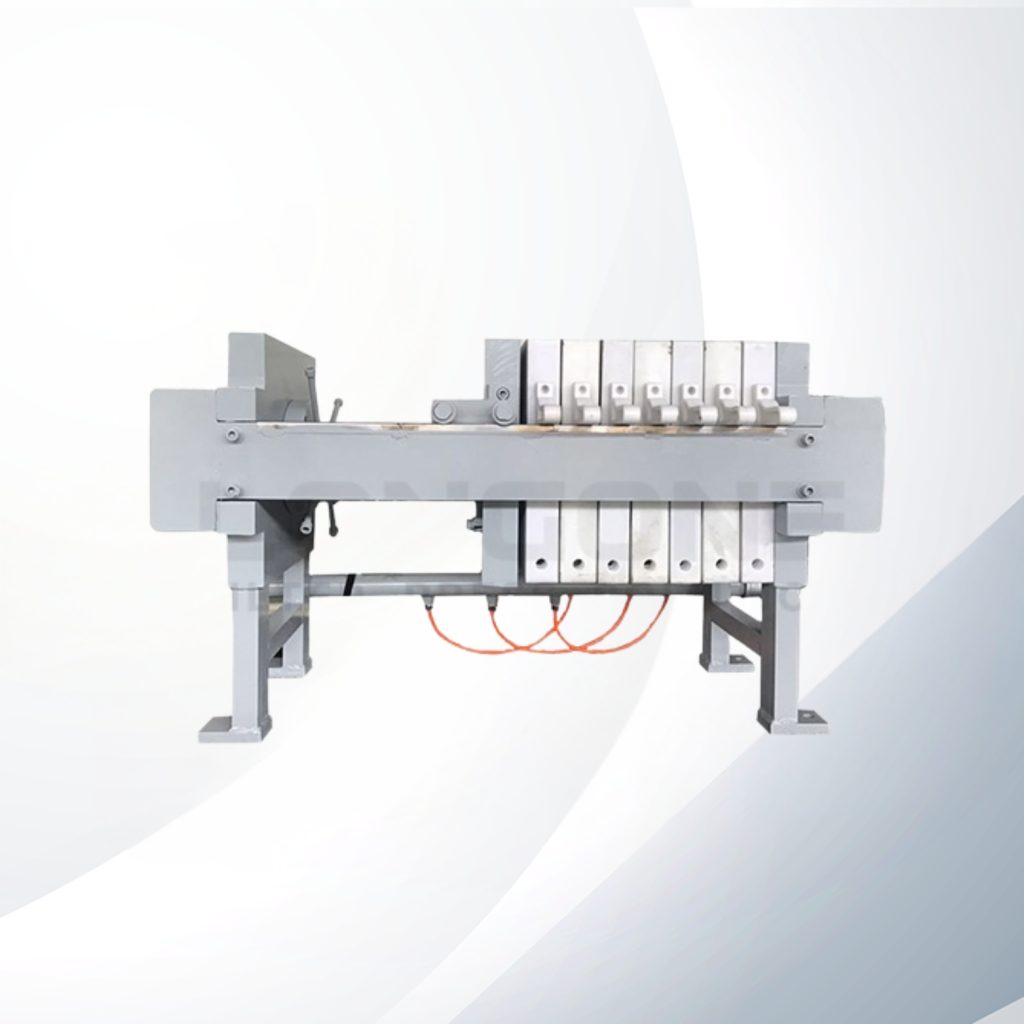
- Chamber Filter Press: This is the most common and cost-effective type. It uses standard recessed plates and is a reliable choice for a wide range of dewatering applications. It’s perfect when achieving a good, handleable solid is the main goal, and absolute minimum moisture content isn’t the top priority.
- Membrane Filter Press: This press costs more initially but offers significant advantages. By adding the membrane squeeze step, it produces substantially drier cakes. This is critical when disposal costs are high (since you’re paying by weight) or when the cake itself is a valuable product that needs to be as dry as possible. The squeeze function also often leads to shorter overall cycle times.
Sizing and Automation
Sizing a press is not about its physical footprint; it’s about its processing capacity. Sizing is typically calculated based on the weight of dry solids you need to process per hour or per day.
Automation is the other key consideration:
- Manual: Operator manually closes, opens, and discharges cakes. Best for very small operations.
- Semi-Automatic: Features powered hydraulics and often a plate shifter, but still requires operator oversight.
- Fully Automatic: Systems like the ones LONGONE specializes in handle everything: clamping, filling, washing, squeezing, opening, cake discharge, and even automatic filter cloth washing. This minimizes labor, ensures cycle consistency, and maximizes safety.
The best way to make a decision is to test your own slurry. We always advise customers to conduct a lab-scale or pilot-scale test to gather real data on filterability, cake dryness, and cycle time.
Final Thoughts
To summarize, a filter press is a powerful machine that uses pressure to achieve highly efficient solid-liquid separation. The process hinges on a repeatable cycle of clamping, feeding, filtering, opening, and discharging the resulting filter cake. While the filter cloth initiates the separation, the true filtration work is done by the filter cake itself as it builds within the chambers. A deep understanding of how does a filter press works, including the different pressures involved and the key performance factors, transforms it from a simple piece of equipment into a sophisticated tool for optimizing your process, reducing costs, and meeting your production goals.