Cloudy filtrate, wet cake and leaking plates usually point to the same root problem: the filter press is not matched to the slurry it is filtering. Before you can fix that, or choose the right machine, you need to understand how the equipment actually works.
The plate and frame filter press working principle is straightforward. Slurry is pumped under pressure into sealed chambers, filter cloth holds the solids back, and clear liquid passes through. What decides real-world performance is how well each component works with the others.
This guide explains the principle from a manufacturer’s point of view: what happens inside the press, which factors control efficiency, and how to match a machine to your application.
What Is a Plate and Frame Filter Press and How Does It Work?
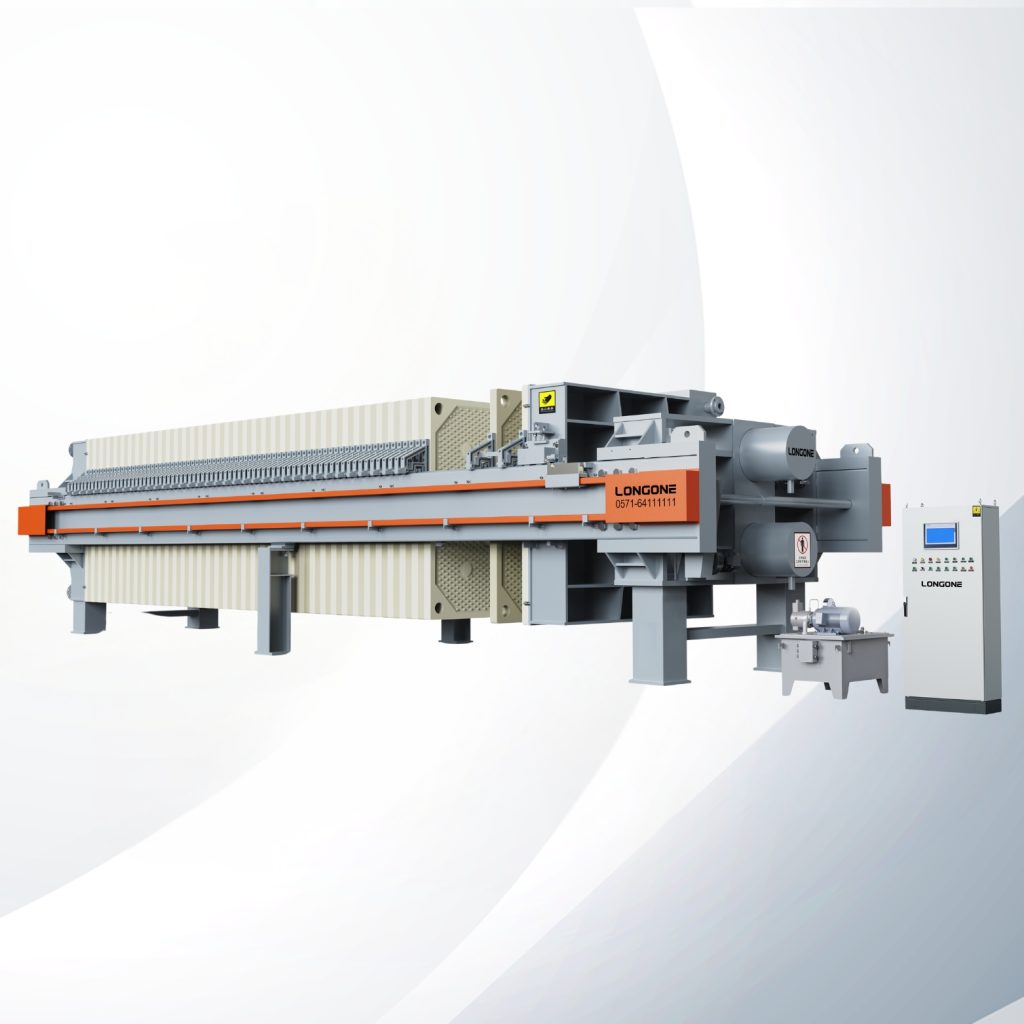
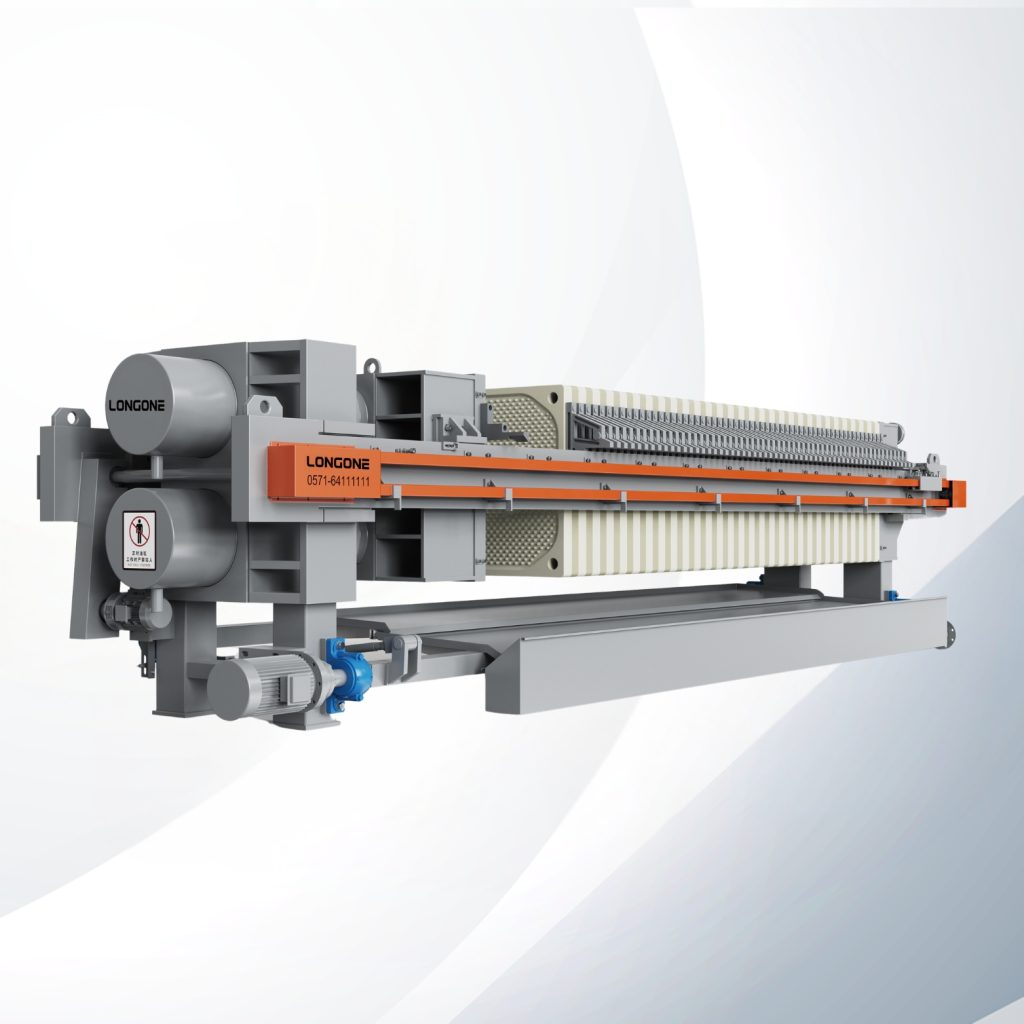
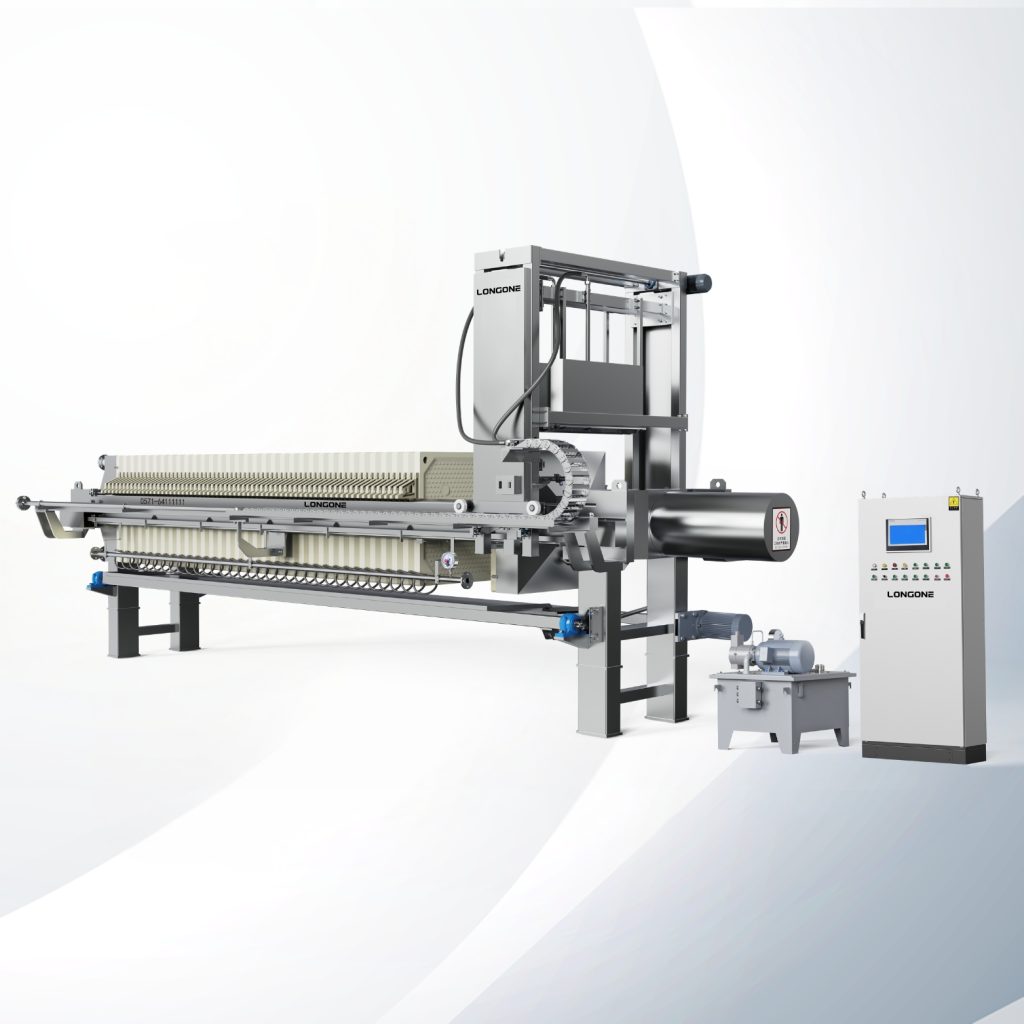
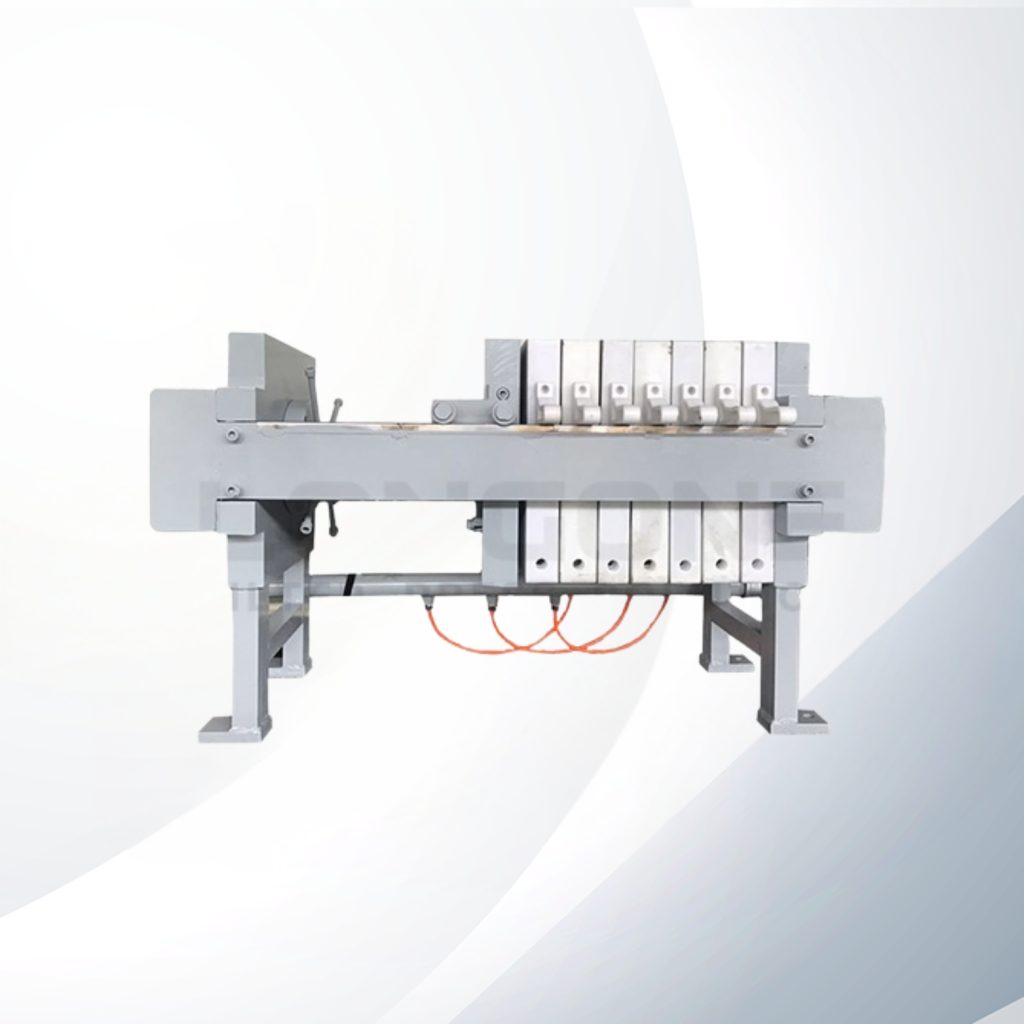
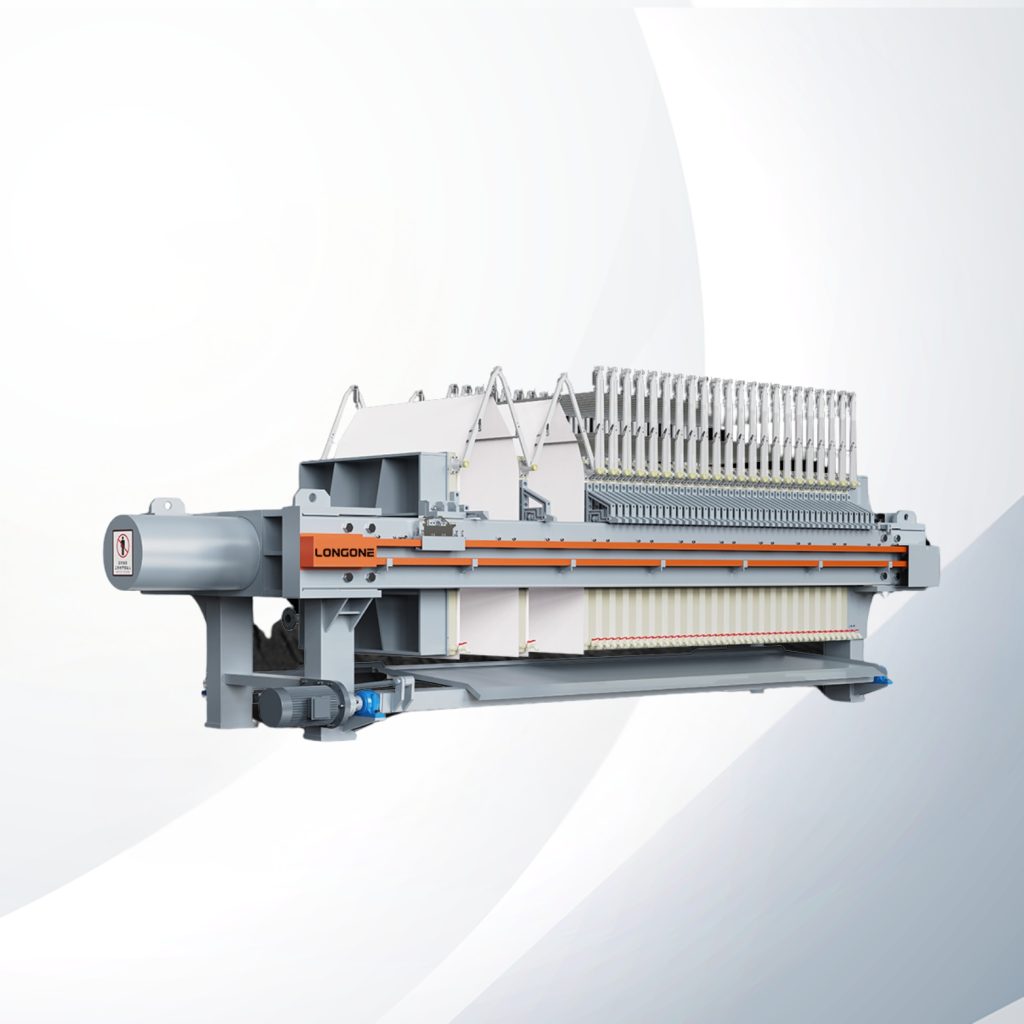
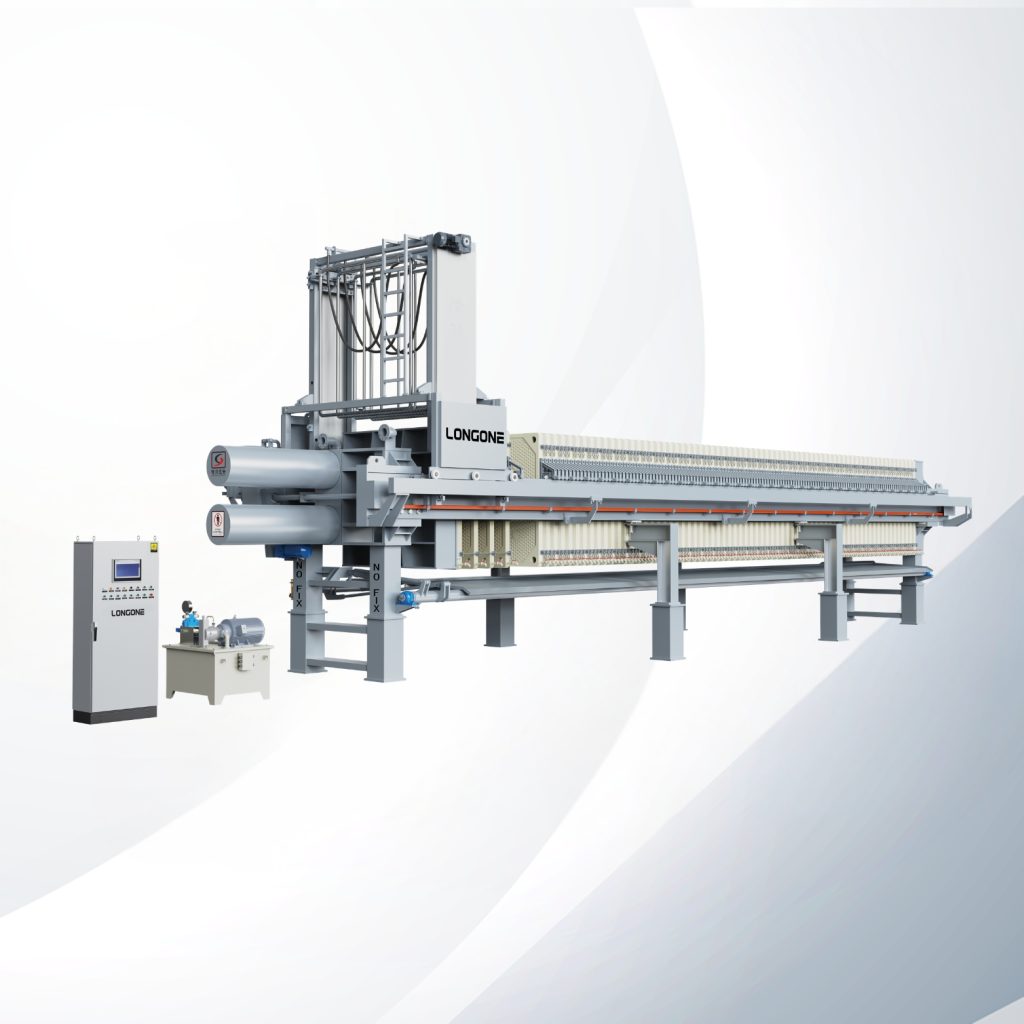
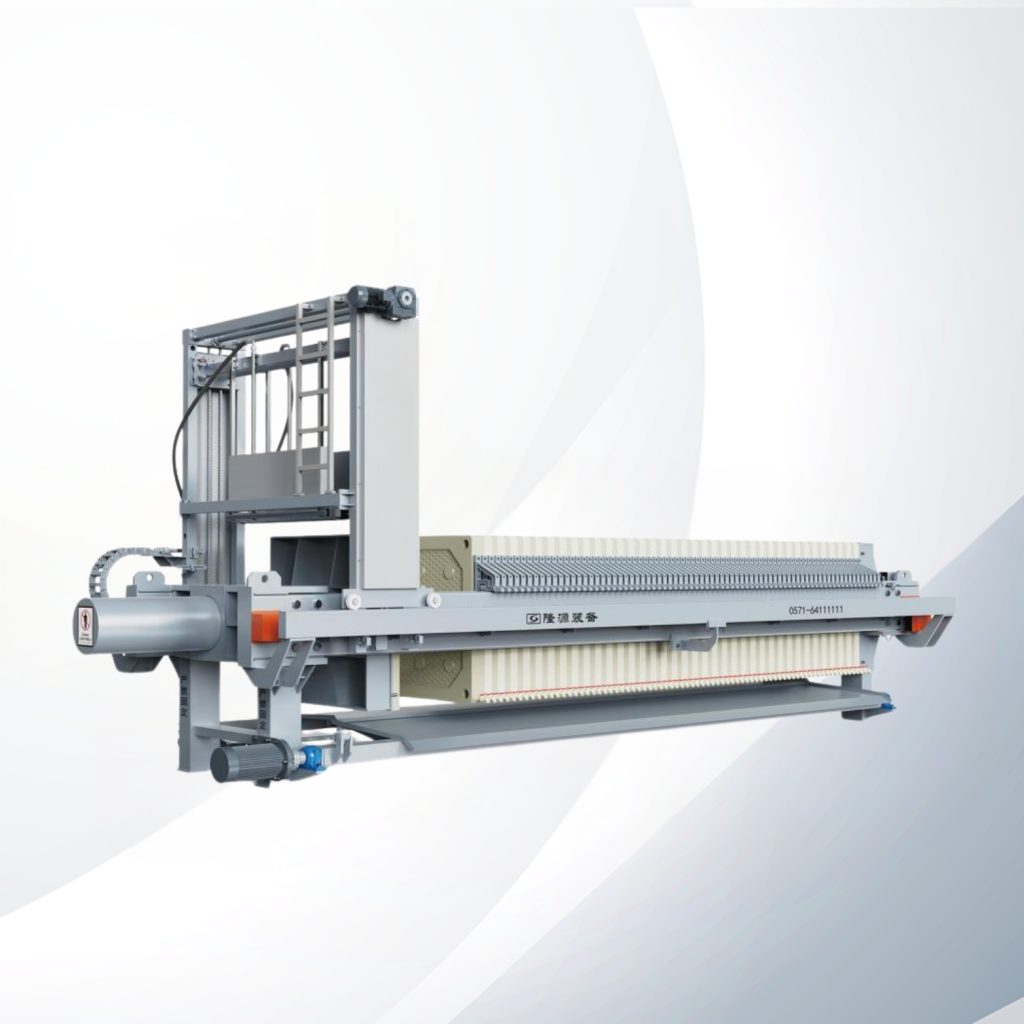
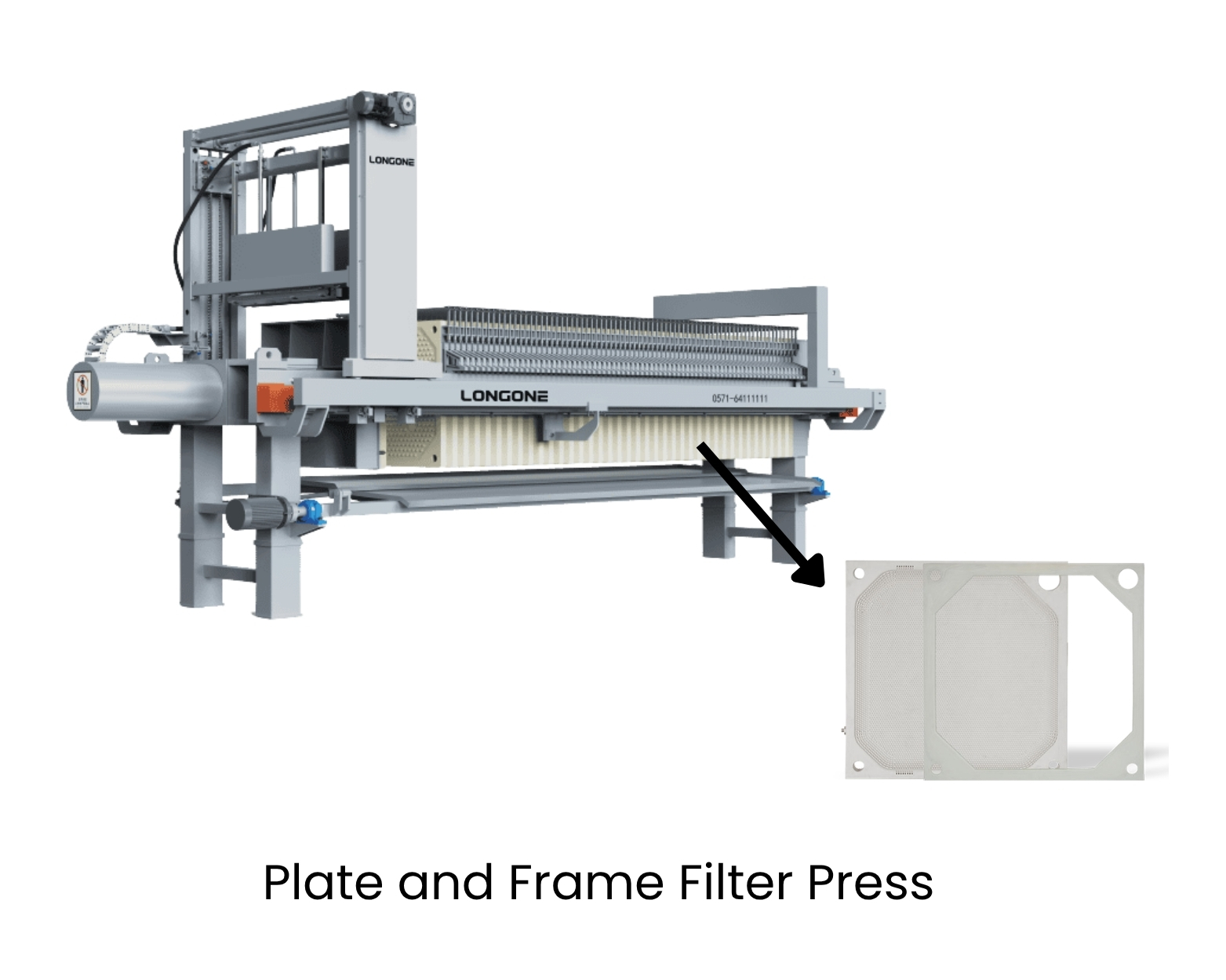
A plate and frame filter press is a batch solid-liquid separation machine. It consists of alternating filter plates and hollow frames, covered with filter cloth and pressed together between a fixed head and a movable follower. When the stack is closed, each frame forms a chamber with a plate on either side.
In simple terms, the machine works in four actions:
- The slurry is pumped into the chambers.
- The filter cloth captures the solid particles.
- The filtrate flows through the cloth and out of the machine.
- The solids stay behind as a filter cake, which is removed when the press opens.
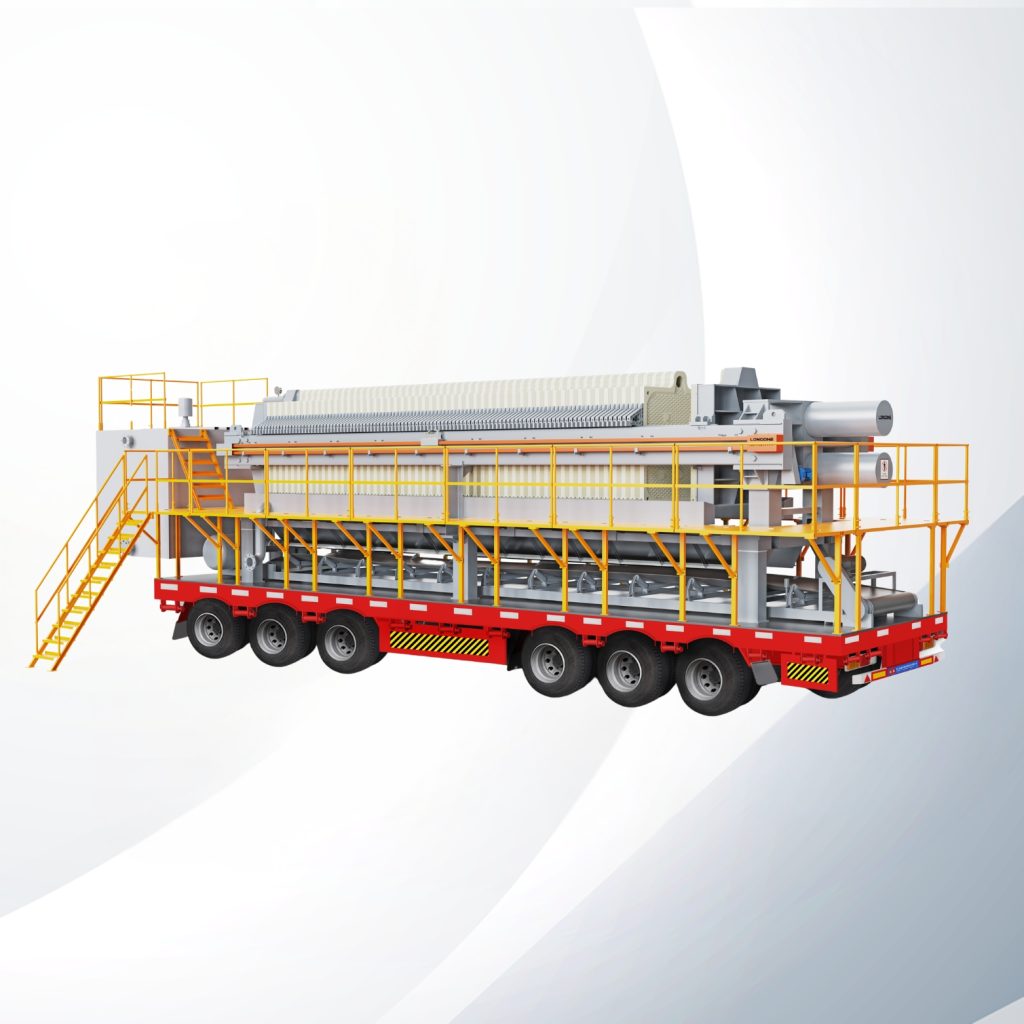
This design is widely used in mining and mineral processing, chemical production, food and beverage, pharmaceuticals, ceramics and wastewater treatment. Wherever a plant needs a dry, handleable cake or very clear filtrate, a plate and frame filter press is a common choice.
Its strengths are a simple structure, adaptability to many slurry types, and the ability to produce thick cakes and wash them in place. This is why the design has remained in service for generations.
Key Components That Drive the Filtration Process
Each part of the press has a specific job, and a weakness in any one of them shows up in the final result.
Filter plates. The plates carry the filter cloth and have a grooved or studded surface. This surface supports the cloth and creates drainage channels that guide filtrate to the outlet. Plate flatness and sealing-surface precision directly affect leakage. We mainly manufacture plates from reinforced polypropylene because it combines chemical resistance, light weight and good mechanical strength.
Filter frames. The frame is the hollow spacer between two plates. Its thickness sets the chamber volume and therefore the maximum cake thickness. Thicker frames suit applications that need large cake capacity or cake washing.
Filter cloth. The cloth is the actual filtering medium. Its material, weave and permeability decide which particles are captured and how quickly liquid passes through.
Frame and closing system. The frame holds the plate pack, while a manual screw, mechanical jack or hydraulic cylinder applies closing force. Closing force must be high enough to keep the plates sealed against feed pressure.
Feed pump. The pump delivers slurry to the chambers and generates the filtration pressure. Its type and control method affect how smoothly the cake forms.
When these five elements are matched, the press runs reliably. When they are not, problems such as leakage, short cloth life and uneven cakes appear.
Step-by-Step Working Principle: From Feeding to Cake Discharge
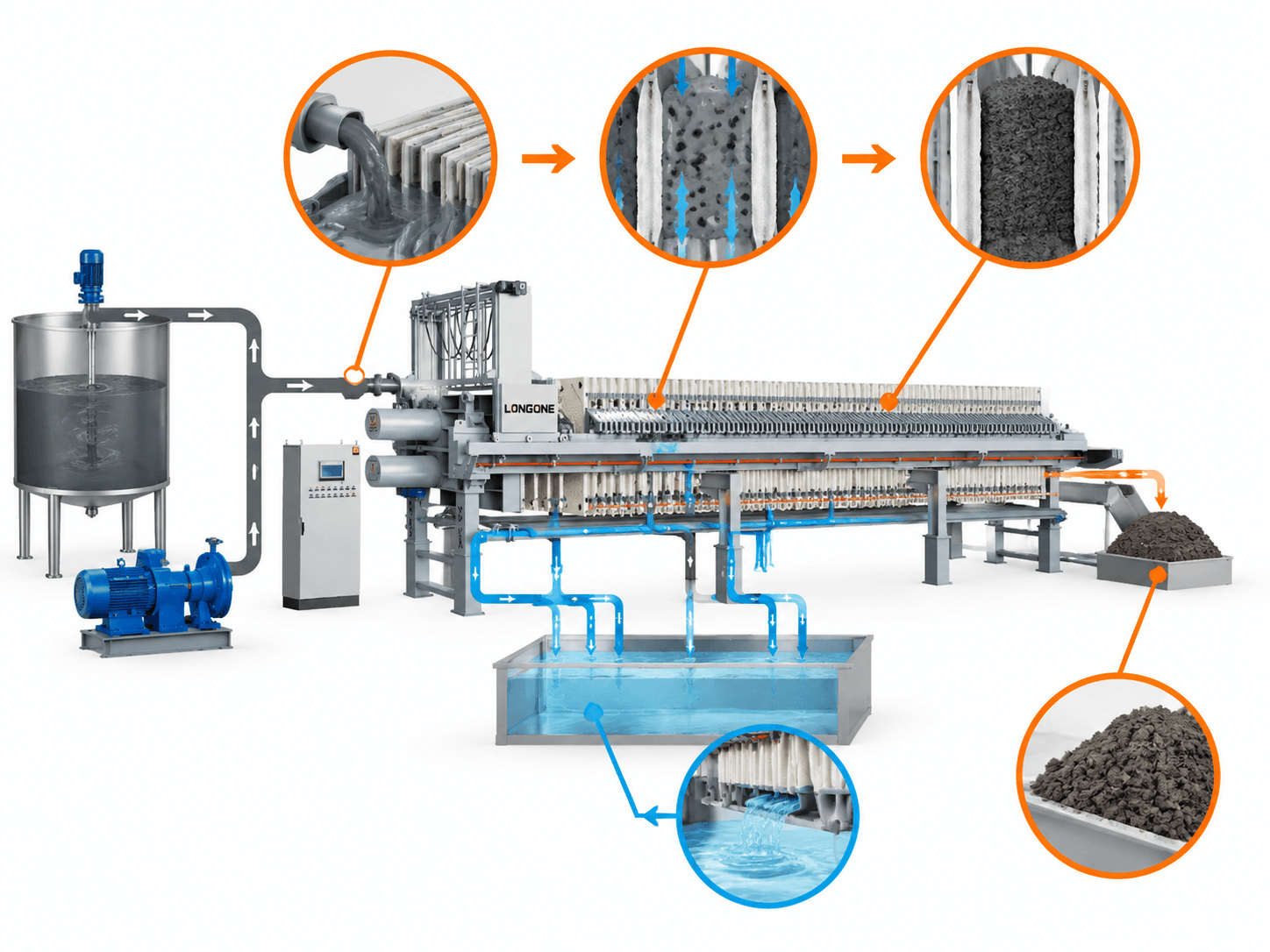
A complete filtration cycle follows a clear sequence:
- Closing. The movable follower pushes the plates and frames together, and the closing system holds the pack sealed.
- Feeding. The pump sends slurry through the feed port into the chambers formed by the frames and plates.
- Filtration and cake formation. Pressure forces liquid through the filter cloth while solids accumulate on the cloth surface. The filtrate runs along the drainage grooves of the plates and leaves through the outlet ports.
- Cake washing (optional). When the process requires it, wash liquid is pumped through the cake to displace remaining filtrate or dissolved impurities. This is useful for recovering valuable products or reducing contamination.
- Air blowing (optional). Compressed air can be blown through the cake to push out additional moisture and produce a drier cake.
- Opening and discharge. The follower retracts, the plates are separated one by one, and the cake drops out by gravity or is released with light assistance. The cloth is inspected or cleaned, and the next cycle begins.
One detail matters here: the cake itself becomes a secondary filter layer. As it builds, it traps finer particles that the cloth alone would let through. For this reason filtrate often becomes clearer as the cycle progresses, and early cloudiness is not always a sign of failure.
The cycle is considered complete when the chambers are full of cake and the filtrate flow drops to a very low rate. The time this takes depends heavily on particle size, solids concentration and feed pressure.
Pressure, Flow and Filter Cloth: What Controls Filtration Efficiency
Understanding the principle is one thing. Getting consistent results in daily operation is another. Three variables do most of the work.
Feed pressure and flow
Higher pressure speeds up filtration, but only up to a point. If pressure rises too fast at the start, fine particles are driven into the cloth before a stable cake layer has formed. This is called blinding, and it shortens cloth life and slows later cycles. A gradual pressure ramp, with a lower initial flow, usually gives a more open and permeable cake structure.
Standard polypropylene plate and frame presses are typically operated at moderate pressure levels, with the exact rating depending on plate design and closing force. Always run within the rated pressure of your equipment.
Filter cloth selection
Cloth choice is one of the most underestimated decisions. If the openings are too large, the filtrate is cloudy and solids are lost. If they are too tight, filtration is slow and the cloth blinds quickly. Material compatibility also matters, since the cloth must resist the chemistry and temperature of your slurry.
Slurry characteristics
Particle size distribution, solids concentration, viscosity and compressibility all change how a cake forms. Highly compressible materials, for example, can form dense, resistant layers under pressure and may need lower pressure or a filter aid.
Common efficiency problems we see
From our experience supplying customers in mining, chemical, food and wastewater applications, most complaints trace back to a short list of causes:
- Insufficient closing force, which causes leakage between plates.
- Feed pressure that rises too quickly, which blinds the cloth.
- Cloth that does not match the slurry.
- Worn or deformed plates, which lead to uneven cake and difficult discharge.
Regular plate inspection and cloth cleaning solve a large share of these issues before they affect production.
Advantages and Limitations of the Plate and Frame Design
No filtration technology is right for every job. The plate and frame design offers clear benefits and some trade-offs.
Advantages
- Simple, robust construction that is easy to understand and maintain.
- Thick cake capacity, which suits slurries with higher solids content.
- Cake washing capability for product recovery or purity requirements.
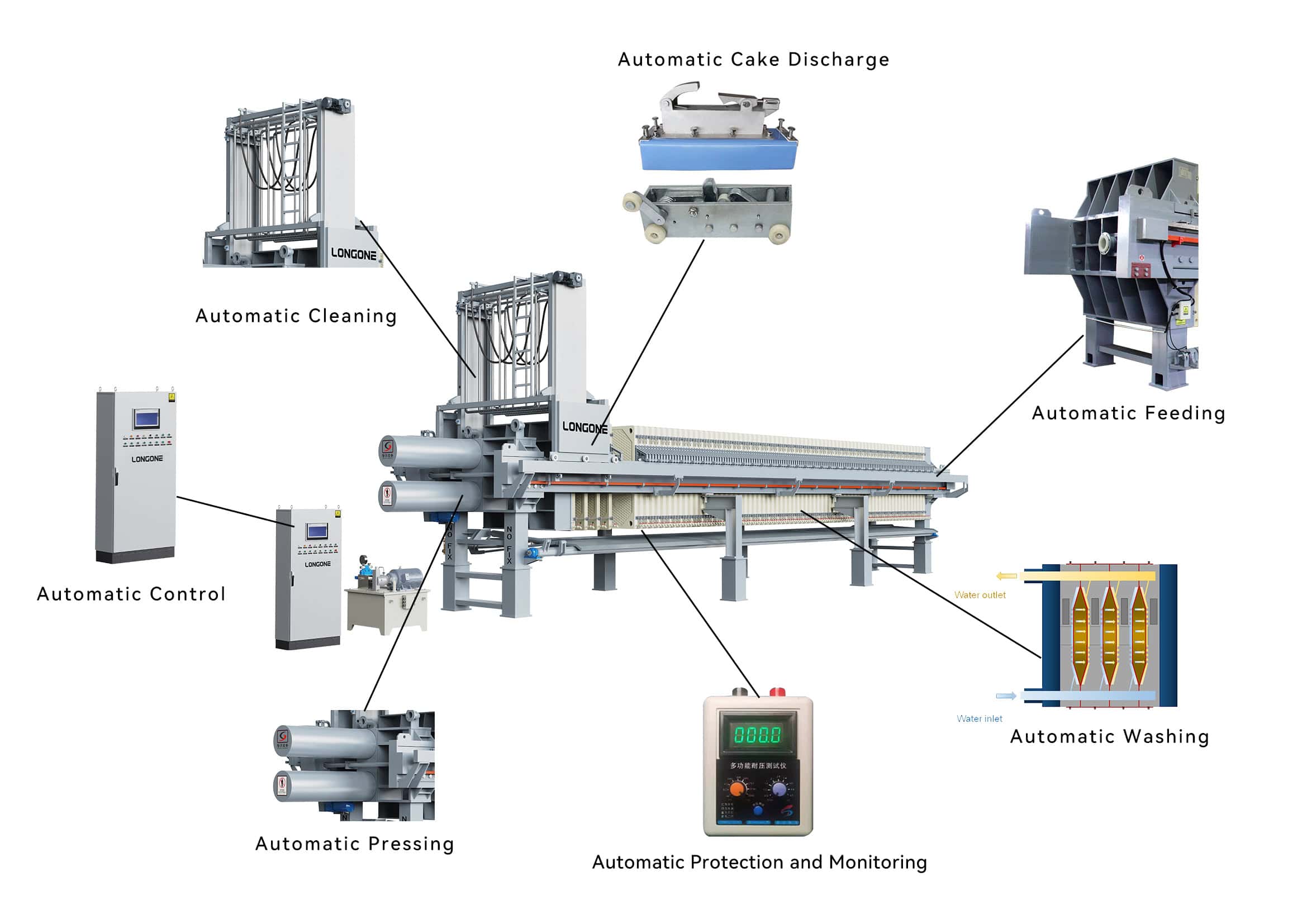
- Flexible configurations, from manual to fully automatic operation.
- Generally lower investment than more complex automated systems.
Limitations
- Batch operation means downtime between cycles.
- Manual versions require more labor for plate shifting and cake discharge.
- Cycle time can be longer for difficult slurries.
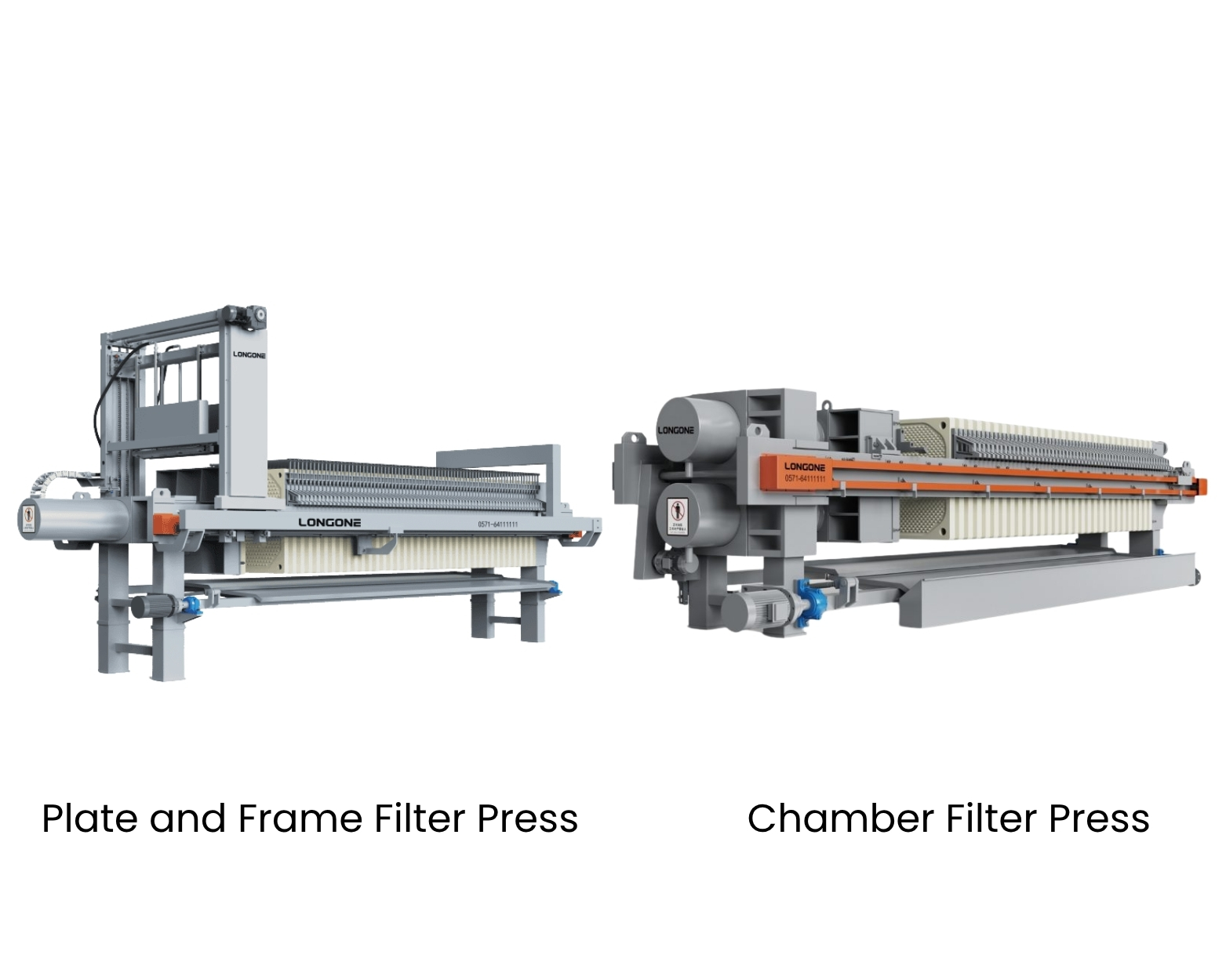
The table below shows how it compares with a recessed chamber filter press, which is the other common design.
| Feature | Plate and Frame Filter Press | Recessed Chamber Filter Press |
|---|---|---|
| Chamber formation | Separate plates and frames | Recessed plates form chambers directly |
| Cake thickness | Flexible through frame thickness | Fixed by plate recess depth |
| Cake washing | Well suited | Possible with specific plate designs |
| Number of components | More parts | Fewer parts |
| Leakage points | More sealing surfaces | Fewer sealing surfaces |
| Typical use | Applications needing thick cakes or washing | High-throughput and automated operation |
| Automation | Manual to automatic available | Commonly automated |
In practice, plate and frame designs are often chosen when cake washing or thick cakes are a priority. Recessed chamber designs are often preferred when throughput and automation matter most.
How to Choose the Right Plate and Frame Filter Press for Your Application
Selecting a machine by filtration area or price alone often leads to disappointment. A better approach is to work through the application in a clear order.
1. Define the slurry. Gather particle size, solids concentration, pH, temperature and chemical composition. These determine plate material, cloth type and pressure requirements.
2. Set the target result. Decide what matters most: cake dryness, filtrate clarity, product recovery through washing, or maximum throughput.
3. Calculate capacity. Estimate daily slurry volume and dry solids load, then size the filtration area and chamber volume to fit the cycle time you can accept.
4. Choose the automation level. Manual, semi-automatic and fully automatic versions change labor cost and cycle time significantly. Consider your operating hours and available workforce.
5. Confirm materials and pressure rating. Make sure plates, frames, cloth and seals are compatible with your process conditions and operating pressure.
6. Plan for service. Check availability of spare plates, cloth and technical support before you buy, since these affect long-term operating cost.
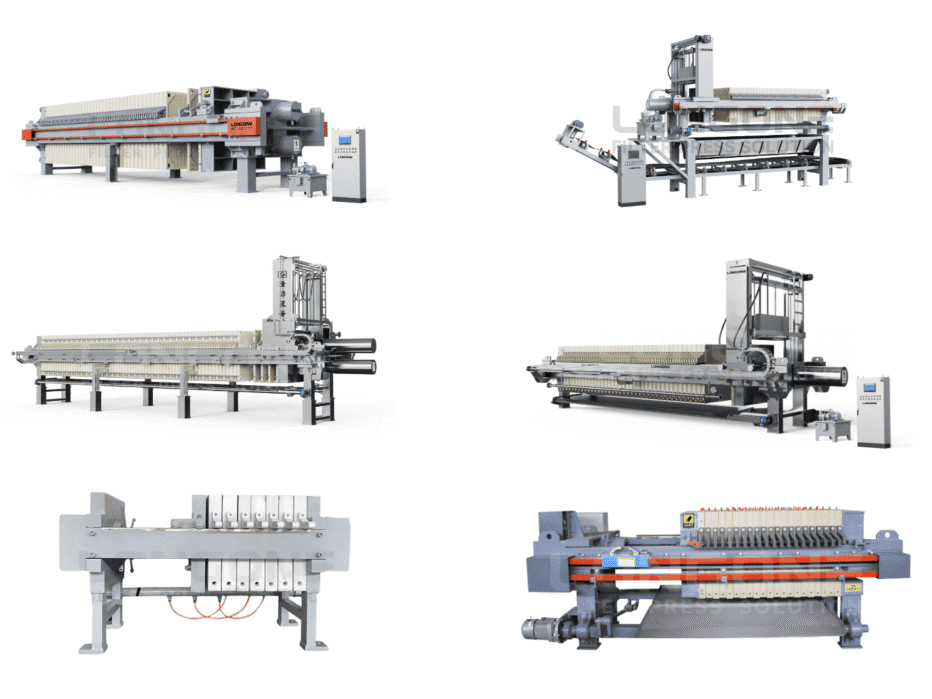
If you want a second opinion on plate selection or a configuration for your slurry, our engineering team at LONGONE can review your process data and suggest a suitable setup. You can reach us through the contact page for a quote or technical advice.
Conclusion
The plate and frame filter press working principle comes down to a reliable sequence: close the pack, feed the slurry, build the cake, wash or dry if needed, then open and discharge. Behind that simple sequence sits a system of plates, frames, cloth, closing force and feed pressure, and the best results come from matching all of them to your slurry.
Understanding these relationships helps you troubleshoot problems faster, extend component life and choose equipment with confidence. When you evaluate machines, start with your slurry and your target result, and let those guide the specification.
FAQ
What pressure does a plate and frame filter press operate at?
Operating pressure depends on the plate material, plate design and closing force of the specific machine. Standard polypropylene plate and frame presses typically work at moderate pressure, and the manufacturer’s rated pressure should never be exceeded. The right working pressure for your process also depends on the slurry, and it is best to start low and increase gradually.
How long is a typical filtration cycle?
Cycle time varies widely. Easily filtered materials may finish in a short time, while fine or compressible slurries can take considerably longer. The cycle includes feeding, filtration, optional washing and air blowing, and discharge. A trial on your own slurry gives the most reliable estimate.
Can a plate and frame filter press wash the cake?
Yes. Cake washing is one of the main strengths of the design. Wash liquid is pumped through the formed cake to displace filtrate or remove soluble impurities, which is useful when the solid product has value or must meet purity requirements.