A slurry problem that appears at several tanks, or on a jobsite that will be closed within a few weeks, rarely justifies a permanent filter press installation. Yet a portable unit that is poorly specified can cost more in downtime, wet cake, and rework than a fixed press would have cost in capital. The difference between a portable press that earns its place and one that sits idle usually comes down to a handful of engineering decisions made before the purchase order is signed.
This guide explains how a portable filter press works, how it differs from other mobile and fixed configurations, where it makes sense, and what to check before you buy. It is written from a filter press manufacturer’s point of view, for engineers and procurement managers who need to compare options on technical grounds.
What Is a Portable Filter Press and How Does It Work?
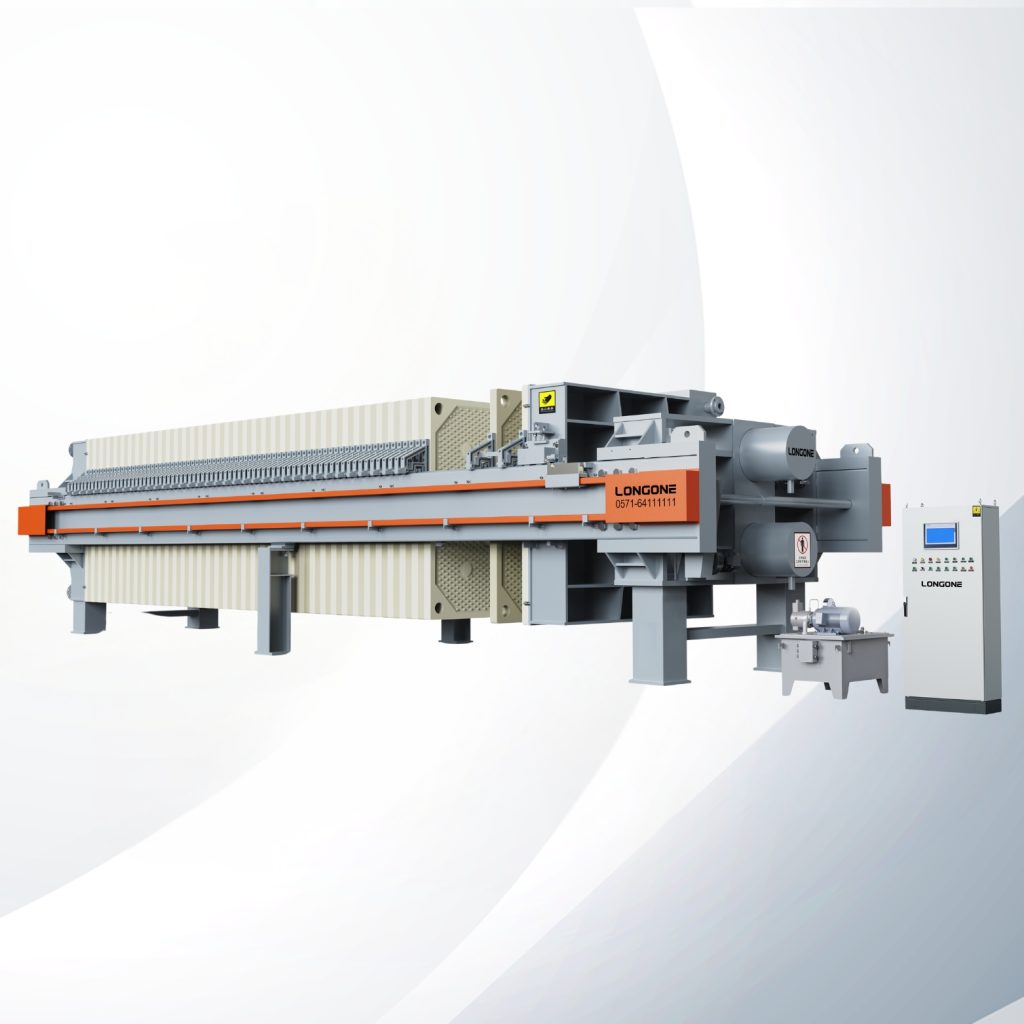
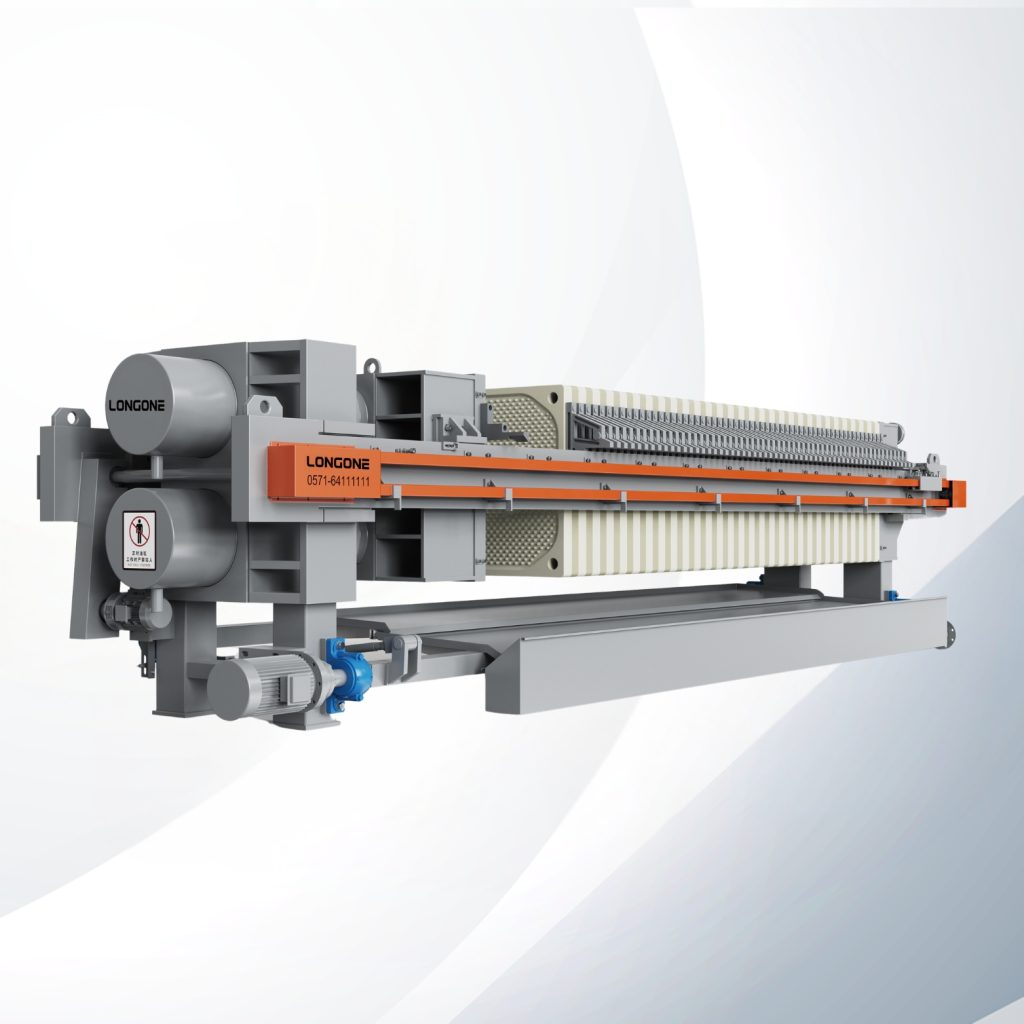
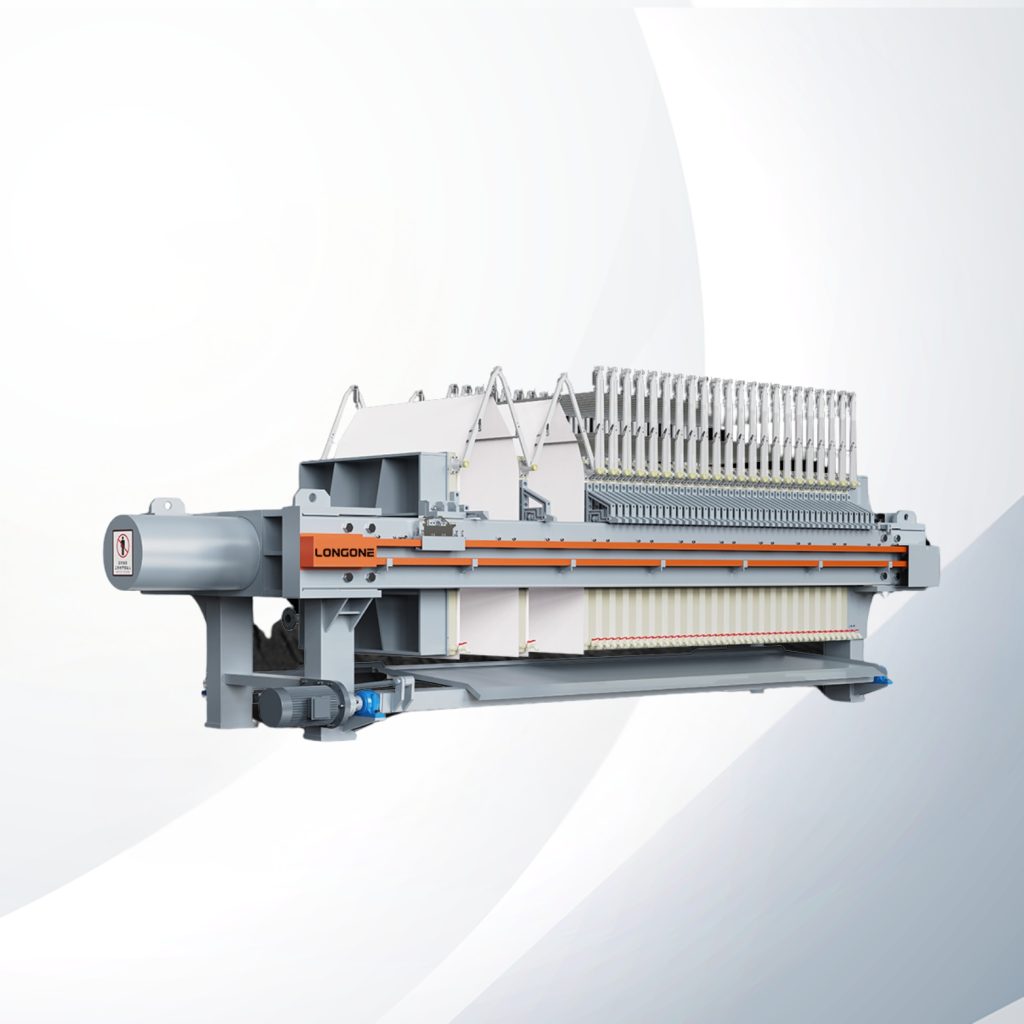
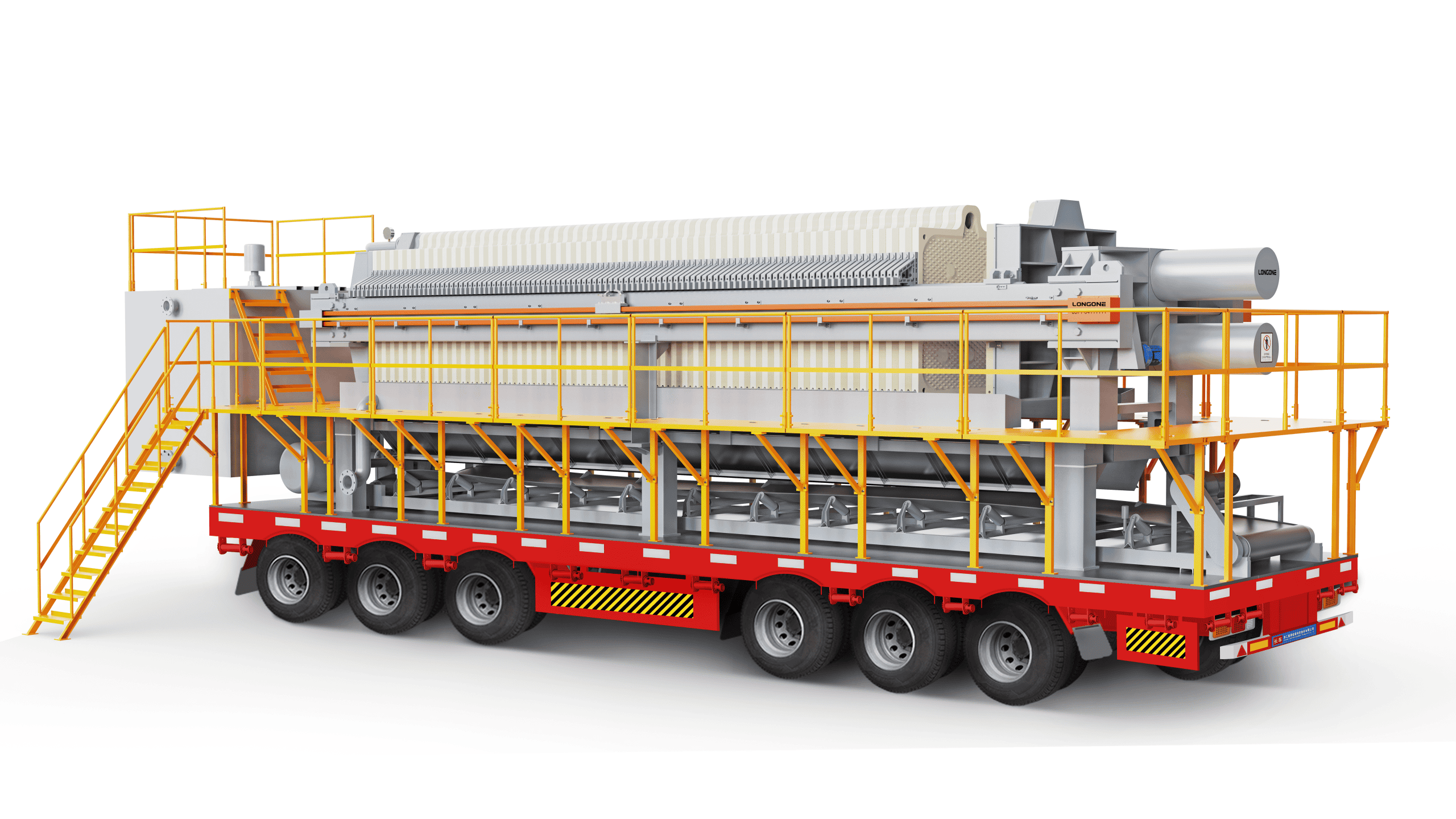
A portable filter press is a batch solid-liquid separation machine built so that it can be relocated without dismantling. The filtration principle is the same as in a stationary press. A feed pump sends slurry into a stack of filter chambers formed by pressed-together plates. The liquid passes through the filter cloth and leaves as filtrate, while the solids are retained and build up into a cake inside each chamber. When the chambers are full, feed stops, the plates are opened, and the cake is discharged.
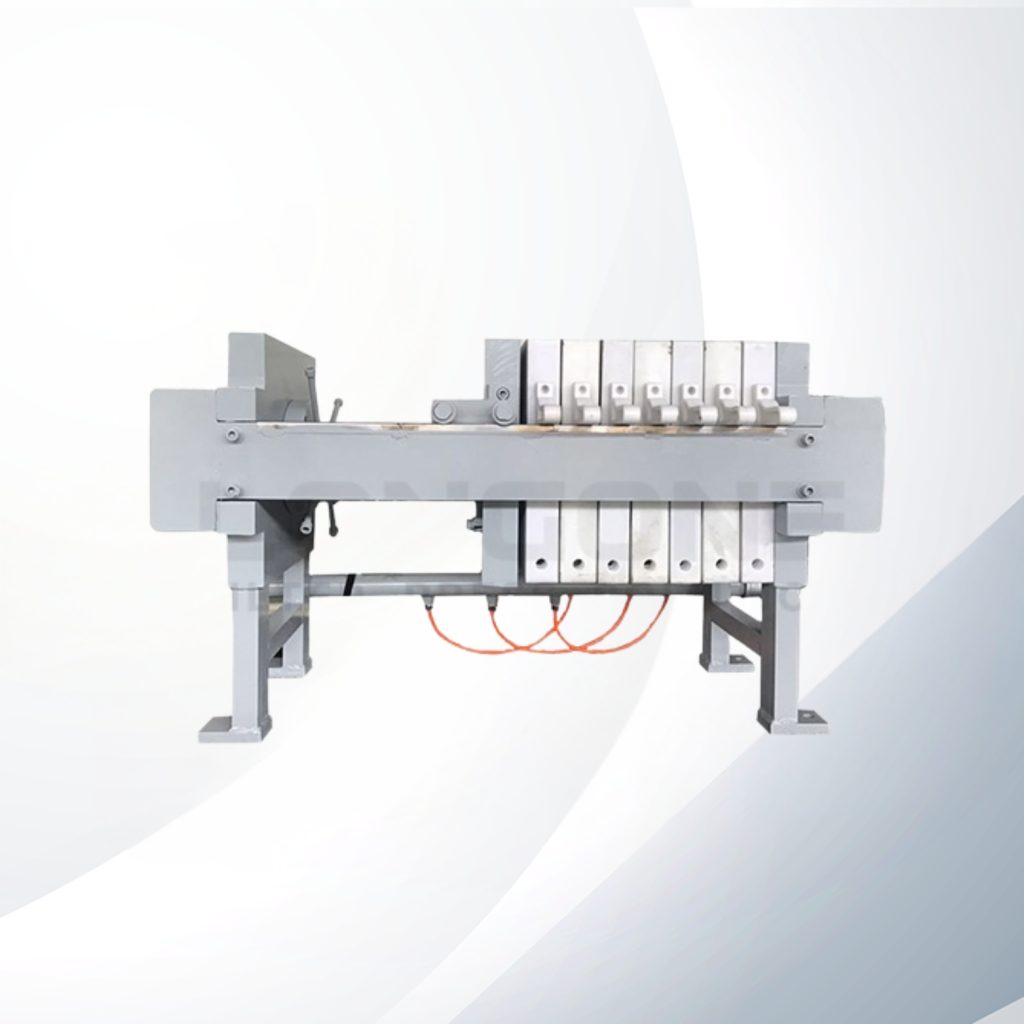
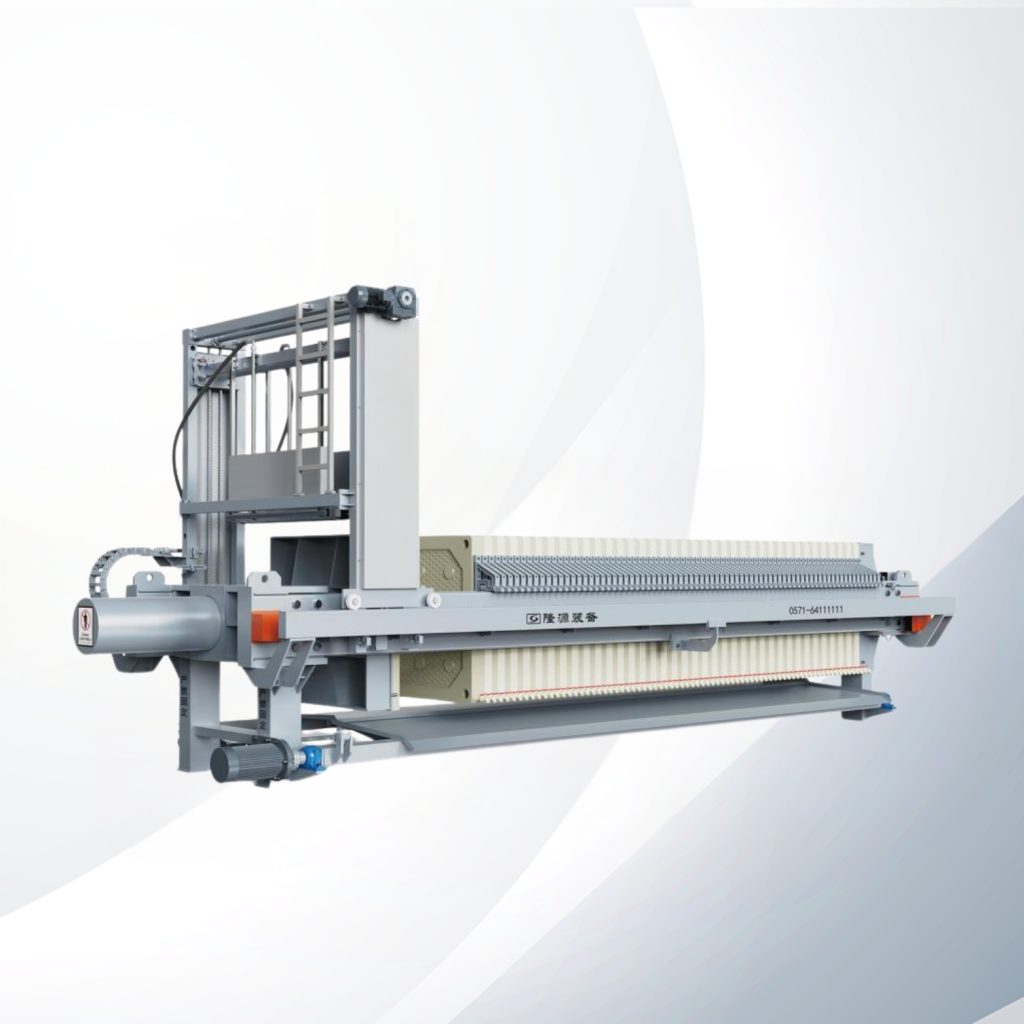
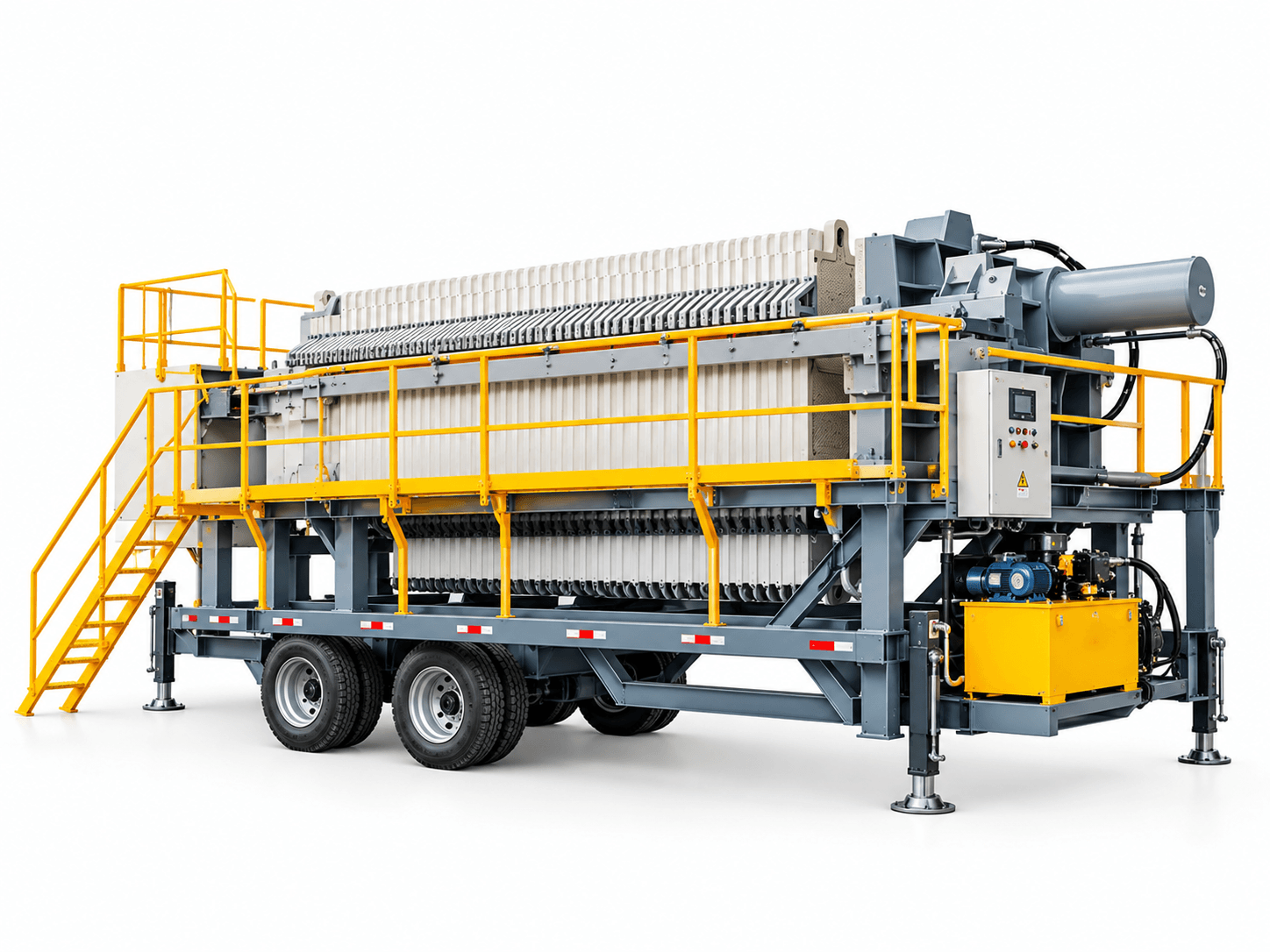
What makes the press portable is the way the same components are packaged: a compact frame, a limited number of plates, and often an integrated hydraulic or pneumatic closing system. Depending on the design, the whole assembly may sit on a skid for forklift handling, on wheels for movement inside a plant, or on a trailer for road transport.
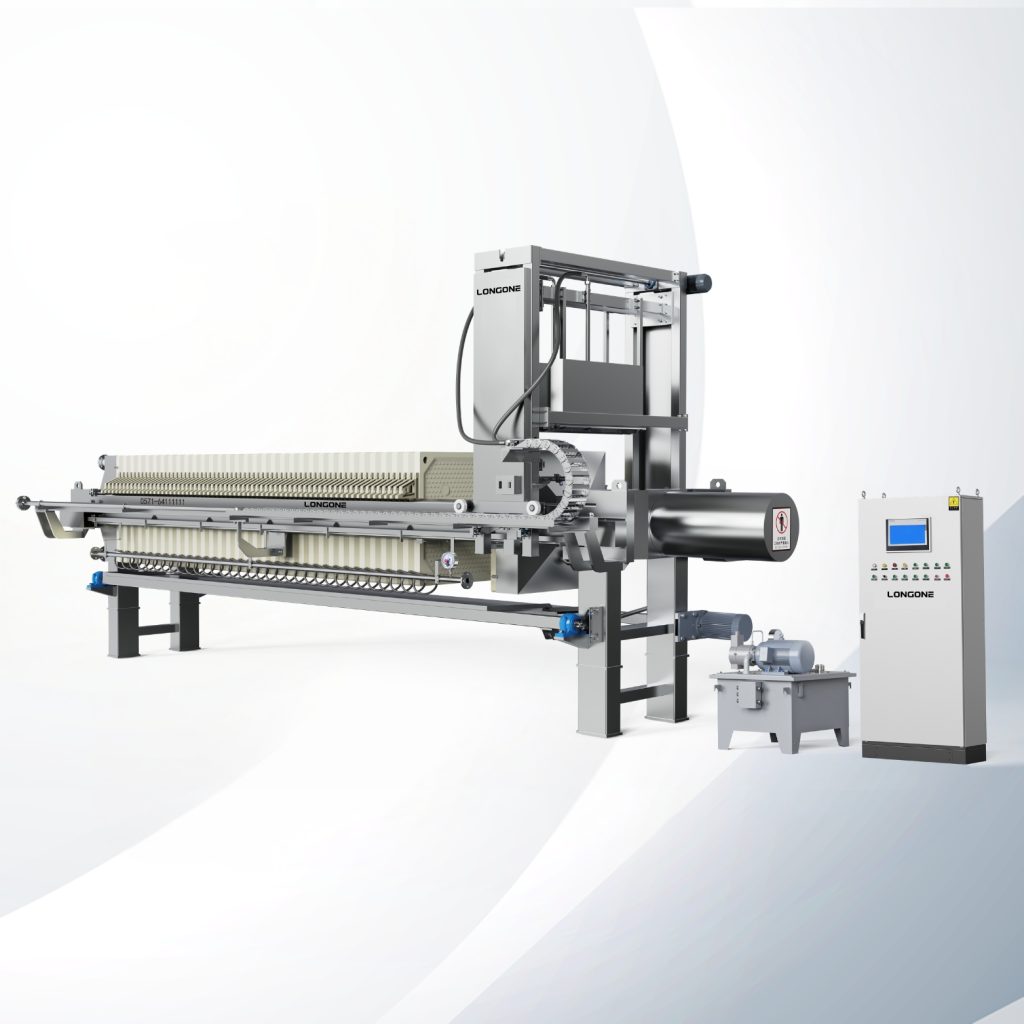
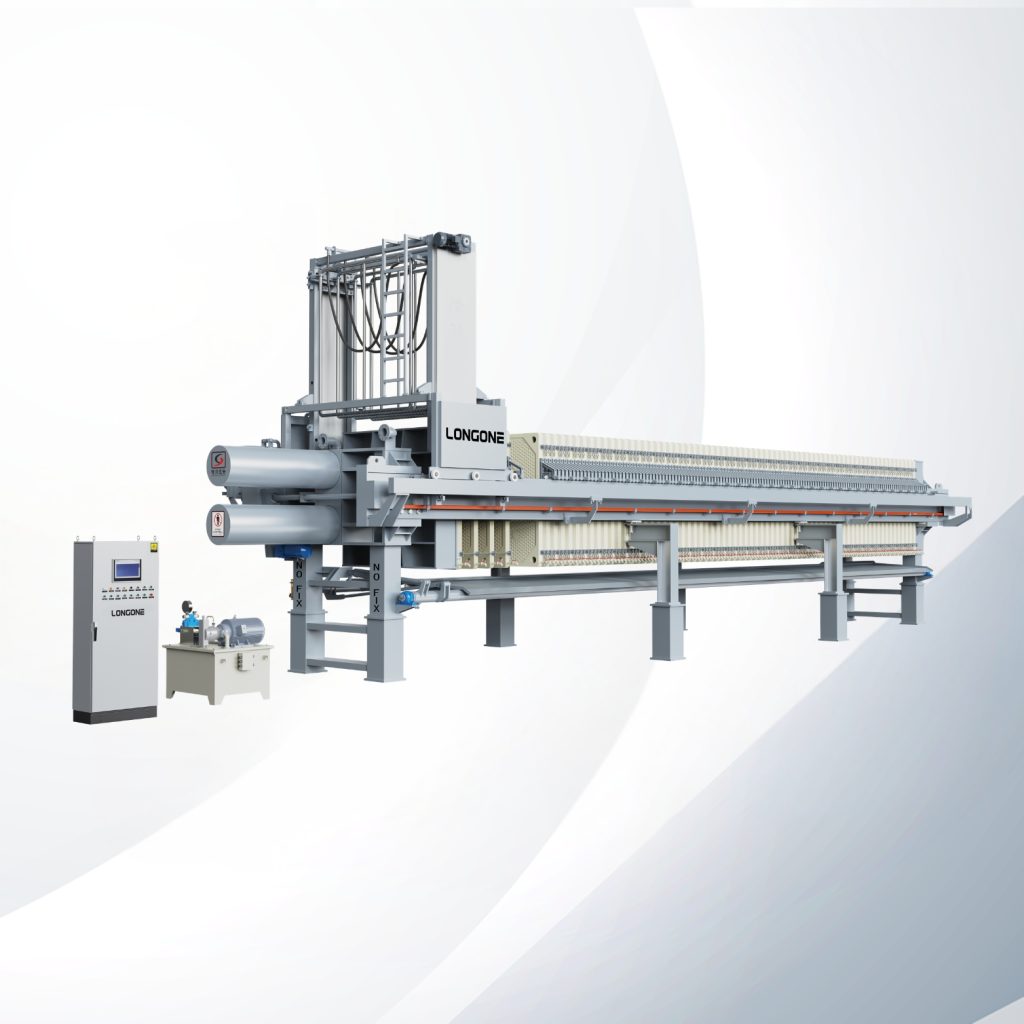
A complete portable filtration setup normally includes:
- A frame with a closing mechanism, either hydraulic or manual
- A set of filter plates and filter cloths
- A feed pump and connecting hoses or piping
- A control panel, from basic manual controls to a PLC
- A means of collecting cake and filtrate, such as a hopper, container, or drip tray
Portability does not change the physics. Cake dryness, cycle time, and filtrate clarity still depend on the slurry, the cloth, the plates, and the feed pressure profile.
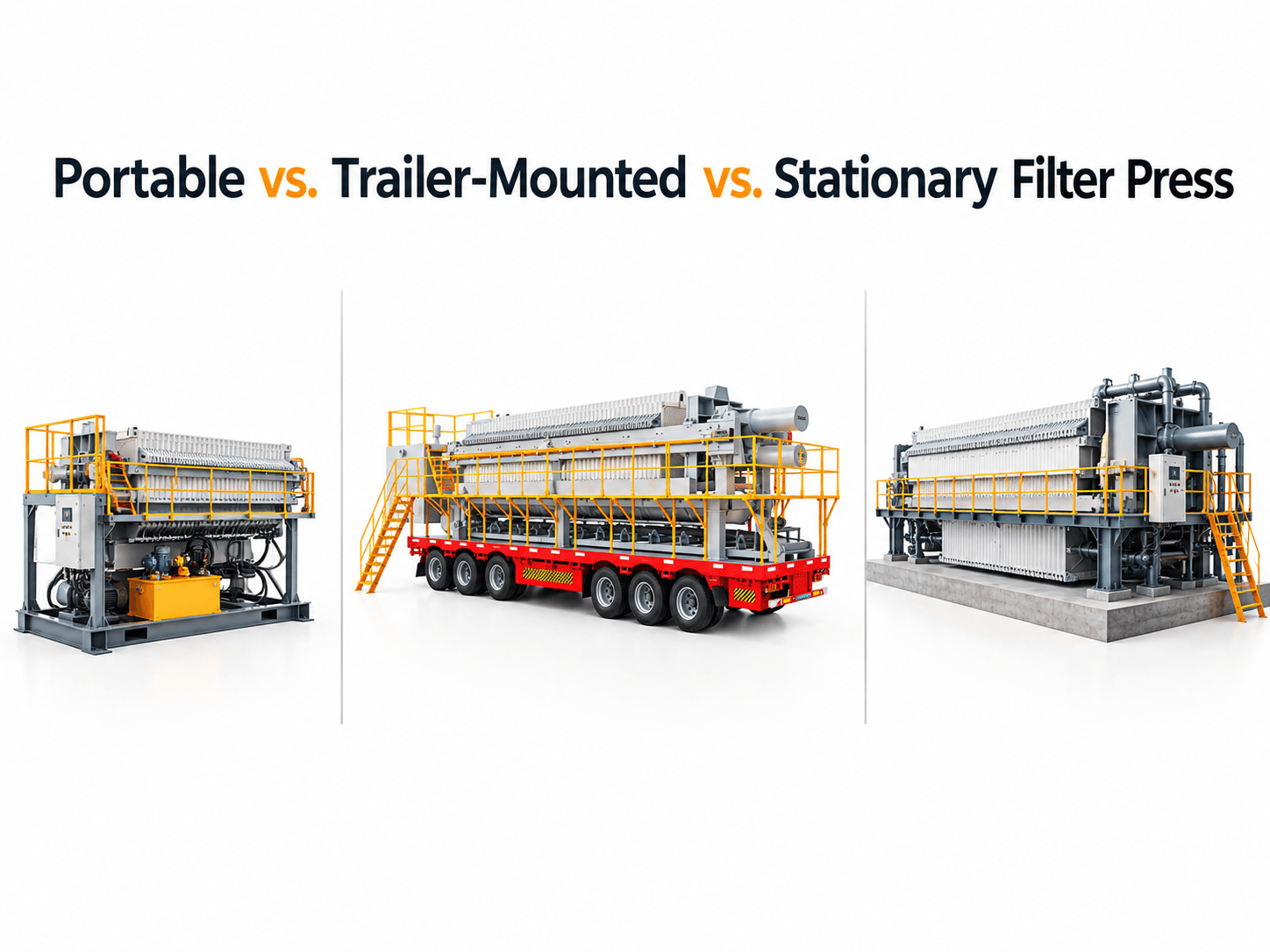
Portable vs. Trailer-Mounted vs. Stationary Filter Press: What Is the Real Difference?
The word “portable” is used loosely, and that causes confusion during quotation. Two suppliers may both offer a “portable filter press” and mean very different machines. Defining the category before requesting quotes prevents mismatched comparisons.
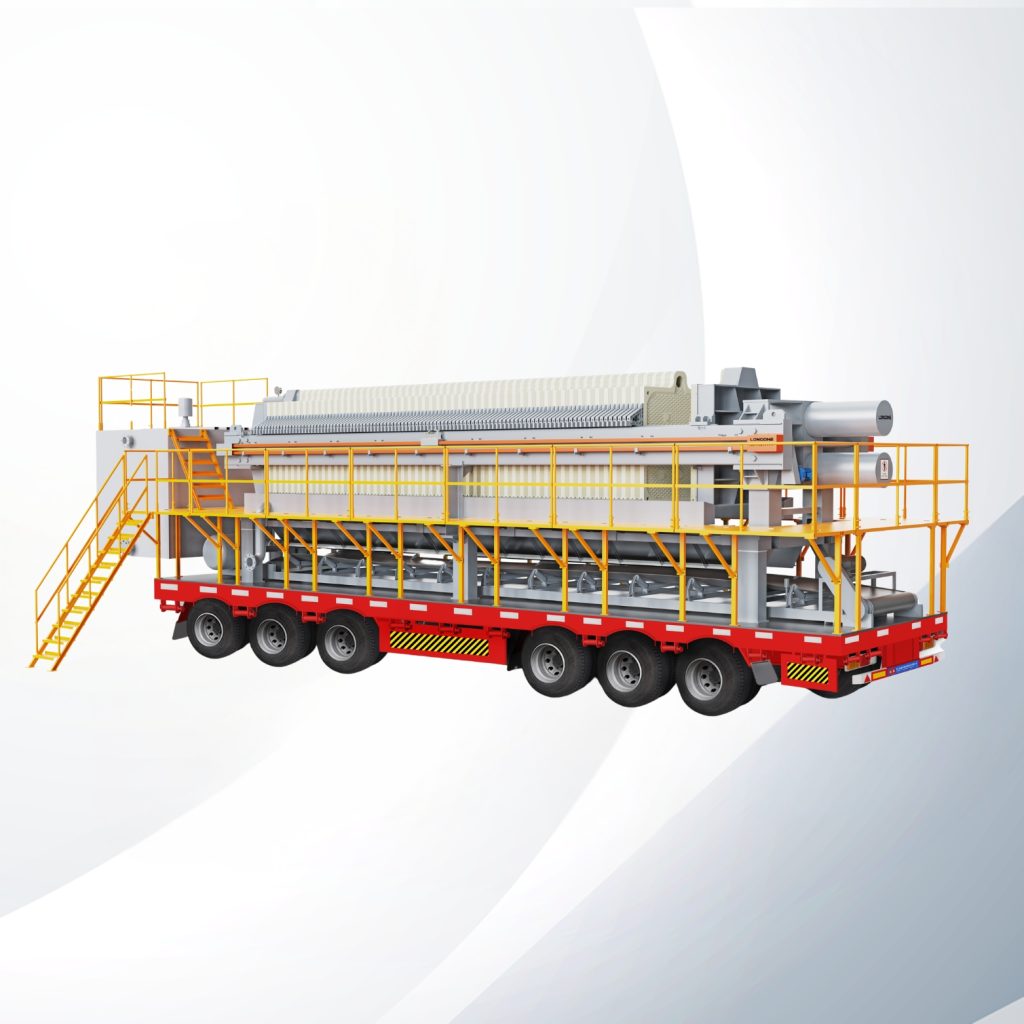
A portable skid or wheeled unit is designed to be moved short distances, typically within a facility or between nearby sites. It is compact, quick to connect, and suited to modest volumes. A trailer-mounted press is built for road transport and remote operation, and usually carries more equipment, such as walkways, cake conveying, lighting, and a fuller control system. A stationary press is installed on a foundation, sized for continuous duty, and integrated with plant feed and discharge systems.
The table below summarizes the practical differences.
| Factor | Portable (skid / wheeled) | Trailer-mounted | Stationary |
|---|---|---|---|
| Mobility | Moved by forklift or on wheels, usually on-site | Road-transportable between sites | Fixed after installation |
| Setup time | Short; connect feed, power, and discharge | Moderate; leveling and utility hookup | Longest; foundation and piping |
| Typical plate count | Small | Small to medium | Small to very large |
| Best suited to | Small batches, several tanks, temporary jobs | Remote or multi-site projects | Continuous, high-volume duty |
| Infrastructure needed | Power and a feed source | Power, level ground, feed source | Full plant utilities |
| Cake handling | Often manual or simple hopper | Often conveyor or chute | Fully integrated systems |
| Capital cost profile | Lowest | Moderate | Highest for equivalent capacity |
The key point for buyers is that portability is a trade-off. Every feature that makes a press easier to move, such as lower weight, fewer plates, and a smaller frame, also limits what it can process per cycle.
Where Portable Filter Presses Make Sense: Key Applications
Portable presses are most valuable where slurry is generated intermittently, in small quantities, or in more than one place. Typical situations include:
Temporary and short-term projects. When a project has a defined end date, moving a press in and out avoids permanent installation costs. Construction and site-cleanup work often fall into this category.
Multi-tank or multi-line operations. A plant with several process tanks that are drained at different times can use one press moved from tank to tank instead of installing a fixed press at each location.
Pilot and trial work. Before committing to a large stationary system, a portable press lets you test real slurry, evaluate cake dryness, and confirm cloth selection at small scale.
Maintenance and cleaning campaigns. Periodic tank cleaning produces sludge in bursts. A portable press can be brought in for the campaign and stored afterward.
Remote or emergency dewatering. Where slurry cannot economically be transported to a central facility, moving the press to the material is often the simpler answer.
In all of these cases, the deciding question is the same: is the duty cycle intermittent enough that a fixed installation would spend most of its life idle? If yes, portability adds real value. If the slurry is generated continuously and in volume, a stationary press will almost always be the more economical choice.
Capacity and Performance Limits: What to Expect from a Portable Unit
Portable presses suit small to moderate batches. They are not a substitute for a high-throughput stationary line, and specifying one as if they were is the most common source of disappointment.
Three limits deserve attention.
Chamber volume per cycle. A press with fewer plates holds less cake per cycle. To process the same daily volume, it must run more cycles, and each cycle includes fill, press, open, discharge, and close time. Total daily capacity depends on cycle count as much as on chamber size, so operators should calculate throughput on a per-day basis, not per-cycle.
Structural and pressure limits. A lighter frame is easier to move but is designed around a specific plate count and operating pressure. Running beyond the design pressure or adding plates beyond the frame’s rating is not a safe adjustment. Always confirm the maximum operating pressure and plate count with the manufacturer.
Cake dryness depends on the slurry, not the portability. A portable press can reach the same cake dryness as a stationary one on the same material, provided plates, cloth, and pressure profile are matched to the slurry. Where portable presses fall short, the cause is usually a mismatched cloth, an undersized feed pump, or insufficient press time, not the fact that the machine is mobile.
Realistic expectations also cover downtime. Because portable presses are often operated by staff who use them occasionally, cloth care, plate cleaning, and seal inspection tend to be neglected. Building simple checklists into operation reduces failures more than any single hardware upgrade.
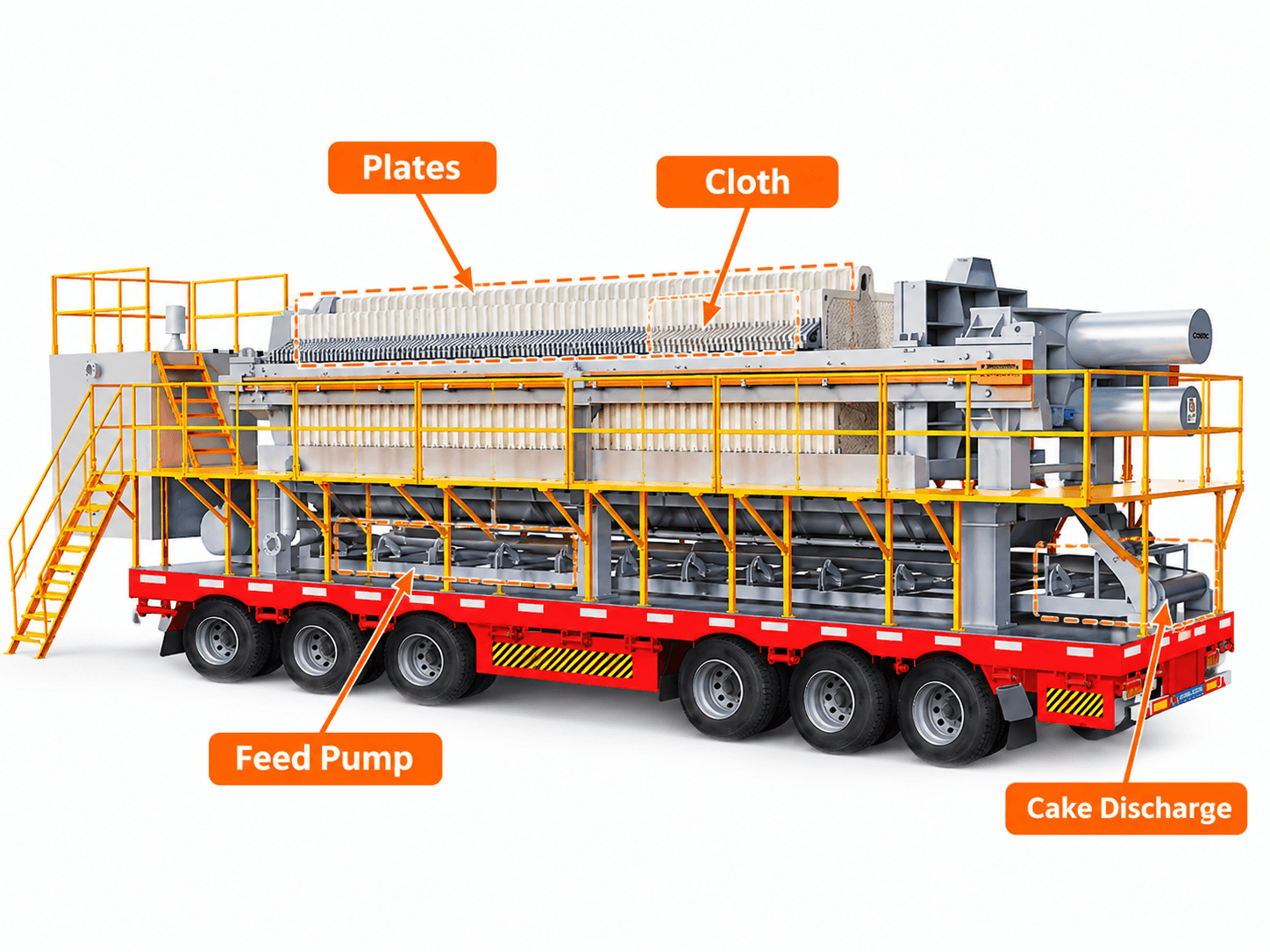
How to Choose a Portable Filter Press: Plates, Cloth, Feed Pump, and Cake Discharge
When we review inquiries for portable presses, the most useful conversations start with the slurry, not the machine. The following four components determine most of the outcome.
Filter plates. Plate material and design affect weight, durability, and cake release. Polypropylene is widely used in portable presses because it is light, chemically resistant across a broad range, and suitable for repeated handling. Confirm that the plate’s temperature and chemical compatibility match your slurry. Check the chamber design as well: recessed chambers form the cake between plates, and the sealing surface must remain intact for clean operation. Because portable presses are moved and reassembled, plate edges and sealing surfaces face more handling wear than in a fixed installation.
Filter cloth. Cloth selection controls filtrate clarity, cake release, and cycle time. A cloth that is too open passes fine solids, while one that is too tight blinds quickly and extends cycles. Share your particle size range and slurry chemistry with your supplier so the weave and material can be matched. Cloth blinding is one of the most common causes of poor performance in the field, so plan for regular washing and replacement.
Feed pump. The pump must match the slurry’s viscosity and solids content, and it must deliver pressure in a controlled way. Diaphragm pumps are widely used for filter press feed because they handle abrasive slurries and build pressure gradually, but the right choice depends on your material. An undersized pump lengthens fill time, while an oversized or poorly controlled pump can force fines into the cloth early and hurt cake formation.
Cake discharge and site conditions. Decide in advance how cake will be collected and removed. A simple hopper or container may be enough for small volumes, while larger volumes may need a chute or conveyor. Confirm the power supply, available floor space, and access route to the site. A press that cannot pass through a doorway or be leveled on site is not portable in practice.
Before requesting a quotation, prepare the following information:
- Slurry type and solids concentration
- Particle size range, if known
- Volume per batch and batches per day or week
- pH and temperature range
- Target cake moisture, if you have one
- Available power and site access constraints
Customization is often worthwhile in portable applications because site constraints vary. Plate size, plate count, control level, and discharge arrangement can usually be adjusted. Discussing these details with the manufacturer early avoids retrofits later. Buyers who are unsure whether to purchase or hire should also consider utilization: equipment used frequently justifies ownership, while equipment needed for a single campaign may not.
Conclusion
A portable filter press is a practical answer to a specific problem: intermittent, moderate-volume, or multi-location dewatering where a fixed installation would be underused. It performs best when the machine type is defined clearly, expectations for capacity are realistic, and the plates, cloth, feed pump, and discharge arrangement are matched to the actual slurry.
For engineers and procurement teams, the most reliable approach is to begin with the slurry data and the duty cycle, then work outward to the machine. If you would like to discuss plate specifications or configuration options for a portable application, our team can review your slurry details and suggest a suitable setup.
Frequently Asked Questions
What is a portable filter press used for?
A portable filter press is used to separate solids from liquids in slurry at locations where a fixed press is not practical. Common uses include temporary projects, multi-tank plants, tank cleaning campaigns, pilot trials, and remote sites.
How is a portable filter press different from a stationary one?
The filtration principle is the same. The difference is packaging: a portable press has a more compact frame, usually fewer plates, and is designed to be moved. This makes it flexible but limits the volume it can process per cycle compared with a stationary press.
Can a portable filter press achieve the same cake dryness as a fixed press?
Yes, on the same slurry, provided the plates, filter cloth, and pressure profile are properly matched. Poor cake dryness in portable units is usually caused by an unsuitable cloth or feed pump, not by portability itself.
What information do I need to provide to get a quotation?
Provide the slurry type, solids concentration, particle size range if known, batch volume and frequency, pH and temperature, target cake moisture, and site details such as power supply and access.
Should I buy or hire a portable filter press?
It depends on utilization. If the press will be used regularly across many tanks or projects, ownership is often more economical. If it is needed for a single campaign, hiring may be a better fit.