А recessed filter press can look simple on a quotation sheet, but the wrong plate design can create leakage, wet cake, long cycles, and high maintenance cost. I often see buyers compare frame size and motor power first. The better solution is to evaluate the press around slurry behavior, plate quality, pressure, and daily operation.
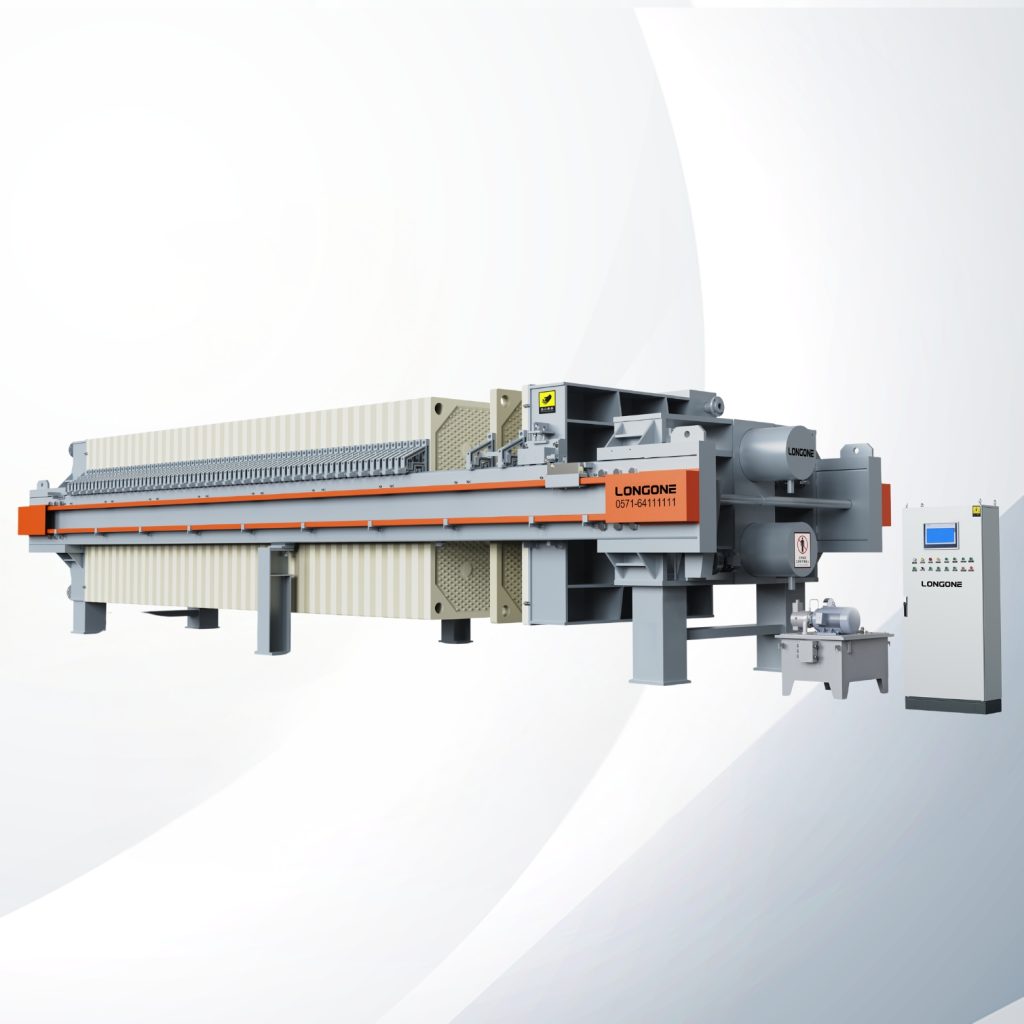
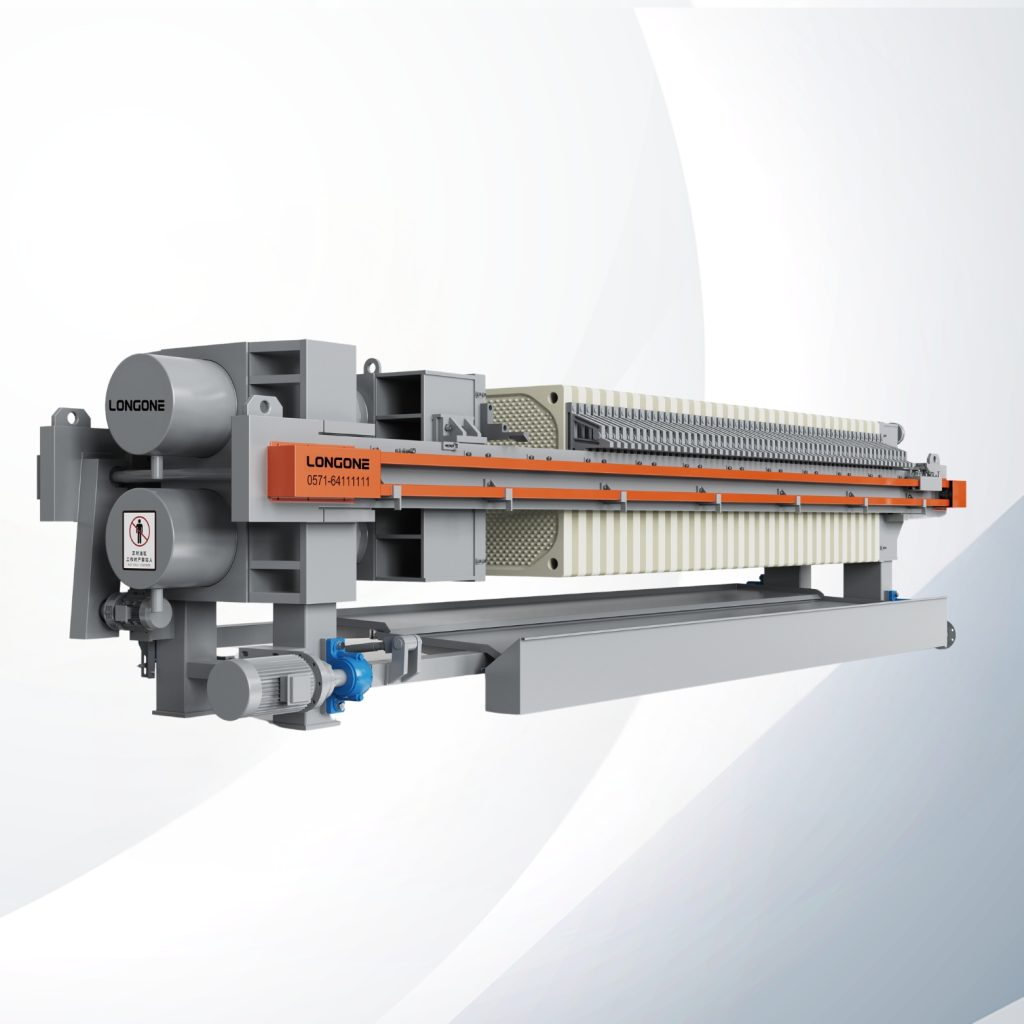
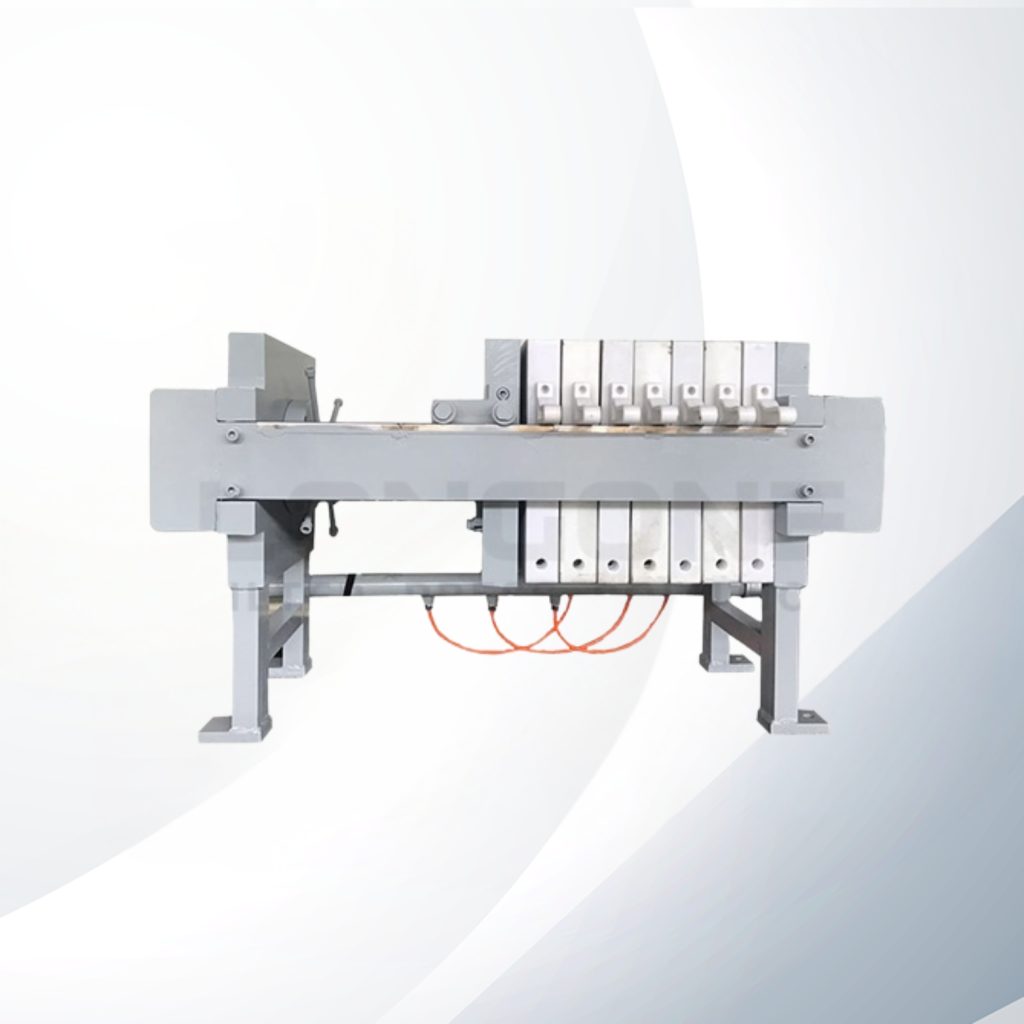
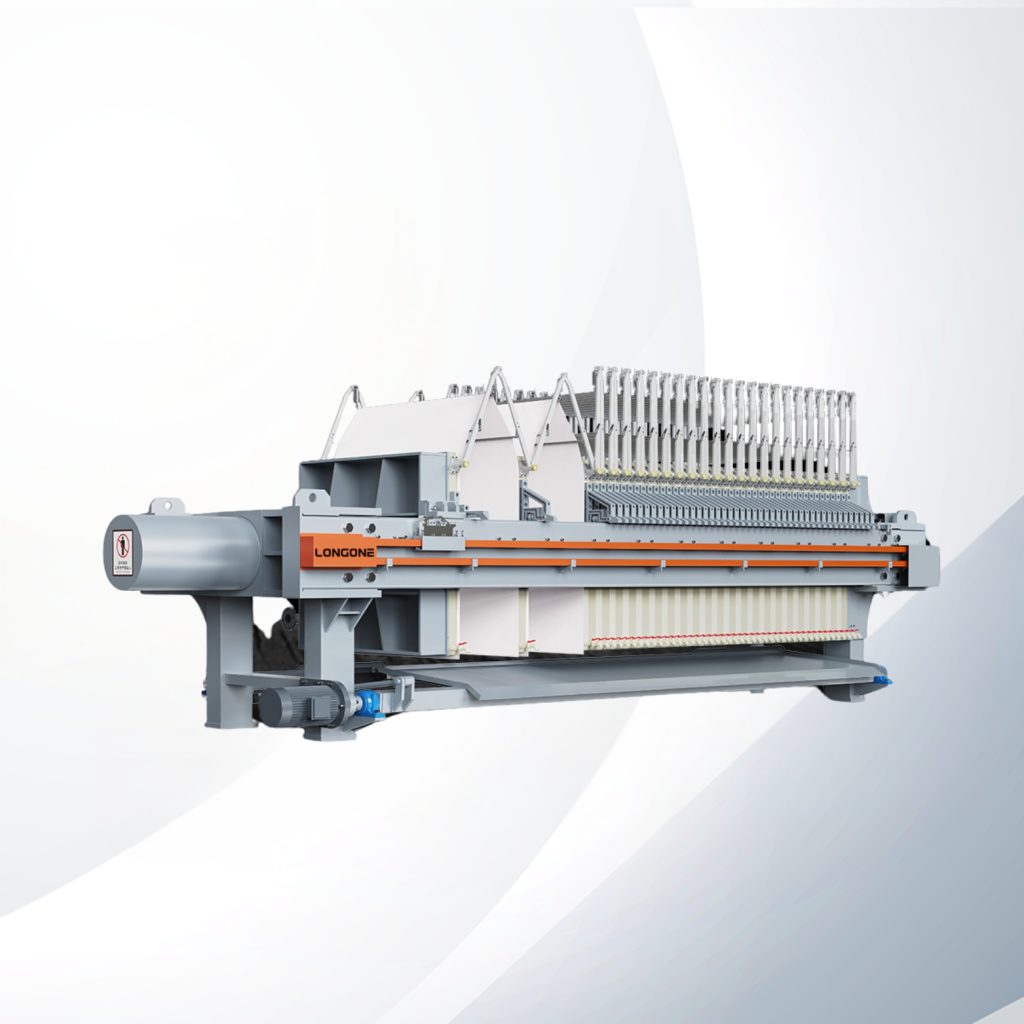
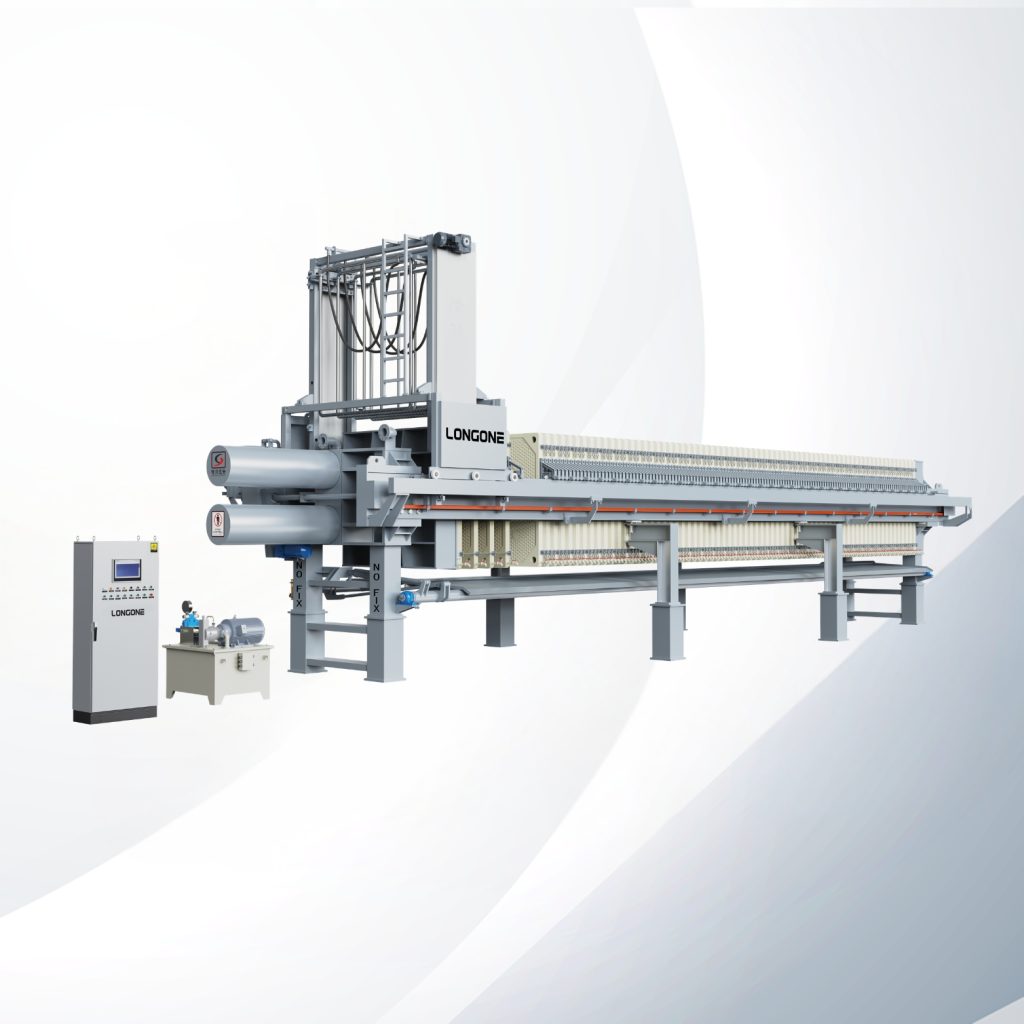
A recessed filter press is an industrial solid-liquid separation machine that uses recessed plates to form chambers, fill them with slurry, and retain solids on filter cloth while filtrate exits through drainage channels. It is widely used for sludge dewatering, mining tailings, chemical processing, wastewater treatment, and other applications where robust, scalable cake filtration is required.
The basic principle is easy to understand, but good selection requires more detail. In my experience as a manufacturer, the plates decide much of the real performance: cake dryness, leakage control, cycle time, and long-term cost.
What Is a Recessed Filter Press and How Does It Work?
А recessed filter press solves a common plant problem: wet slurry must be separated into clarified liquid and manageable solids. If the press is poorly matched to the slurry, operators face slow cycles, dripping plates, and wet cake. A correctly configured unit turns that same slurry into a repeatable filtration process.
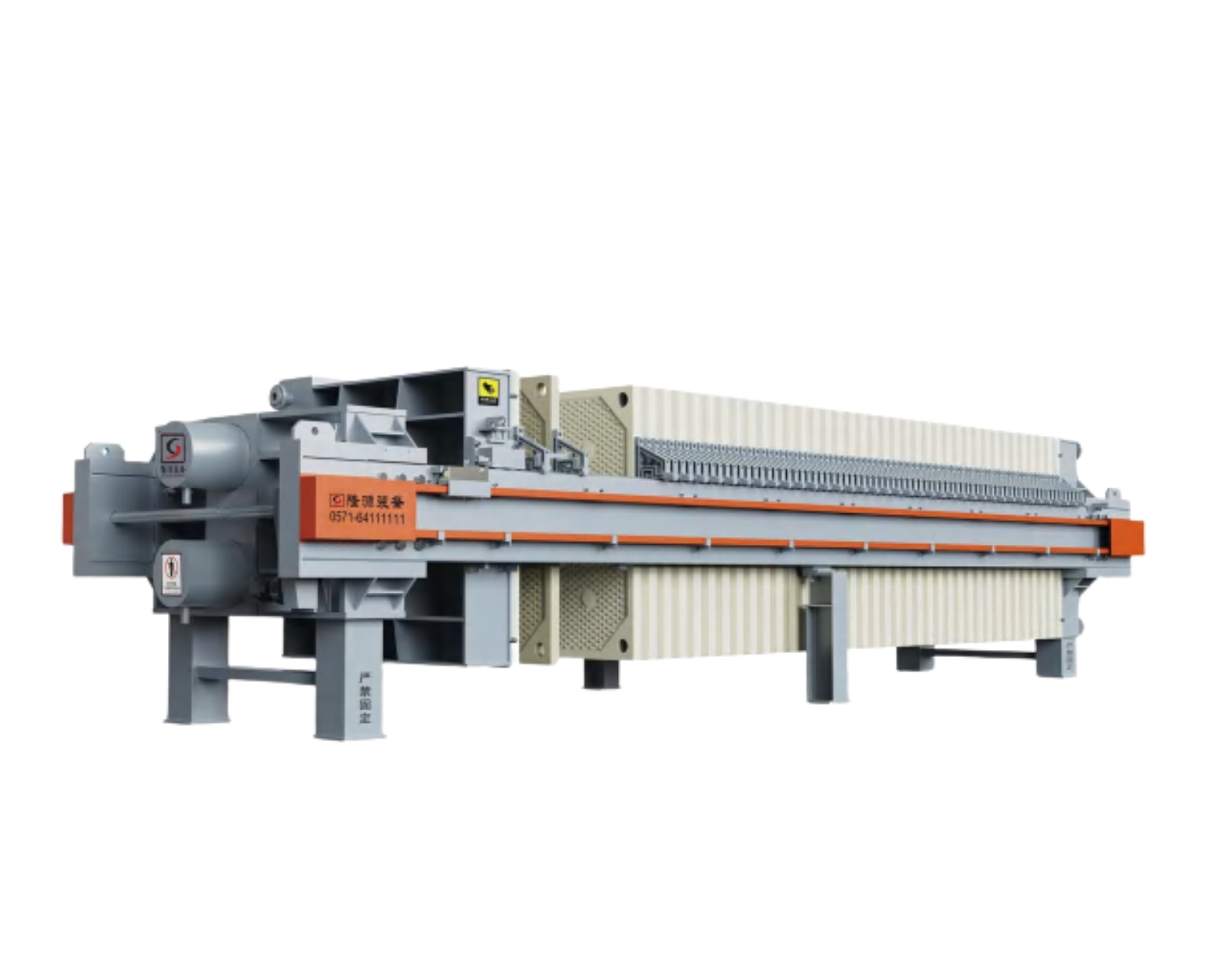
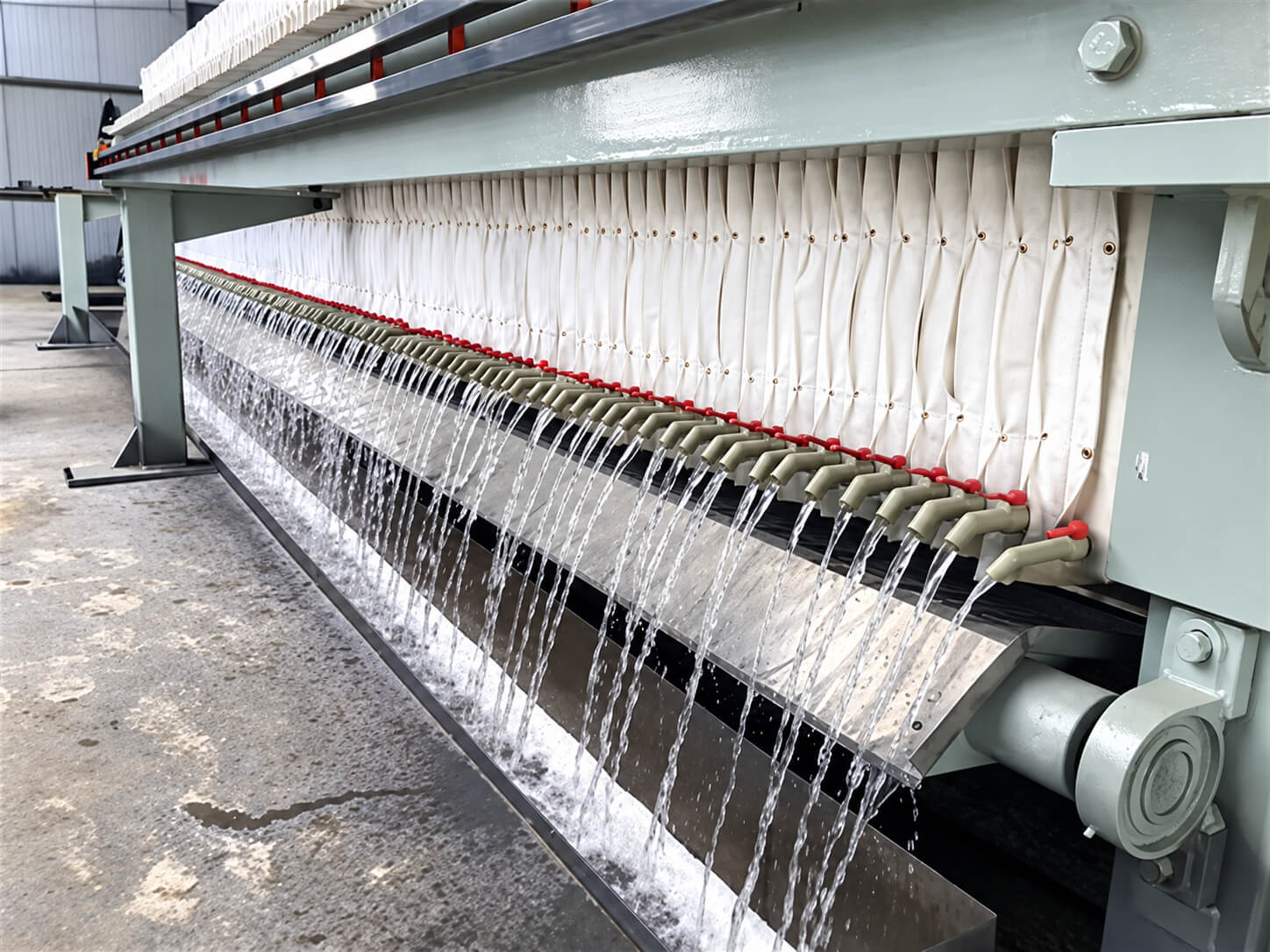
A recessed filter press works by closing a pack of recessed plates, pumping slurry into the chambers, capturing solids on filter cloth, and discharging filtrate through internal drainage paths. As pressure rises, solids build into cakes inside each chamber. After filtration, the press opens and the cakes drop for handling or disposal.
The basic cycle
Most recessed chamber filter presses follow a clear operating sequence:
- Closing — The hydraulic system clamps the plate pack.
- Feeding — A feed pump sends slurry into the center or corner feed channel.
- Filtration — Liquid passes through the filter cloth and plate drainage surface.
- Cake formation — Solids accumulate inside the recessed chambers.
- Pressure holding — The feed pressure squeezes more liquid from the cake.
- Opening — The hydraulic system releases the plate pack.
- Cake discharge — Cakes fall by gravity, scraper assistance, or vibration depending on the design.
I like this design because it is direct and robust. There are no membranes in a standard recessed chamber press. There are no complex squeezing steps unless additional systems are added. This simplicity makes the machine suitable for many industrial buyers who need stable output and easier maintenance.
Why recessed plates matter
The recessed plate creates the chamber. Two plates close together, and their recessed surfaces form the space where the cake builds. This is why I tell buyers not to judge only the steel frame. The frame holds force, but the polypropylene filter plates control the filtration chamber, sealing surface, drainage pattern, and cake release behavior.
Key plate-related details include:
- Chamber depth
- Plate material and molding quality
- Feed eye reinforcement
- Sealing edge accuracy
- Drainage groove design
- Cloth attachment method
- Resistance to pressure, heat, and chemical exposure
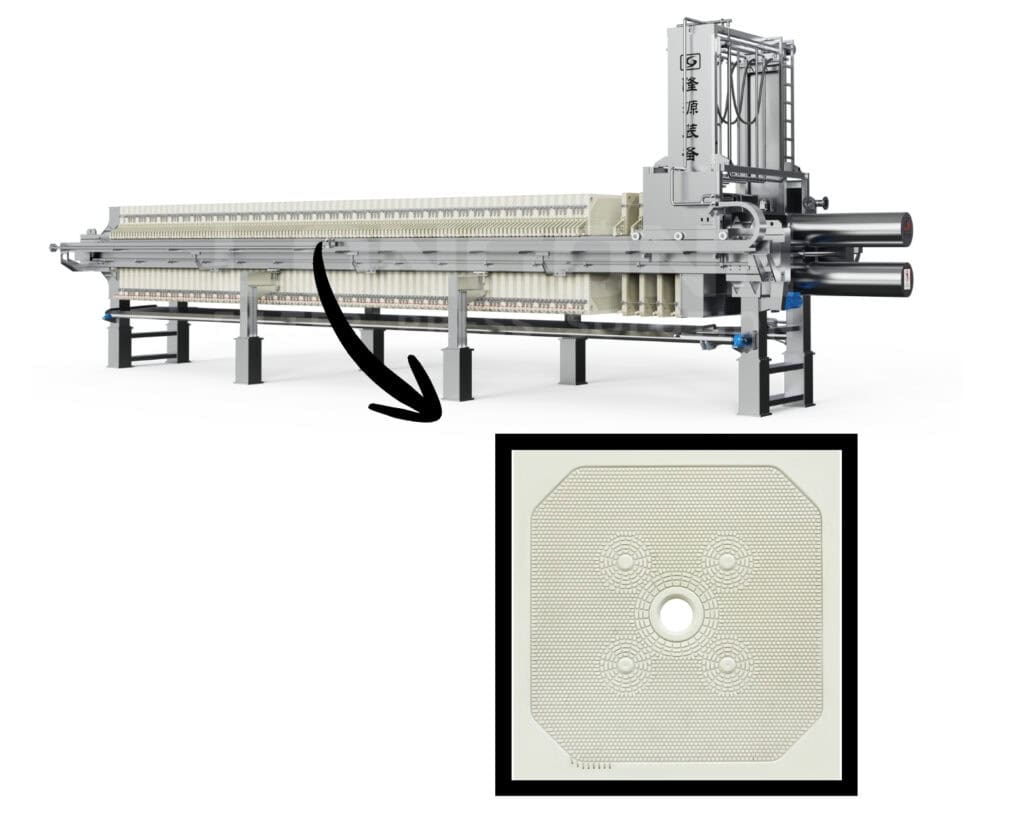
At LONGONE, we manufacture automatic filter presses and filter plates in-house, so I see this issue often. A cheaper plate may look acceptable during inspection, but weak feed-eye reinforcement or uneven molding can show up later as leakage, warpage, or shorter service life. Buyers should request drawings, material information, pressure rating details, and quality documentation before confirming an order.
Recessed Filter Press vs Plate and Frame Filter Press?
А recessed filter press and a plate and frame filter press may look similar, but they differ in chamber formation, operating convenience, and maintenance needs. Choosing the wrong style can increase labor, reduce consistency, and make cake discharge harder than expected.
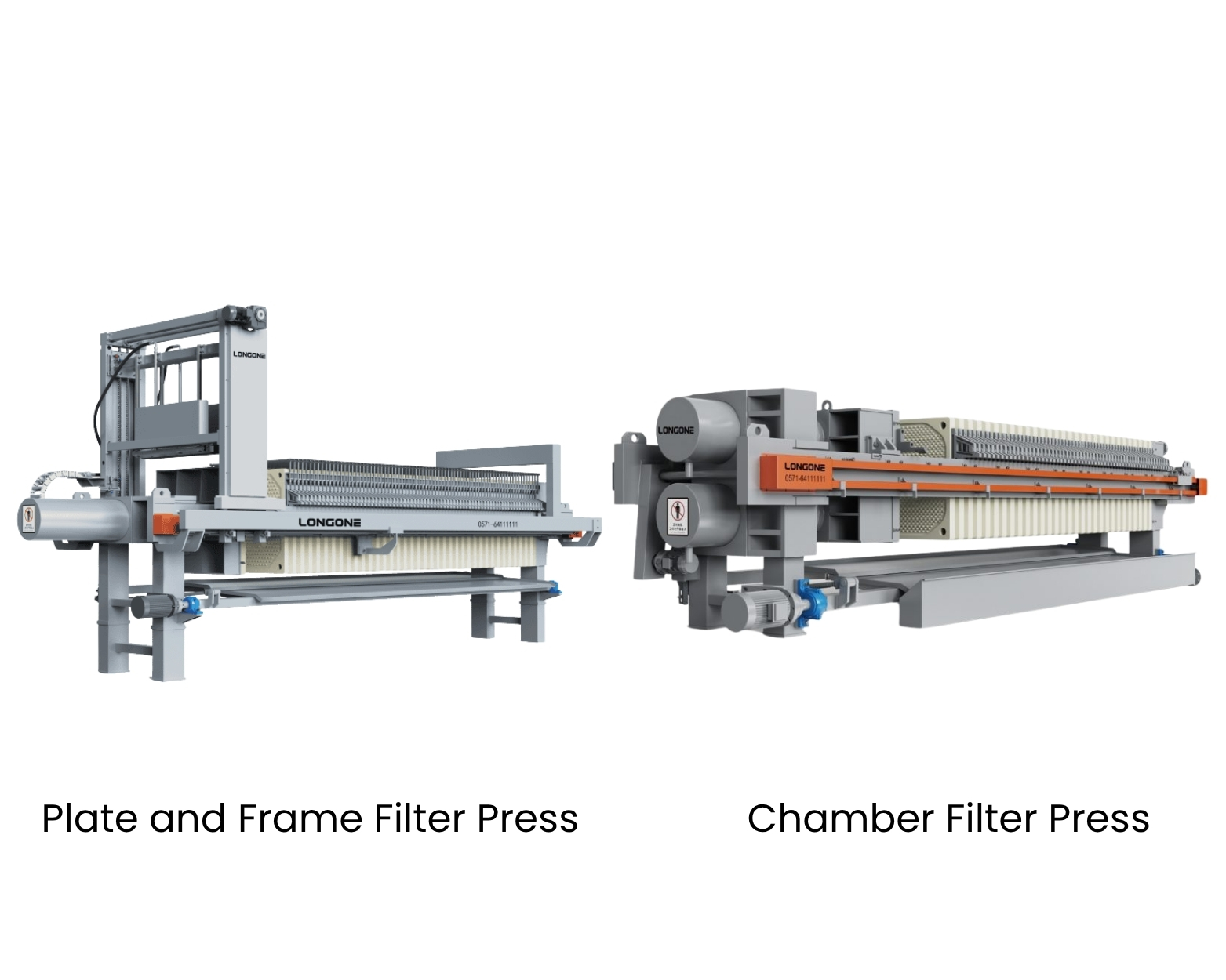
A recessed filter press uses recessed plates to form fixed-volume chambers, while a plate and frame filter press uses alternating plates and frames to create cake spaces. Recessed designs are generally simpler to operate, easier to automate, and more common for industrial sludge dewatering, while plate and frame presses are often selected for special process flexibility.
Quick comparison
| Feature | Recessed Filter Press | Пластинчатый и рамный фильтр-пресс |
|---|---|---|
| Chamber formation | Built into recessed plates | Created by separate frames |
| Number of parts | Fewer parts | More individual parts |
| Cake thickness | Based on plate chamber depth | Based on frame thickness |
| Automation suitability | Usually better | Usually more manual |
| Cleaning needs | Moderate | Often higher |
| Common use | Wastewater, mining, chemical sludge | Fine filtration, specialty batches |
| Maintenance focus | Plates and cloths | Plates, frames, cloths, alignment |
When I prefer a recessed design
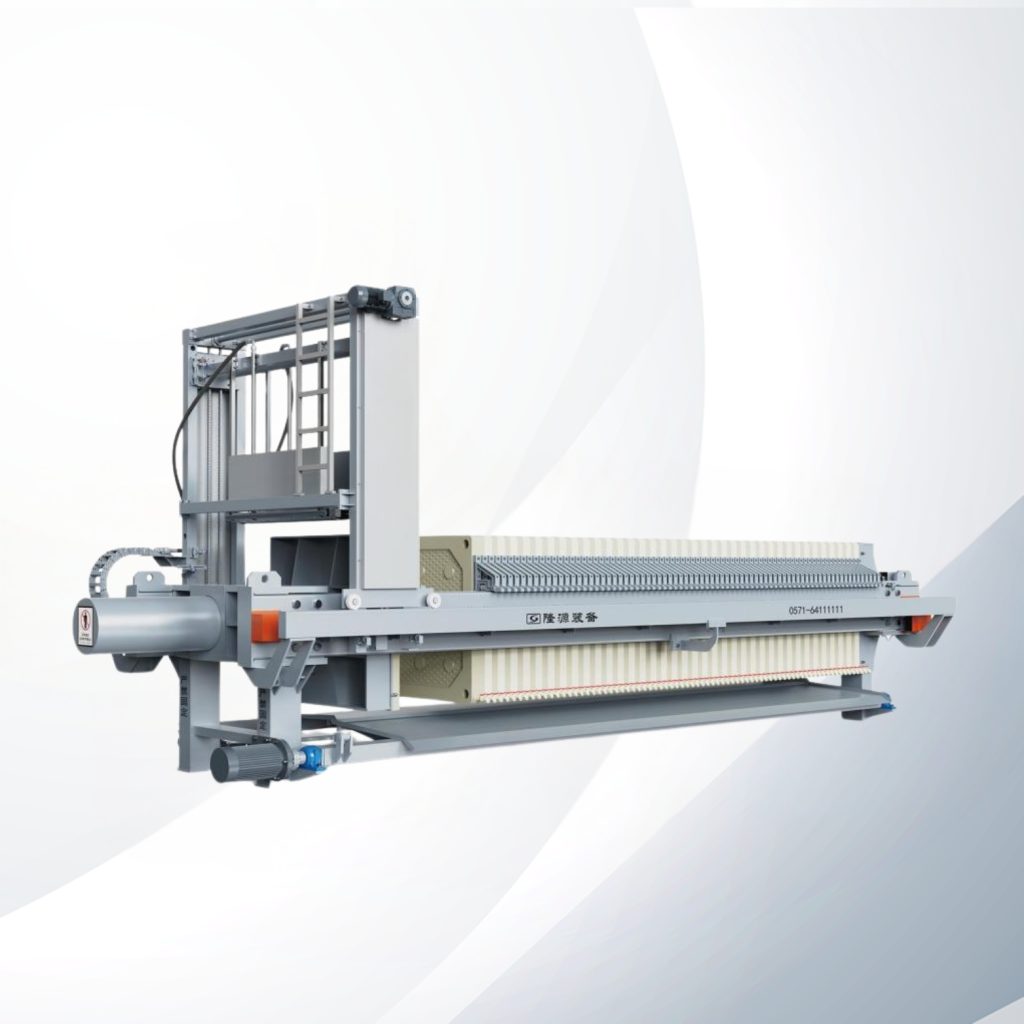
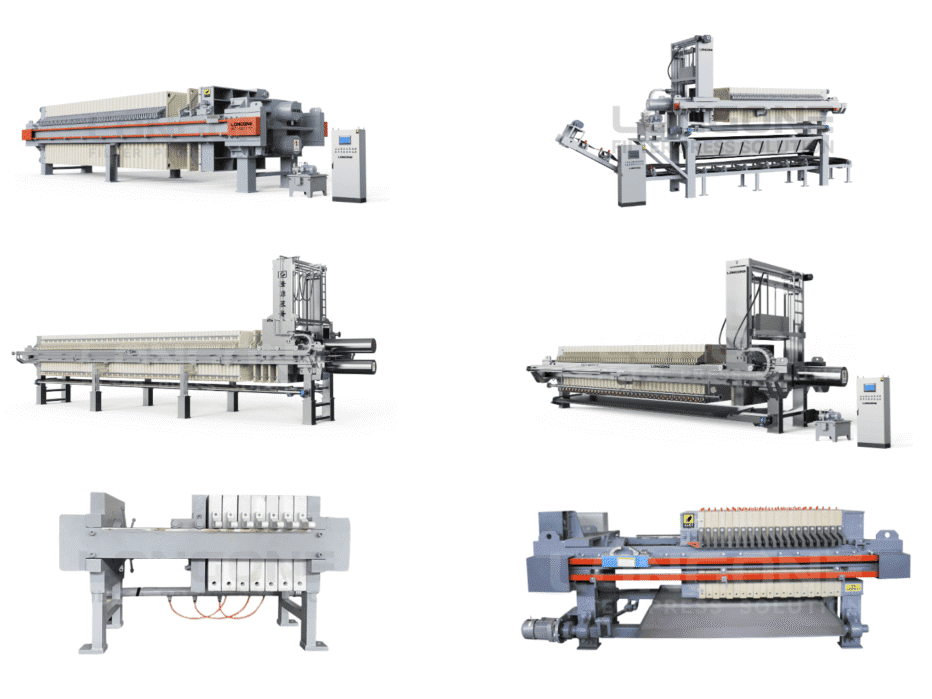
For most B2B procurement projects involving sludge dewatering, mineral slurry, and chemical residues, I usually start the evaluation with a recessed chamber filter press. It is a practical workhorse. It scales well from small units to large filtration areas, and it works with automatic plate shifting, drip trays, conveyors, and PLC control.
The design also reduces part handling. Since each plate already contains the chamber recess, operators do not need to manage separate frames between every plate. That matters when the press has dozens or hundreds of plates. Fewer loose parts usually means fewer alignment problems and lower labor demand.
When plate and frame may still be useful
A plate and frame filter press can still make sense in some process conditions. For example, some buyers need:
- Very specific cake thickness changes
- Fine polishing or precoat filtration
- Batch flexibility in smaller operations
- Easy visual separation of plate and frame elements
However, the additional parts can increase handling time. More interfaces can also mean more potential leak points if the press is not well maintained.
For international buyers, I recommend comparing both designs based on process duty, not habit. A municipal sludge project, a mining concentrate application, and a pharmaceutical intermediate process may all need different decisions. If cake moisture is extremely critical, I would also consider whether a membrane filter press is more suitable than either conventional recessed or plate and frame equipment.
Key Components: Recessed Plates, Filter Cloth, Frame and Hydraulic System?
А recessed filter press is only as reliable as its main components. Buyers often focus on motor power or overall size, but daily performance depends on plates, cloth, frame rigidity, hydraulic closing force, and how all these parts work together under pressure.
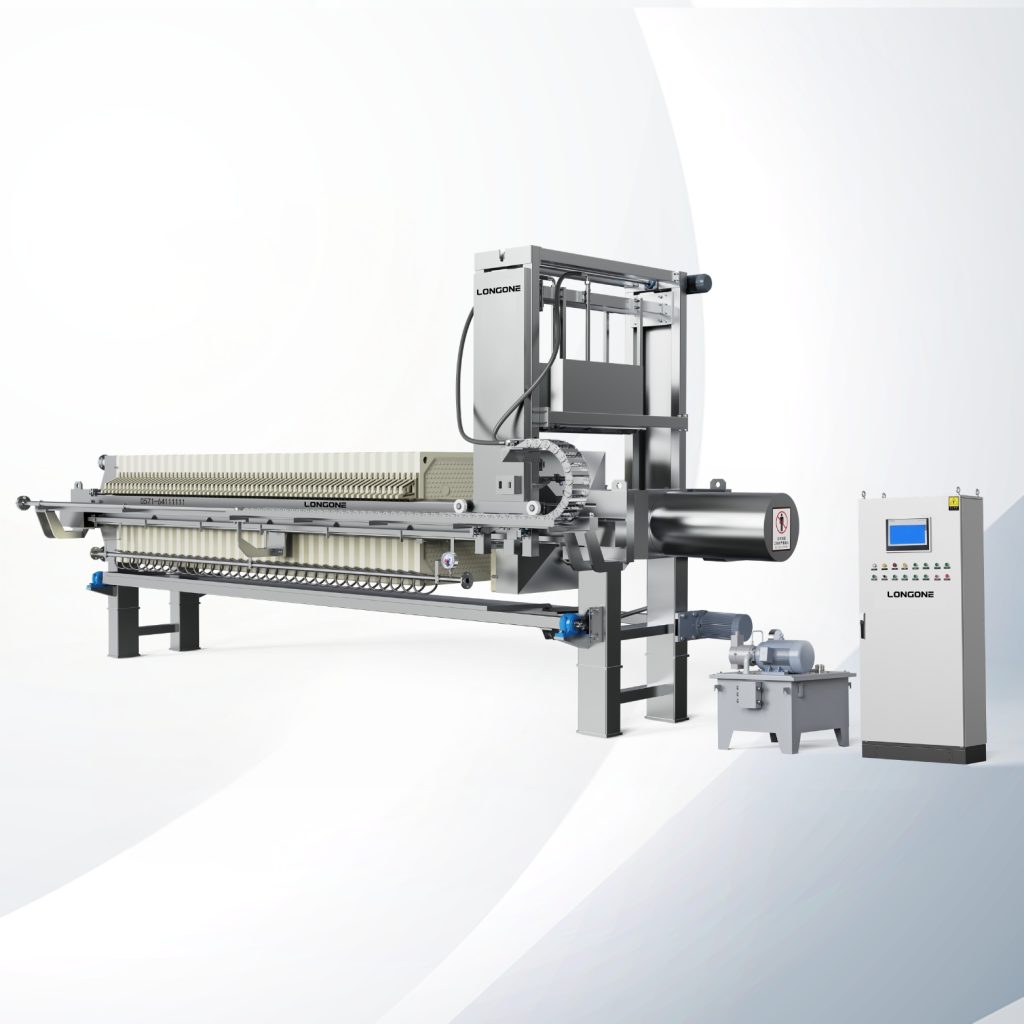
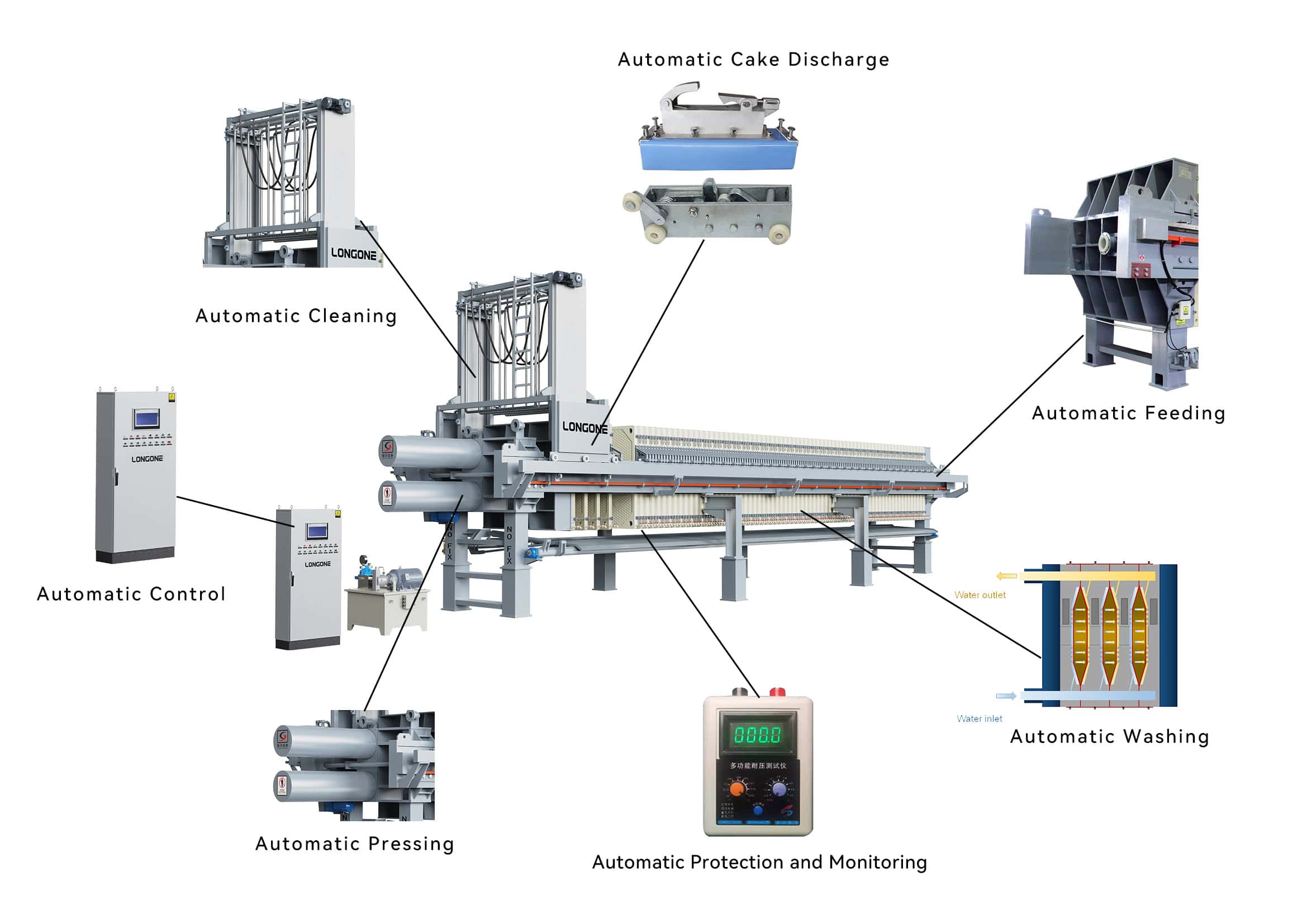
The key components of a recessed filter press are the recessed plates, filter cloth, main frame, hydraulic closing system, feed and filtrate ports, control system, and optional discharge equipment. The recessed plates and filter cloth have the strongest direct effect on cake formation, filtrate clarity, leakage control, and maintenance frequency.
Component checklist
| Component | What it does | What buyers should check |
|---|---|---|
| Recessed plates | Form chambers and drainage paths | Material, molding quality, pressure rating |
| Фильтровальная ткань | Captures solids and releases filtrate | Fabric type, permeability, chemical resistance |
| Steel frame | Supports closing and feed pressure | Beam size, weld quality, anti-corrosion coating |
| Hydraulic system | Closes and holds plate pack | Cylinder force, pressure stability, safety devices |
| Feed system | Delivers slurry to chambers | Pump type, flow rate, pressure control |
| Control panel | Manages automatic functions | PLC logic, sensors, interlocks |
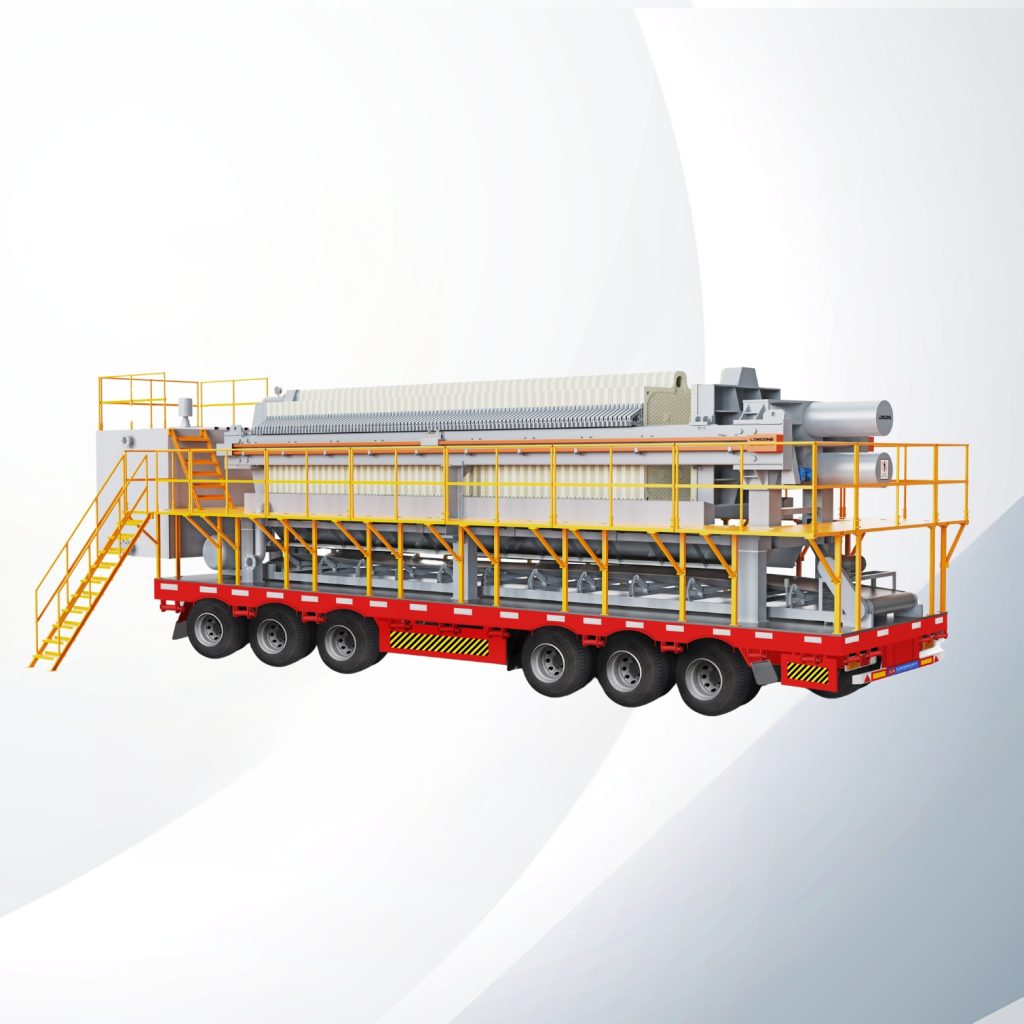
| Cake discharge system | Removes solids after opening | Plate shifter, conveyor, scraper, drip tray |
Why plates deserve special attention
In my view, recessed plates are the heart of the machine. They control chamber volume and sealing. They also face repeated pressure cycles. If plates warp, wear, or deform near the feed eye, the whole press becomes difficult to run.
Good recessed filter plates should have:
- Uniform polypropylene molding
- Flat and precise sealing surfaces
- Strong feed port reinforcement
- Consistent chamber depth
- Smooth drainage grooves
- Resistance to expected temperature and chemicals
- Clear pressure rating identification
I have seen buyers save a small amount on plates and then spend much more on downtime. Leakage at plate edges is rarely just a nuisance. It can create housekeeping problems, safety concerns, filtrate loss, and unstable cake moisture.
Filter cloth is the second critical part
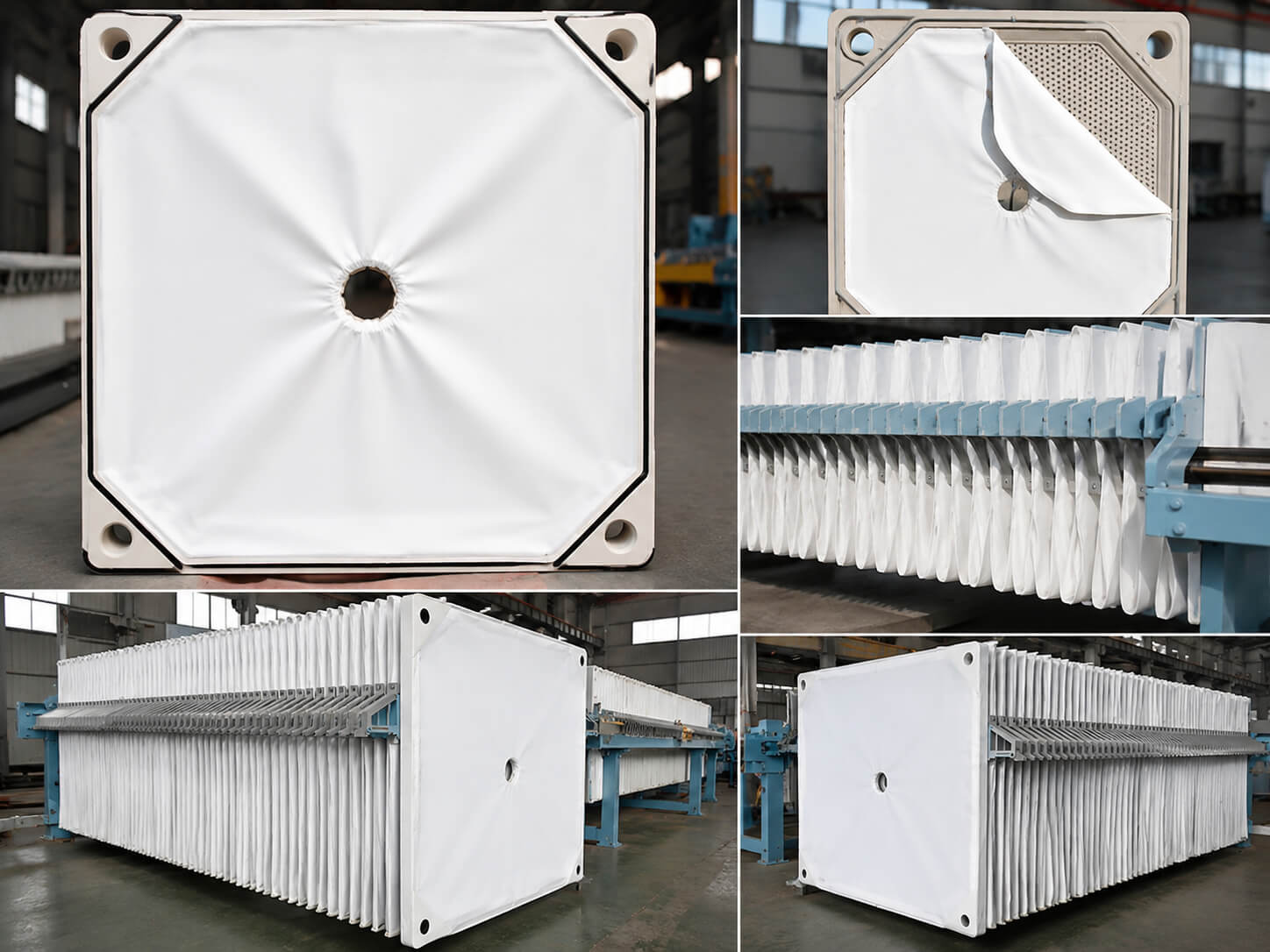
Filter cloth selection affects filtration speed and clarity. A cloth that is too tight may blind quickly and extend cycle time. A cloth that is too open may allow solids breakthrough and cloudy filtrate. Common cloth materials include polypropylene, polyester, nylon, and other fabrics depending on temperature, pH, and chemical compatibility.
For procurement teams, I recommend asking the supplier for sample testing whenever slurry behavior is uncertain. A qualified filtration test can help determine cloth permeability, cake release, expected cycle time, and whether cake washing or air blowing is needed.
How to Choose Chamber Depth, Pressure Rating and Filtration Area?
А recessed filter press must be sized around the slurry, not only around the plant’s target capacity. If chamber depth, pressure rating, or filtration area is wrong, the press may meet the purchase specification but fail to deliver stable production in real operation.
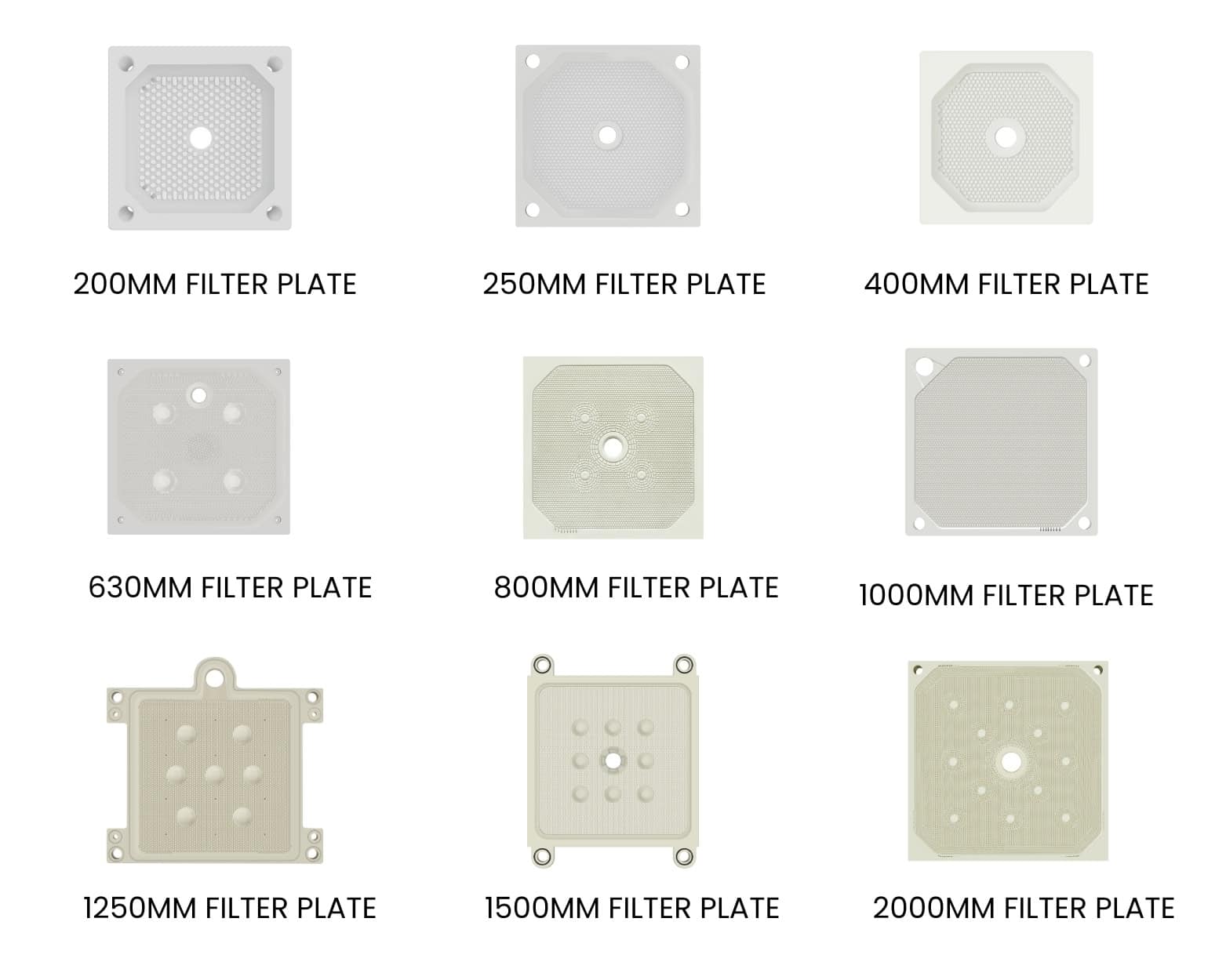
Choose chamber depth based on cake behavior, pressure rating based on real feed pressure with a safety margin, and filtration area based on required dry solids throughput per cycle. Fine or sticky solids often need thinner chambers, while higher-volume slurries may use deeper chambers if cake release and drying remain acceptable.
Selection factors
| Параметр | Main question | Practical guidance |
|---|---|---|
| Chamber depth | How thick should each cake be? | Match cake thickness to release and drying behavior |
| Pressure rating | What feed pressure will the press see? | Include safety margin and verify plate rating |
| Площадь фильтрации | How much cloth area is needed? | Calculate from solids load, cycle time, and moisture target |
| Plate size | What frame size is practical? | Balance capacity, space, and maintenance access |
| Cake moisture | How dry must the cake be? | Consider recessed vs membrane design |
| Уровень автоматизации | How much labor is available? | Use plate shifter, drip tray, conveyor, and PLC if needed |
Chamber depth is not “bigger is better”
This is one of the most important lessons I share with buyers. A deeper chamber increases cake volume per cycle, but it does not always improve performance. Thick cakes can hold more liquid in the center. They can also release poorly if solids are sticky, compressible, or fine.
Typical recessed chamber depths may vary by manufacturer and plate size, but common values include approximately 25 mm, 30 mm, 35 mm, 40 mm, and 45 mm. The best choice depends on the slurry.
A practical rule is:
- Fine or sticky solids: consider thinner cakes for better release and faster drainage.
- Granular or easy-filtering solids: deeper chambers may increase capacity.
- High moisture sensitivity: test before selecting a standard chamber depth.
- Manual discharge: avoid designs that produce cakes operators cannot remove easily.
Pressure rating must match real operation
Many industrial filter presses operate at feed pressures such as 0.6 MPa, 1.0 MPa, 1.6 MPa, or higher, depending on the design. LONGONE manufactures filtration systems with pressure ratings up to 6.0 MPa, but buyers should not select a high-pressure unit without process justification and professional evaluation.
The risk is not only frame strength. Plate edge sealing and feed eye reinforcement are often where low-quality plates fail first. I recommend confirming:
- Maximum feed pump pressure
- Normal operating pressure
- Pressure spikes during valve changes
- Plate pressure rating
- Hydraulic closing force
- Safety interlocks and relief devices
Filtration area should be calculated
Filtration area from 0.16 to 1,600 m² may be available depending on press design and supplier capability. However, bigger area is not always the right answer. The correct area depends on the amount of dry solids, filtration rate, cake thickness, target cycle time, and discharge method.
For important projects, buyers should request lab testing or pilot testing. I would rather verify a design early than oversize a press and create unnecessary capital cost.
Common Applications of Recessed Filter Presses?
А recessed filter press is used where plants need dependable solid-liquid separation with manageable operating cost. If the application is selected poorly, the press may struggle with cloth blinding, wet discharge, or slow production. When matched correctly, it becomes a reliable process tool.
Common applications of recessed filter presses include municipal and industrial wastewater sludge, mining tailings, mineral concentrates, chemical precipitates, electroplating sludge, food processing residues, and some pharmaceutical or fine chemical slurries. The design is favored where robust cake filtration, repeatable operation, and scalable capacity are more important than extreme cake dryness.
Typical industries and duties
| Industry | Common duty | Buyer focus |
|---|---|---|
| Wastewater treatment | Sludge dewatering | Cake moisture, odor control, disposal cost |
| Mining | Tailings and concentrate filtration | Throughput, abrasion resistance, uptime |
| Chemical processing | Reaction residues and precipitates | Chemical compatibility, filtrate clarity |
| Electroplating | Metal hydroxide sludge | Leakage control, safe handling |
| Food processing | Organic residues | Hygienic design, cloth cleaning |
| Pharmaceuticals | Process solids | Material compatibility, validation needs |
| Ceramics and pigments | Fine particle slurry | Cloth selection, cake release |
Why wastewater buyers use this equipment
Wastewater treatment plants often choose recessed chamber filter presses because sludge disposal cost is tied to water content. Drier cake can reduce transport weight and disposal volume. However, sludge can be compressible and variable. Polymer conditioning, feed pressure, and cloth selection strongly affect results.
For this reason, I encourage wastewater buyers to share sludge type, solids concentration, conditioning chemicals, expected working hours, and discharge requirements. A press selected only by cubic meters per hour may disappoint later.
Why mining and chemical plants need stronger evaluation
Mining slurries can be abrasive. Chemical slurries can be corrosive, hot, fine, or difficult to wash. These conditions make plate material, cloth material, and frame protection more important.
A mining buyer may need:
- Abrasion-resistant feed components
- Larger feed ports
- Heavy-duty frame construction
- Reliable automatic plate shifting
- Conveyor integration for cake transport
A chemical processor may need:
- Chemical-resistant cloth
- Special gasket or sealing design
- Closed filtrate discharge
- Explosion-risk review if solvents are present
- Professional evaluation for hazardous processes
A recessed filter press is flexible, but it is not magic. If the buyer needs very low cake moisture, I will openly suggest reviewing a membrane filter press. A good supplier should recommend the right configuration, not simply the biggest machine.
Troubleshooting Leakage, Poor Cake Release and Plate Wear?
А recessed filter press can develop problems even when the original design is sound. Leakage, poor cake release, and plate wear usually point to issues with pressure, cloth condition, slurry changes, plate quality, or maintenance habits. Quick diagnosis prevents small problems from becoming expensive downtime.
To troubleshoot a recessed filter press, check hydraulic closing pressure, feed pressure, cloth blinding, plate sealing surfaces, gasket condition if used, slurry solids concentration, and plate alignment. Leakage often comes from insufficient closing force or damaged sealing edges. Poor cake release often comes from cloth blinding, sticky solids, or excessive chamber depth.
Common symptoms and causes
| Problem | Likely causes | First checks |
|---|---|---|
| Edge leakage | Low closing pressure, worn sealing surface, overpressure | Hydraulic pressure, plate edges, feed pressure |
| Wet cake | Short cycle, poor conditioning, deep chamber, wrong cloth | Cycle time, chemical dosing, cloth type |
| Poor cake release | Sticky solids, blinded cloth, thick cake | Cloth cleaning, chamber depth, slurry testing |
| Plate cracking | Overpressure, impact, poor material, aging | Pressure records, handling practice, plate quality |
| Plate warpage | Heat, chemical attack, low-grade molding | Temperature, pH, material data |
| Cloudy filtrate | Cloth damage or wrong permeability | Cloth inspection, filtrate channel check |
Leakage troubleshooting
Leakage at the plate edge should not be ignored. I normally start with the simplest questions:
- Is the hydraulic system reaching the required closing pressure?
- Is the feed pump pressure exceeding the plate rating?
- Are plates aligned correctly on the beams?
- Are sealing surfaces clean and undamaged?
- Is cloth folded or trapped across the sealing edge?
- Are there solids buildup or scale deposits between plates?
If the press leaks only after pressure rises, the feed pressure may be too high or the plate pack may not be clamped with enough force. If leakage occurs immediately, cloth installation or plate alignment may be the cause.
Poor cake release troubleshooting
Poor cake release is often related to slurry behavior. Fine particles, oily solids, biological sludge, and sticky chemical precipitates can cling to cloth. Operators may blame the press, but the real issue may be cloth permeability, conditioning chemistry, or cake thickness.
Useful corrective actions include:
- Testing a different filter cloth weave
- Washing cloths more regularly
- Reducing chamber depth in future plate selection
- Adjusting polymer or flocculant dosage
- Extending filtration or air-blow time
- Using automatic cake discharge aids when justified
Plate wear and replacement planning
Plates are the main wear part of a recessed chamber filter press. Buyers should treat them as long-term cost drivers. Good plates reduce downtime because they resist warpage, maintain flat sealing surfaces, and handle repeated pressure cycles.
During procurement, I recommend asking for spare plate pricing, expected lead time, and interchangeability. At LONGONE, we produce filter presses and filter plates in-house, which helps us support repeat orders and replacement needs. Buyers should still verify documents, inspect samples where possible, and request application-specific review for demanding service.
Заключение
А recessed filter press is a proven workhorse for industrial dewatering, but good results depend on correct configuration. I recommend that buyers look beyond frame size and motor power. Chamber depth, pressure rating, filtration area, cloth selection, and plate quality drive daily performance and total cost of ownership. For international procurement teams, supplier evaluation should include drawings, material details, quality documents, references, and technical support capability. If you are comparing options for wastewater, mining, chemical, food, or pharmaceutical filtration, contact LONGONE for a practical configuration review and factory-direct quotation.
Frequently Asked Questions
What is the main advantage of a recessed filter press?
The main advantage is reliable, scalable solid-liquid separation with a relatively simple structure. A recessed chamber design uses fewer parts than plate and frame equipment, supports automation well, and is suitable for many sludge, mining, and chemical filtration duties.
Is a recessed filter press better than a membrane filter press?
A recessed filter press is usually simpler and lower cost, while a membrane filter press can achieve lower cake moisture in many applications. If the project requires very dry cake, buyers should compare both options through slurry testing and professional process evaluation.
How do I choose the right filter cloth?
I choose filter cloth based on particle size, filtrate clarity target, cake release, chemical compatibility, temperature, and cycle time. Buyers should test cloth samples when possible because cloth selection can strongly affect throughput, moisture, and maintenance frequency.
Why does my filter press leak between plates?
Leakage between plates often comes from insufficient hydraulic closing pressure, excessive feed pressure, dirty sealing surfaces, damaged plate edges, misaligned plates, or cloth trapped in the sealing area. Operators should check pressure records and inspect plates before increasing feed pressure.
How long do recessed filter plates last?
Service life depends on pressure, slurry abrasiveness, temperature, chemicals, handling, and plate material quality. Well-made polypropylene plates can serve for years in suitable conditions, but buyers should plan inspections and keep spare plates for critical production lines.