Choosing the wrong filter plate type rarely shows up on day one. It shows up months later as wet filter cake, slow cycles, leaking corners, or plates that crack under a feed pressure they were never meant to handle. By then the press is running, the slurry is waiting, and the only fix is another purchase order.
The good news is that most plate-selection mistakes are avoidable. Once you know how each type of filter plate works, what it costs you in complexity, and what it gives back in cake dryness or cycle time, the decision becomes straightforward. This guide walks through the main types of filter plates used in filter presses, compares them side by side, and explains how to match a plate to your slurry.
What Are Filter Plates and Why Does Plate Type Matter?
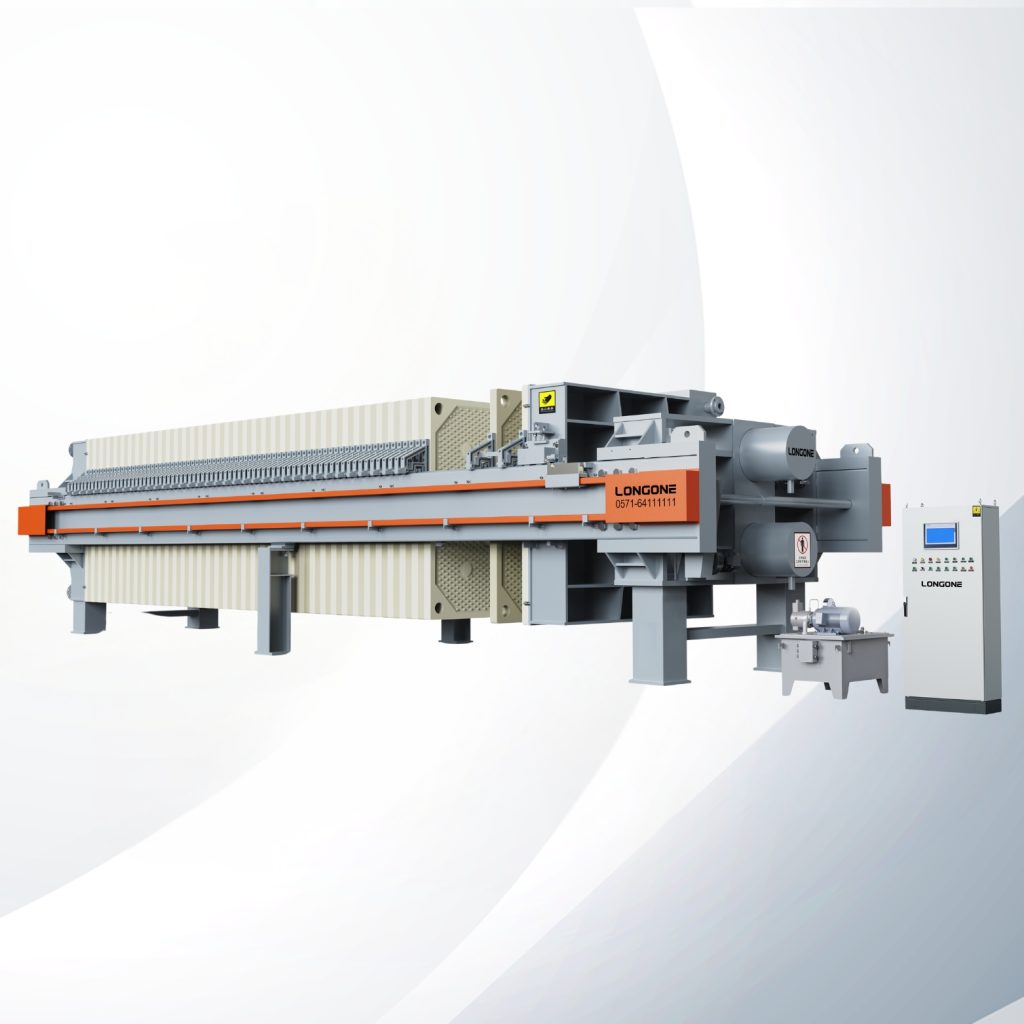
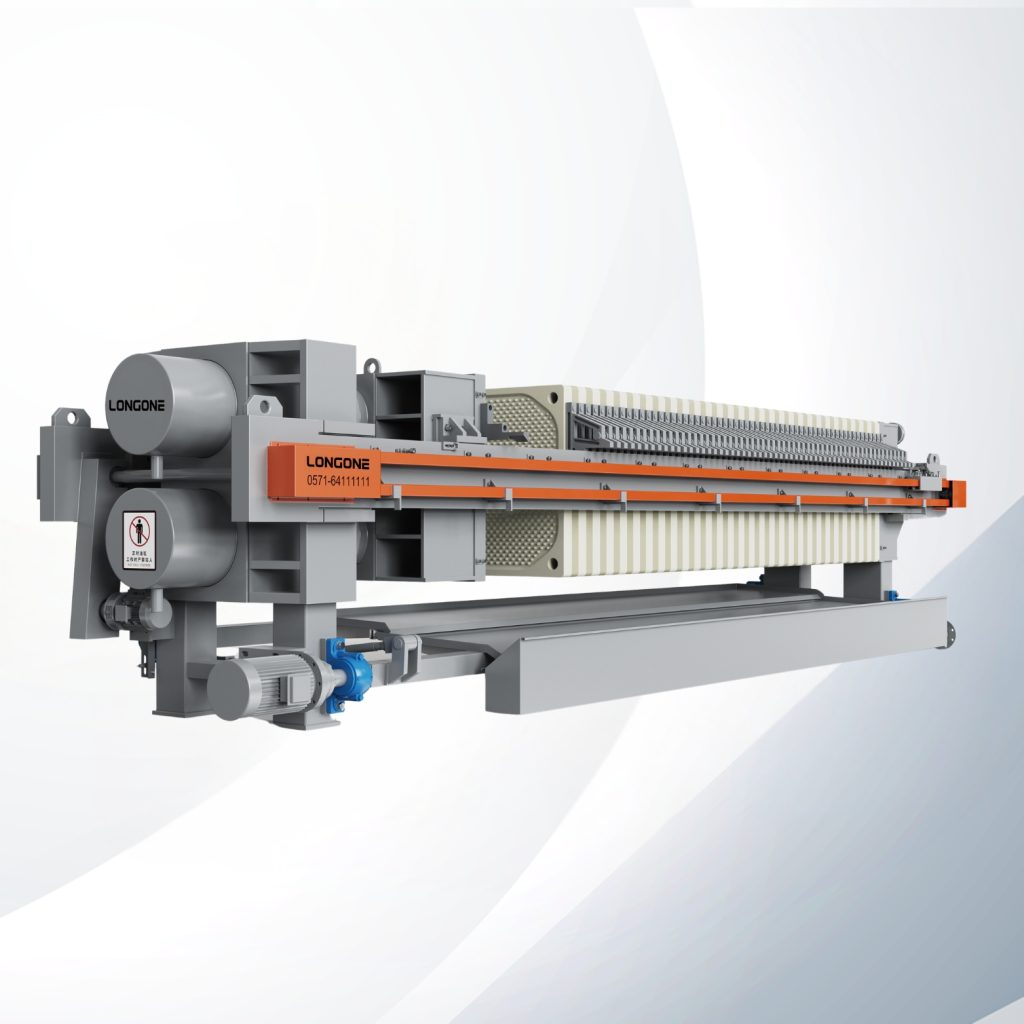
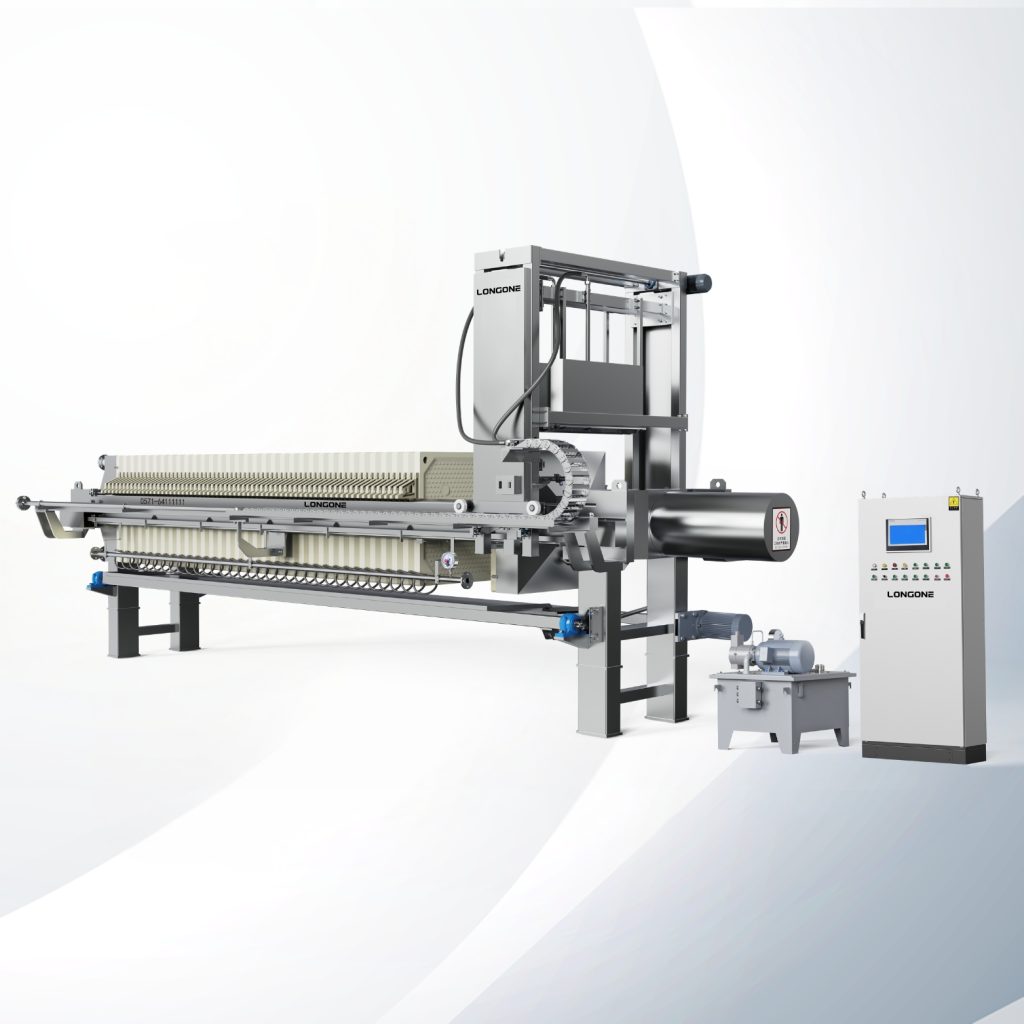
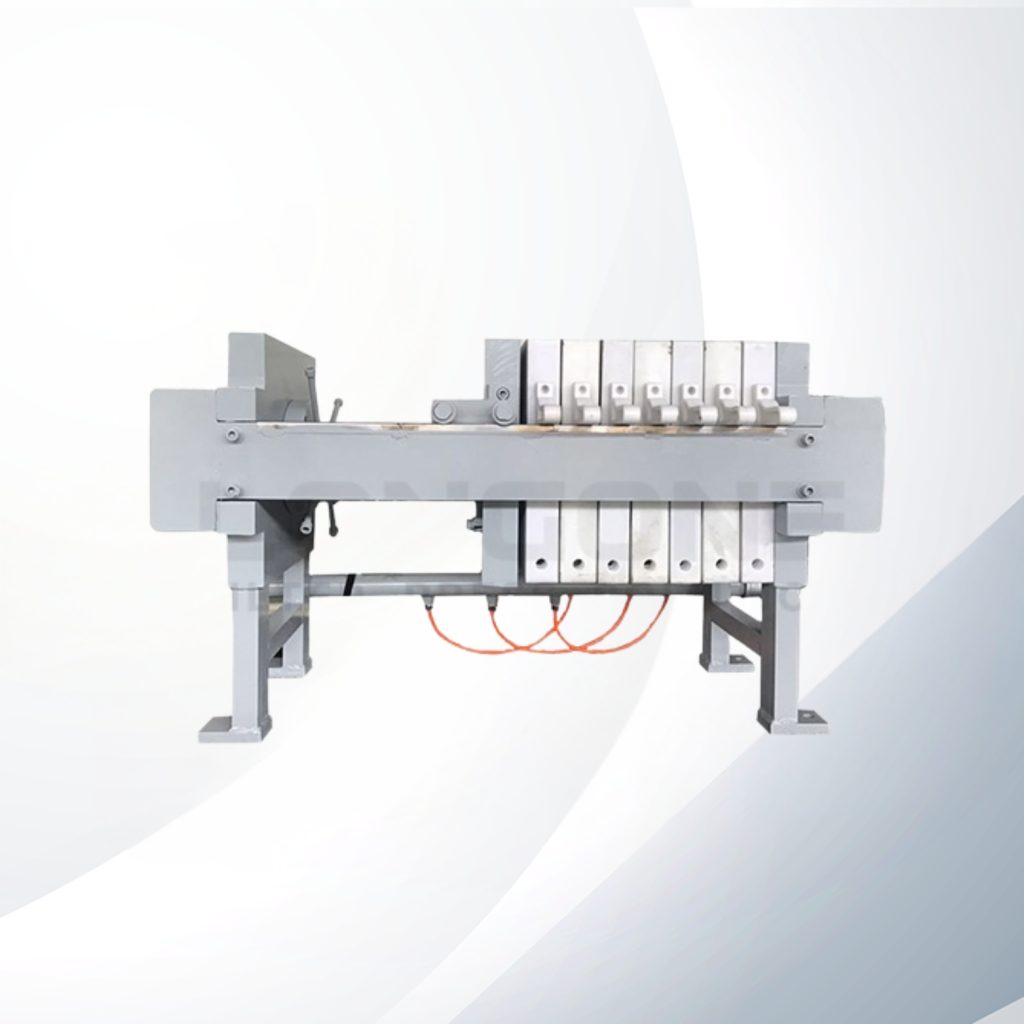
Filter plates are the core working parts of a filter press. They hold the filter cloth, form the chambers where solids build up into filter cake, and carry the channels that guide slurry in and filtrate out. In a typical press, dozens of plates are clamped together between a fixed head and a moving head, and the pressure of the slurry pump forces liquid through the cloth while solids stay behind.
Plate design decides four things that matter directly to your operation:
- Cake thickness and volume: how much solid each chamber can hold per cycle.
- Pressure ceiling: how much feed pressure the plate pack can safely take.
- Cake dryness: whether the cake leaves the press as a wet paste or a handleable solid.
- Cycle time and labor: how quickly you can fill, dewater, open, discharge and restart.
In practice, the plate type is not a catalog preference. It is a decision about what happens to the cake after the press opens: how much it weighs, how it is handled, and what it costs to dispose of or reuse.
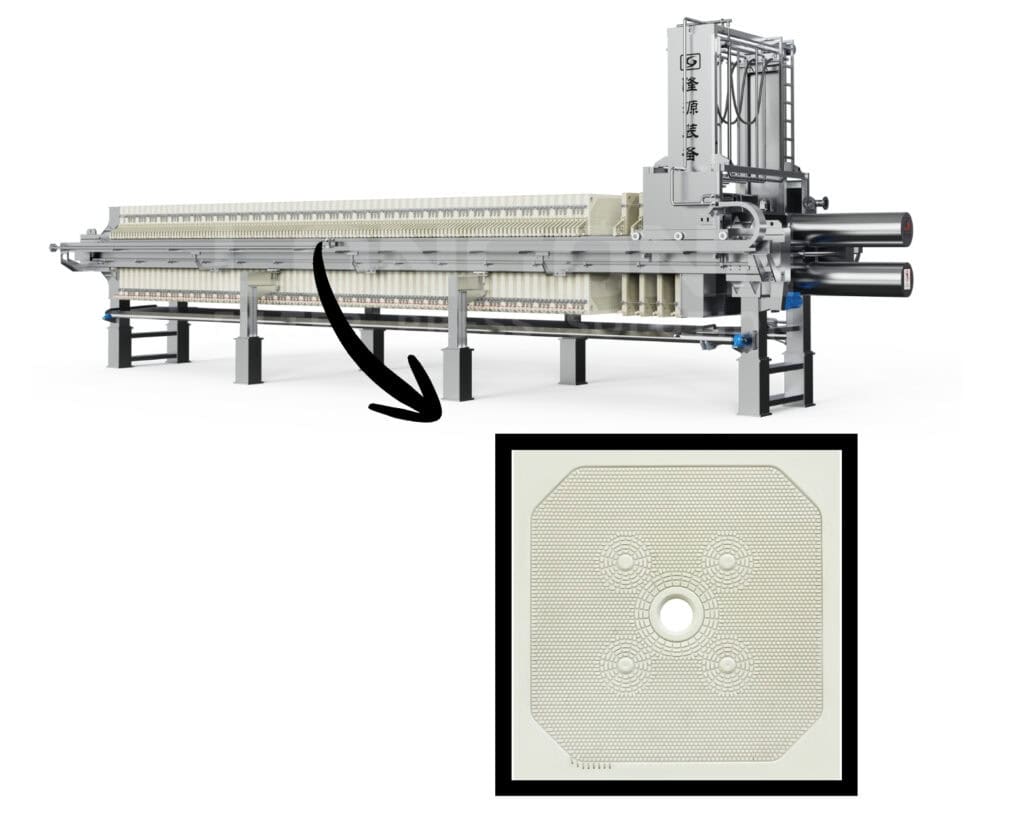
Recessed Chamber Filter Plates: The Industry Workhorse
Recessed chamber filter plates are the most widely used plate type in industrial filtration. Each plate has a raised rim and a recessed (hollowed-out) area on both faces. When two plates are pressed together, the recesses form a sealed chamber that fills with slurry. Cake builds on the cloth on each side of the chamber until the chamber is full.
A quick clarification, because it causes confusion in product listings: “chamber plates” and “recessed plates” describe the same design. They are not two separate categories.
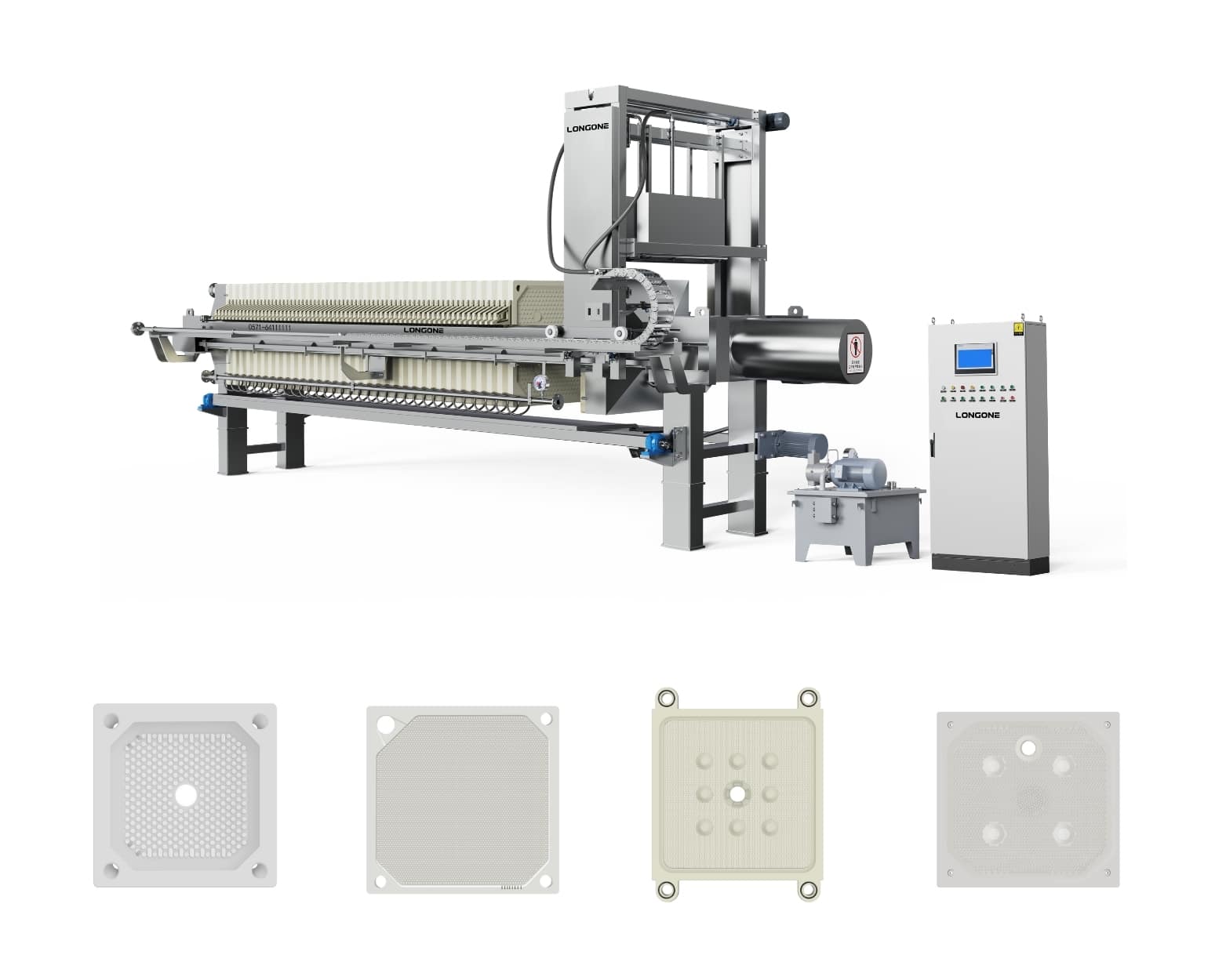
Why they are so common
- A simple, robust structure with no moving or flexible parts inside the plate.
- Good tolerance of high feed pressure. Depending on the plate rating and material, recessed plates are commonly specified for feed pressures in the range of roughly 0.6 to 1.6 MPa.
- Low maintenance and lower purchase cost than membrane plates.
- Available with corner feed, center feed or, in some designs, bottom or top feed positions to suit the slurry and press layout.
Gasketed and non-gasketed variants
Recessed plates come in two common sealing styles. Non-gasketed (NG) plates use a standard cloth and are quick to install, but may drip slightly at the plate edges. Caulked and gasketed recessed (CGR) plates use cloth with a sewn-in caulking cord that seals against a groove around the plate, giving much tighter, near leak-free operation. CGR is often chosen when slurry is hazardous, valuable or messy to clean up.
Where they fit best
Recessed chamber plates suit mining concentrates, industrial and municipal wastewater sludge, chemical processing, ceramics and many other applications where the slurry filters well and a moderately dry cake is acceptable. If your cake already meets your disposal or reuse requirements, recessed plates are usually the most economical choice.
Membrane Filter Plates: How Squeezing Cuts Cake Moisture and Cycle Time
Membrane filter plates start as recessed plates but add a flexible diaphragm (the membrane) on the plate face. The cycle has two stages. First, the chamber fills with slurry just like a recessed plate. Then compressed air or water is pumped behind the membrane, which inflates and squeezes the cake mechanically. This extra squeeze forces out more liquid than pump pressure alone can.
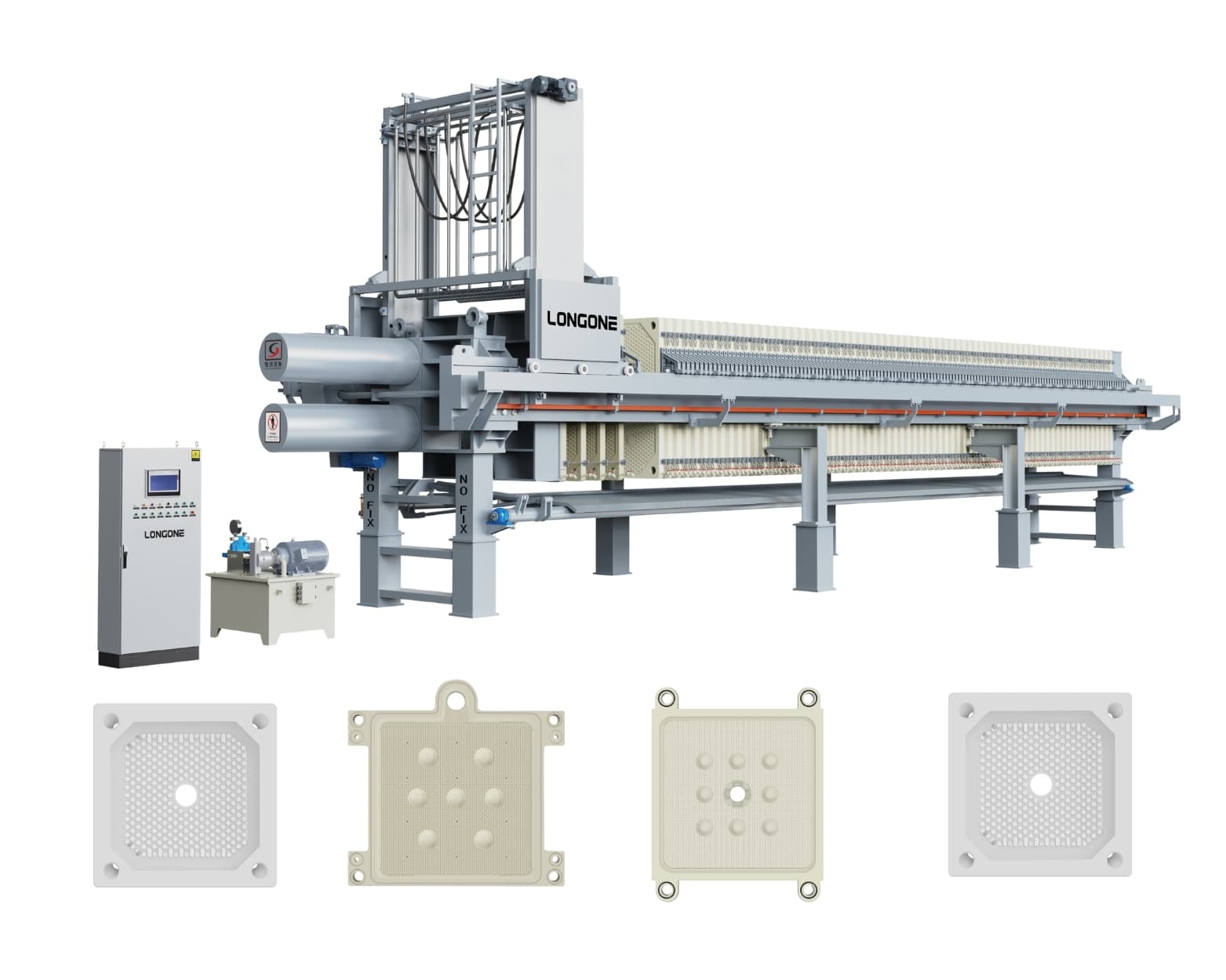
What you gain
- Drier cake. For compressible cakes, the squeeze step can reduce moisture noticeably, which lowers transport and disposal weight.
- Shorter cycles in many cases. Filling can be stopped earlier because the squeeze does the final dewatering.
- More consistent cake. The squeeze evens out cake density across the chamber.
What you take on
- Higher plate cost than recessed plates.
- A squeeze system (air compressor or water pump and piping) with its own pressure requirements, commonly up to around 1.6 to 2.0 MPa depending on the design.
- The membrane itself becomes a wear part that must be inspected and eventually replaced.
Fixed vs. replaceable membranes
Some membrane plates have the membrane welded or bonded to the plate body. When it fails, the plate is replaced. Others use a replaceable membrane, held by a retaining system, so only the diaphragm is changed. Replaceable designs cost more up front but can lower long-term cost on abrasive or hot duty.
Full membrane pack vs. mixed pack
In a full membrane pack, every plate is a membrane plate. In a mixed pack, membrane plates alternate with standard recessed plates. Mixed packs cost less and suit processes with washing or drying stages, while full packs give the most uniform squeeze and are preferred when maximum dryness is the goal.
Membrane plates earn their price when the cake is compressible and disposal is charged by weight, when cycle time is the bottleneck, or when downstream drying costs are high. They rarely pay back on slurry that already filters to a dry, free-draining cake.
Plate and Frame, CGR Gasketed, and Other Specialty Filter Plates
Plate and frame plates. This is the original filter press design. Flat plates alternate with hollow frames, with cloth between them. The frame thickness sets the cake thickness, so it is easy to adjust by changing frames. Plate and frame presses operate at lower pressures and are still used for polishing, fine filtration and small-batch or specialty chemical work where filtration area matters more than throughput. Their drawbacks are more leakage and more manual handling than modern recessed systems.
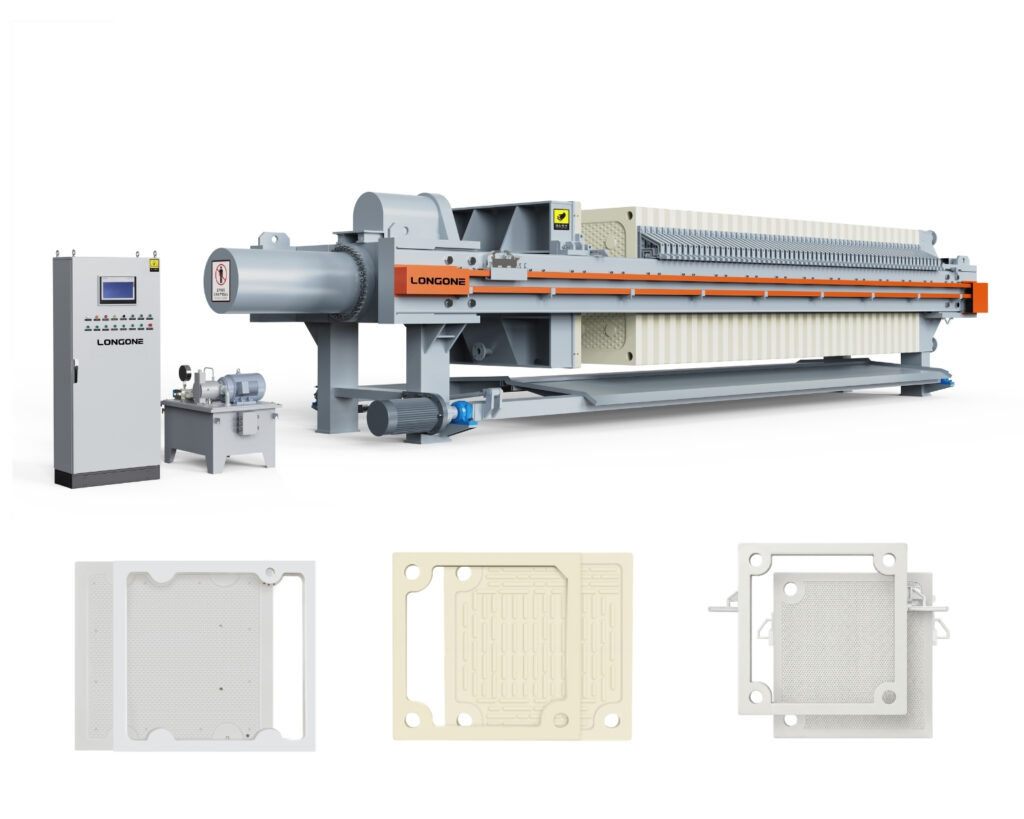
CGR plates. As described above, CGR is a sealing variant of the recessed plate rather than a separate filtration principle. It is worth listing separately because buyers often search for it by name, and because the choice between gasketed and non-gasketed affects housekeeping, product loss and operator safety.
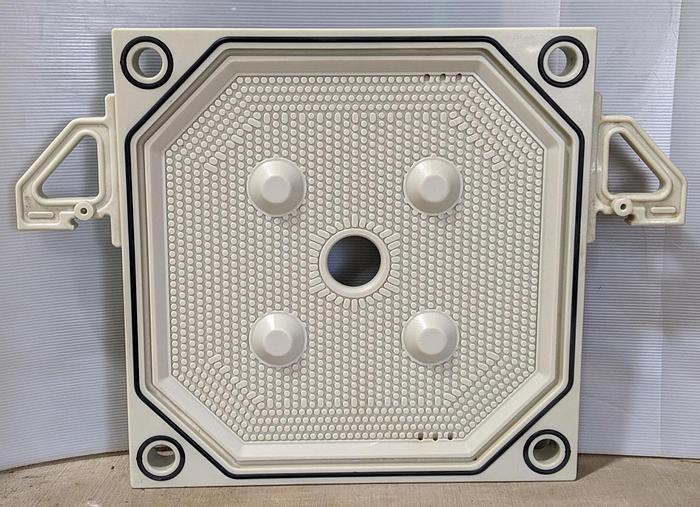
Materials and special designs. Most filter plates today are made of polypropylene (PP) for its chemical resistance, low weight and good strength. Reinforced PP grades handle higher pressure. For higher temperatures or special process needs, plates are also made from metals such as cast iron or stainless steel, and heated designs exist for viscous products like oils and waxes. Because temperature limits vary by material grade, always confirm the operating temperature with the plate manufacturer rather than assuming a standard PP plate will tolerate it.
Filter Plate Types Compared: Materials, Pressure Ratings and Best Applications
The table below summarizes typical characteristics. Actual figures depend on plate size, material grade and design, so treat them as general guidance rather than specifications.
| Plate Type | Key Feature | Cake Dryness | Typical Pressure Range | Best For | Limitations |
|---|---|---|---|---|---|
| Recessed chamber (NG) | Simple recessed chamber, standard cloth | Moderate | Roughly 0.6–1.6 MPa feed | General industrial slurry, mining, wastewater | Slight edge dripping possible |
| Recessed chamber (CGR) | Caulked cloth and gasket seal | Moderate | Roughly 0.6–1.6 MPa feed | Hazardous or high-value slurry, clean operation | Slower cloth changes |
| Membrane (fixed or replaceable) | Inflatable diaphragm squeezes the cake | High | Feed plus squeeze up to roughly 2.0 MPa | Compressible cake, cycle-time or disposal-cost pressure | Higher cost, squeeze system needed, membrane wear |
| Mixed membrane pack | Membrane plates alternate with recessed plates | Moderate to high | Similar to membrane | Processes with washing or drying stages, budget-conscious upgrades | Less uniform squeeze than a full pack |
| Plate and frame | Separate frames set cake thickness | Lower | Lower pressure operation | Polishing, fine filtration, small batches | More leakage, more manual handling |
| Metal or heated plates | Cast iron, stainless steel or heated design | Depends on design | Depends on design | High temperature or viscous products | Higher cost, heavier |
How to Choose the Right Type of Filter Plate for Your Slurry
Work through these questions in order. Each one narrows the field.
1. What does your slurry actually do?
Fast-draining, coarse solids often work well with recessed plates. Fine, compressible or sticky solids are where membrane plates tend to justify their cost.
2. What cake moisture do you need, and what is it worth?
If a wetter cake is acceptable, do not pay for squeeze capability you will not use. If every percentage point of moisture removed saves transport, drying or landfill cost, calculate that saving against the extra cost of membrane plates and their squeeze system.
3. Is cycle time your bottleneck?
If the press is limiting plant throughput, the squeeze step of a membrane plate can help shorten total cycle time.
4. What are your real operating pressure and temperature?
Specify plates against actual feed and squeeze pressure and actual slurry temperature, not just the nominal rating on a datasheet. This is the most common cause of premature plate failure we see: a plate specified for the wrong duty rather than a plate built badly.
5. Is the slurry corrosive or abrasive?
Chemical compatibility decides material choice, and abrasion affects whether replaceable membranes or reinforced plates make sense.
6. Will the new plates fit your existing press?
For replacement orders, plate size, thickness, feed-hole position, handle or lug design and chamber volume must all match the press. Small mismatches cause leakage and uneven plate packs. Sending a drawing or a sample plate is the fastest and lowest-risk way to source compatible plates, even for older or non-standard presses.
Check the details buyers rarely ask about
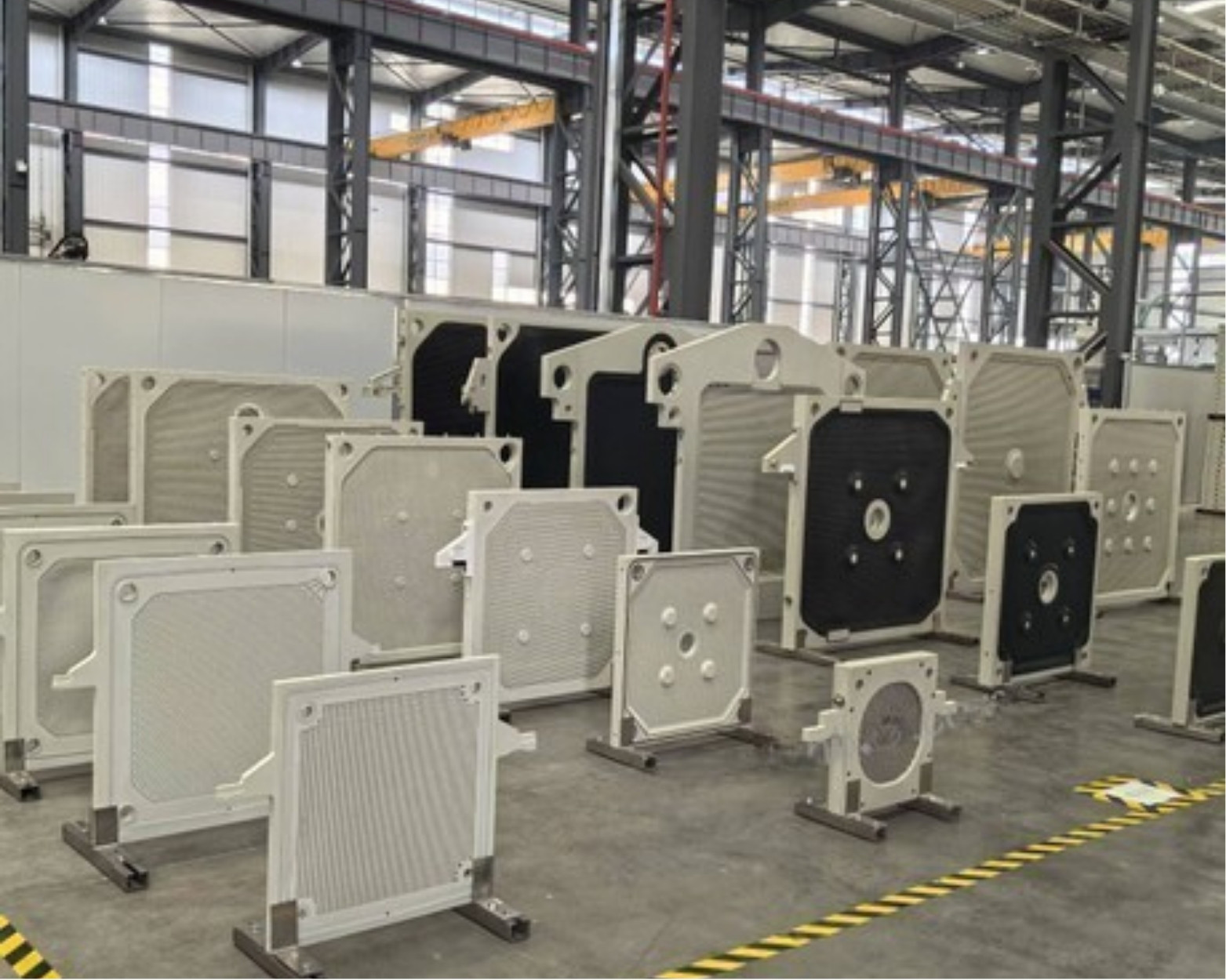
Beyond plate type, four details influence service life: polypropylene grade versus operating temperature, pressure rating versus actual feed pressure, flatness of the sealing surface, and feed-hole position. Asking about these before ordering usually saves more money than negotiating price.
Conclusion
The right type of filter plate depends less on the catalog and more on your slurry, your target cake dryness and the real operating conditions of your press. Recessed chamber plates cover most general applications at the lowest cost. Membrane plates pay back when the cake is compressible and moisture, disposal weight or cycle time directly affects your margins. Plate and frame designs remain useful for polishing and fine filtration, and CGR sealing is worth considering whenever leakage is a concern.
Whichever type you choose, check the details that decide service life: material grade against temperature, pressure rating against actual feed pressure, and exact dimensional match with your existing press. Getting these right at the specification stage is what keeps a filter press running reliably for years, rather than only through the first few cycles.
FAQ
What are the main types of filter plates?
The main types are recessed chamber plates, membrane plates, and plate and frame plates. Recessed plates also come in gasketed (CGR) and non-gasketed versions, and membrane plates can be arranged as a full membrane or mixed pack.
What is the difference between a recessed plate and a membrane plate?
A recessed plate forms a fixed chamber and relies on pump pressure alone. A membrane plate adds an inflatable diaphragm that squeezes the cake after filling, producing a drier cake and often a shorter cycle, at higher cost and with extra equipment.
Are chamber plates and recessed plates the same thing?
Yes. Both terms describe the same design, in which recessed faces on adjacent plates form a sealed filtration chamber.
How do I choose a filter plate for my filter press?
Start with your slurry characteristics, target cake moisture, operating pressure and temperature, and cycle-time needs. Then confirm that the plate dimensions and feed configuration match your existing press.