Struggling with inefficient sludge dewatering can lead to soaring disposal costs and wasted water, directly impacting your bottom line. Choosing the wrong dewatering equipment often means you’re left with wet, heavy filter cake and cloudy filtrate, completely negating any potential operational savings. The real advantages of filter presses are only unlocked when you look beyond the machine’s frame and focus on the core components that truly deliver performance.
The primary advantages of a filter press include high cake dryness, excellent filtrate clarity, operational robustness, and versatility across various slurries. These benefits are not automatic; they are directly determined by the quality, material, and design of the filter plates, which control dewatering efficiency and sealing precision.
While these benefits sound impressive on a spec sheet, achieving them in your facility depends entirely on specific technical choices. Let’s break down how each advantage is tied directly to the engineering of the filter press’s most critical, and often overlooked, component: the filter plate.
What Is a Filter Press, and How Does It Work?
Many people see a filter press as just a large, complex piece of industrial machinery. This perspective makes it difficult to pinpoint what really matters during the procurement process. To evaluate one properly, let’s simplify its function down to its core principle: high-pressure solid-liquid separation.
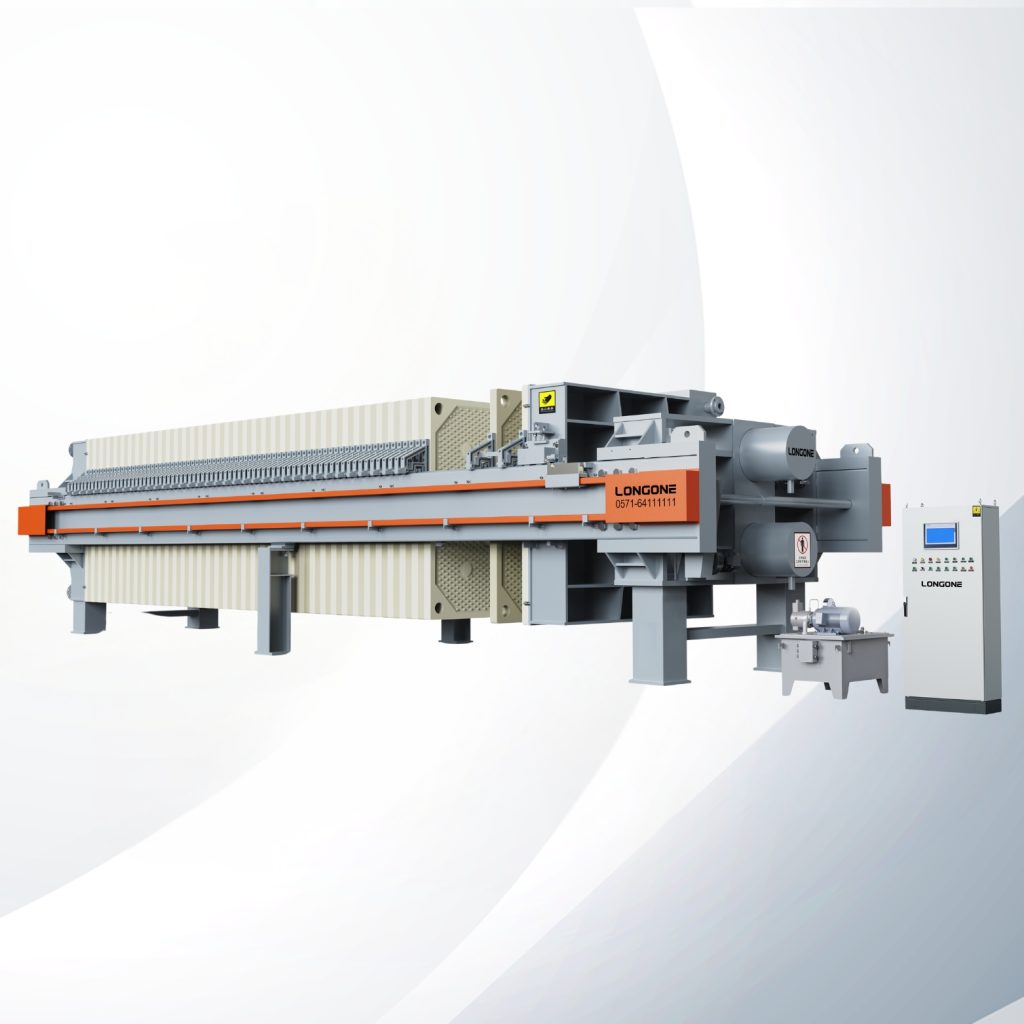
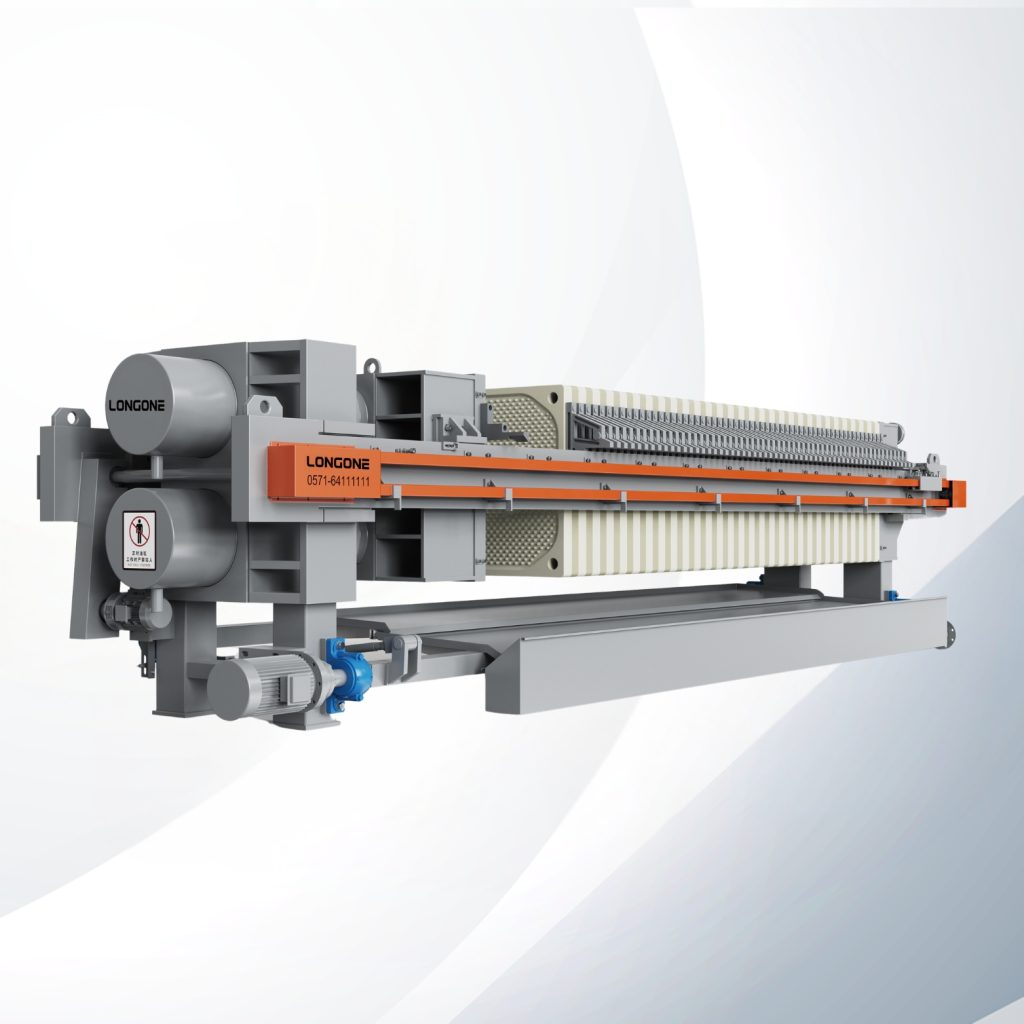
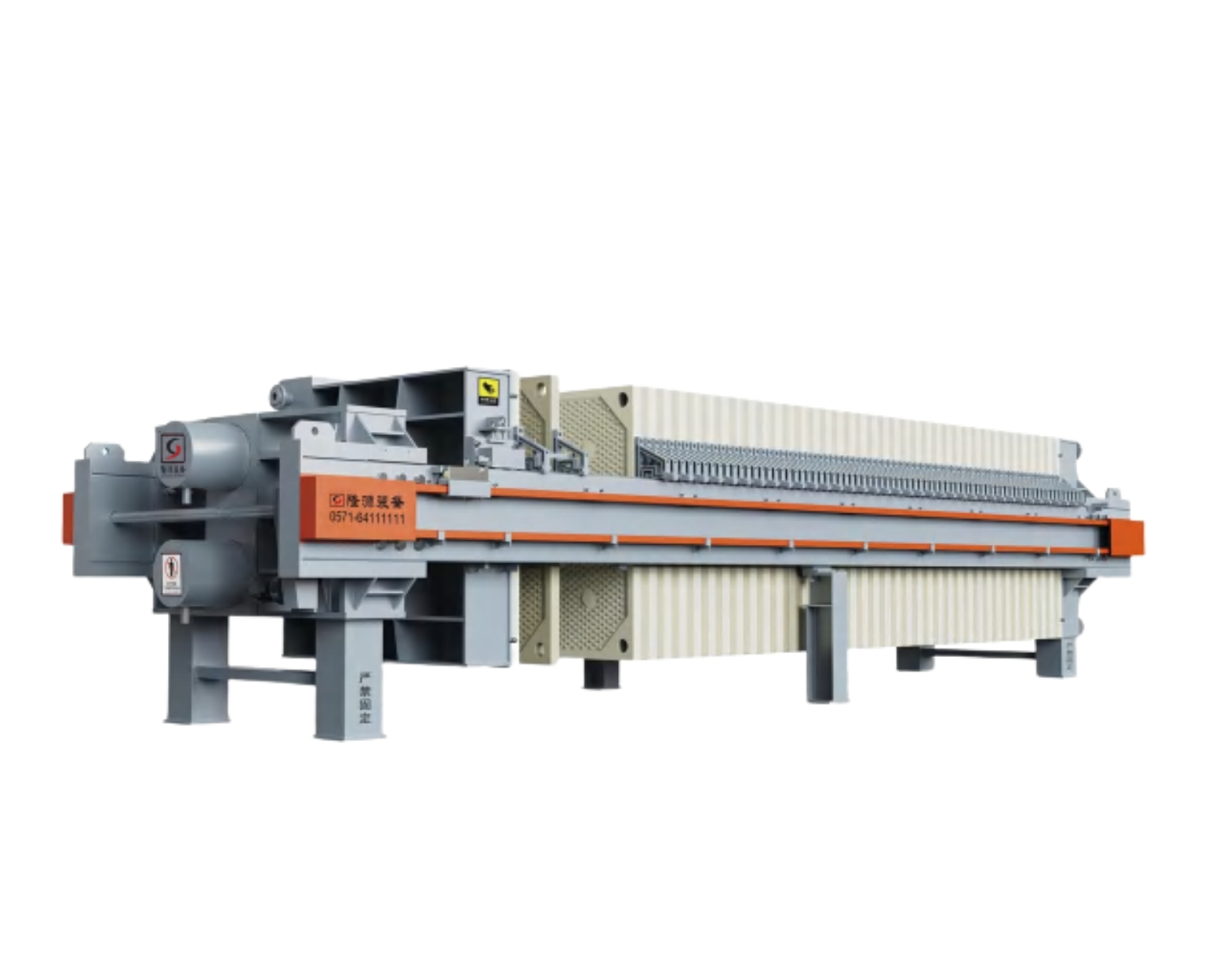
A prensa de filtro is a batch-operated machine designed for solid-liquid separation. It uses high pressure to force a slurry through a series of filter plates and cloths, capturing solid particles to form a dry, compact filter cake while allowing the clean liquid (filtrate) to pass through and be collected.
The Filtration Cycle Step-by-Step
A filter press may look imposing, but its operation follows a simple, repeatable cycle. Understanding this cycle helps clarify where quality and design make a difference.
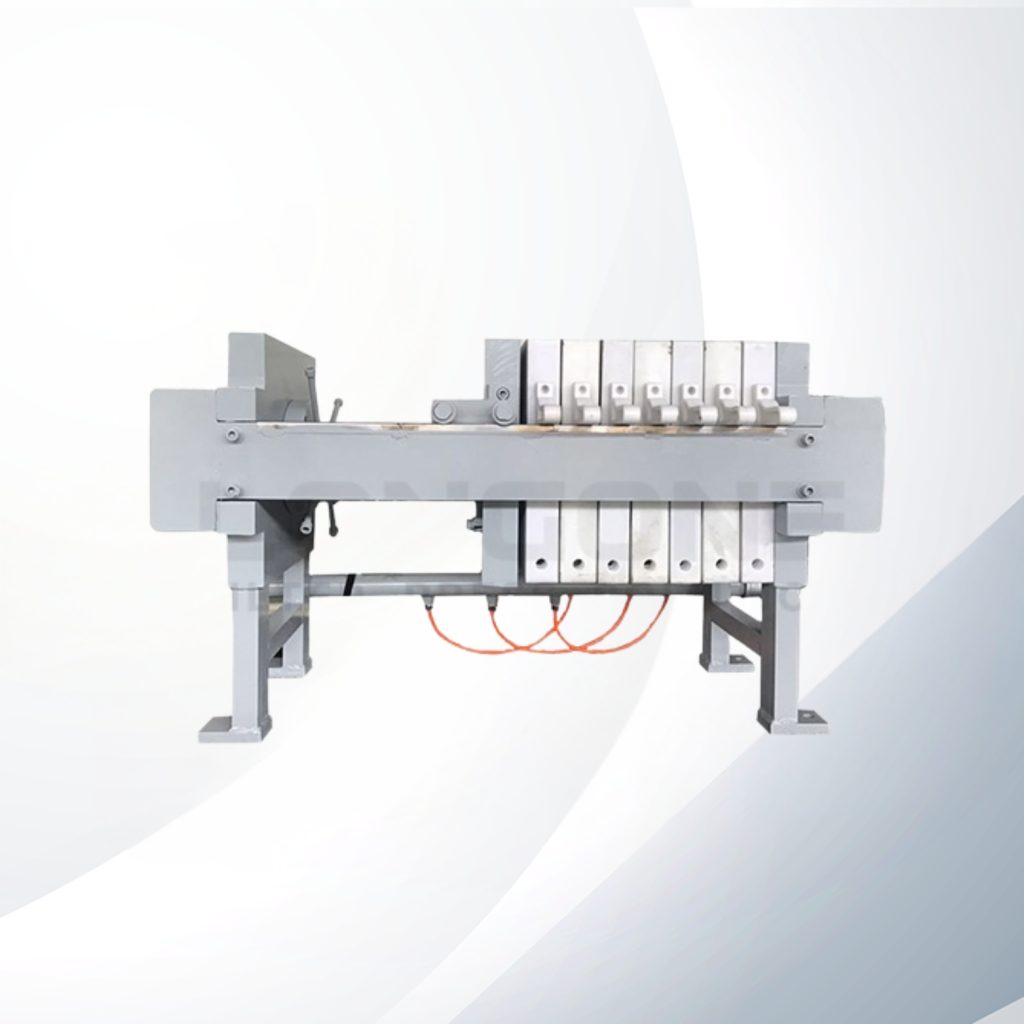
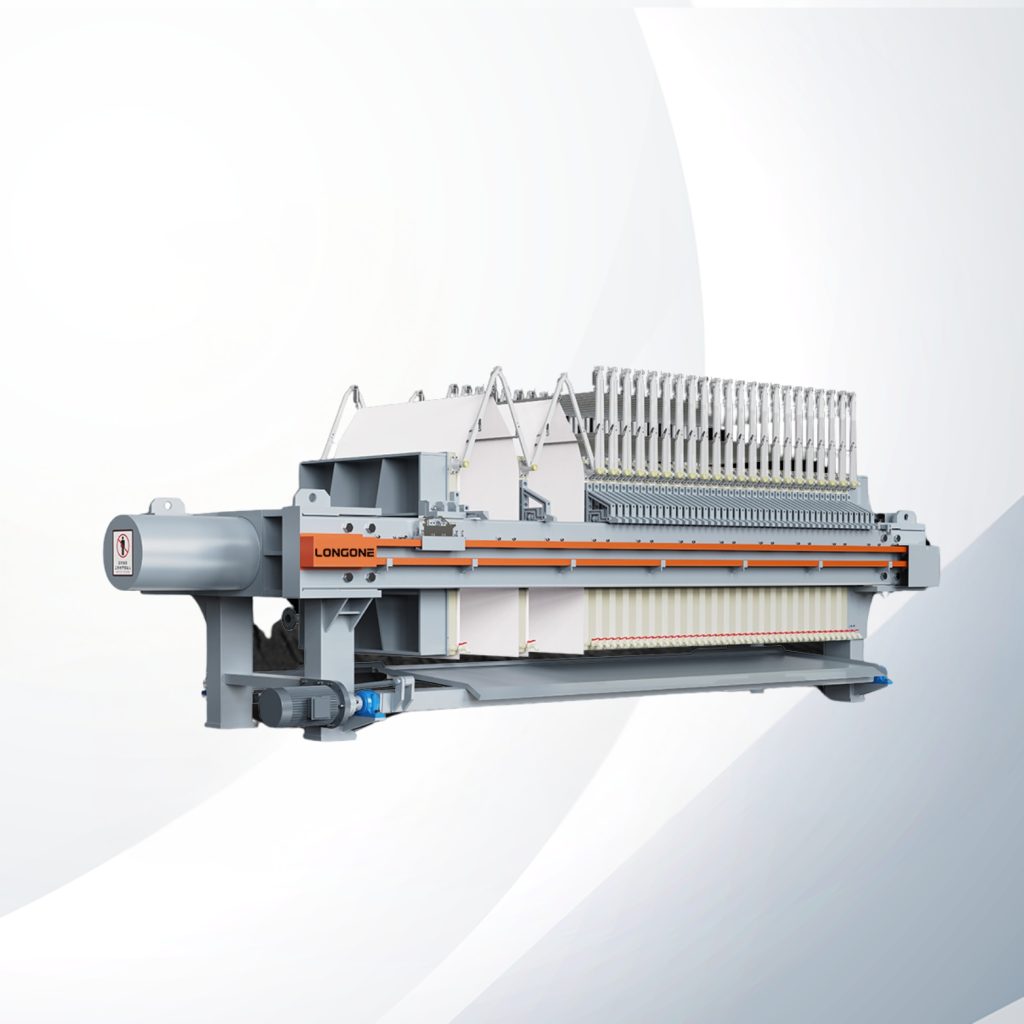
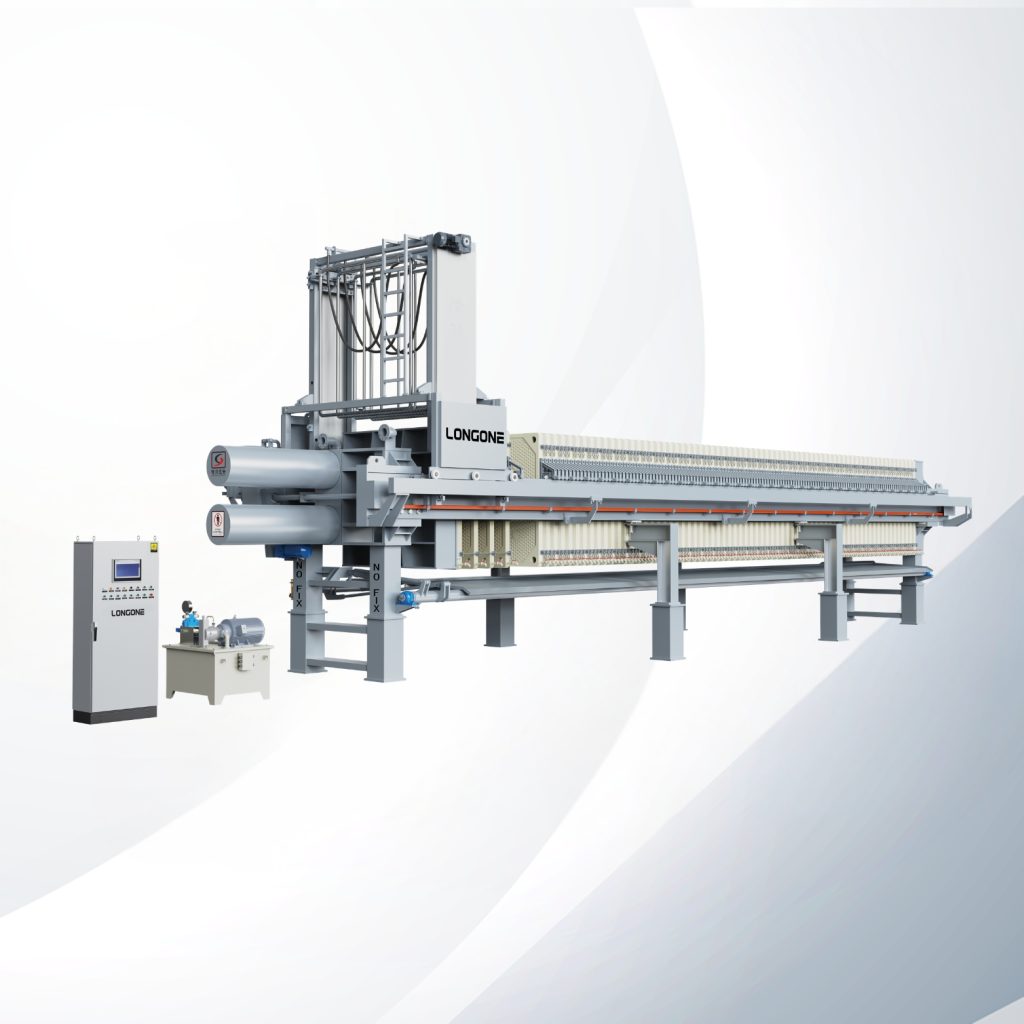
The entire system is built around a heavy-duty frame that holds a series of filter plates together under immense pressure, typically generated by a hydraulic cylinder. Each plate is dressed with a filter cloth. When pressed together, the plates form a series of sealed chambers.
The cycle proceeds as follows:
- Closing & Clamping: The hydraulic system pushes the moving head against the plate pack, clamping them together with enough force to create a tight seal between each plate.
- Filling (Filtration): A high-pressure pump feeds the slurry into the chambers. The liquid passes through the filter cloths and exits through drainage ports in the plates as clean filtrate. The solid particles are too large to pass and begin to build up on the cloth surface, forming a filter cake.
- Filtration Completion: The feed pump continues to run until the chambers are completely packed with solids and the flow of filtrate slows to a minimum. At this point, the cake has reached its maximum possible dryness for the given feed pressure.
- Optional Cake Squeeze (Membrane Presses): If the press is equipped with membrane filter plates, water or compressed air is introduced into a flexible diaphragm within the plate. This inflates the membrane, mechanically squeezing the filter cake to remove even more liquid. This step can dramatically increase cake solids content.
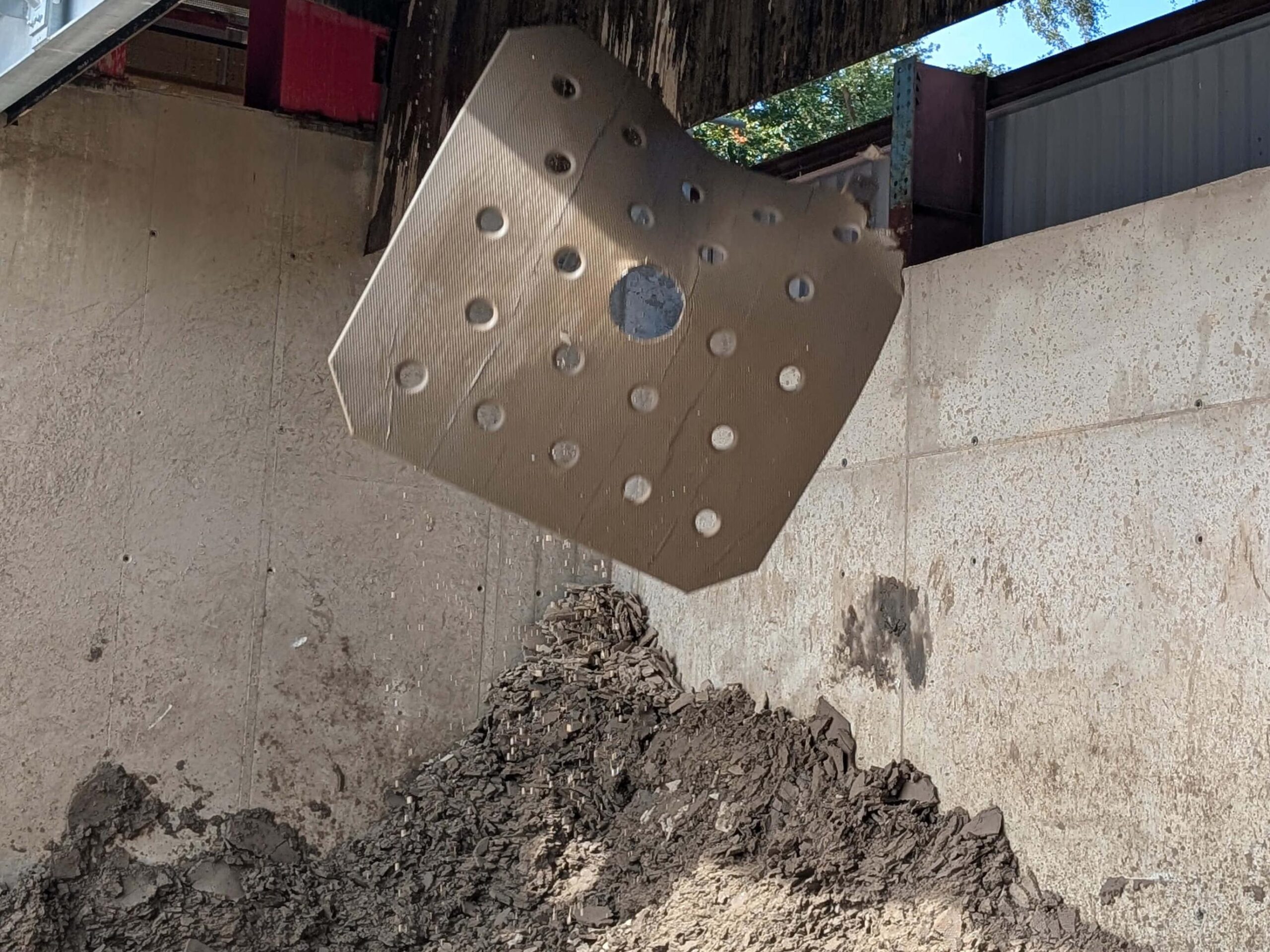
- Opening & Cake Discharge: The hydraulic cylinder retracts, and the plates are separated one by one. The consolidated, dry filter cakes drop from between the plates onto a conveyor or into a hopper below.
Once the last cake is discharged, the cycle is ready to begin again. The “magic” of separation happens within the chambers created by the filter plates. Their design, material, and manufacturing precision dictate the efficiency of this entire process.
What Are the Main Advantages of Filter Press in Industrial Applications?
You are likely evaluating different dewatering technologies and need to justify your investment. A simple list of benefits isn’t enough; you need to understand why a filter press excels in certain situations and how those benefits translate to your operational goals. Here are the core performance advantages of filter presses that make them a top choice for demanding solid-liquid separation.
The key advantages of a filter press are superior filter cake dryness, which reduces disposal volume and costs; high filtrate clarity for water reuse; robust, simple mechanics with few moving parts for high reliability; and versatility to handle a wide range of slurry types and particle sizes.
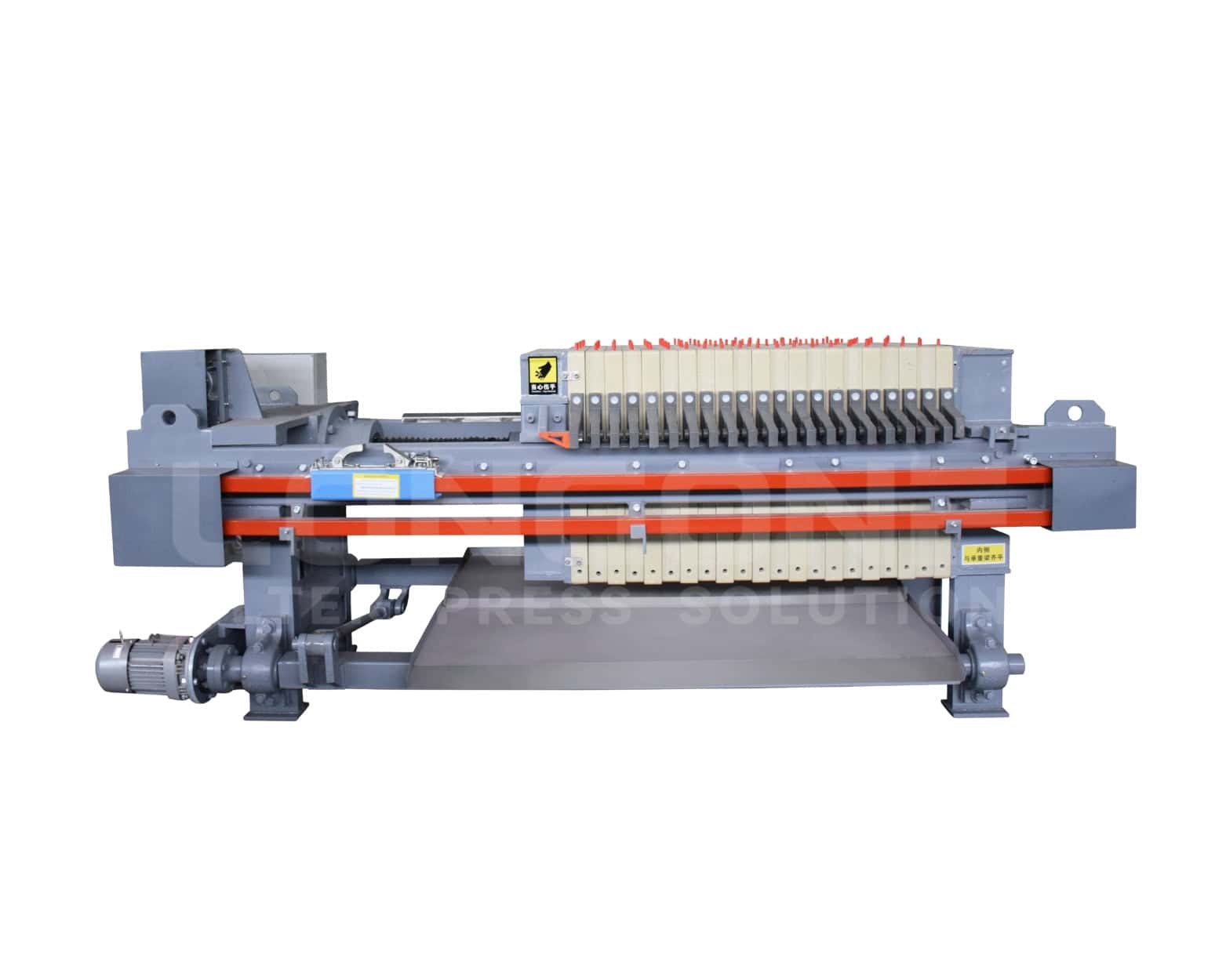
These advantages make the filter press a powerhouse in industries from mining and wastewater treatment to chemical processing and food production.
- Extremely High Cake Dryness: Compared to other mechanical dewatering methods like centrifuges or belt presses, a filter press consistently produces the driest filter cake. This directly translates to lower transportation and disposal costs, and in some cases, allows the cake to be classified as a solid rather than a liquid waste.
- Exceptional Filtrate Clarity: The combination of high pressure and a fine filter medium results in crystal-clear filtrate. This is critical for applications where the liquid is a valuable product or needs to be reused within the plant to conserve water.
- Operational Simplicity and Reliability: A filter press has very few moving parts—primarily the hydraulic system and an optional plate shifter. This simple, robust design leads to high uptime, lower maintenance costs, and a longer operational lifespan compared to high-speed rotational equipment.
- Process Flexibility and Versatility: The same filter press can be adapted to handle vastly different slurries. By changing the filter cloths, adjusting operating pressures, or modifying cycle times, you can optimize performance for materials with different particle sizes, concentrations, and chemical properties.
High Cake Dryness: How Plate and Chamber Design Drive Disposal Cost Savings
High disposal costs for wet, heavy sludge are a constant drain on any facility’s operational budget. Every extra percentage point of moisture adds weight and volume that you have to pay to transport and landfill. The secret to maximizing cake dryness and minimizing these costs lies in the engineering of the filter plates and the chambers they form.
High cake dryness is achieved through the filter plate’s chamber depth and the applied pressure. Deeper chambers hold more slurry but can result in wetter cakes, while shallower chambers produce drier but smaller cakes. Membrane plates further enhance dryness by squeezing the cake before discharge.
Recessed Chamber Plates
This is the standard, most common type of filter plate. Each plate has a depression (or recess) on both faces. When two plates are pressed together, the recesses form a hollow chamber. The depth of this chamber (e.g., 25mm, 32mm) determines the thickness of the final filter cake.
- How it works: Dryness is achieved solely by the pressure from the slurry feed pump. The longer the pump runs and the higher the pressure, the more water is forced out.
- The quality factor: The single most important factor for achieving uniform dryness with chamber plates is plate flatness. Over time, plates made from inferior materials or poor molding processes can warp under heat and pressure. A warped plate creates an uneven chamber, leading to inconsistent cake formation—some parts will be dry, while others remain wet and soupy. This is a common point of failure. At our facility, we use 100% virgin polypropylene and precision molding techniques to ensure our plates remain flat and stable throughout their service life.
Membrane Plates
Membrane plates, also known as diaphragm plates, represent a significant technological step up. They look similar to chamber plates but include a flexible, inflatable membrane on one or both faces.
- How it works: After the initial filtration cycle is complete, the feed pump stops. Then, compressed air or water is pumped behind the membrane, causing it to expand and physically squeeze the filter cake that has formed in the chamber. This mechanical squeeze wrings out significantly more liquid than pressure filtration alone.
- The performance advantage: Membrane plates can increase cake solids content by an additional 10-20% or more compared to standard chamber plates. I once visited a customer in the mining sector whose disposal costs were astronomical. Their chamber press was producing cakes with only 55% solids. After retrofitting their press with our membrane plates, they consistently achieved over 70% solids, cutting their hauling costs nearly in half. The investment paid for itself in less than a year.
Filtrate Clarity and Water Recovery: The Role of Sealing Precision and Filter Cloth Fit
Your current system produces cloudy filtrate, rendering water reuse impossible and creating potential environmental compliance headaches. This contaminated liquid means you are either losing valuable product that escapes with the filtrate or paying more for downstream water treatment. The solution isn’t just a finer filter cloth; it’s the perfect marriage between the cloth and the precision-machined sealing surfaces of the filter plate.
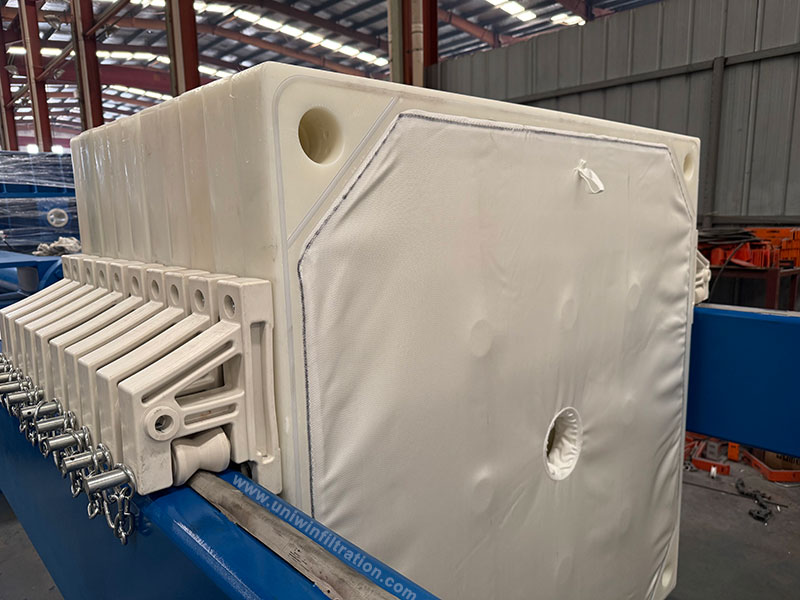
Excellent filtrate clarity depends on the integrity of the seal between filter plates. Any gaps or imperfections on the plate’s sealing edge, or an improper fit of the filter cloth, will allow slurry solids to bypass the filter medium, resulting in a cloudy, contaminated filtrate.
Where Leaks Begin
Under the immense pressures of a filtration cycle (often exceeding 225 PSI or 1.5 MPa), even the smallest imperfection can become a major leak path. The solids in the slurry will follow the path of least resistance. If a gap exists between plates, the slurry will short-circuit the filter cloth entirely.
The Critical Role of the Sealing Edge
The outer perimeter of a filter plate is a raised, flat surface known as the sealing edge. When the plate pack is clamped, these edges press against each other (with the filter cloth sandwiched between them) to form the seal that contains the high-pressure slurry within the chamber.
For this seal to be effective, the surface must be:
- Perfectly Flat: Any high or low spots will create a channel for leakage.
- Perfectly Smooth: Scratches, nicks, or molding defects disrupt the seal.
- Dimensionally Precise: The plate must be manufactured to tight tolerances so it aligns perfectly with its neighbors.
This is why we insist on CNC machining the sealing surfaces of every plate we produce at LONGONE. It’s an extra step that some manufacturers skip, but it is non-negotiable for guaranteeing a leak-free operation. This precision is fundamental to achieving one of the most valuable advantages of filter presses: producing exceptionally clean water.
Filter Cloth Integration
The filter cloth is the primary filtration medium, but it cannot do its job if it isn’t properly supported and sealed by the plate. The cloth drapes over the plate, and its edges are caught between the sealing surfaces. If the cloth is too thick, too thin, or cut incorrectly, it can bunch up or “wick,” creating a leak path. A high-quality plate is designed with the cloth’s dimensions and attachment style (e.g., grommets for tie-on cloths or a groove for CGR “caulked and gasketed” plates) in mind, ensuring a seamless fit.
Filter Press vs. Centrifuge vs. Belt Press: Which Technology Is Right for You?
You have several dewatering technologies to choose from, and making the right decision can feel overwhelming. Choosing the wrong equipment can lock you into high energy costs, excessive maintenance, or poor performance for your specific slurry. Let’s compare the three most common technologies on key performance indicators to clarify when a filter press is the superior choice.
A filter press is superior for applications requiring the highest possible cake dryness and filtrate clarity. While centrifuges and belt presses are continuous processes, they typically produce wetter cakes, consume more energy and flocculant, and are more sensitive to variations in feed slurry.
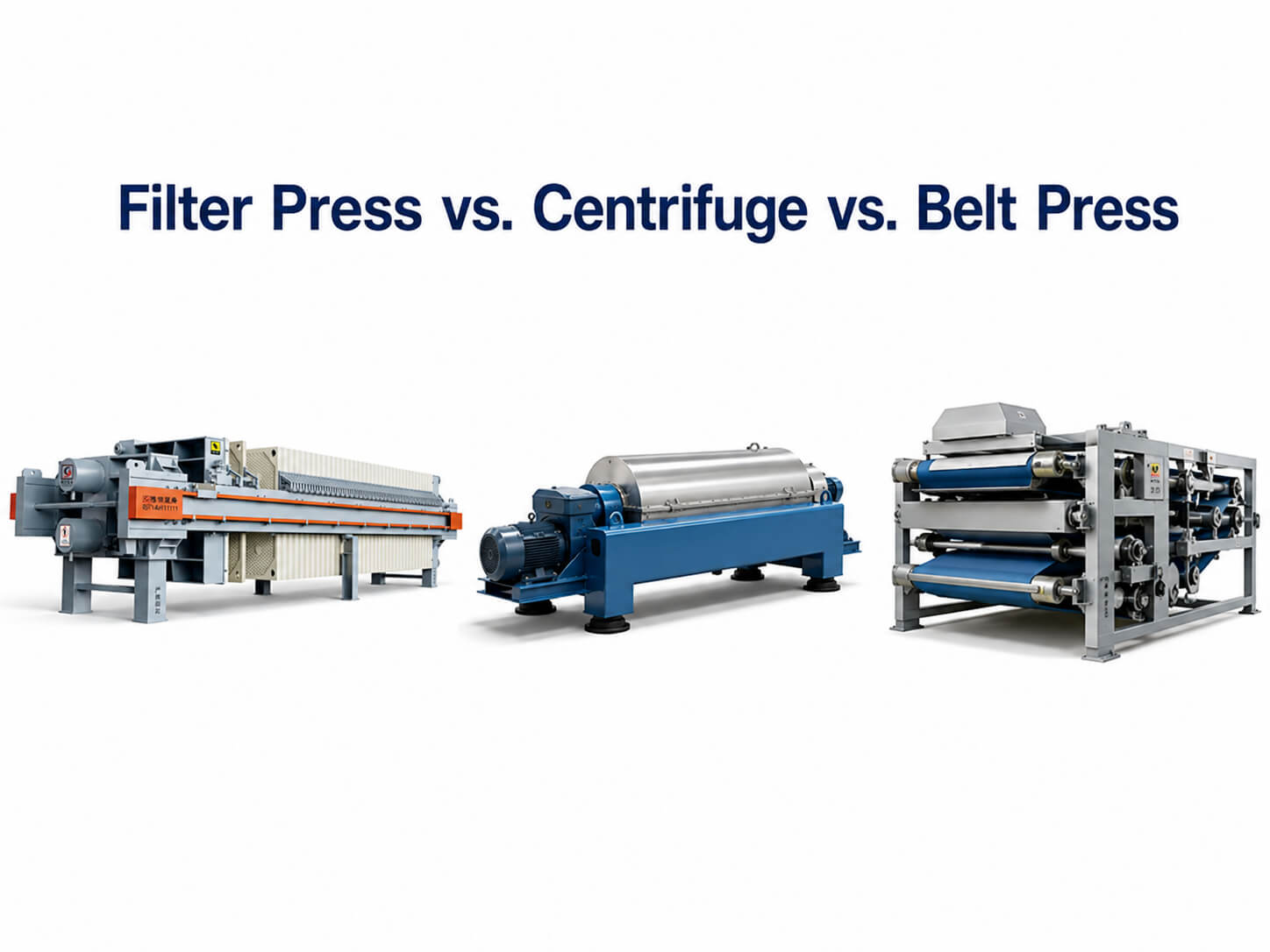
This table provides a high-level overview to guide your initial evaluation. The best choice always depends on a detailed analysis of your process goals, slurry characteristics, and budget.
| Feature | Prensa de filtro | Centrifuge | Belt Press |
|---|---|---|---|
| Process Type | Batch | Continuous | Continuous |
| Cake Dryness (% Solids) | Very High (40-80%+) | Moderate (15-40%) | Low-Moderate (15-30%) |
| Filtrate Clarity | Very High | Moderate-High | Low-Moderate |
| Polymer/Flocculant Use | Low / Optional | High | High |
| Energy Consumption | Low (intermittent) | High (continuous motor) | Moderate |
| Maintenance | Low (few moving parts) | High (high-speed parts) | Moderate (belt wear, rollers) |
| Capital Cost (CAPEX) | Moderate-High | High | Low-Moderate |
| Operating Cost (OPEX) | Lowest (low energy/polymer) | High (high energy/maintenance) | Moderate |
| Feed Solids Variation | Highly Tolerant | Sensitive | Sensitive |
| Best For… | Maximizing cake dryness, water reuse, low disposal costs, recovering valuable solids. | High throughput where moderate dryness is acceptable. | High volume dewatering where low capital cost is the top priority. |
The key takeaway is a trade-off between throughput and performance. While centrifuges and belt presses are continuous, they often require significant chemical conditioning (polymers) to function and still produce a wetter cake. A filter press’s batch process, driven by pure mechanical pressure, results in lower operating costs through reduced chemical and energy consumption and, most importantly, the lowest disposal costs due to superior cake dryness.
Corrosion, Discharge, and Automation: What Should You Specify in a Filter Plate?
You now understand that filter plates are critical, but you’re not sure what technical details to discuss with a potential supplier. Simply accepting the “standard” plate configuration can lead to premature failure from chemical corrosion, operational bottlenecks from poor cake discharge, or mechanical breakdowns in an automated system.
When specifying filter plates, you must consider the material for corrosion resistance (e.g., polypropylene for acids), the surface design for clean cake release, and compatibility with automation features like plate shifters. These choices directly impact the press’s lifespan and operational efficiency.
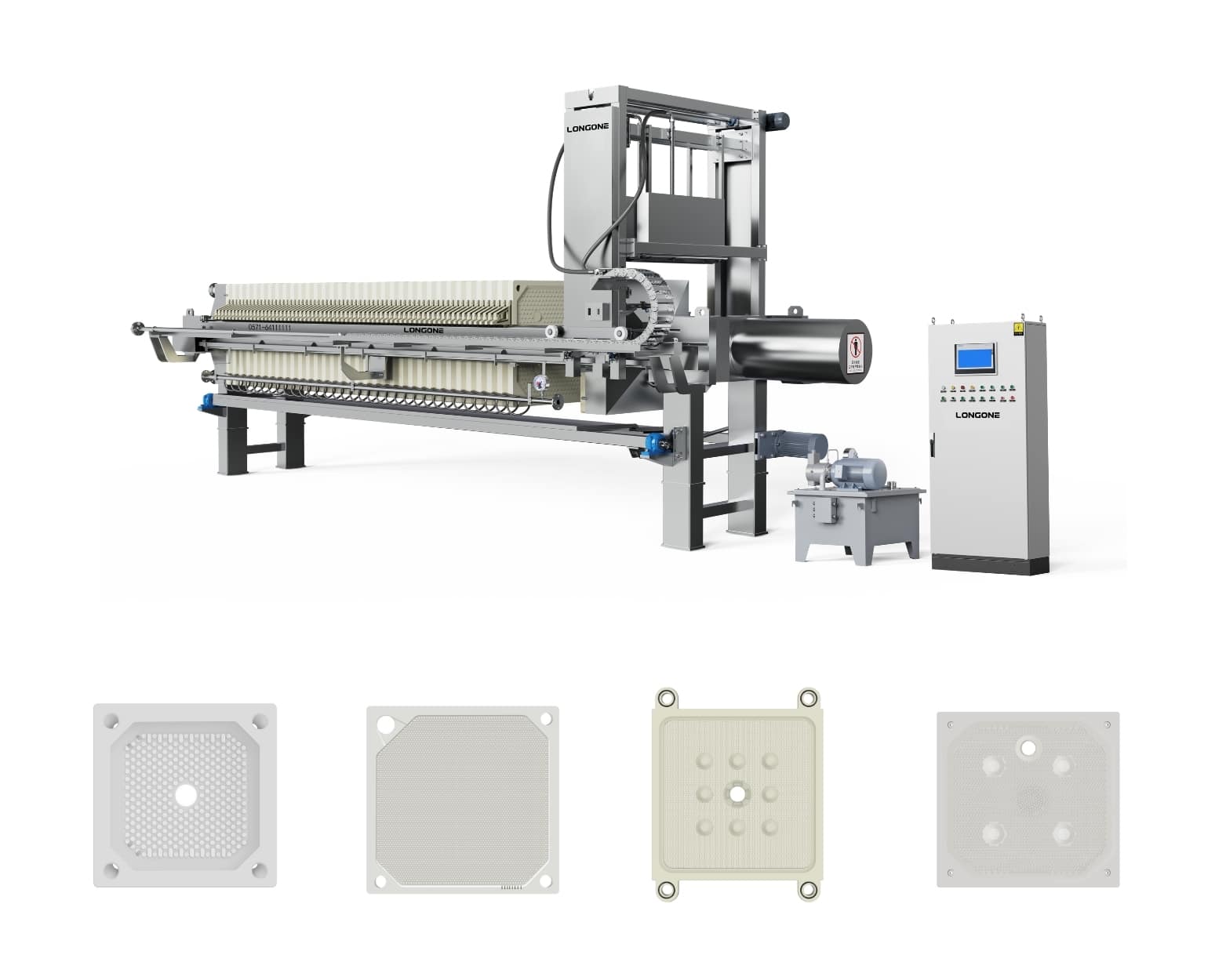
Material Selection for Corrosion Resistance
El filter plate material must be chemically compatible with your slurry. An incorrect choice will lead to the plates becoming brittle, swelling, or literally dissolving over time.
- Virgin Polypropylene (PP): This is the workhorse of the industry. It offers excellent resistance to a wide range of acids and alkalis and is suitable for temperatures up to around 80°C (176°F). We use 100% virgin PP, as recycled material can contain impurities that compromise chemical resistance and structural integrity.
- Glass-Reinforced Polypropylene: Adding glass fibers to the PP mix increases its rigidity and temperature resistance, making it suitable for higher pressure applications or processes running up to 90-100°C (194-212°F).
- Specialty Materials: For extreme conditions, such as those involving aggressive solvents or very high temperatures, materials like PVDF, stainless steel, or other alloys may be required.
We always request a full chemical analysis and temperature profile of a customer’s slurry. This is the only way to confidently recommend a plate material that will last for years, not months.
Surface Design for Clean Cake Discharge
An automatic filter press is only automatic if the cakes release cleanly on their own. If an operator has to manually scrape sticky cake off each plate, you’ve lost the entire efficiency benefit. The drainage surface of the plate—the pattern of “pips” or grooves—is designed to do two things: allow filtrate to drain away and minimize the surface area to which the cake can adhere. The shape, height, and finish of these pips are critical. We have developed several proprietary pip patterns optimized for different types of cakes, from sticky biological sludges to abrasive mineral concentrates.
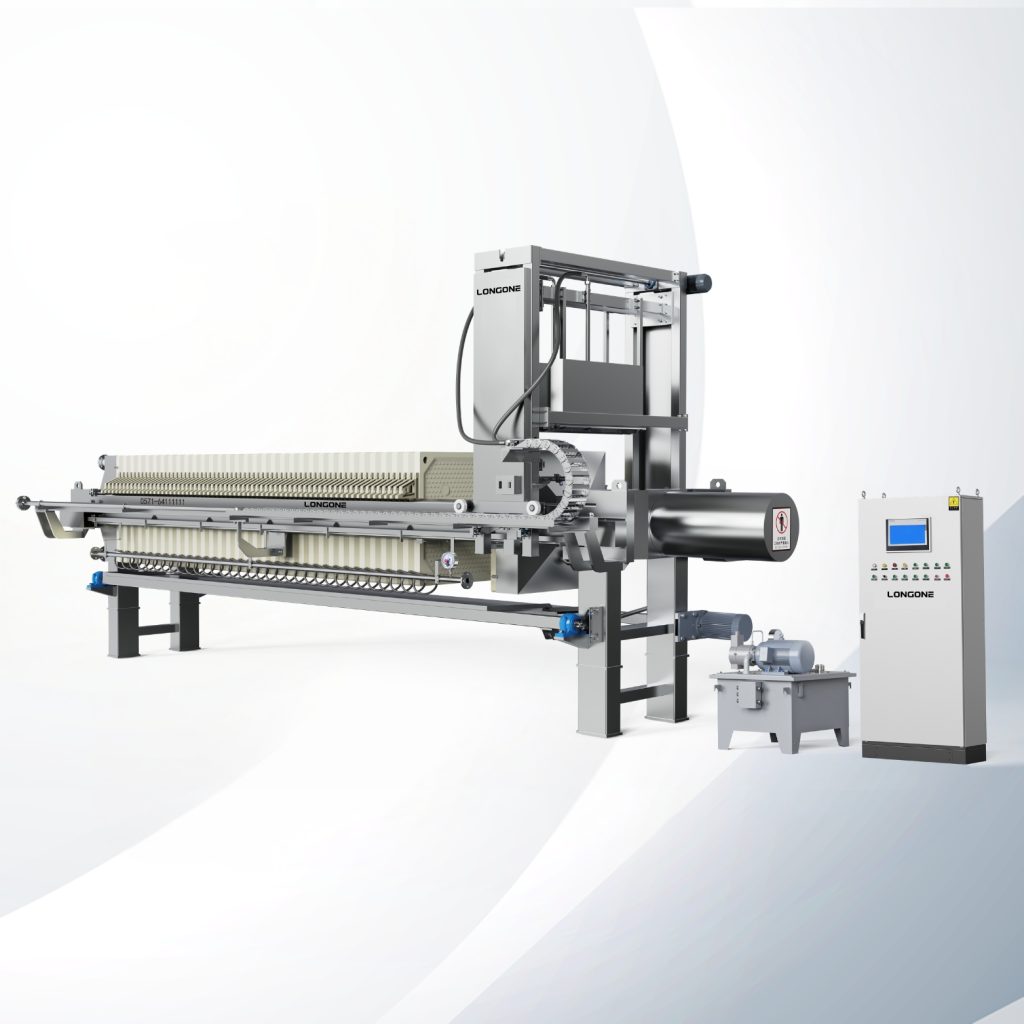
Plates and Automation
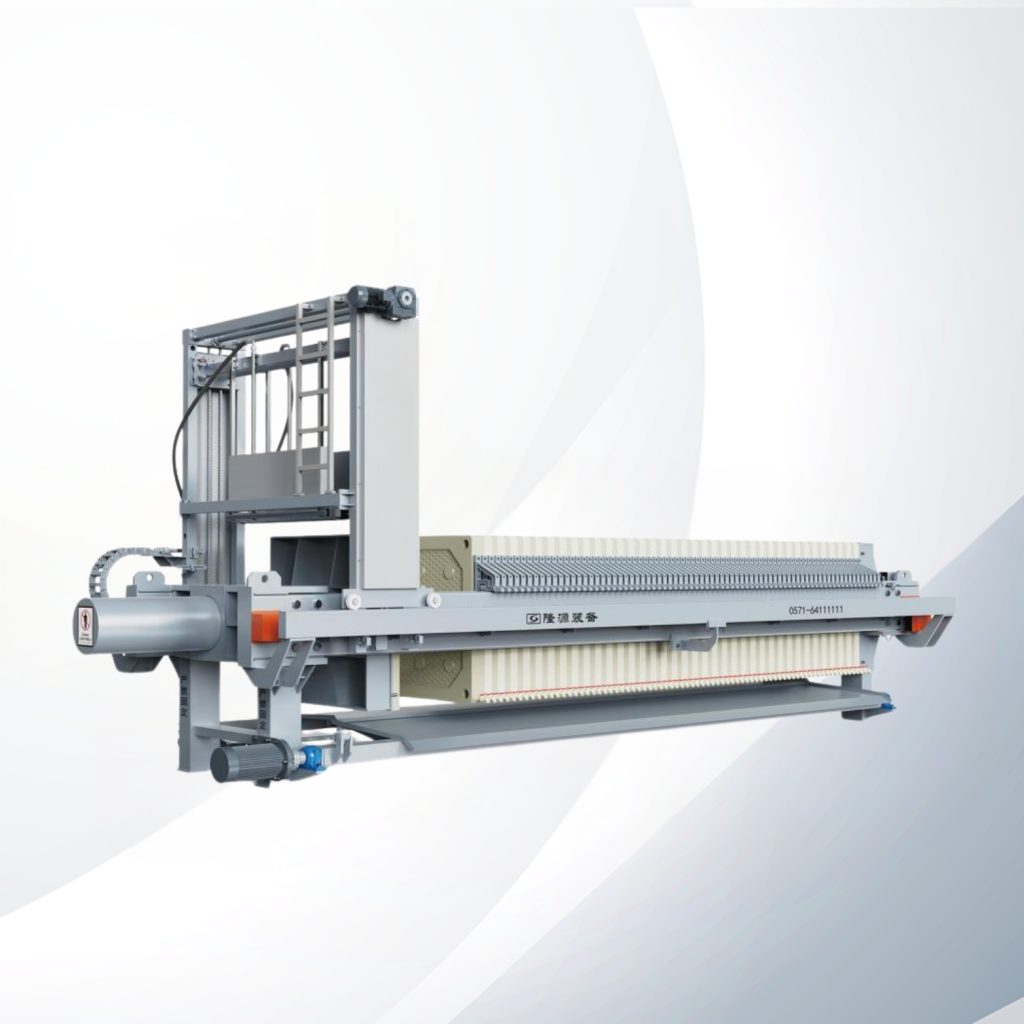
In an automatic press, a plate shifter mechanism grabs each plate by its handle and pulls it open. The plate handles must be robustly designed and molded as an integral part of the plate to withstand the stress of thousands of cycles. This is a common failure point I see on low-quality presses. The shifter yanks, and a brittle handle snaps off, bringing the entire operation to a halt. Ensuring the plates are designed for the rigors of automation is essential for long-term reliability.
Conclusión
Ultimately, the significant advantages of filter presses—unmatched cake dryness, pristine filtrate, and robust operational reliability—are not simply default features included with every machine. They are the direct result of thoughtful engineering and high-quality manufacturing, concentrated in the filter plates. By asking suppliers detailed questions about plate material, chamber design, sealing precision, and surface finish, you elevate your procurement process. You move from buying a commodity machine to investing in a reliable, high-performance, long-term solution for your solid-liquid separation needs. This focus on component quality is what separates an underperforming asset from a highly profitable one.