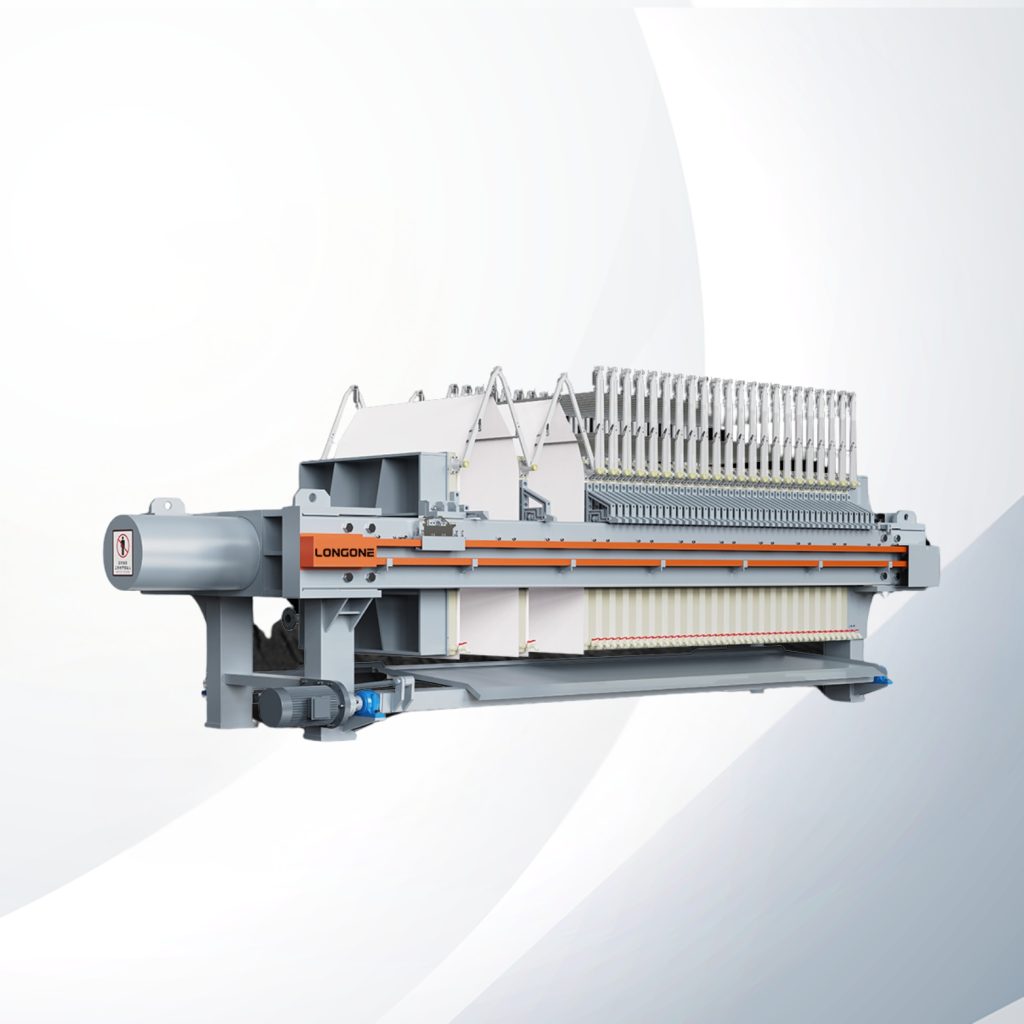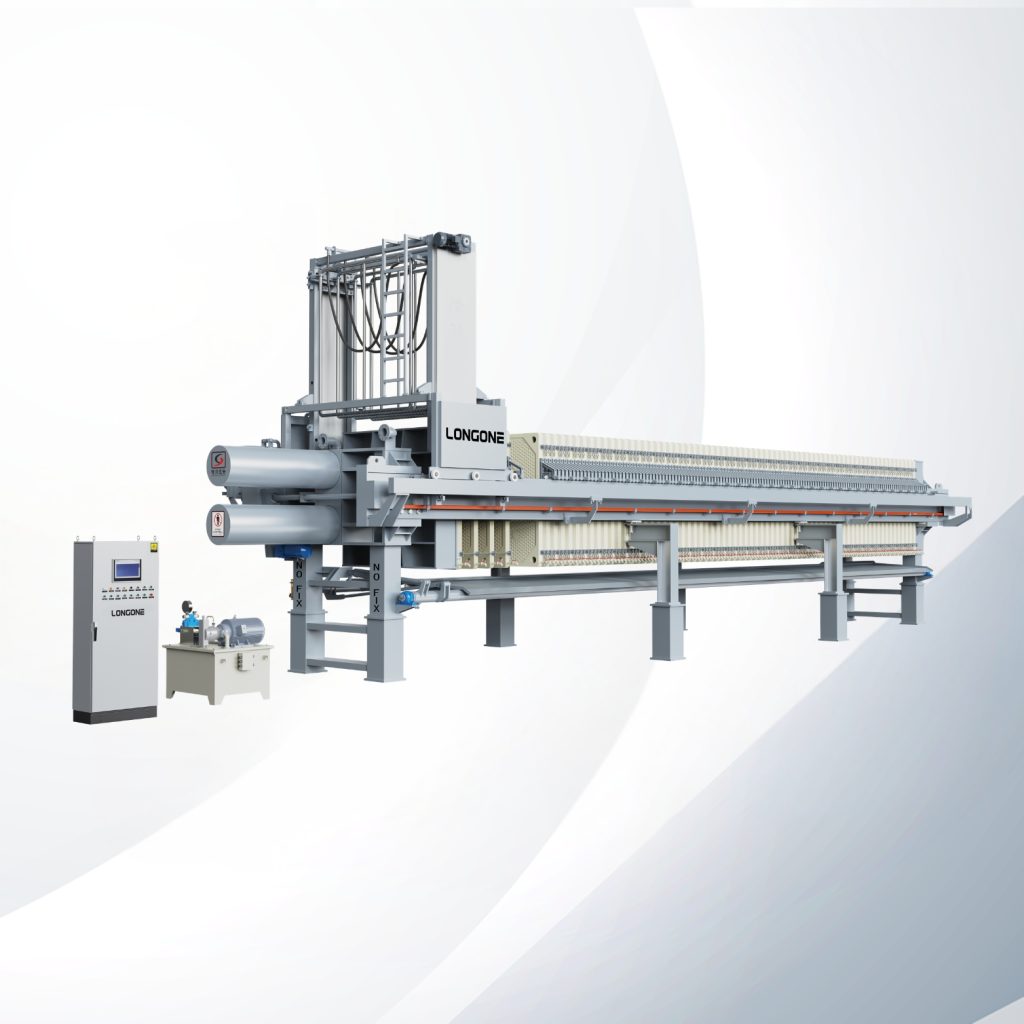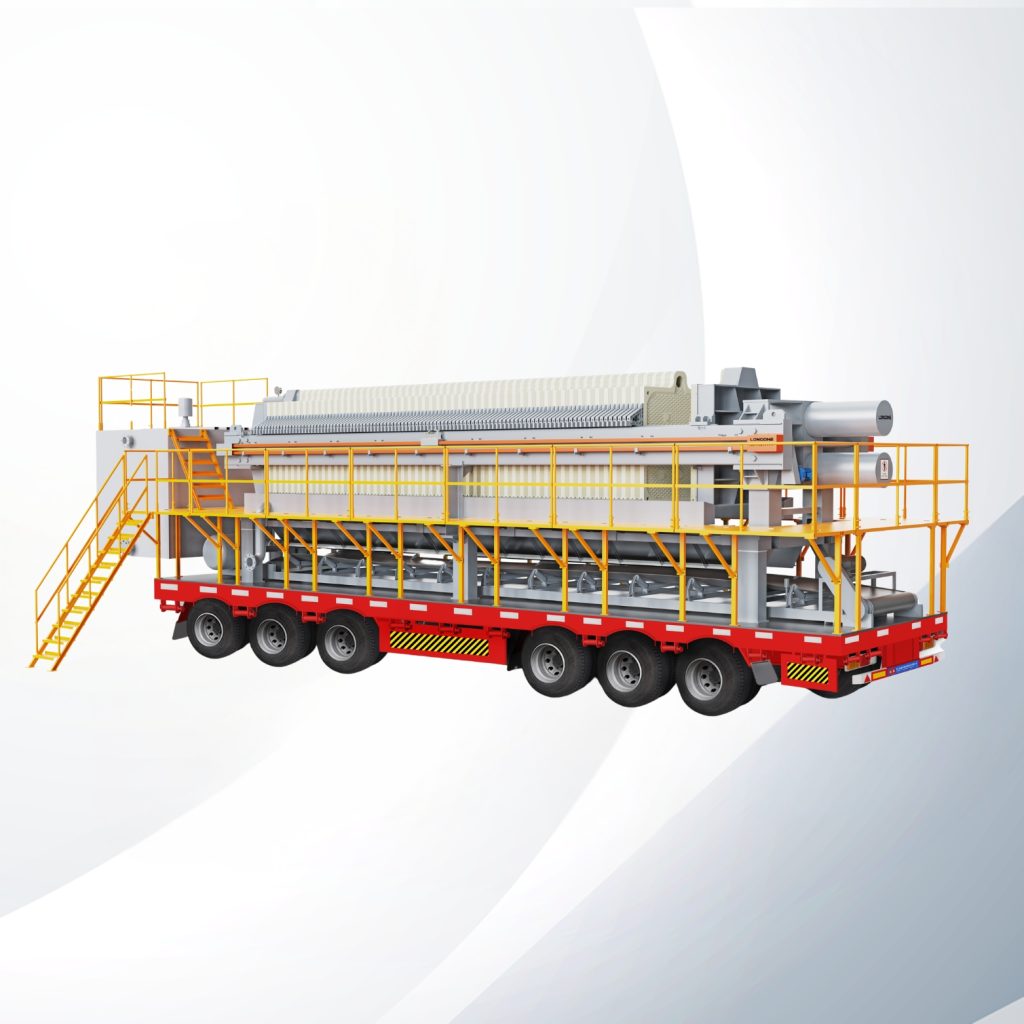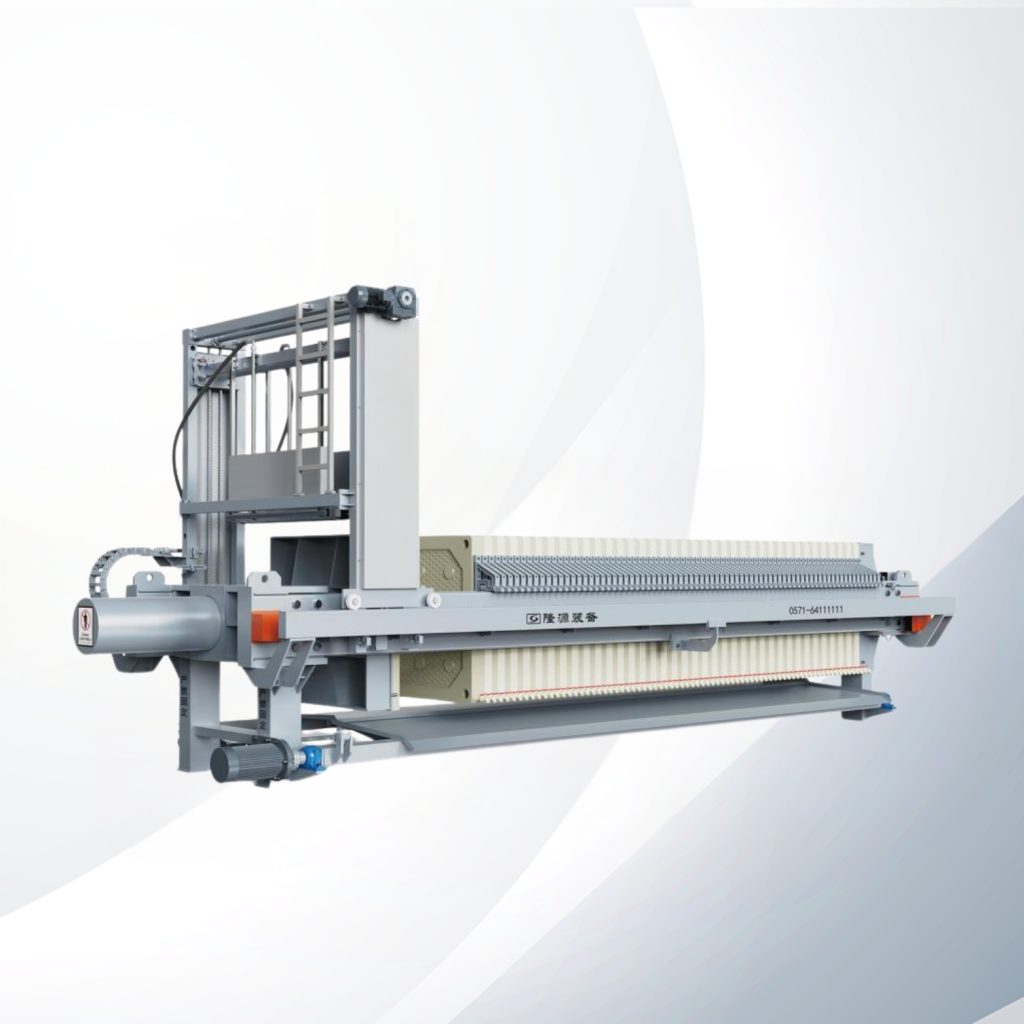
Filter press cycle time is one of the most important performance indicators in industrial solid-liquid separation systems. For industries such as mining, chemical processing, wastewater treatment, food processing, and pharmaceutical manufacturing, cycle time directly affects production capacity, operating costs, energy consumption, and overall filtration efficiency.
A shorter filter press cycle time allows more filtration batches to be completed within the same operating period, increasing daily throughput. However, reducing cycle time does not simply mean increasing pressure or shortening every operating step. The ideal cycle time must balance filtration speed, cake dryness, equipment reliability, and maintenance requirements.
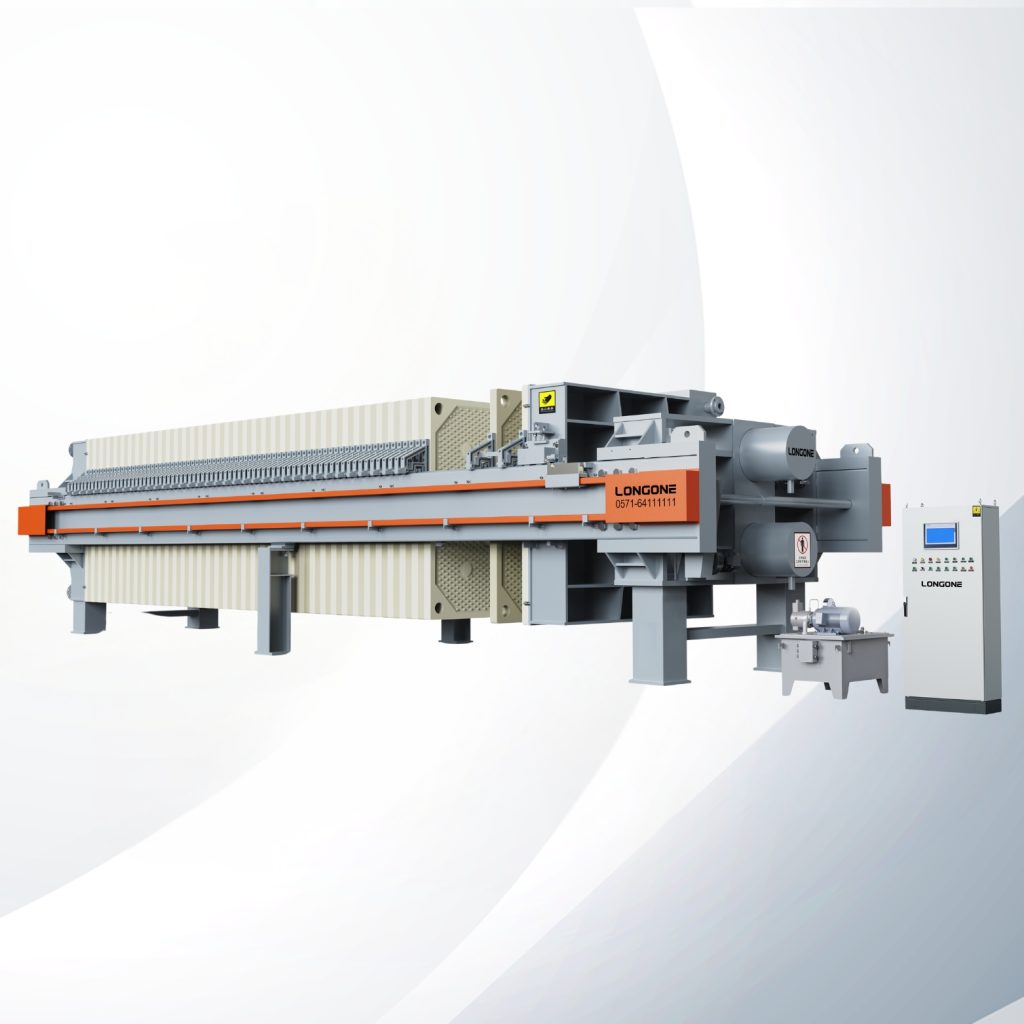
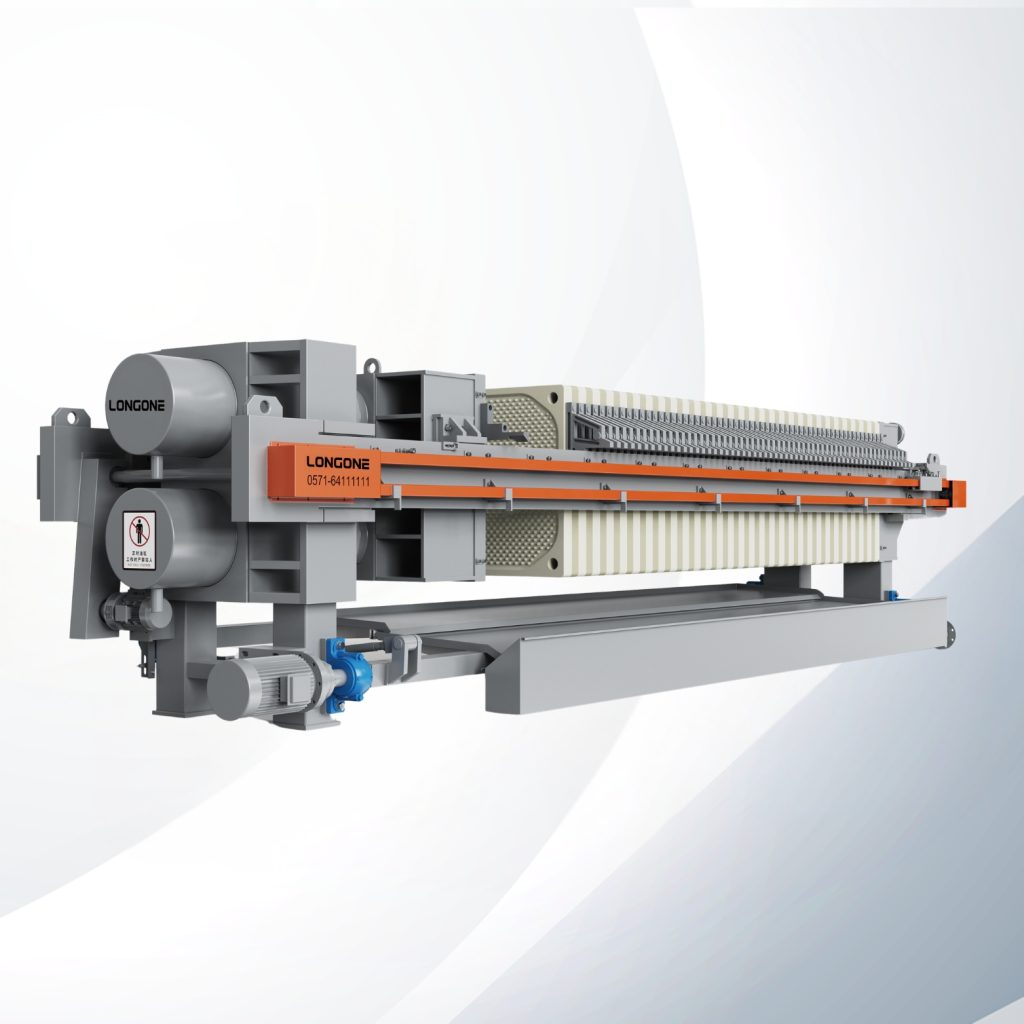
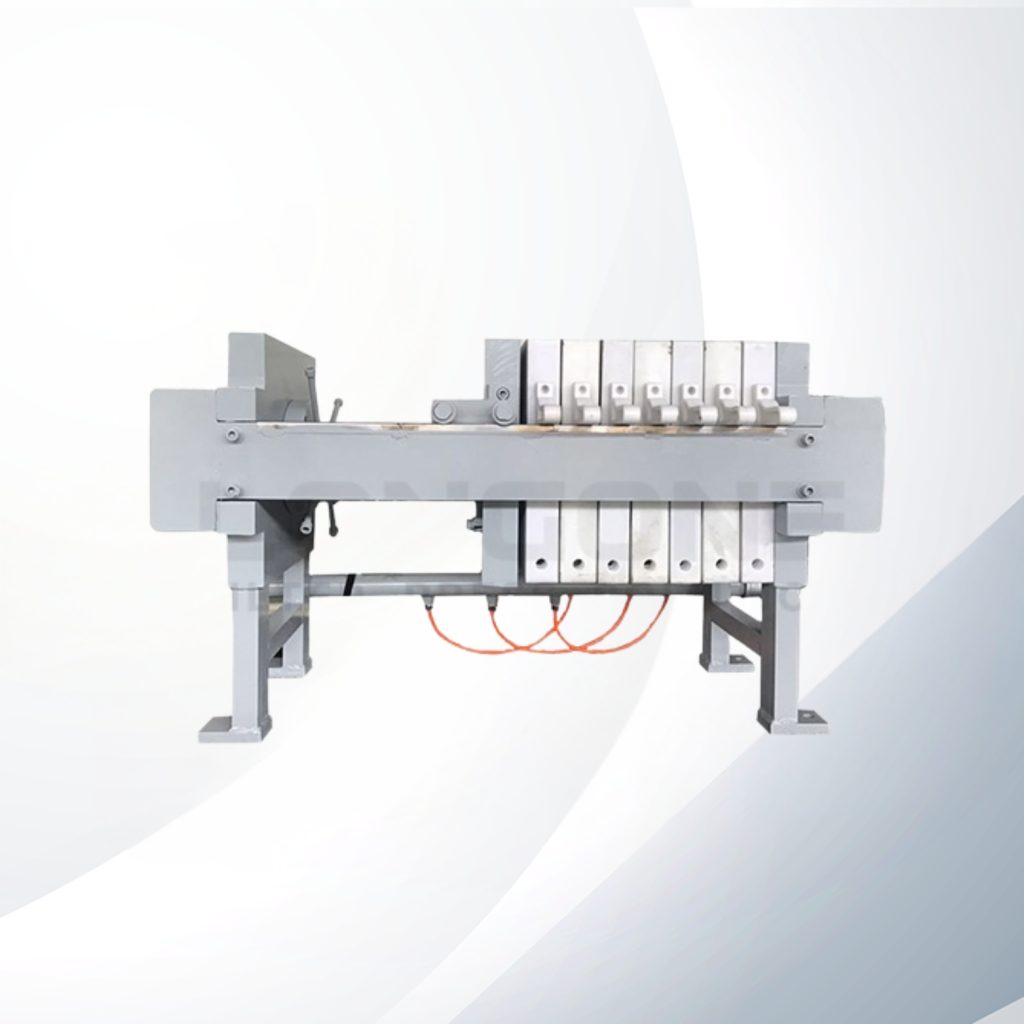
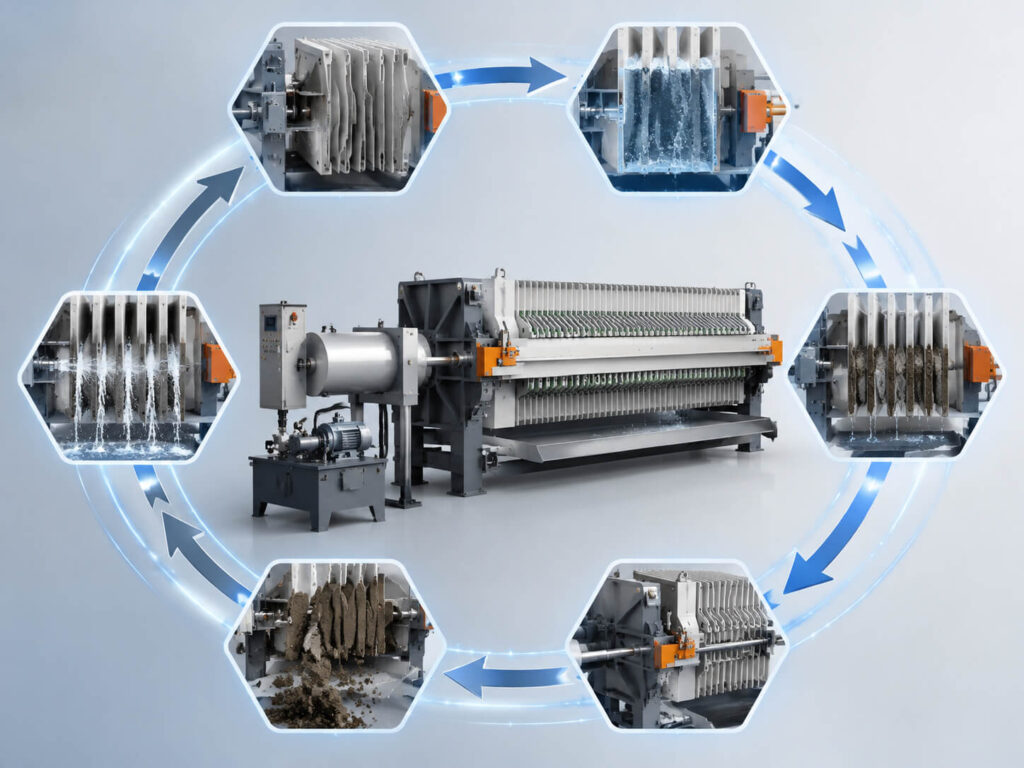
A complete filter press cycle includes several stages, such as plate closing, slurry filling, filtration, optional cake squeezing or drying, plate opening, and cake discharge. The actual duration depends on many factors, including slurry characteristics, filter press design, filter cloth selection, operating pressure, and automation level.
There is no universal filter press cycle time because every industrial application has different requirements. Understanding the factors that influence cycle duration helps operators improve productivity and helps equipment buyers select the right filtration system for their production needs.
What Is Filter Press Cycle Time?
Filter press cycle time refers to the total time required for a filter press to complete one complete filtration batch, from the moment the filter plates are closed until the filter cake is discharged and the machine is ready for the next cycle.
Unlike continuous filtration equipment, a filter press operates through a batch filtration process. Each cycle produces a fixed amount of filter cake depending on the filtration area, chamber volume, slurry characteristics, and operating conditions.
A typical filter press cycle includes the following stages:
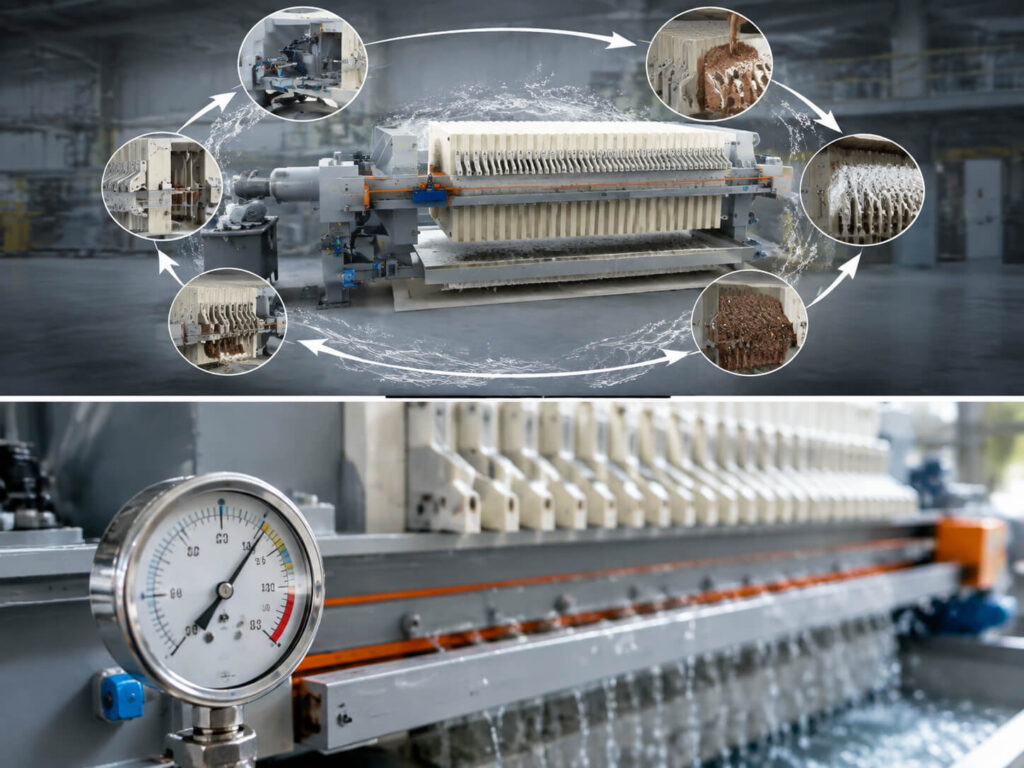
Plate Closing and Hydraulic Clamping
Before filtration begins, the hydraulic system pushes the filter plates together and creates a sealed filtration chamber. Proper plate compression prevents slurry leakage during high-pressure operation.
The time required for this stage depends on the hydraulic system design, cylinder capacity, number of plates, and automation level.
Slurry Filling
During the filling stage, slurry is pumped into the filter chambers. Liquid passes through the filter cloth while solid particles remain inside the chamber and gradually form the filter cake.
The filling speed depends on:
- Feed pump capacity
- Slurry concentration
- Chamber volume
- Material flow characteristics
Filtration and Cake Formation
The filtration stage usually represents the largest portion of the total cycle time.
As solids accumulate, the filter cake becomes thicker and creates greater resistance to liquid flow. The filtration speed gradually decreases as the cake builds up.
Factors such as particle size, slurry viscosity, filter cloth permeability, and operating pressure directly affect this stage.
Cake Squeezing and Drying
Some applications require additional dewatering processes to achieve lower cake moisture.
For example:
- Mining operations may require drier mineral concentrate
- Wastewater plants may need easier sludge transportation
- Chemical manufacturers may require higher solid recovery
Additional processes such as membrane squeezing or air drying can improve cake quality but will increase the total cycle time.
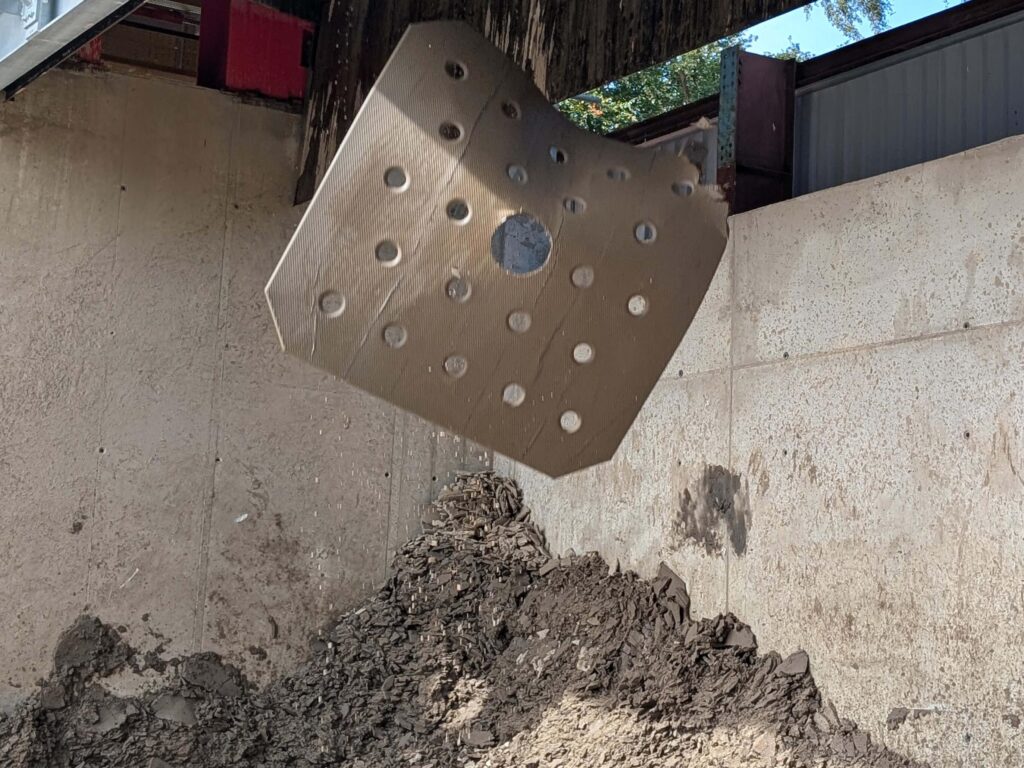
Plate Opening and Cake Discharge
After filtration is complete, the hydraulic system releases pressure, the plates open, and the filter cake is removed.
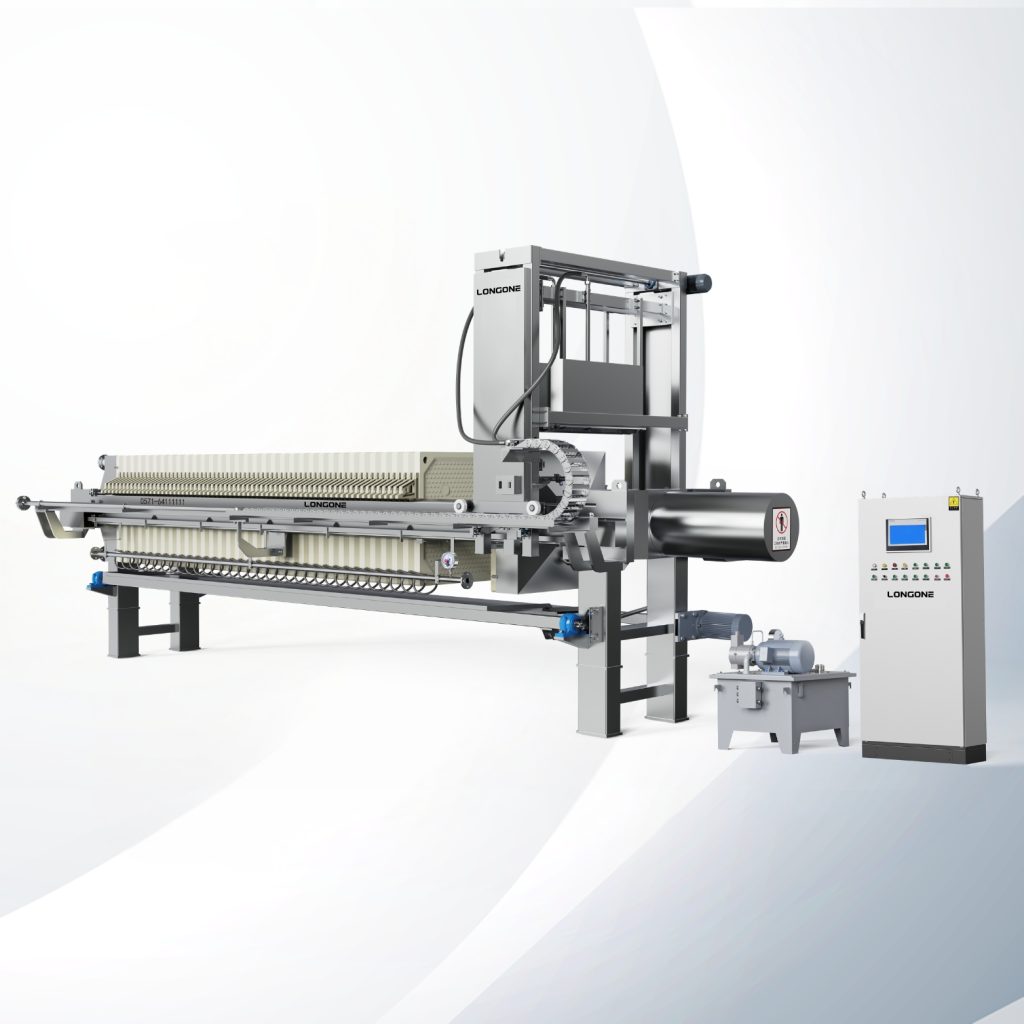
Automatic plate shifting systems can significantly reduce discharge time compared with manual operation.
How Long Does a Filter Press Cycle Usually Last?
The duration of a filter press cycle varies significantly depending on the material being processed and the required filtration performance.
In many industrial applications, a filter press cycle may last from less than one hour to several hours. Large-scale applications such as mining and wastewater treatment commonly operate with cycle times ranging from approximately 2 to 8 hours, while easier filtration materials may require much shorter cycles.
The actual cycle time depends on:
- Slurry properties
- Required cake moisture
- Filtration area
- Chamber volume
- Filter cloth type
- Operating pressure
- Automation level
For example, a mining slurry containing fine mineral particles may require a longer cycle because the filter cake creates higher resistance. In comparison, wastewater sludge with optimized chemical conditioning may achieve faster filtration.
The objective should not always be achieving the shortest possible cycle. A very short cycle may produce wetter filter cake, reduce separation efficiency, or increase equipment wear. The best cycle time is the point where throughput, cake quality, and operating cost are optimized.
Main Factors Affecting Filter Press Cycle Time
Slurry Solid Concentration
The concentration of solids in the slurry is one of the most important factors affecting filter press cycle time.
A higher solid concentration often reduces filtration time because less water needs to be removed before achieving the desired cake consistency.
However, extremely high solid concentration can create other problems:
- Poor slurry flow
- Uneven chamber filling
- Increased pumping difficulty
The ideal slurry concentration depends on the characteristics of the material and the design of the filtration system.
Particle Size Distribution
Particle size has a major influence on filtration resistance.
Materials containing larger particles generally allow liquid to pass through the filter cake more easily, resulting in shorter filtration cycles.
However, fine particles such as clay, mineral powder, and organic sludge can block filter cloth openings and slow down filtration.
Industries processing fine materials often require:
- Proper filter cloth selection
- Optimized chemical conditioning
- Suitable operating pressure
Understanding particle characteristics is essential for controlling cycle time.
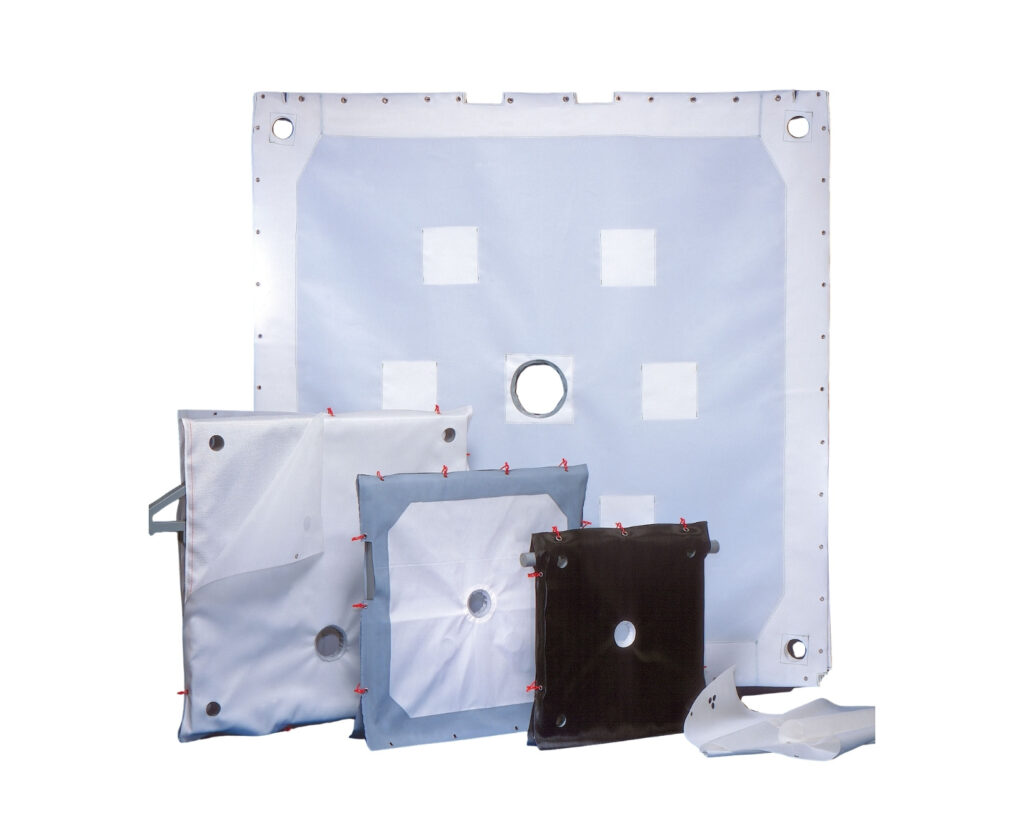
Filter Cloth Selection
Filter cloth is a critical component that directly affects filtration performance.
The correct filter cloth must provide a balance between:
- Efficient liquid flow
- Effective solid retention
- Easy cake release
- Long service life
A filter cloth with very small openings may improve solid capture but reduce filtration speed. A cloth with excessive permeability may increase flow rate but reduce separation efficiency.
When selecting filter cloth, operators should consider:
- Particle size
- Slurry composition
- Chemical compatibility
- Cake release requirements
- Cleaning frequency
A properly selected filter cloth can significantly reduce unnecessary cycle extension and improve overall equipment performance.
Feed Pump Pressure
Feed pressure influences how quickly slurry enters the filter press and how effectively liquid is removed.
Higher pressure can accelerate filtration by pushing liquid through the filter media more efficiently.
However, excessive pressure does not always improve performance. Too much pressure may cause:
- Filter cloth damage
- Excessive cake compression
- Higher maintenance costs
The optimal operating pressure depends on the specific material characteristics and should be determined through testing and experience.
Chamber Volume and Filter Plate Design
Filter plate design directly affects cycle duration and production capacity.
A larger chamber volume provides:
- More cake production per cycle
- Higher solids handling capacity
However, larger chambers may also require:
- Longer filling time
- Longer filtration time
- More time for cake formation
Selecting the correct chamber thickness requires balancing production requirements and cycle efficiency.
Cake Moisture Requirements
Many industrial users focus on reducing cycle time but overlook the importance of cake moisture requirements.
A drier filter cake usually requires additional processing, such as:
- Longer filtration
- Higher pressure operation
- Membrane squeezing
- Air drying
For some applications, extending the cycle slightly can significantly improve cake quality and reduce downstream handling costs.
Automation Level
The automation level of a filter press has a direct impact on total cycle efficiency.
Automatic filter presses reduce non-filtration time through:
- Automatic plate shifting
- Automatic cake discharge
- Programmable operation
- Reduced manual intervention
For large-scale industrial facilities, automation can improve production consistency and reduce labor costs.
Common Reasons Why Filter Press Cycle Time Becomes Longer
When a filter press cycle gradually increases during operation, the cause is usually related to material changes, equipment conditions, or maintenance issues.
Filter Cloth Blinding
Filter cloth blinding occurs when fine particles accumulate inside the cloth structure and reduce permeability.
Common signs include:
- Reduced filtrate flow
- Longer filtration time
- Lower production capacity
Solutions include:
- Regular cloth cleaning
- Replacing damaged filter cloth
- Selecting a more suitable cloth material
Changes in Slurry Characteristics
Even if the equipment remains unchanged, changes in slurry properties can significantly affect cycle time.
Examples include:
- Higher solids concentration
- Different particle size distribution
- Changes in chemical composition
Operators should monitor feed characteristics regularly and adjust operating parameters when necessary.
Incorrect Chemical Conditioning
For wastewater treatment applications, polymer selection and dosage have a major impact on filtration performance.
Poor chemical conditioning may cause:
- Weak floc formation
- Increased filtration resistance
- Poor cake formation
Optimizing chemical conditioning can improve filtration speed and reduce cycle time.
Equipment Maintenance Problems
Mechanical issues can also increase filter press cycle duration.
Common problems include:
- Hydraulic pressure instability
- Damaged filter plates
- Pump performance reduction
- Worn filter cloths
Regular inspection and preventive maintenance help maintain stable filtration performance.
How to Reduce Filter Press Cycle Time
Optimize Slurry Pretreatment
Improving slurry conditions before filtration is one of the most effective ways to reduce cycle time.
Possible improvements include:
- Optimizing chemical dosage
- Improving flocculation performance
- Maintaining stable feed conditions
Better pretreatment reduces filtration resistance and improves cake formation.
Choose the Correct Filter Cloth
The right filter cloth improves:
- Filtrate flow rate
- Cake release performance
- Filtration stability
Working with an experienced filter press manufacturer helps ensure the filter cloth matches the specific application.
Increase Filtration Area
Increasing filtration area allows more material to be processed in each cycle.
This approach often improves production capacity more effectively than simply increasing pressure.
A properly sized filter press can achieve higher throughput while maintaining reliable operation.
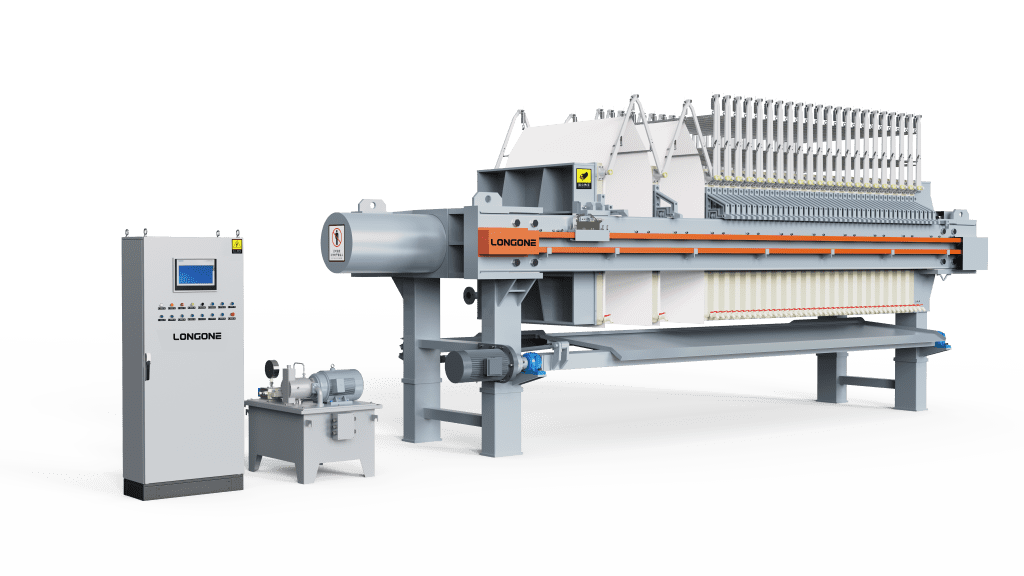
Upgrade to Automatic Filter Press Systems
Automatic systems can significantly reduce downtime and improve productivity.
Benefits include:
- Faster plate movement
- Reduced labor requirements
- More consistent operation
- Higher daily production capacity
For mining plants, wastewater treatment facilities, and large industrial projects, automatic filter presses provide significant operational advantages.
How to Select the Right Filter Press Based on Cycle Time Requirements
Selecting a filter press should involve more than choosing equipment with the shortest cycle time.
Important considerations include:
Material Characteristics
Different materials require different filtration solutions. Slurry properties determine suitable pressure, filter cloth type, and chamber design.
Production Capacity
The filtration area and chamber volume should match the required daily processing capacity.
Cake Requirements
If low moisture cake is required, additional dewatering processes may be necessary.
Automation Requirements
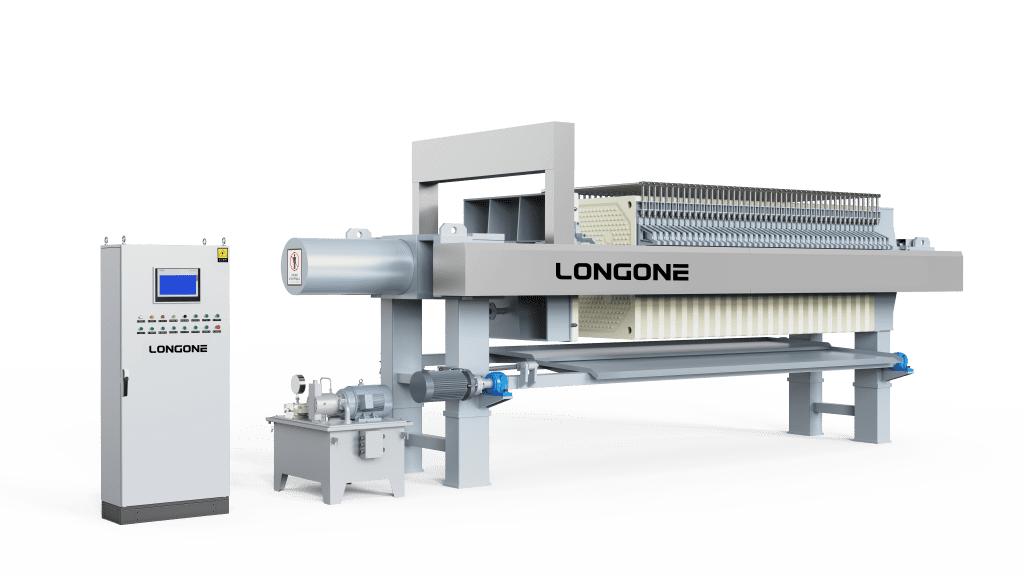
Large industrial facilities often benefit from fully automatic filter press systems to achieve stable and efficient operation.
A professional filter press manufacturer can analyze these factors and provide a customized filtration solution.
Conclusión
Filter press cycle time is influenced by many factors, including slurry characteristics, filter cloth selection, equipment design, operating pressure, cake requirements, and automation level.
Reducing cycle time is not simply about increasing pressure or shortening individual operating steps. The most effective approach is optimizing the entire filtration system to achieve the right balance between productivity, cake quality, operating cost, and equipment reliability.
LONGONE provides customized prensas de filtro automáticas and complete filtration systems for mining, chemical processing, wastewater treatment, food, and pharmaceutical industries. With professional engineering capabilities, customized solutions, and reliable manufacturing experience, LONGONE helps customers improve filtration efficiency and achieve stable long-term operation.