Two plants run the same slurry through the same size of filter press. One finishes a cycle in two hours and discharges firm, dry cake. The other needs four hours, fights with sticky cake, and replaces cloths twice as often. The equipment is not the difference. What separates them is how well each stage of the filter press filtration process is understood and controlled.
A filter press is a simple machine, but its performance depends on many small details: how fast pressure rises, whether the plates seal evenly, whether the cloth suits the particles, and whether the feed channels stay clear. This guide walks through each stage of the cycle, explains what is happening inside the chambers, and shows where things typically go wrong. As a manufacturer of filter press, we see these problems on real sites every week, and most of them have practical fixes.
What Is the Filter Press Filtration Process?
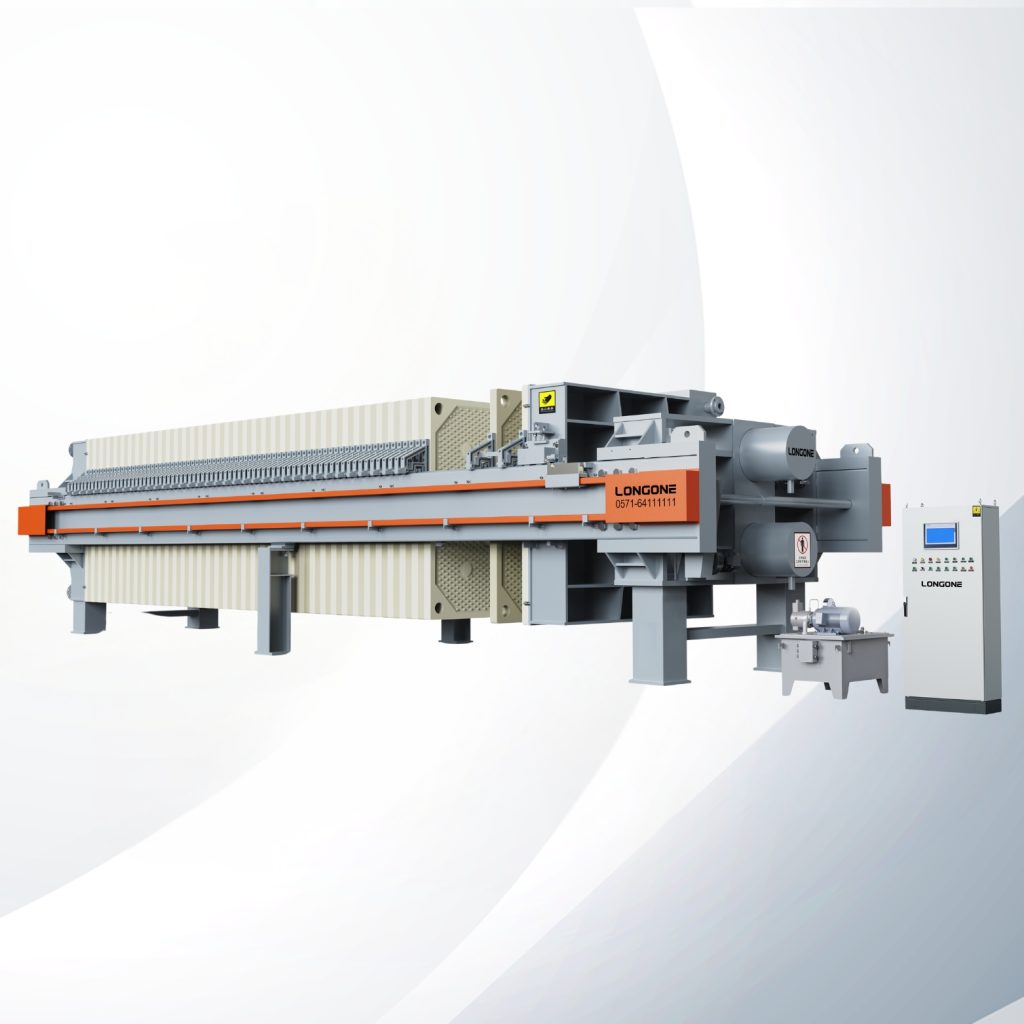
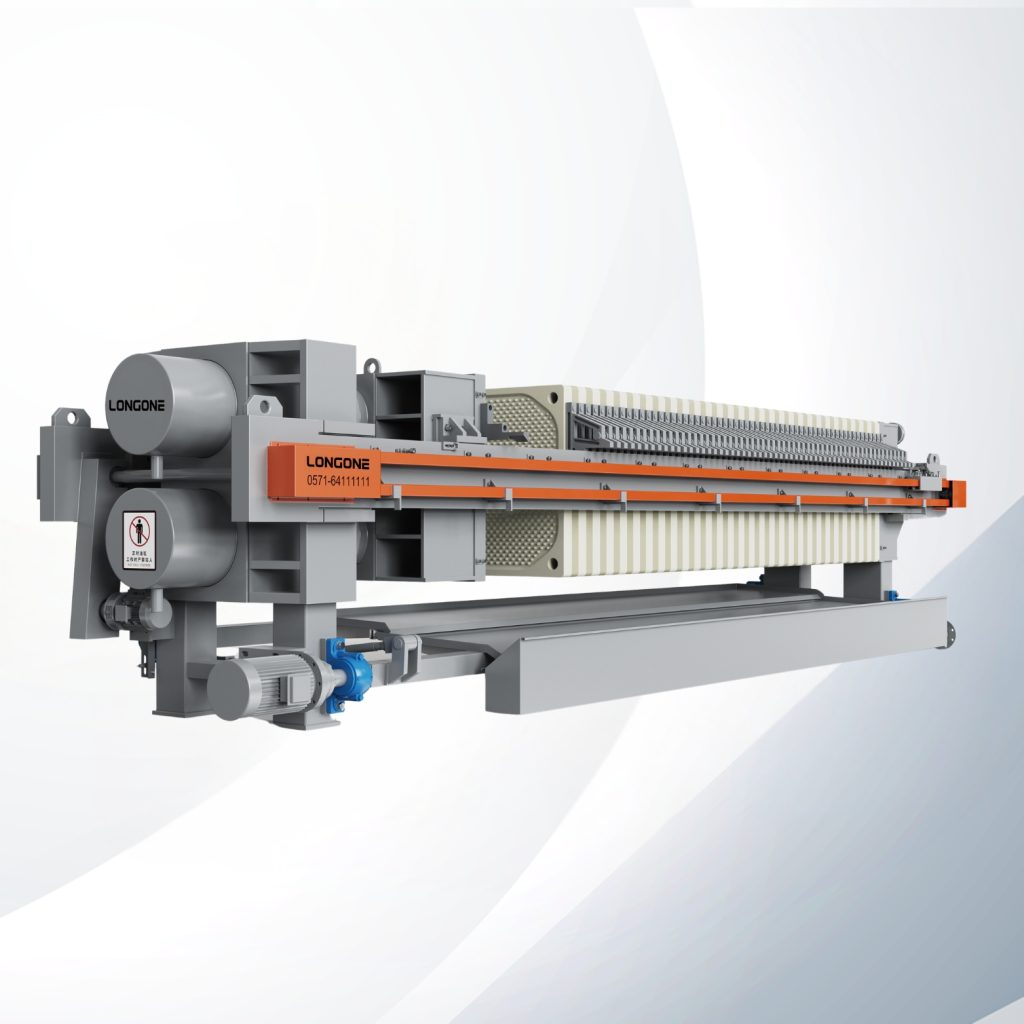
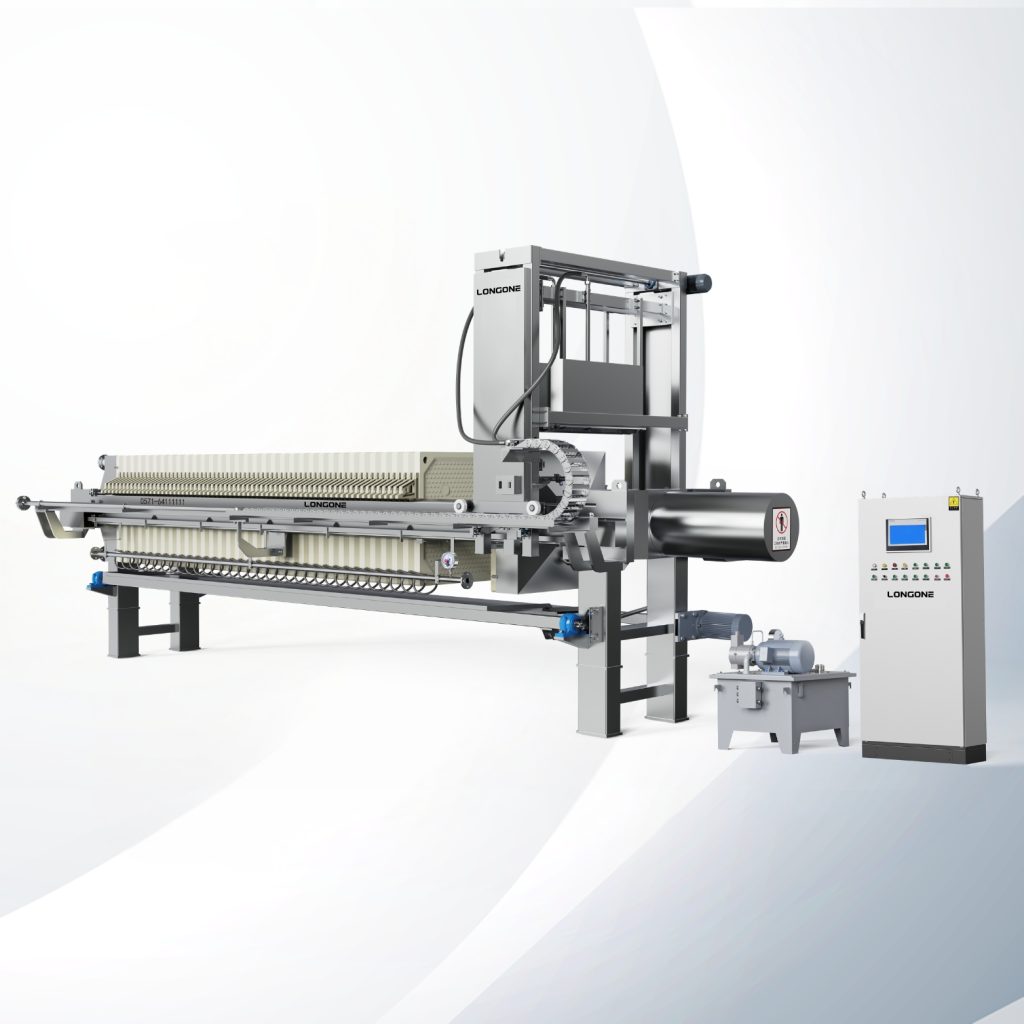
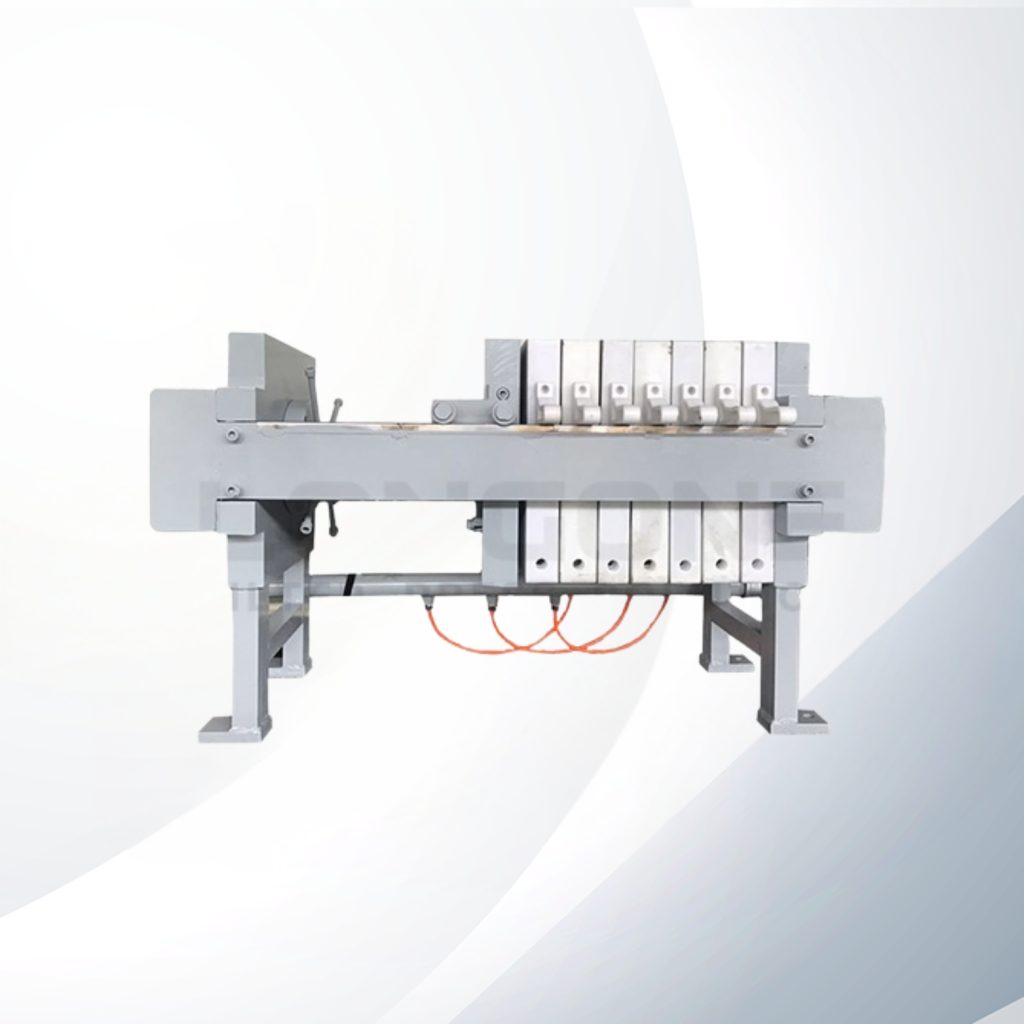
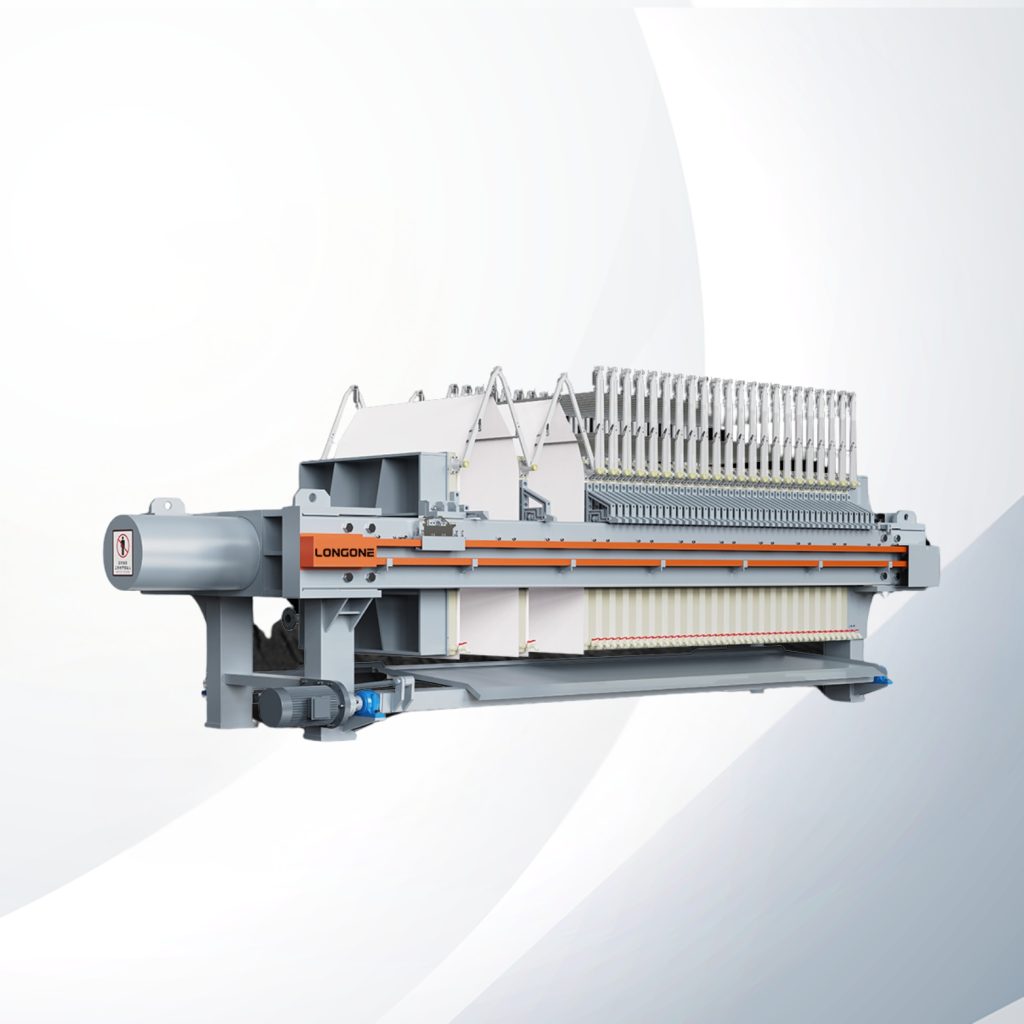
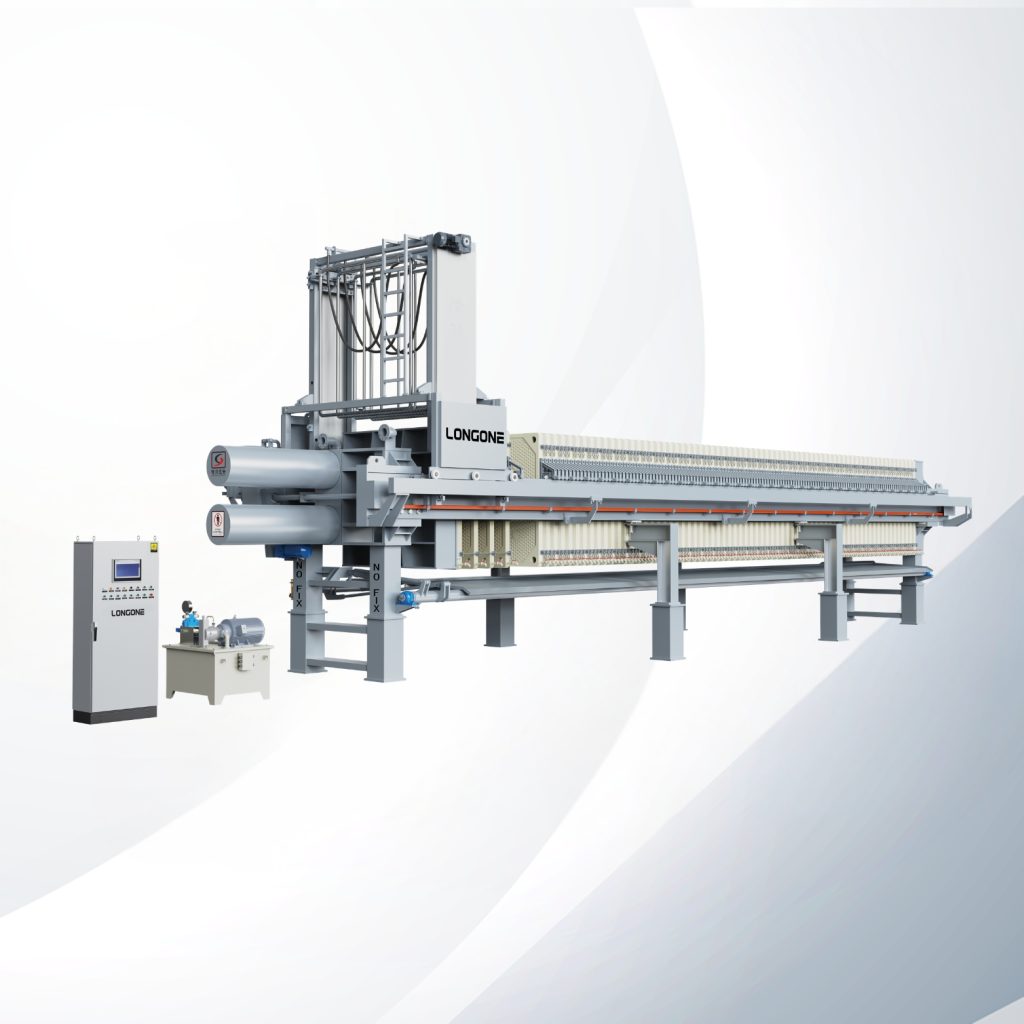
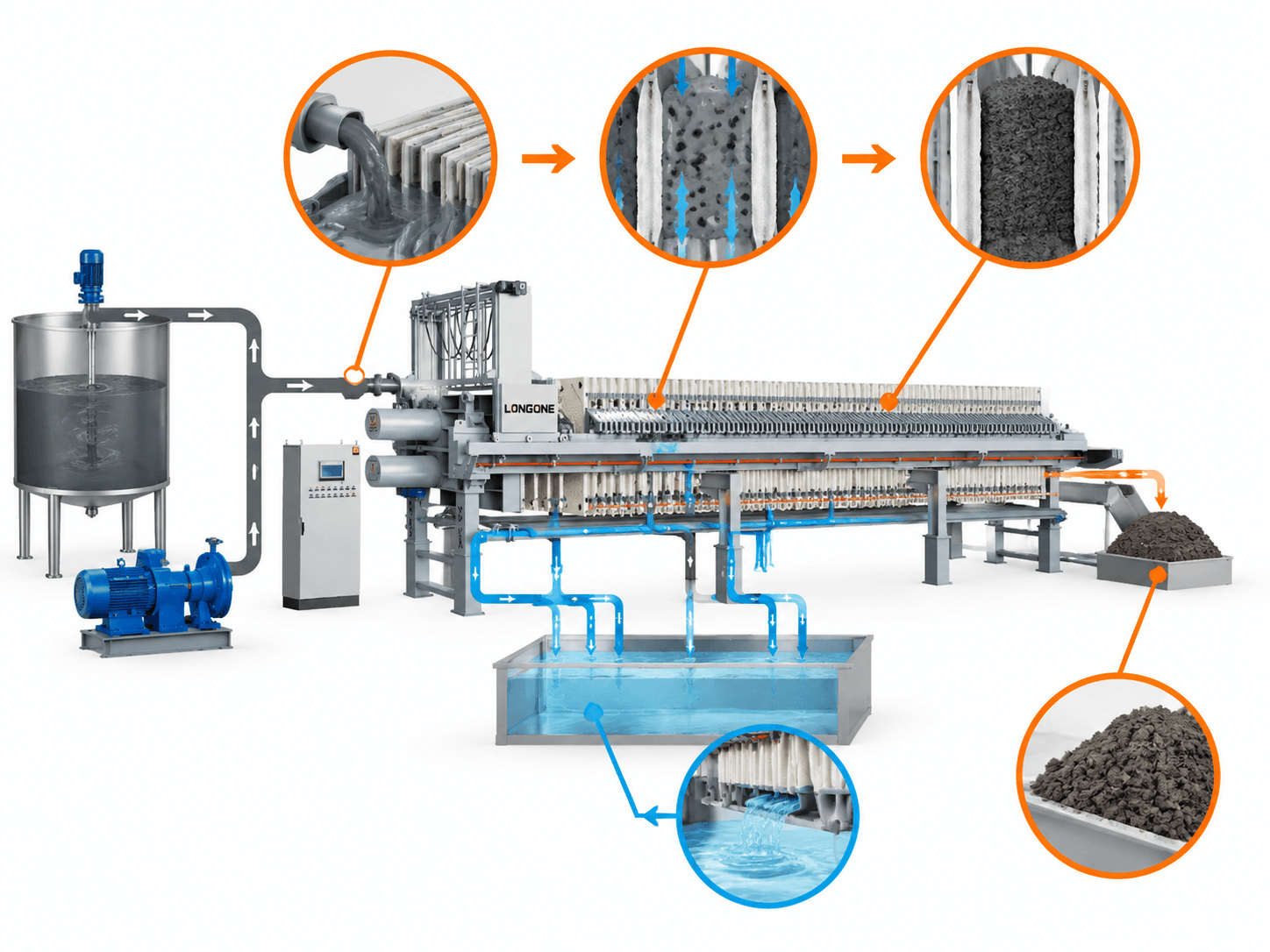
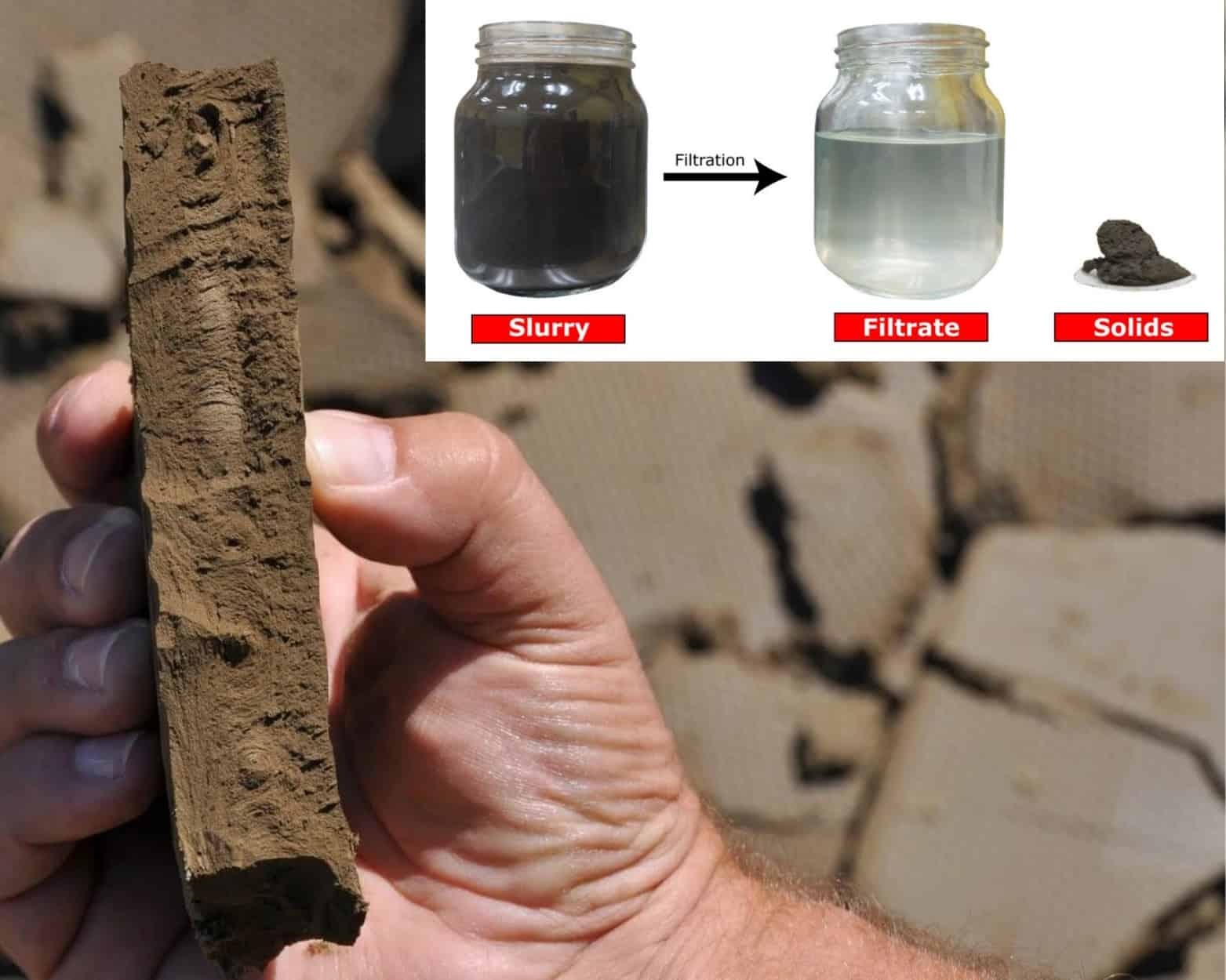
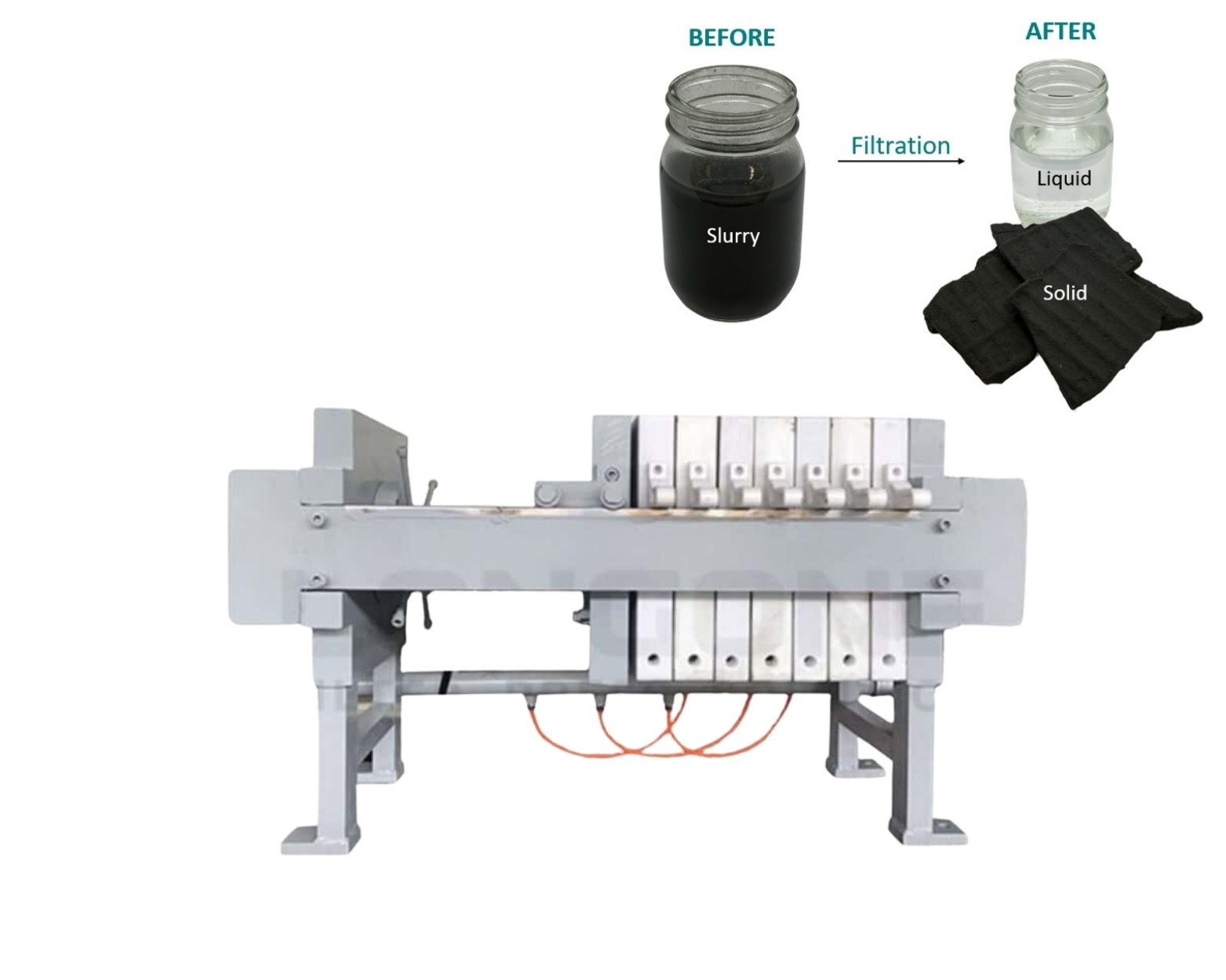
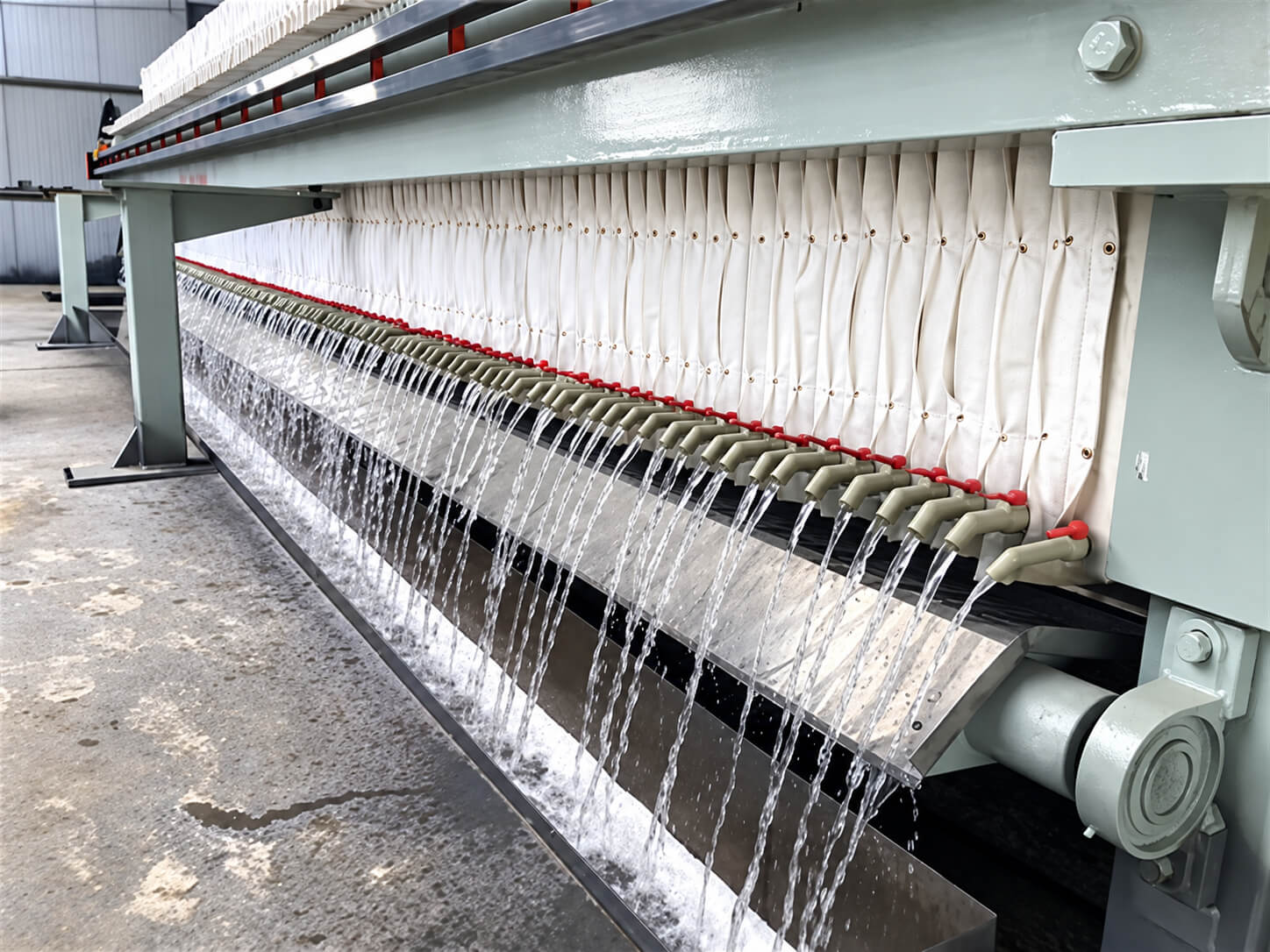
A filter press is a batch-operated machine that separates solids from liquids using pressure. A stack of filter plates is clamped together, and each plate is covered with filter cloth. When the plates are pressed together, the gaps between them form sealed chambers. Slurry is pumped into these chambers, the liquid (called filtrate) passes through the cloth and leaves through drainage channels, and the solids stay behind and build up into a solid layer known as filter cake.
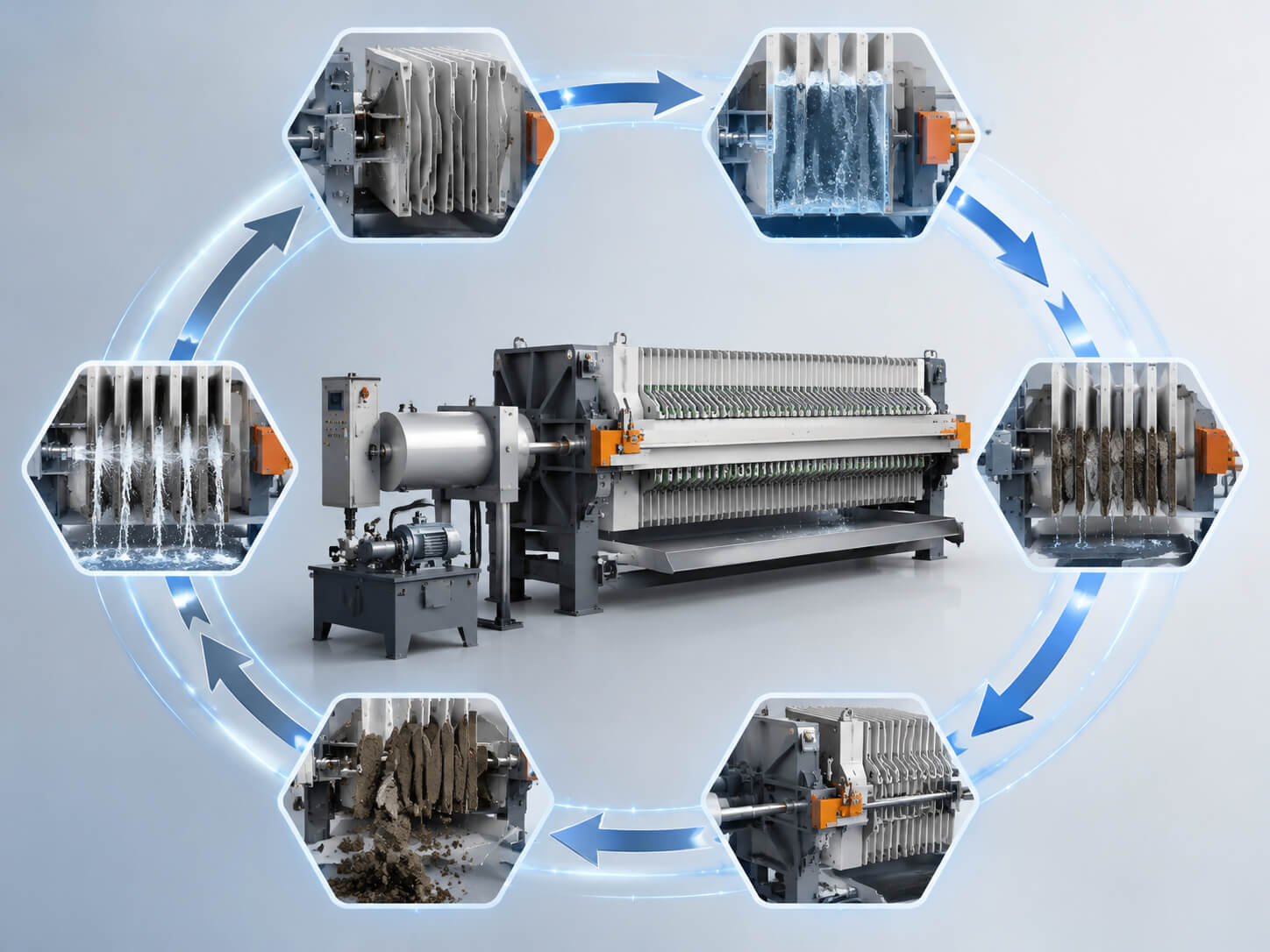
Because the filter press machine works in batches, every run follows the same repeating cycle:
- Closing the press and filling the chambers with slurry
- Building pressure and forming the cake
- Washing the cake (only when purity matters)
- Squeezing the cake with a membrane (only with membrane plates)
- Blowing air through the cake to remove residual liquid
- Opening the press and discharging the cake
- Cleaning the cloth and preparing for the next cycle
Not every application uses every stage. A simple wastewater sludge job may only need filling, pressing, and discharge. A chemical or mineral process may need washing and squeezing as well. What matters is that each stage adds time and cost, so it should be there for a reason.
Filter presses are used wherever solid-liquid separation has to be reliable and repeatable: mining and mineral processing, chemical production, wastewater treatment, food and beverage, metallurgy, and many other industries. The reason is straightforward. Pressure filtration can produce a drier cake and clearer filtrate than most alternatives, especially with fine particles.
Filling and Cake Formation: Why the First Minutes Decide the Cycle
The filling stage looks routine, but it sets the pattern for everything that follows. When slurry first enters the chambers, particles begin to gather on the cloth surface and form a thin initial layer. That layer is the real filter. Every later particle is caught by the cake itself, not only by the cloth.
The quality of this initial layer depends heavily on how the feed pump behaves. If pressure rises too quickly, fine particles are pushed deep into the cloth weave. They lodge there and blind the cloth, and filtrate flow drops for the rest of the cycle and often for the following cycles too. A gradual pressure ramp at the start usually forms a more open, permeable cake and keeps flow rates healthy. In practice, many operators get better cycle times by slowing the early filling stage down, not by pushing harder.
Several feed conditions affect this stage:
- Solids concentration. Very thin slurry means a long filling time before enough solids build up. Pre-thickening the feed can shorten the cycle noticeably.
- Particle size distribution. A high share of very fine particles produces a dense, low-permeability cake. Chemical conditioning, such as flocculant or coagulant dosing, can change this.
- Feed consistency. If the slurry composition swings between batches, the pressing behavior swings with it. Stable, well-mixed feed is easier to filter than feed that varies from one tank to the next.
- Pump type and control. Diaphragm pumps and centrifugal pumps with variable-speed control handle the pressure ramp differently. The pump should match the slurry and the plate pressure rating.
The filling stage ends when the chambers are full and the flow of filtrate has slowed to a trickle. That drop in flow is the signal that the cake has formed and the next stage can begin.
Washing and Squeezing: Controlling Cake Purity and Moisture
After the chambers are full, some processes need extra steps to get the cake into specification. Two of them are washing and squeezing.
Cake washing is used when the solids or the filtrate have commercial value, or when impurities in the cake must be removed. Clean water or another wash liquid is pumped through the cake, displacing the remaining mother liquor. This is common in chemical processing, mineral concentrates, and pigment production, where residual salts or dissolved contaminants would spoil the product or create disposal problems. Washing needs plates and cloth arrangements designed for it, so it should be decided at the specification stage, not added later.
Cake squeezing uses membrane plates. A flexible membrane behind the cake inflates with water or compressed air and squeezes the cake from one side, pushing out liquid that pressing alone cannot remove. For many sludges this makes a large difference to final moisture, and it often shortens the total cycle, because squeezing removes liquid faster than continued feeding at the end of the fill stage.
The choice between chamber plates and membrane plates is one of the most important decisions when specifying a filter press:
| Feature | Chamber (Recessed) Plates | Membrane Plates |
|---|---|---|
| How liquid is removed | Feed pressure only | Feed pressure plus membrane squeeze |
| Cake dryness | Good for free-draining solids | Usually drier, especially with fine or compressible solids |
| Cycle time | Can be longer when cake is slow to drain | Often shorter overall thanks to the squeeze stage |
| Cake thickness control | Fixed by plate design | Can be adjusted by design |
| Upfront cost | Lower | Higher |
| Complexity | Simpler, fewer parts to maintain | Needs a squeeze system and membrane care |
| Best suited for | Easy-to-filter solids, tight budgets, simple duties | Fine, sticky, or compressible slurries where low moisture matters |
Neither option is better in every case. Chamber plates are reliable and economical for slurries that drain freely. Membrane plates repay their higher cost when cake moisture directly affects disposal cost, transport weight, or downstream processing.
Air Blowing, Discharge, and Cloth Cleaning: Closing the Cycle
Once the cake has reached its target dryness, the remaining stages prepare the press for the next batch.
Air blowing pushes compressed air through the cake to displace remaining liquid from the pores. It is useful for open, permeable cakes where air can pass through easily. It is less effective on dense, fine cakes, where air may find a few channels and bypass most of the cake. Together with core blowing, which clears the central feed channel of leftover slurry, it helps ensure a cleaner discharge and a lighter cake.
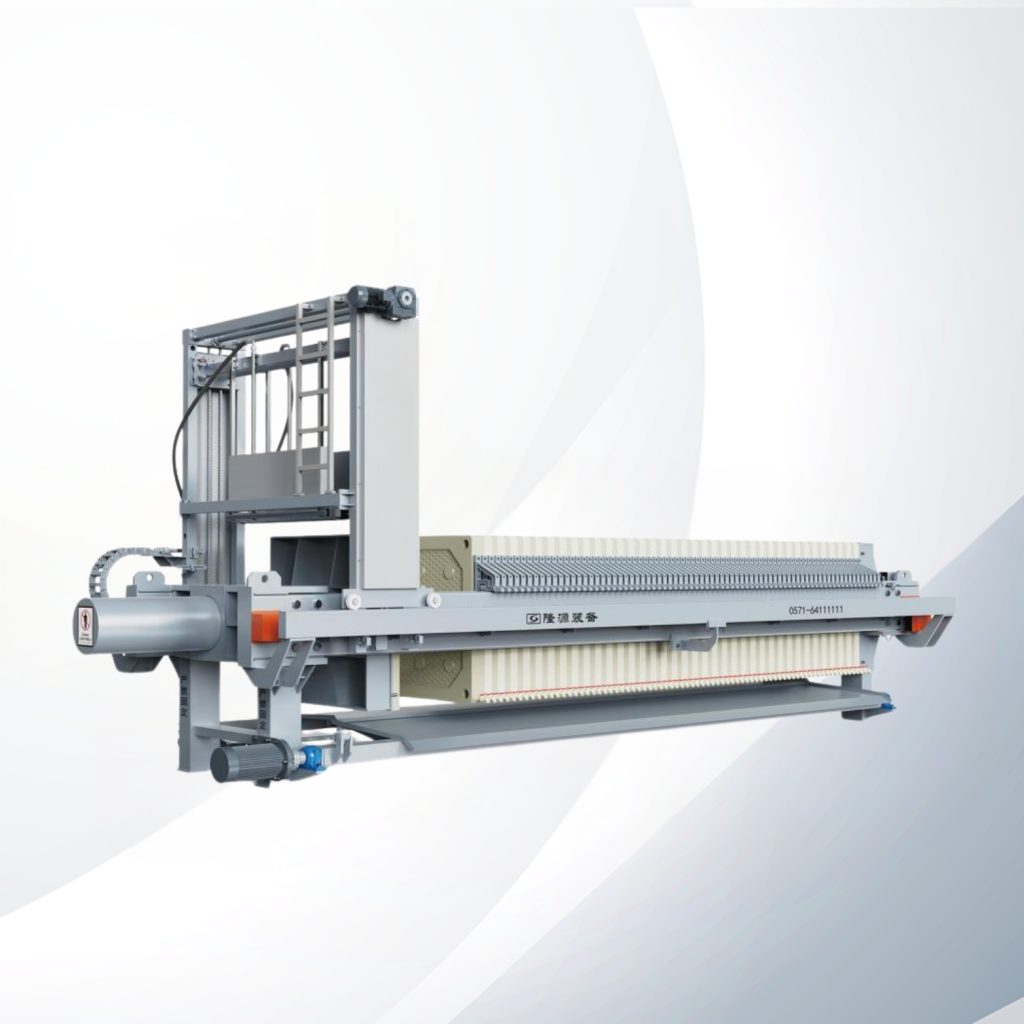
Cake discharge happens when the plate stack is opened and the cakes drop from the chambers. Modern presses use automatic plate shifters to move plates one by one, and shakers or vibrators can help release stubborn cake. A well-run cycle produces cake that falls cleanly. If cake sticks to the cloth, that is a signal to look at cloth selection, cake moisture, or plate surface condition.
Cloth cleaning is often the most neglected stage. Over time, particles work into the weave and reduce permeability, which slows every later cycle. Many presses include a low-pressure rinse after each cycle and a high-pressure wash at longer intervals. The right frequency depends on the slurry. Sticky or scaling materials may need more frequent washing, while free-draining solids may go much longer. Skipping cloth cleaning saves a few minutes per cycle but quietly costs much more in slower filtration and shorter cloth life.
Where Filtration Cycles Go Wrong: Plate, Cloth, and Feed Problems
When a filter press underperforms, buyers often blame the slurry or the cloth first. In our experience, the plates themselves are frequently part of the problem, and they are the component least likely to be checked. Here are the symptoms we see most often and what usually causes them.
Leakage between plates. Liquid squirting from the plate edges is usually a sealing problem. Causes include worn or damaged sealing surfaces, warped plates, uneven cloth folds on the sealing edge, or insufficient closing pressure. Check plate edges for wear and cracks, make sure the cloth lies flat, and confirm the hydraulic pressure is correct.
Cake that sticks to the cloth. Sticky cake is often too wet, or the cloth is the wrong type for the particles. Try a smoother cloth surface, longer squeezing or blowing, or a change in conditioning. Damaged or rough plate surfaces can also contribute.
Uneven cake thickness. If some chambers produce thick cake and others thin cake, look for blocked feed eyes, uneven cloth blinding, or a plate that is no longer flat. Uneven cakes usually mean uneven flow, and the thin cakes are often the ones still wet inside.
Cycle times getting longer over time. A gradual increase usually points to progressive cloth blinding, a clogged feed channel, or changes in the feed slurry. Start with cloth washing and feed channel inspection before assuming the machine needs replacement.
Short cloth life. Cloth that wears out quickly may be a poor match for the slurry chemistry or temperature, or it may be damaged by abrasive particles, rough plate surfaces, or excessive pressure spikes from the feed pump.
Cracked or deformed plates. Plates that crack, bow, or warp are usually the result of over-pressure, thermal shock, incompatible chemicals, or uneven clamping. Plate material matters here. Polypropylene is the standard choice for many duties, while reinforced grades and other materials are used for higher temperatures, higher pressures, or aggressive chemistry. Matching the plate material to the actual operating conditions, not just the nominal ones, prevents most of these failures.
A useful habit is to keep simple records: cycle time, feed pressure curve, cake moisture, and cloth age. When performance drifts, these records show whether the cause is in the feed, the cloth, or the plates.
How to Shorten Cycle Time and Choose the Right Filter Press Setup
The fastest cycle is not always the best one, and neither is the driest cake. The right measure is the cost per dry ton of cake, which includes energy, cloth replacement, labor, disposal, and downtime. A slightly longer cycle that produces much drier cake may cost less overall if disposal is priced by weight. A shorter cycle that wears out cloth twice as fast may not save money at all.
Practical ways to improve cycle performance include:
- Stabilize the feed. Consistent solids concentration and conditioning give consistent cake formation.
- Control the pressure ramp. A gentler start often gives better long-term flow.
- Use squeezing where it pays. If cake moisture matters, a membrane stage can shorten the cycle while improving dryness.
- Keep cloths clean. A regular washing schedule protects filtration rate.
- Inspect plates regularly. Sealing surfaces, feed eyes, and drainage channels should be checked as part of planned maintenance.
- Automate the routine steps. Automatic plate shifting, cloth washing, and cake discharge reduce cycle gaps and operator variability.
When specifying a new filter press or upgrading an existing one, these questions help define the right configuration:
- What are the slurry characteristics: solids concentration, particle size, chemistry, and temperature?
- What cake moisture or purity is actually required, and what does it save downstream?
- Does the process need washing, squeezing, or air blowing?
- What daily volume must be handled, and how many cycles per day are realistic?
- What level of automation suits the site and the available labor?
If you are working through these questions for a specific project, our team is happy to review your slurry data or a sample and suggest a plate and press configuration that fits the duty. A short description of the application is usually enough to start a useful conversation.
Conclusion: Treat Filtration as a System, Not a Checklist
The filter press filtration process follows a familiar sequence of filling, pressing, washing, squeezing, blowing, discharge, and cloth cleaning. But knowing the steps is only the starting point. Real performance comes from how the parts of the system work together: a feed pump that builds pressure gradually, a cloth that suits the particles, and plates that stay flat, sealed, and clear of blockages.
When a cycle runs long or the cake stays wet, work through the system in order. Check the feed first, then the cloth, then the plates and their sealing surfaces. Keep simple records of cycle time, pressure, and cake moisture, so that gradual drift is caught early. And when comparing equipment options, measure success by cost per dry ton of cake, not by cycle time or dryness alone.
A well-matched plate material, plate type, and press configuration can make a lasting difference to both output and operating cost. If you are planning a new installation or trying to improve an existing one, share your slurry details and target cake moisture with our team, and we will be glad to suggest a practical setup for your application.
Frequently Asked Questions
What are the main stages of filter press filtration?
The main stages are filling, pressing (cake formation), optional cake washing, optional membrane squeezing, air blowing, cake discharge, and cloth cleaning. Simple applications may use only filling, pressing, and discharge, while more demanding ones use the full sequence.
How long does a filter press cycle take?
Cycle time varies widely with the slurry, the plate type, and the required cake dryness. Some cycles finish in an hour or less, while others run for several hours. Feed conditions, pressure control, cloth condition, and whether squeezing is used all have a strong effect.
What is the difference between a chamber filter press and a membrane filter press?
A chamber filter press removes liquid using feed pressure alone. A membrane filter press adds a flexible membrane that inflates and squeezes the cake after filling, which usually produces a drier cake and can shorten the total cycle. Membrane presses cost more and need a squeeze system, so they suit slurries where low moisture has real value.
Why is my filter cake too wet?
Common causes include cloth blinding, feed pressure that is too low or ramped too fast, very fine particles, inadequate conditioning, worn or leaking plates, or a cycle that ends before the cake has drained fully. Checking cloth condition and plate sealing is a good first step, and adding a squeeze stage may be worth considering.
How often should filter cloths be washed or replaced?
There is no single answer, because it depends on the slurry. Sticky, scaling, or very fine materials may need washing after every cycle, while easy-draining solids may need it much less often. Replace the cloth when washing no longer restores flow rates, when tears or wear appear, or when cake release becomes unreliable.