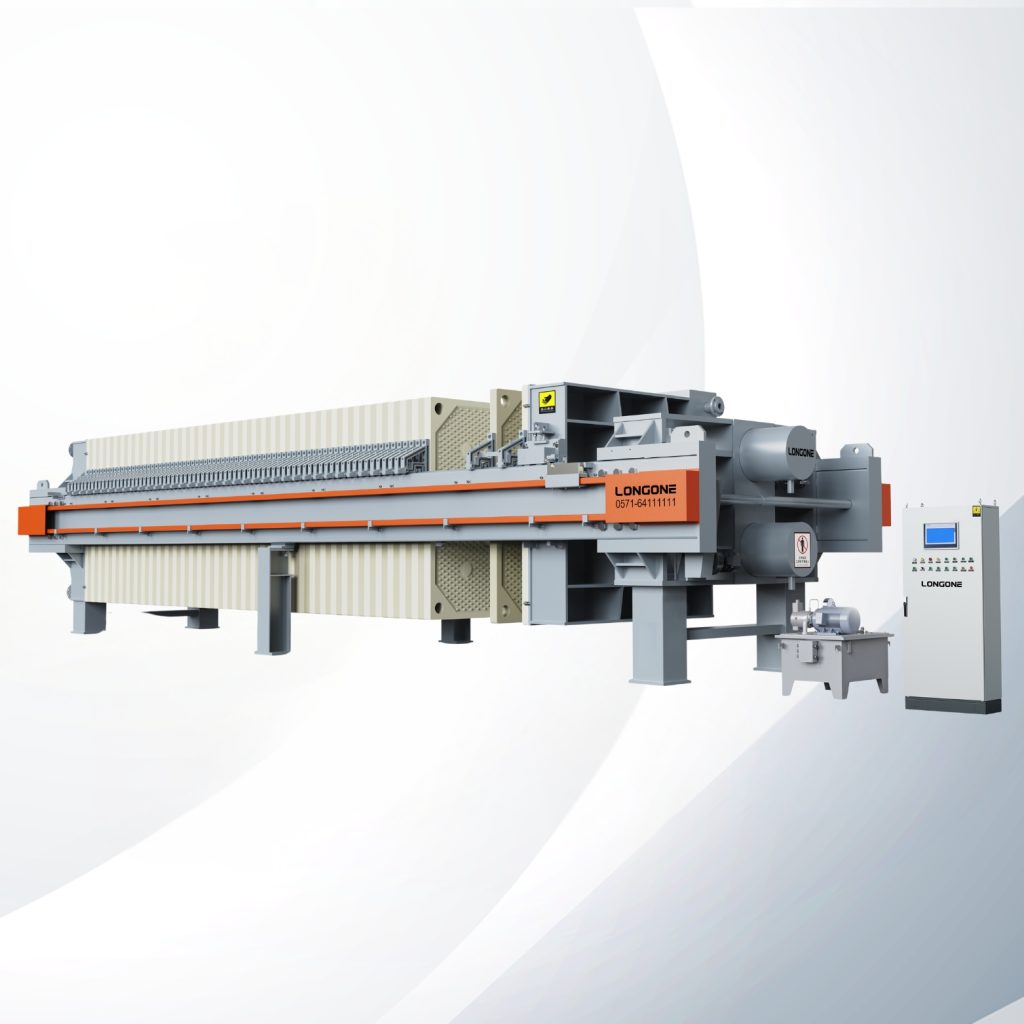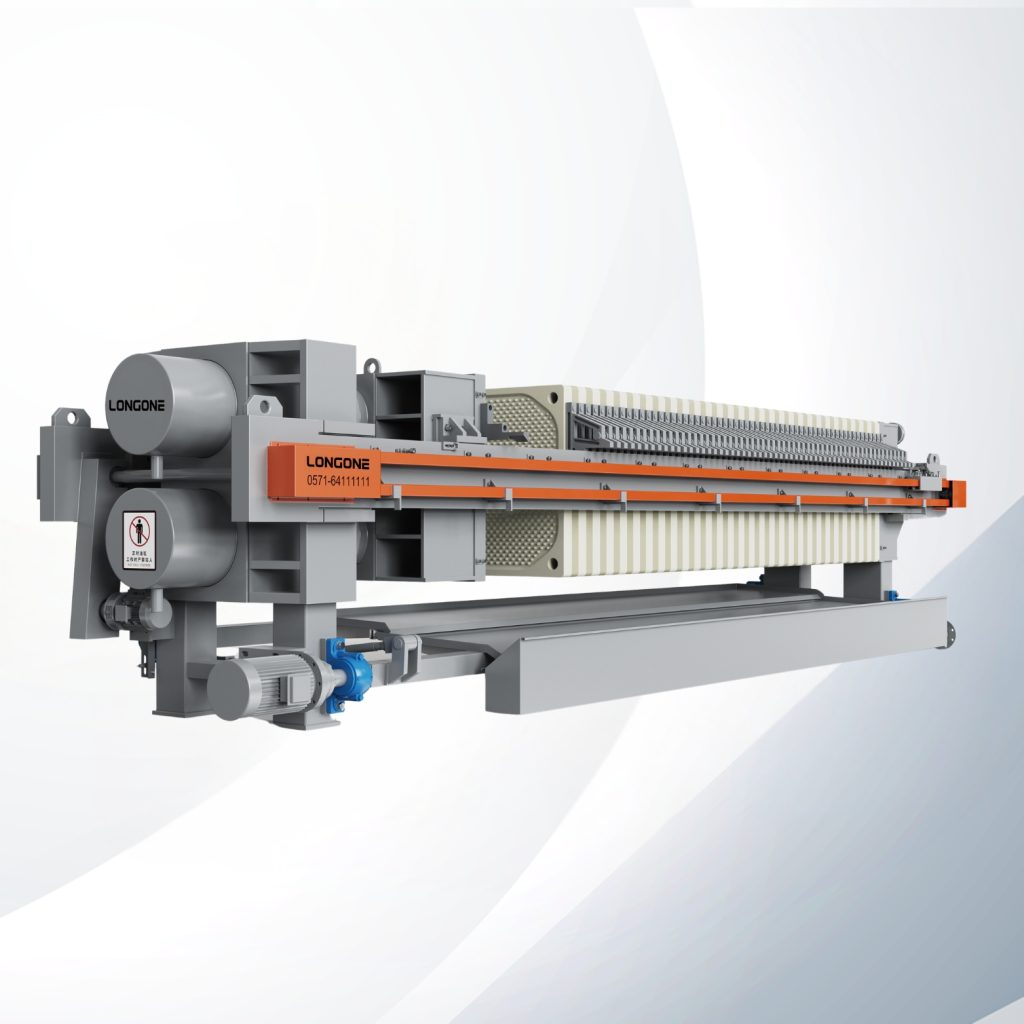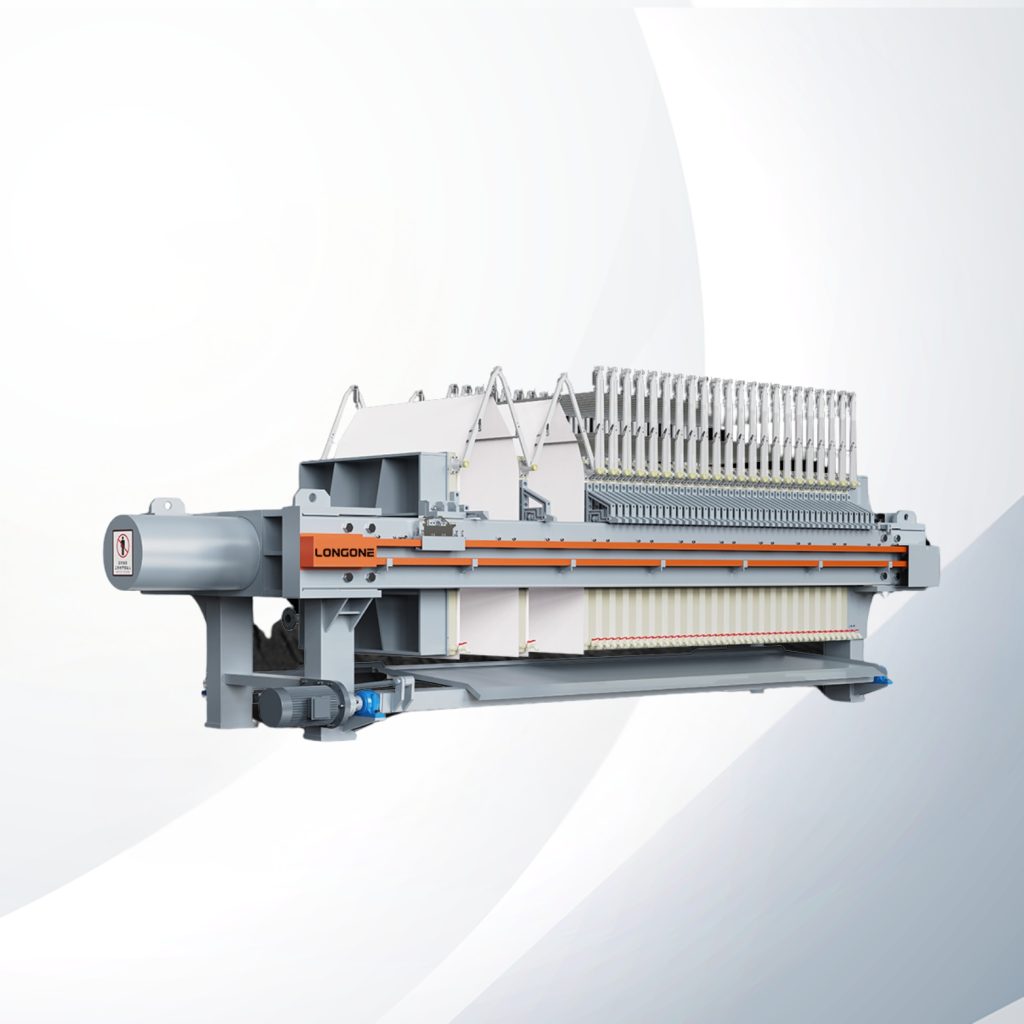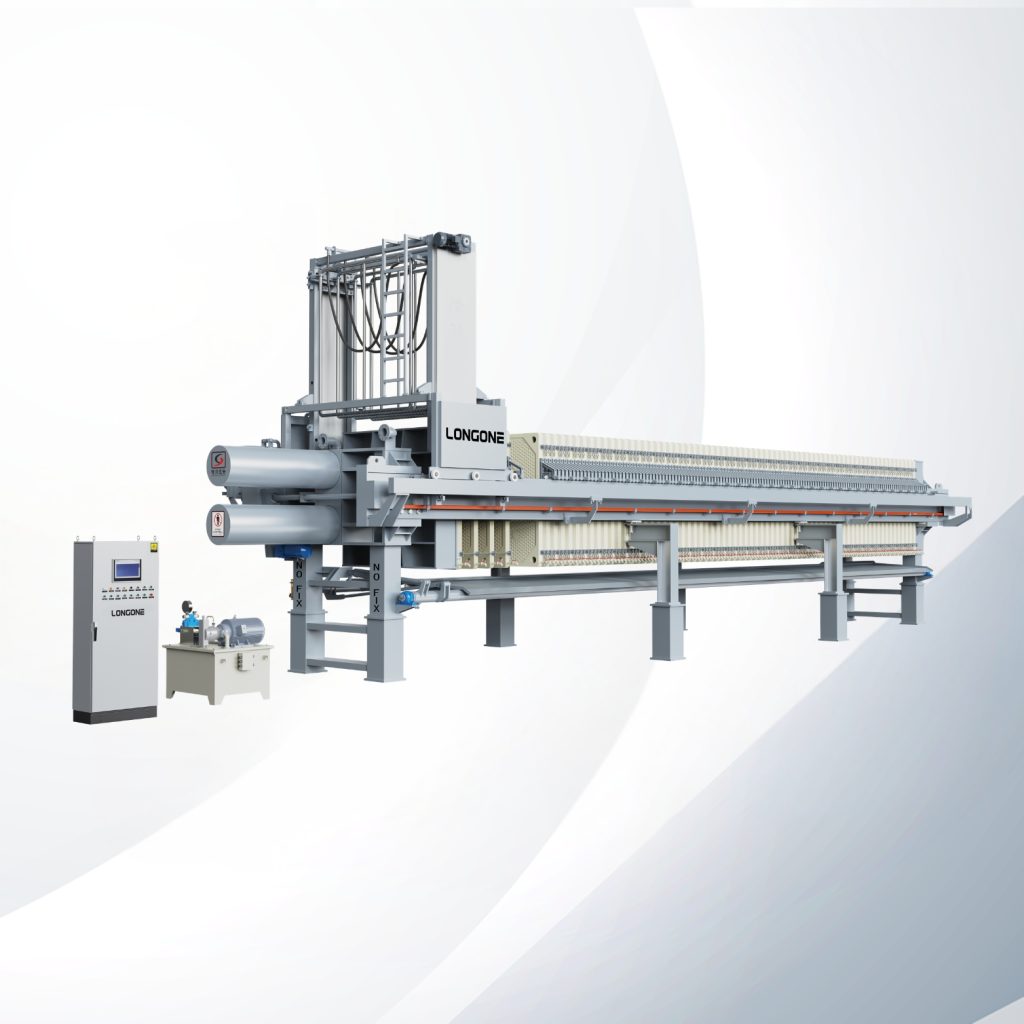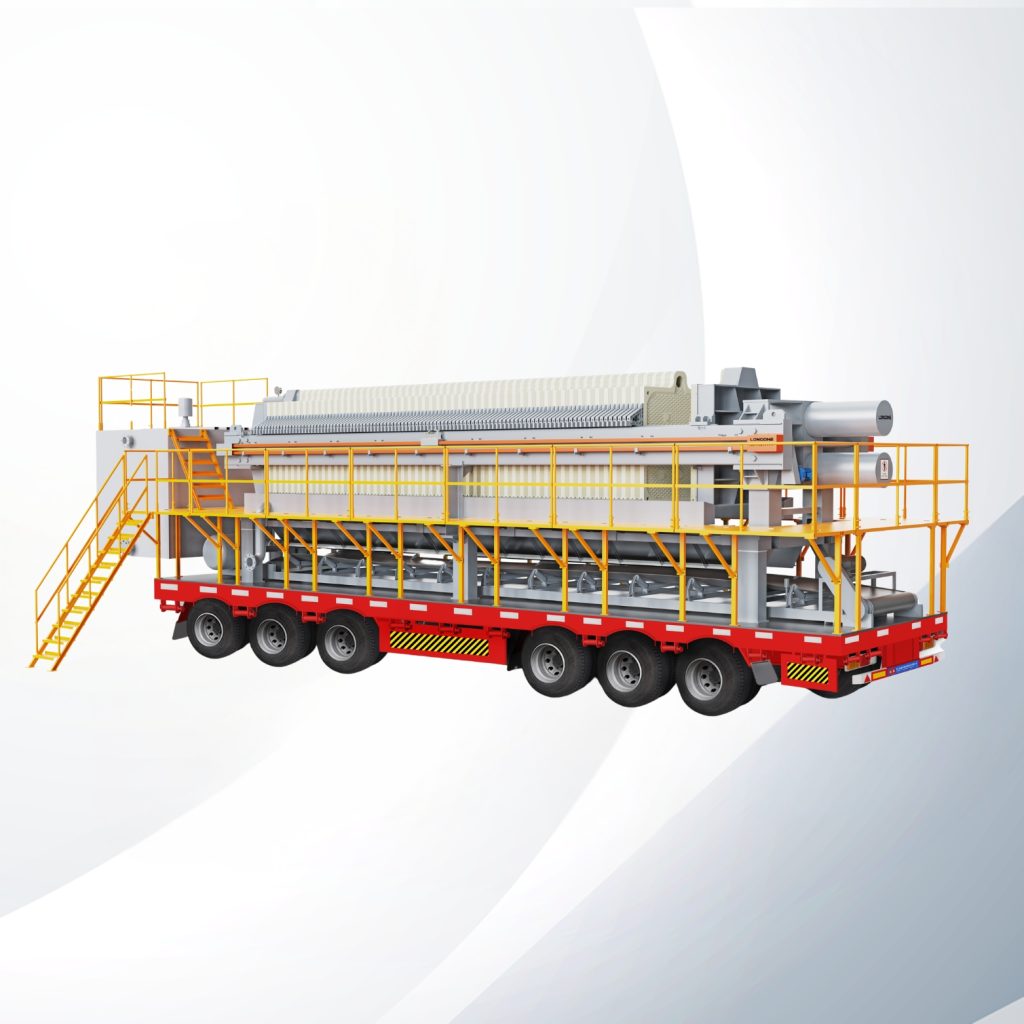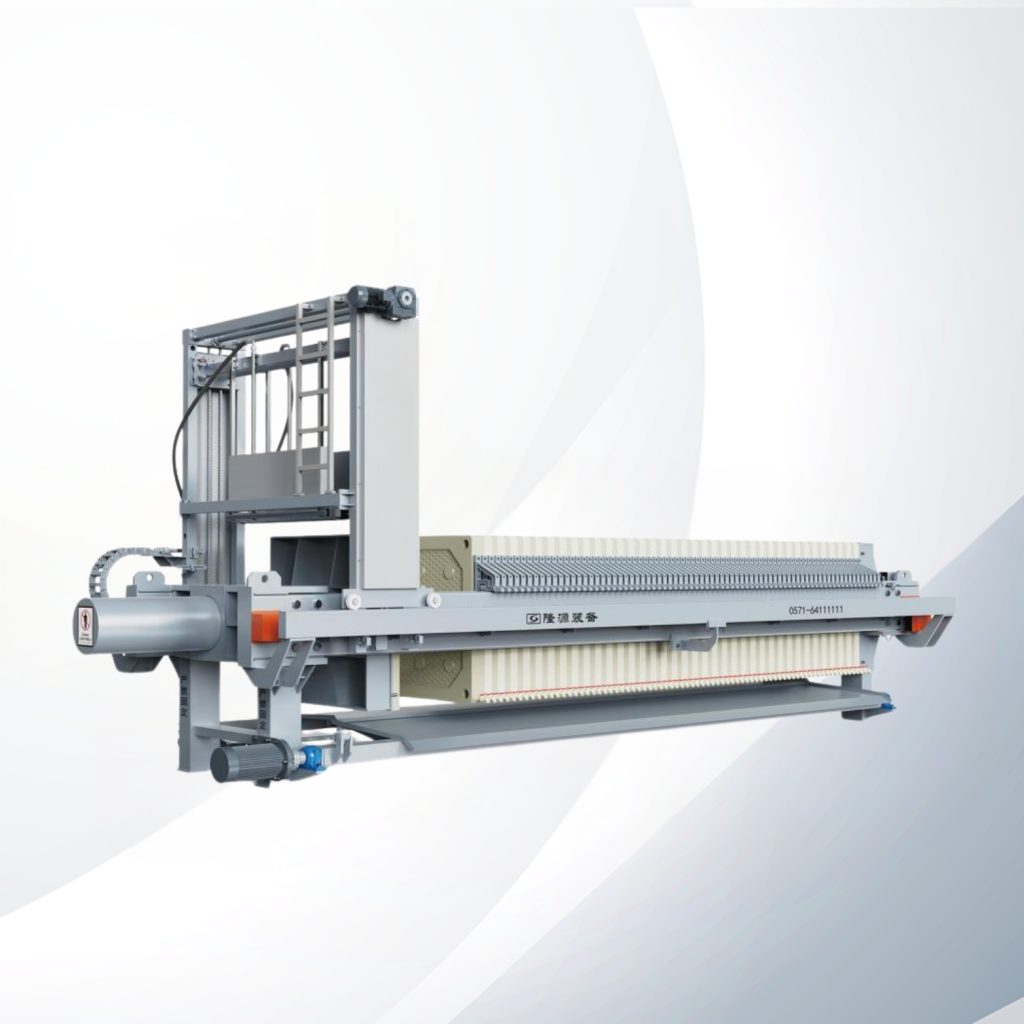
Running an industrial filter press seems straightforward, but minor deviations can lead to poor dewatering, messy slurry leaks, and costly downtime. These inefficiencies disrupt production schedules and drive up operational costs. Understanding the nuances of a proper filter press operation cycle is the solution to achieving consistent, reliable, and efficient solid-liquid separation.
A standard filter press operation follows a sequential five-step cycle: 1) Closing the press and sealing the plate pack, 2) Feeding slurry until the chambers are full, 3) (Optional) Washing the cake and/or squeezing with membrane plates, 4) Releasing pressure and opening the plate pack, and 5) Discharging the dewatered filter cakes. The quality and condition of the filter plates are critical to the success of every step.
Mastering these steps is only half the battle. As we’ll explore, the physical state of your filter plates—from their sealing surfaces to their feed ports—profoundly influences the outcome of each phase. Let’s dive deeper into what makes a successful filtration cycle from start to finish.
What Are the Critical Pre-Operation Checks?
Jumping straight into a filtration cycle without a quick inspection seems like a time-saver. That is, until a torn cloth or a misaligned plate causes a major high-pressure leak, turning a five-minute shortcut into a five-hour cleanup project. A systematic pre-operation check is your best defense against preventable failures.
Before starting any filter press operation, a brief but thorough inspection of the filter plates, filter cloths, and hydraulic system is essential. This ensures that all components are in good working order, preventing leaks, poor filtration quality, and potential equipment damage during the cycle.
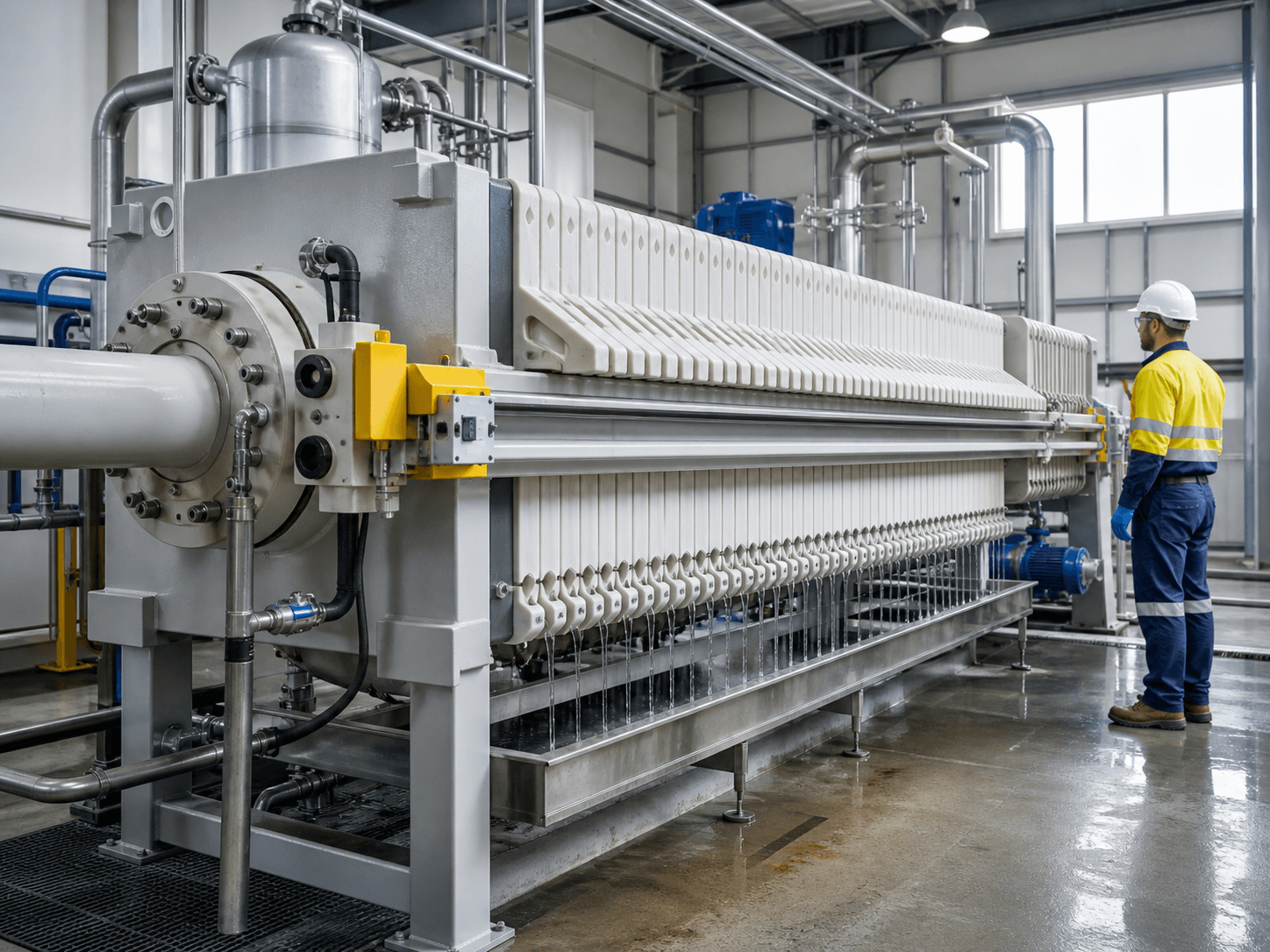
The Pre-Flight Checklist
In my years of working with filtration systems, I’ve learned that the problems you prevent are far cheaper than the ones you have to fix. A five-minute pre-cycle inspection is the highest-return activity an operator can perform.
Inspecting the Filter Plates
The filter plates form the heart of the machine. Their condition dictates whether you can even achieve a proper seal.
- Sealing Surfaces: Run your hand along the outer edge of each plate. It should be smooth and free of nicks, dried slurry, or warping. Any imperfection is a potential leak path once the press is under pressure. Warped plates, often from overheating or chemical attack, are a primary cause of sealing failure.
- Feed and Filtrate Ports: Visually check that the feed and filtrate ports (the holes in the corners or center of the plate) are clear of obstructions. Over time, these ports can wear, becoming enlarged or uneven, which will cause poor slurry distribution in later steps.
- Handles and Guide Lugs: For manual or semi-auto presses, ensure the handles and the lugs that slide on the side rails are intact and moving freely. A broken lug can cause a plate to jam during opening, a frustrating and time-consuming problem to fix.
Checking the Filter Cloths
The filter cloth is your primary separation medium.
- Tears and Punctures: Scan each cloth for visible holes or tears. Even a small puncture can allow fine solids to pass through, resulting in “muddy” or cloudy filtrate.
- Proper Installation: Ensure the cloth is centered on the plate and lies flat, especially around the sealing edge and barrel neck (the part that seals around the feed port). A wrinkled cloth will create a channel for slurry to leak out.
Hydraulic and Structural System
Finally, check the machine itself.
- Hydraulic Pressure: Check the hydraulic oil level and ensure the closing pressure is set correctly for your application.
- Side Rails: The rails that the plates hang on should be clean and free of caked-on solids, which can impede plate movement.
How Do You Complete Step 1: Closing the Press and Achieving a Proper Seal?
You’ve done your checks and are ready to start. But if the press doesn’t close correctly, the entire cycle is compromised before it even begins. An improper seal leads to immediate, high-pressure leaks the moment the feed pump turns on, creating a safety hazard and a significant mess.
To close the press, the hydraulic ram is activated, pushing the movable head to compress the stack of filter plates together. The goal is to apply enough force to create a continuous, leak-proof seal along the outer edges of every filter plate in the pack.
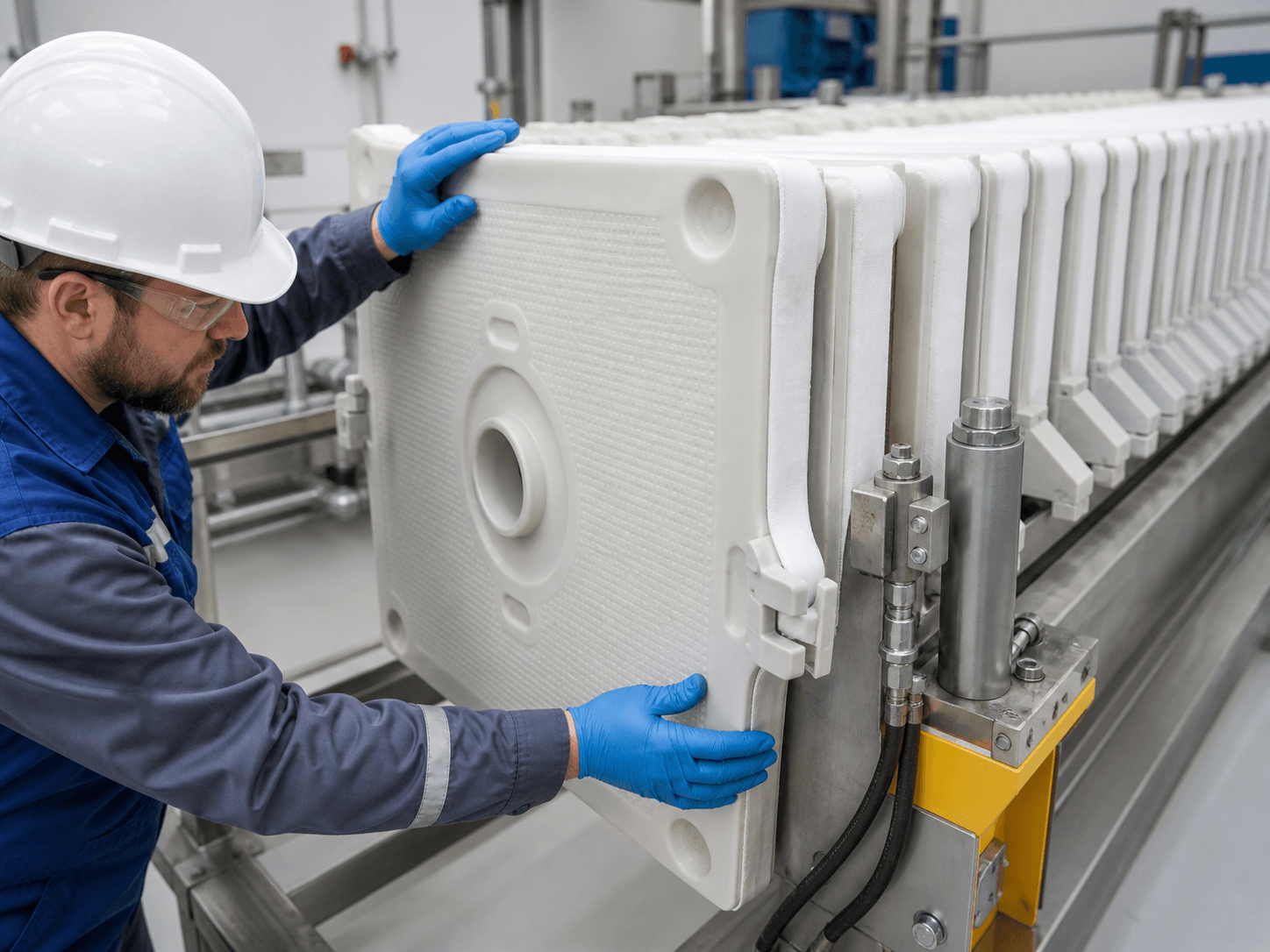
The Science of the Seal
Achieving a perfect seal is a function of force and surface integrity. The hydraulic system provides the force, but the filter plates provide the surface. Here, the quality of your plates is not just important—it’s everything.
A high-quality filter plate is manufactured with extremely tight dimensional tolerances. The sealing edge is perfectly flat and uniform. When pressure is applied, these flat surfaces meet perfectly, creating a seal that can withstand the high pressures of the feed cycle (often >225 PSI / 15 bar).
However, if a filter plate is warped even slightly—perhaps from being exposed to temperatures beyond its rating or from uneven pressure over many cycles—it will not seal correctly. A gap, even one less than a millimeter wide, is all it takes for slurry to escape. Similarly, if the sealing surface is nicked or has dried slurry caked onto it, that imperfection becomes a dedicated leak path.
This is why the pre-operation check is so vital. It’s also why investing in high-quality, virgin polypropylene plates from a reputable manufacturer is critical for long-term filter press operation. Plates made from recycled or inferior material are far more prone to warping under thermal and mechanical stress, leading to constant sealing problems. During closing, you should see the pressure on the hydraulic gauge rise and hold steady, indicating a successful seal. If it drops, you may have a leak in the hydraulic system or a problem with the plate stack.
What’s Involved in Step 2: Feed Control and Cake Formation?
With the press sealed, it’s time to introduce the slurry. Feeding too fast can damage the cloths or prevent a proper cake from forming, while feeding too slow wastes valuable time. The goal is to fill the chambers efficiently without creating imbalances or blockages.
The feed pump is turned on, and slurry is pumped into the press through the feed ports. It fills the empty chambers between the filter plates. The liquid passes through the filter cloth and exits as clear filtrate, while the solids are trapped inside, gradually building up to form a filter cake.
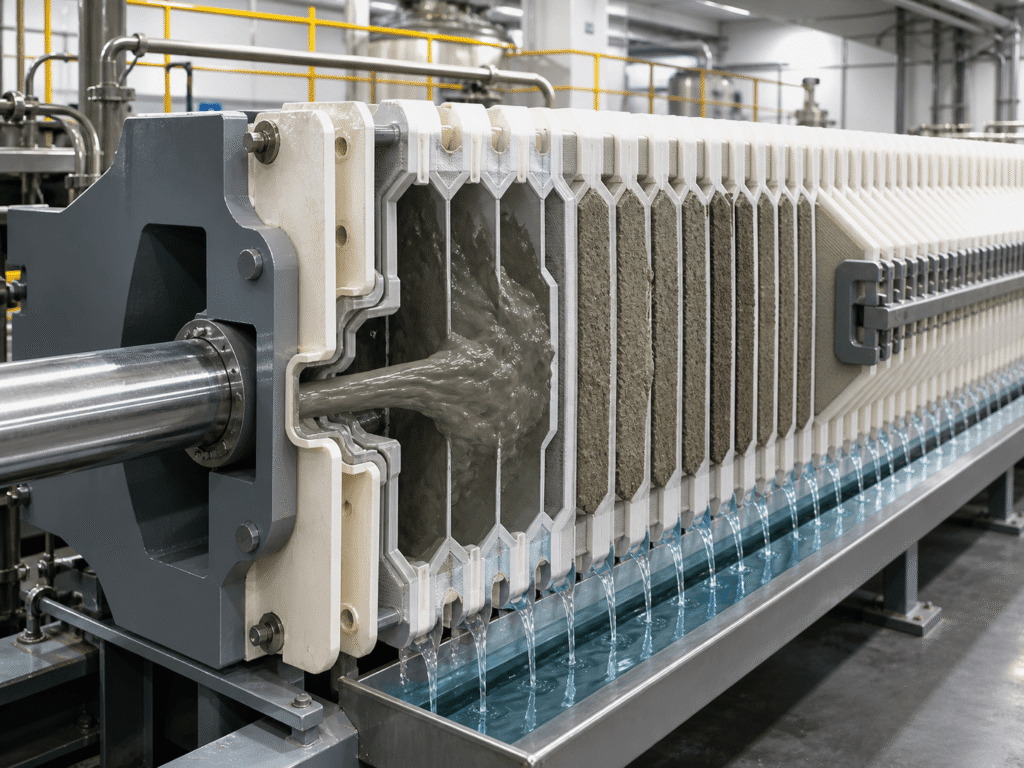
The Dynamics of Filling
The objective of the feed cycle is to form a uniform, dense, and evenly distributed filter cake in every single chamber. The evenness of this cake is paramount for efficient dewatering and subsequent washing or squeezing.
Here again, the condition of the filter plates plays a decisive role. The slurry travels from the head of the press down the line of plates through a continuous channel formed by the feed ports.
- Aligned and Unworn Ports: On a new or well-maintained set of plates, these ports are perfectly aligned and have a consistent diameter. This ensures that slurry is distributed to each chamber at roughly the same rate and pressure.
- Worn or Misaligned Ports: Over thousands of cycles, the abrasive nature of many slurries can wear down the feed ports. This erosion can cause some ports to become larger than others. The result? Slurry takes the path of least resistance, and chambers closer to the feed end fill faster than those at the hydraulic end. This leads to incomplete and uneven cake formation, trapping liquid in the cake and reducing overall dewatering efficiency.
A skilled operator monitors the filtrate flow and the feed pressure. Initially, filtrate flow is high and pressure is low. As the chambers fill with solids and the cake builds, the resistance increases. Consequently, the feed pressure will rise, and the filtrate flow will decrease. The feed cycle is typically considered complete when the filtrate flow slows to a trickle or the feed pressure reaches a pre-set maximum. This indicates the chambers are full of solids and can accept no more slurry.
How Does Step 3: Washing and Squeezing Work in a Membrane Filter Press Operation?
For standard recessed chamber plates, the cycle moves to opening after the feed step. But for many applications, especially in chemical or pharmaceutical processing, an intermediate step is needed. You might need to wash impurities from the cake or squeeze out every last drop of moisture.
This step is exclusive to membrane (or diaphragm) filter presses. After the chambers are filled, a wash liquid can be pumped through the cake to remove impurities. Following that, high-pressure water or air is pumped behind the flexible membrane on the plate surface, squeezing the cake to achieve significantly higher dewatering.
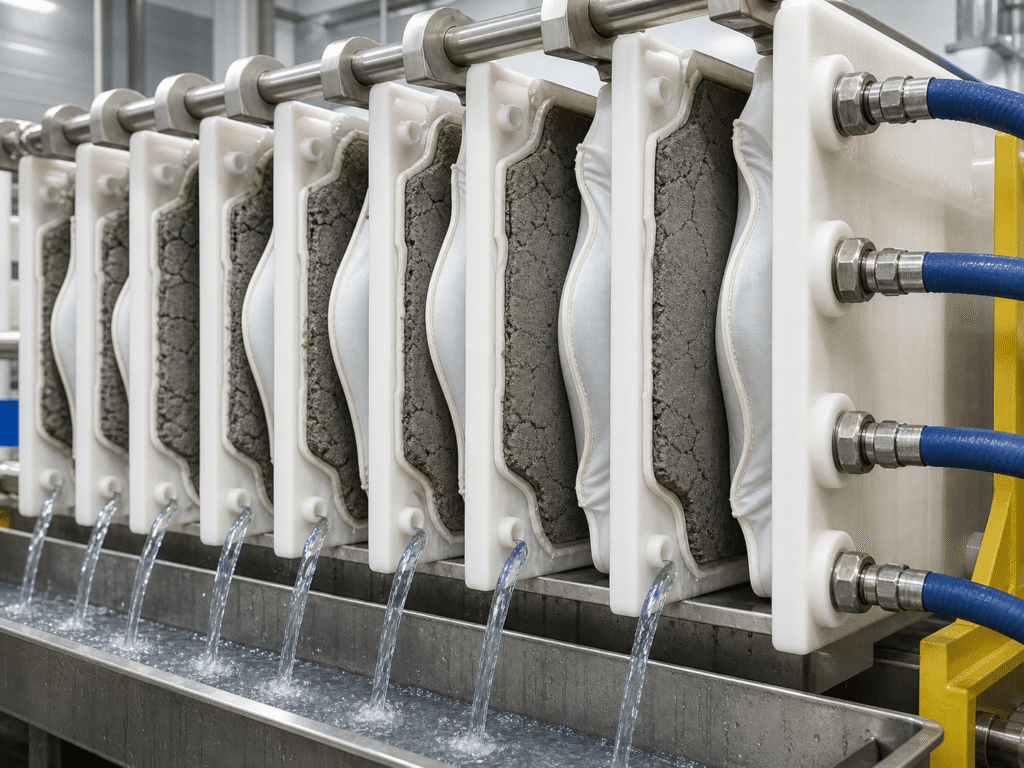
Maximizing Dewatering with Membrane Plates
Membrane plates are a significant upgrade over conventional plates for applications demanding the driest possible cake. They are a “recessed chamber” plate and a “membrane” plate combined. Every other plate in the plate pack is a membrane plate, with a flexible, typically rubber or thermoplastic, face welded to the polypropylene body.
The Washing Phase
If washing is required, the feed pump is stopped, and a wash pump introduces a wash fluid (usually water) into the press. It percolates through the cake, displacing the original mother liquor and washing out soluble impurities. The effectiveness of the wash depends on having a uniform, well-formed cake from the previous step. Any cracks or areas of low density in the cake will lead to “channeling,” where the wash liquid bypasses most of the solids, resulting in an inefficient wash.
The Squeezing Phase
This is where membrane plates truly shine. Once the feed (or wash) is complete, the internal channels of the membrane plates are pressurized. This pressure, which can be as high as 6.0 MPa in advanced systems, causes the membrane surface to inflate and physically compress the filter cake in the chamber. This mechanical squeeze forces out additional liquid that the feed pump pressure alone could not remove. The result is a filter cake with significantly lower moisture content—often 10-20% drier than a conventional press can achieve.
The integrity of the membrane filter plate is paramount for this step. The membrane must distribute the squeeze pressure evenly across the entire face of the cake. Any weak points, delamination of the membrane from the plate body, or punctures will cause a pressure loss and uneven squeezing. This is why we, as a manufacturer, put so much focus on the welding and bonding quality between the polypropylene plate and the membrane layer. A failure here renders the entire squeezing function useless.
What Is the Process for Step 4: Pressure Release and Safe Opening?
The cycle is nearing its end. The cake is formed, washed, and squeezed. Now, you need to safely release the immense pressure holding the press together. Rushing this step or having mechanical issues can be dangerous and cause equipment damage.
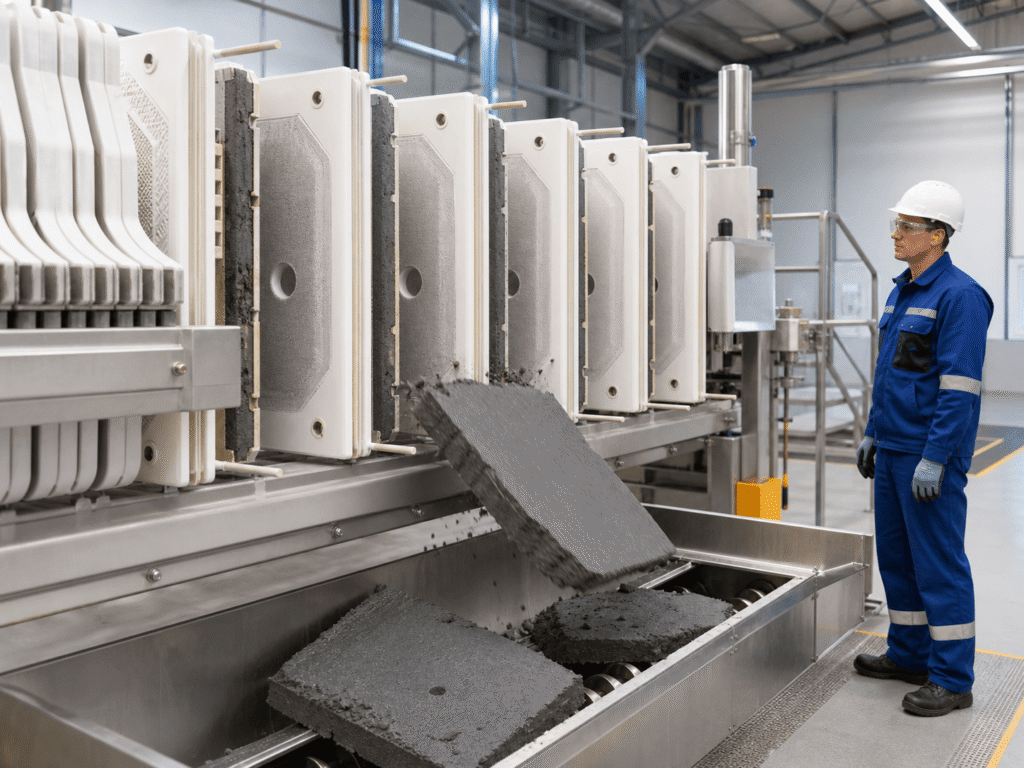
Before opening the press, all internal pressure must be relieved. This involves stopping the feed/squeeze pumps and opening air blowdown valves to purge any remaining liquid or pressure from the feed and filtrate manifolds. Only then is the hydraulic pressure released, allowing the ram to retract.
Depressurization and Retraction
Safety is the number one priority during this phase of the filter press operation. A filter press can contain hundreds of tons of closing force. Releasing this force must be a controlled process.
- Core Blowing / Pressure Relief: The first action is always to relieve any pressure trapped within the plate stack. Most modern presses have an “air blow” or “core blow” function. Compressed air is blown through the feed channel to push out any remaining slurry or wash liquid. This not only recovers valuable product but, more importantly, ensures the press is not opened while containing pressurized liquid, which could spray out violently.
- Releasing Hydraulic Pressure: Once the internal manifolds are clear, the operator signals the hydraulic system to retract. The hydraulic pressure drops to zero, and the ram pulls the movable head away from the plate pack.
The condition of the filter plates and their guide lugs becomes important again here. As the press opens, the plates should hang freely and vertically on the side rails. If a plate is warped, or if its guide lugs are damaged, it may not separate cleanly from its neighbor. This can cause the plates to jam together, requiring manual intervention with a pry bar—a frustrating and potentially unsafe situation. Smooth, clean side rails and well-maintained plate lugs ensure a smooth and easy opening process.
How Do You Execute Step 5: Cake Discharge and Plate Cleaning?
The press is open, and a row of dewatered filter cakes awaits. The final step is to discharge these cakes and prepare the press for the next cycle. The efficiency of this step directly impacts your overall cycle time and throughput.
With the plate pack open, the filter plates are shifted one by one (either manually or automatically). As each plate is moved, the filter cake that was formed in the chamber behind it falls out due to gravity and drops into a hopper or onto a conveyor below.
Ensuring a Clean Release
The goal of cake discharge is a “clean break.” Ideally, the entire cake falls out in one piece as soon as the plates are separated, leaving behind a relatively clean filter cloth. This is where the synergy between the plate surface, the cloth type, and the cake’s characteristics is most visible.
However, things don’t always go so smoothly. Often, cakes will stick to the cloth, requiring an operator to manually scrape them off with a plastic spatula. This “sticky cake” problem is a major source of labor cost and extended cycle times. The root cause can often be traced back to the filter plates and cloths:
- Plate Surface Finish: While the cloth does the separating, the underlying plate provides support. If the plate surface behind the cloth is rough or has a texture that “grips” the cake through the cloth, it can make discharge difficult. A smooth, well-designed drainage surface on the plate promotes a cleaner release.
- Cloth Blinding and Stickiness: Over time, fine particles can become embedded in the weave of the filter cloth (blinding), or sticky substances in the slurry can coat the fibers. This makes the cloth surface less slick, causing the cake to adhere strongly.
- Improper Cake Formation: If the cake was poorly formed in Step 2—for instance, if it’s too wet or uneven—it will lack the structural integrity to fall out cleanly and will likely break apart or stick. This goes back to the importance of uniform feed distribution, which is influenced by the condition of the plate’s feed ports.
After all cakes are discharged, any residual cake on the cloth surfaces should be scraped off. In some automatic systems, high-pressure water jets automatically wash the cloths after each cycle. This prepares the press for the next filter press operation with clean filtration surfaces.
What Common Operational Problems Can Be Traced Back to Plate Condition?
Operators often troubleshoot problems by looking at the pumps or the slurry. But in my experience, a surprising number of recurring issues originate from the filter plates themselves. When you face persistent problems, it pays to look closely at the condition of your plate stack.
Many chronic filter press operation failures, such as leaks, poor cake quality, and difficult discharge, are direct symptoms of degraded or ill-suited filter plates. Identifying the plate-level root cause is key to finding a permanent solution instead of just managing the symptoms.
A Diagnostic Guide to Plate-Related Failures
Let’s break down the most common operational headaches and connect them directly to the state of the filter plates. This is the core of effective troubleshooting.
- Problem: Persistent Slurry Leaks During Feed Cycle
- Plate-Level Cause: This is almost always a sealing issue. Look for warped filter plates that don’t meet flush. Check for nicks, gouges, or deep scratches on the sealing edges. Also, inspect for caked-on, dried solids that prevent a tight seal. A single bad plate can compromise the entire stack.
- Problem: Uneven or Wet Filter Cakes
- Plate-Level Cause: This points to a problem with slurry distribution. The most likely culprit is worn or non-uniform feed ports on the plates. As slurry erodes the polypropylene, some ports become larger, leading to uneven filling. Another cause can be a misaligned plate pack, where the feed ports don’t form a straight, unobstructed channel.
- Problem: Difficult Cake Discharge (“Sticky Cakes”)
- Plate-Level Cause: The cake is adhering too strongly to the cloth. While cloth choice is a factor, the underlying plate plays a role. A rough or poorly designed plate drainage surface can cause the cake to lock onto the cloth. In membrane presses, if the membrane has lost its flexibility or is delaminating, it won’t provide the “pop” needed to help break the cake free.
- Problem: Cloudy or “Muddy” Filtrate
- Plate-Level Cause: While a torn cloth is the most obvious reason, a poor seal can also be the cause. If slurry is leaking between the sealing surfaces of the plates, it can mix with the clean filtrate in the collection trough. This goes back to having flat, undamaged sealing surfaces on every plate.
- Problem: Plates Jamming During Opening
- Plate-Level Cause: This is a mechanical issue related to the plates. Inspect the plate handles and guide lugs for damage or excessive wear. Also, check if any plates are significantly warped, as this can cause them to bind against their neighbors and the side rails.
By shifting the focus to the physical condition of the filter plates, you can often solve problems that have plagued your filter press operation for months.
Filter Press Operation: Manual vs. Semi-Auto vs. Fully Automatic?
The core steps of filtration are the same, but the level of human involvement varies dramatically with the type of press. Choosing the right level of automation depends on your slurry, throughput needs, and labor availability.
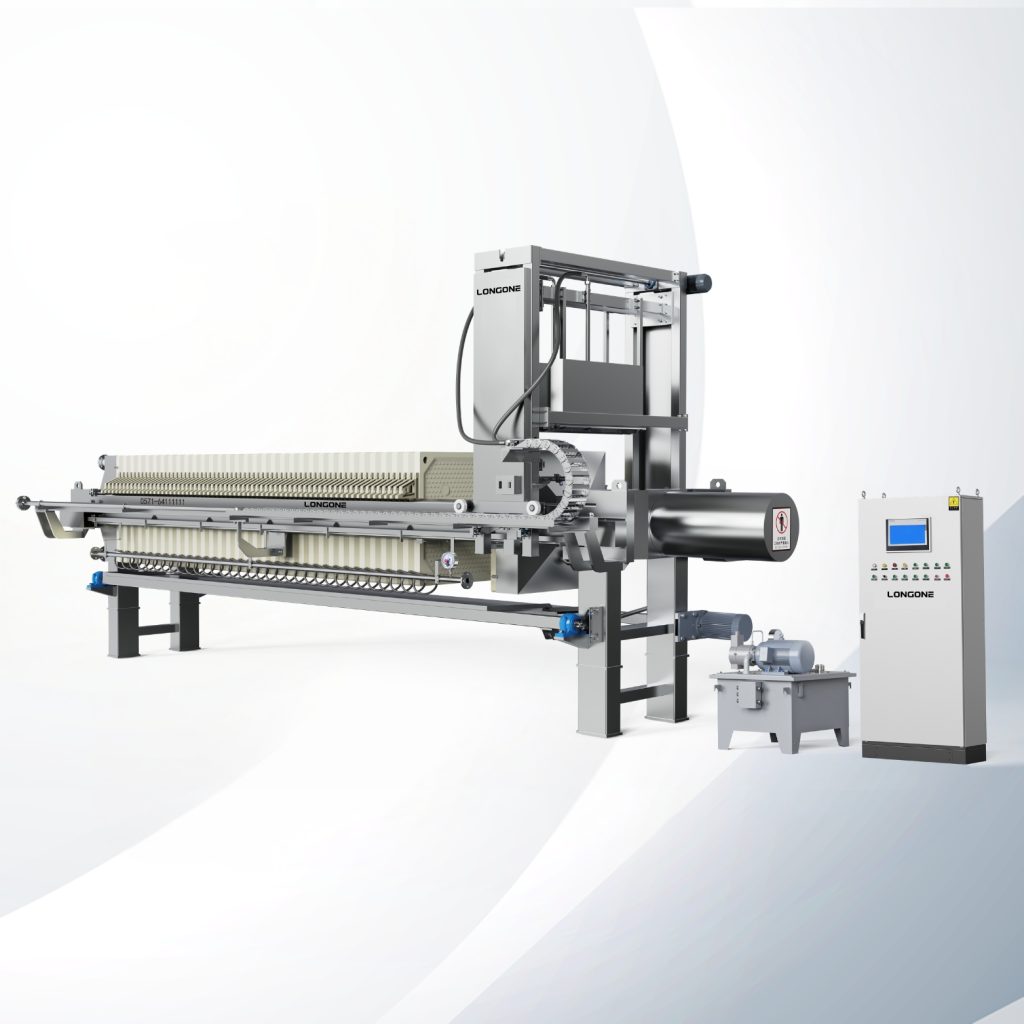
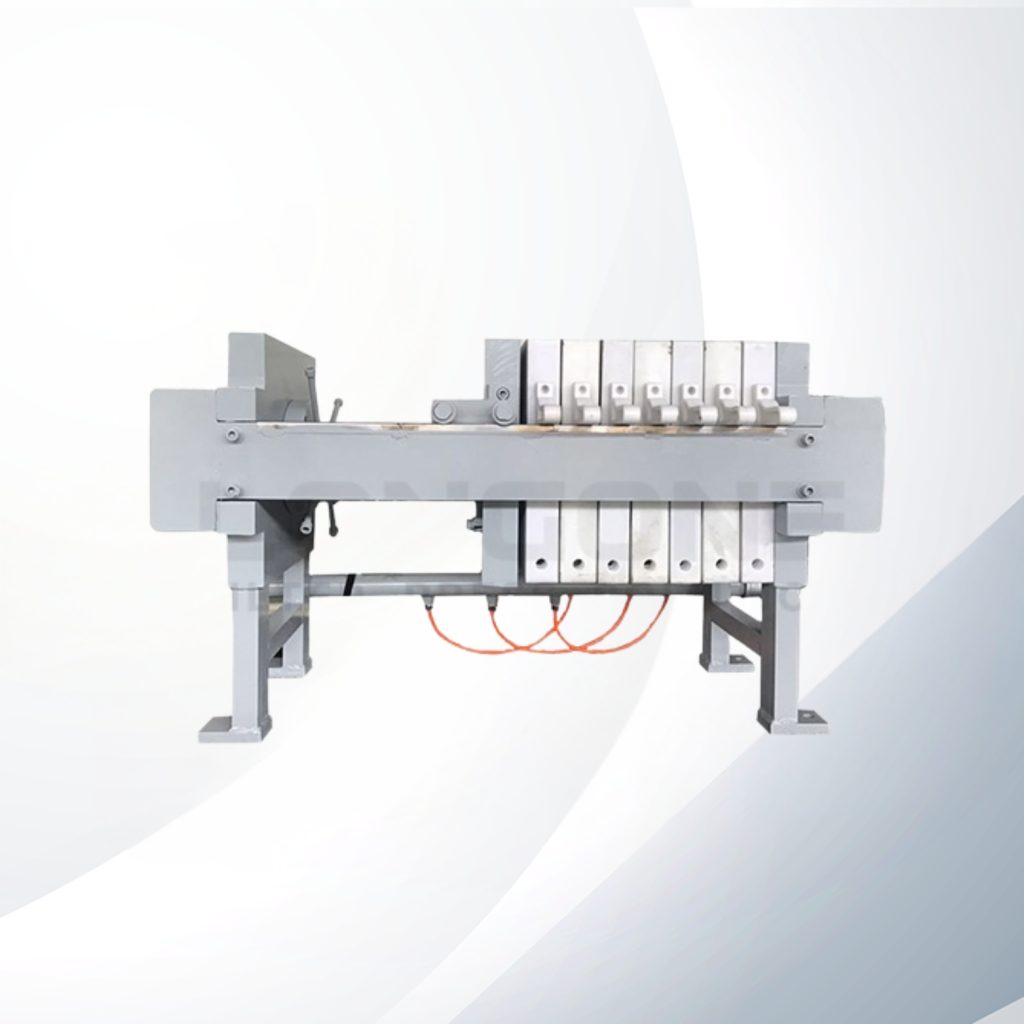
The primary difference lies in how plates are shifted and cakes are discharged. Manual presses require an operator for every step, semi-automatic presses assist with plate shifting, and fully automatic presses can run entire cycles, including cake discharge and cloth washing, with no operator intervention.
A Head-to-Head Comparison
Understanding the operational differences is crucial when procuring a new system. Let’s compare them across key functions:
| Feature | Manual Filter Press | Semi-Automatic Filter Press | Fully Automatic Filter Press |
|---|---|---|---|
| Plate Closing/Opening | Manual hydraulic pump or push-button hydraulic control. | Push-button hydraulic control. | Fully automated, sequenced by PLC. |
| Plate Shifting | Operator manually pulls each plate open one by one. | Operator initiates, but a mechanical shifter moves the plates. | Fully automated robotic or linkage shifter opens plates rapidly. |
| Cake Discharge | Operator manually scrapes any sticking cakes with a spatula. | Operator assists with scraping as needed. | Often includes “cake shaker” or automatic high-pressure cloth washing. |
| Labor Intensity | Very High. Requires constant operator presence. | Medium. Operator needed to oversee opening and assist discharge. | Very Low. Can run unattended for multiple cycles. |
| Cycle Time | Longest, highly dependent on operator speed and fatigue. | Faster and more consistent than manual. | Shortest and most consistent cycle time. |
| Ideal Use Case | Small batch operations, labs, low-throughput applications. | Medium-volume production, where some labor is available. | High-volume, 24/7 operations; hazardous environments. |
For our customers in mining and large-scale wastewater treatment, fully automatic systems are the standard for maximizing throughput and minimizing labor costs. However, for smaller specialty chemical or food processing applications, a semi-automatic press often provides the perfect balance of efficiency and capital cost. The choice directly impacts the day-to-day reality of your filter press operation.
Conclusion
A successful filter press operation is far more than a simple sequence of steps. It is a system where mechanical action and material science meet. We’ve seen how every phase, from achieving a tight seal to ensuring a clean cake release, is fundamentally dependent on the quality and condition of your filter plates. Warped surfaces, worn feed ports, and damaged sealing edges are not minor imperfections; they are the root causes of leaks, inefficiencies, and downtime. By prioritizing the inspection and maintenance of your plates, you move from simply running a press to truly optimizing your solid-liquid separation process.