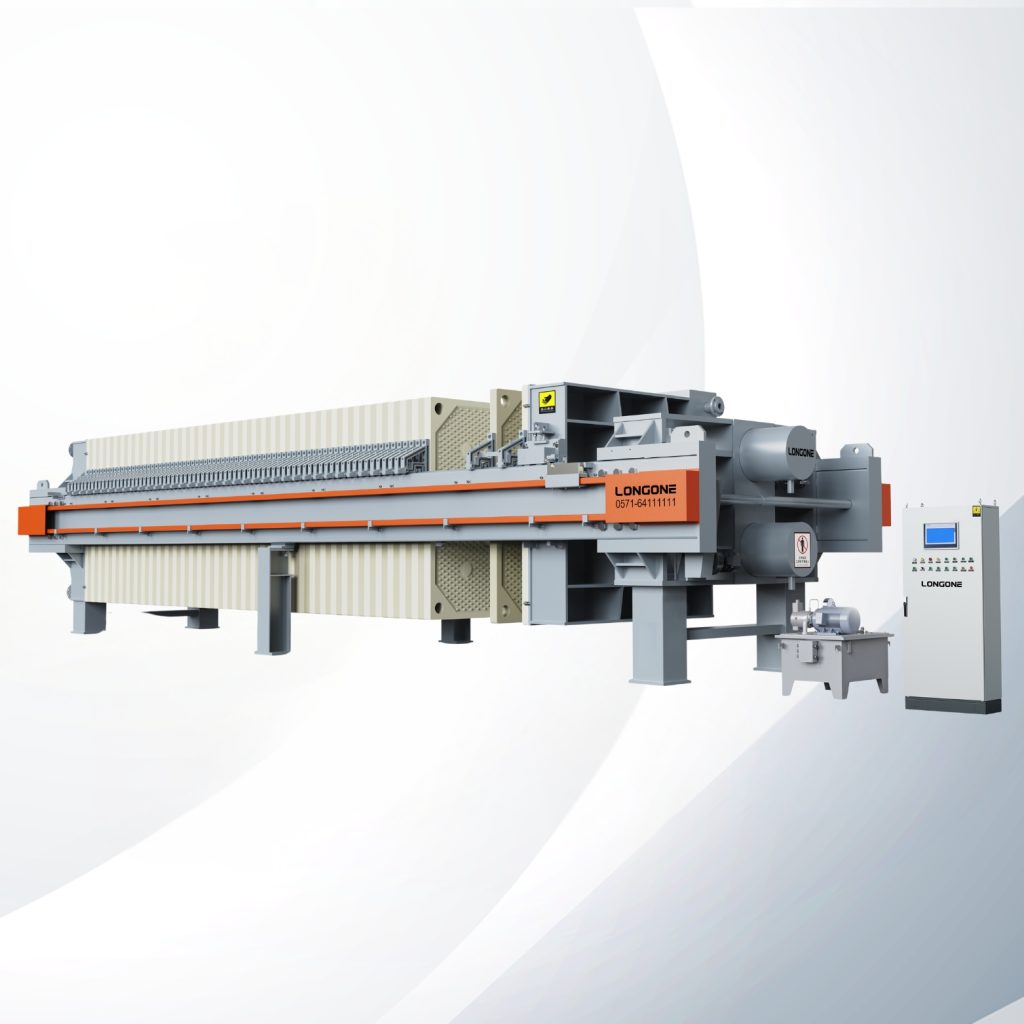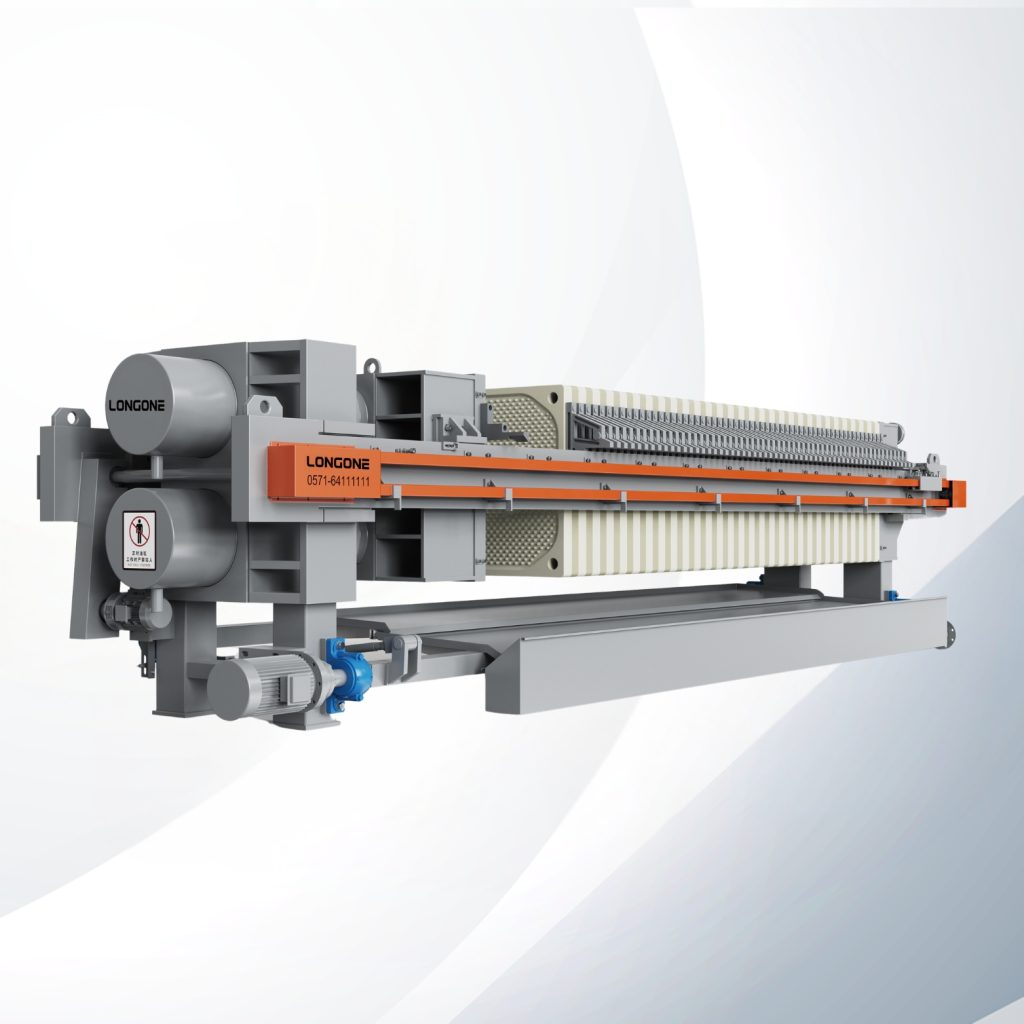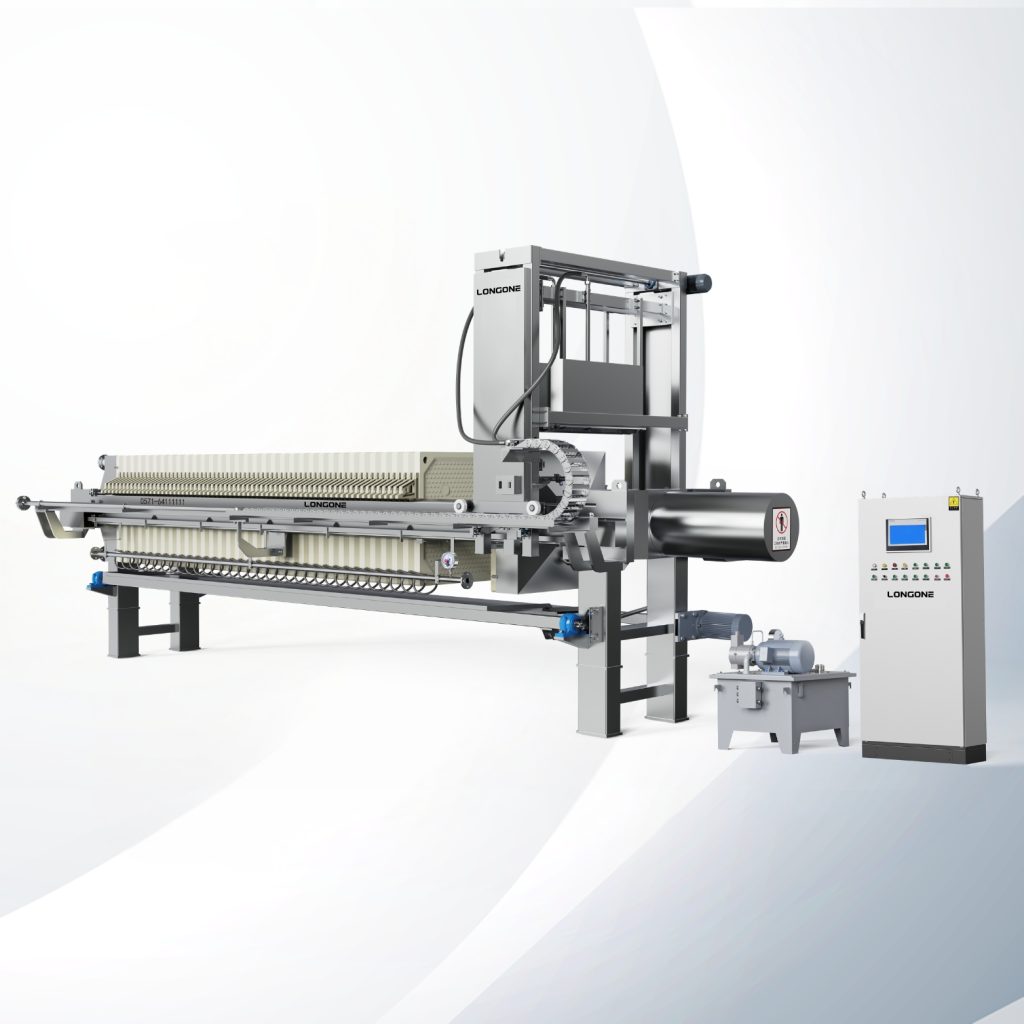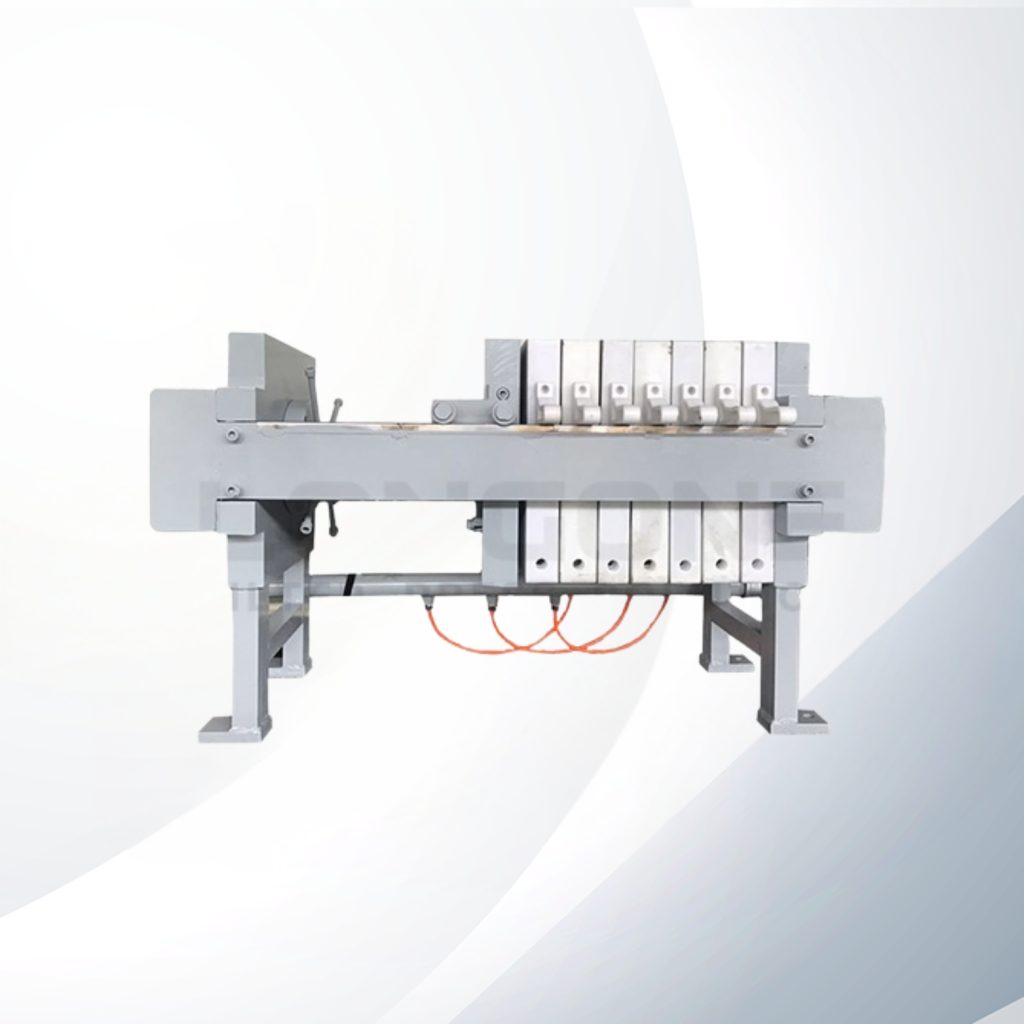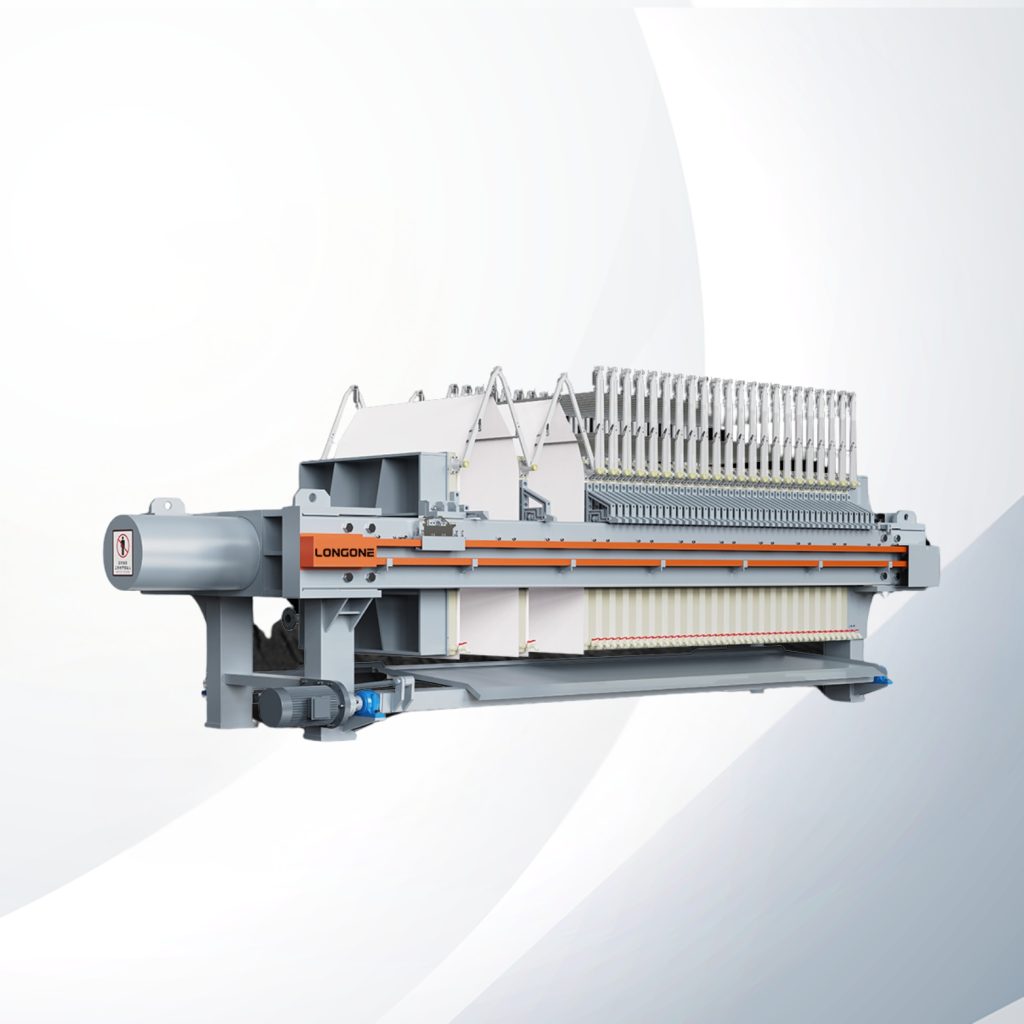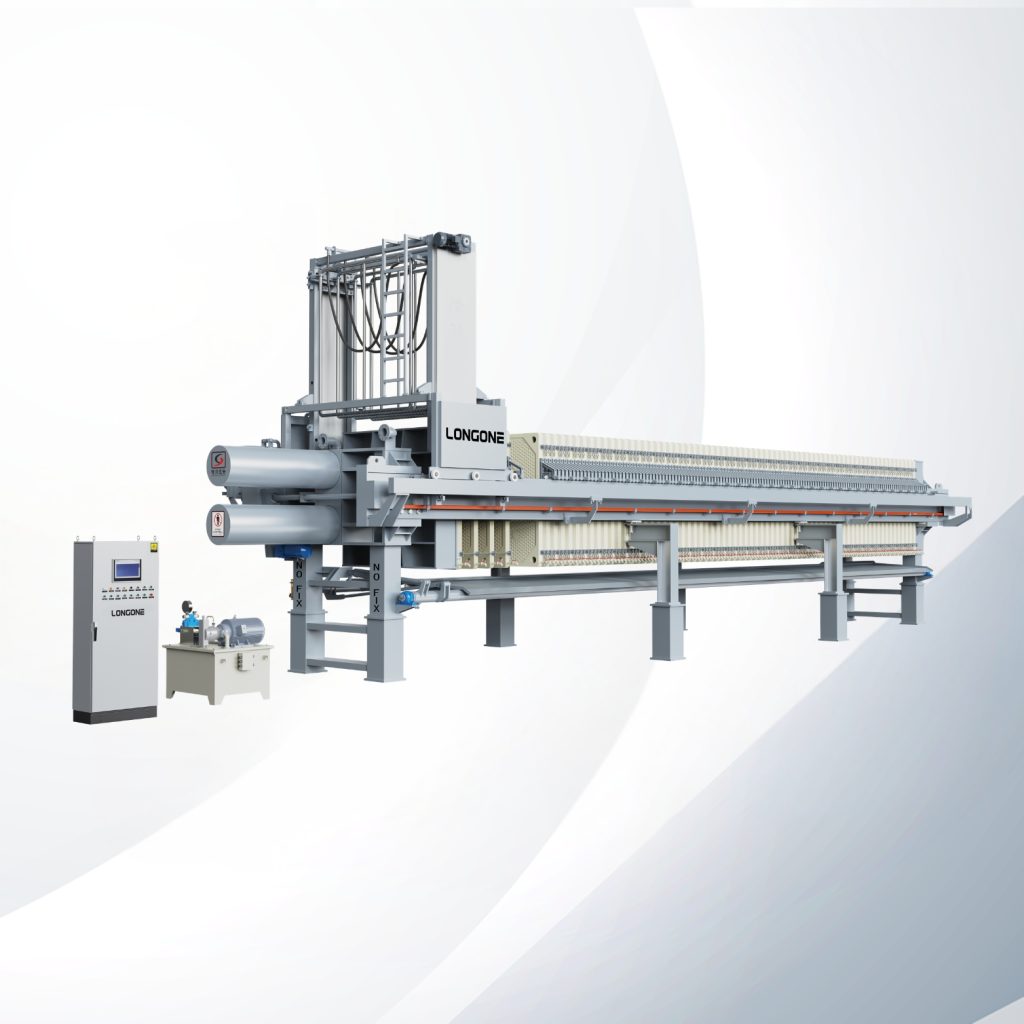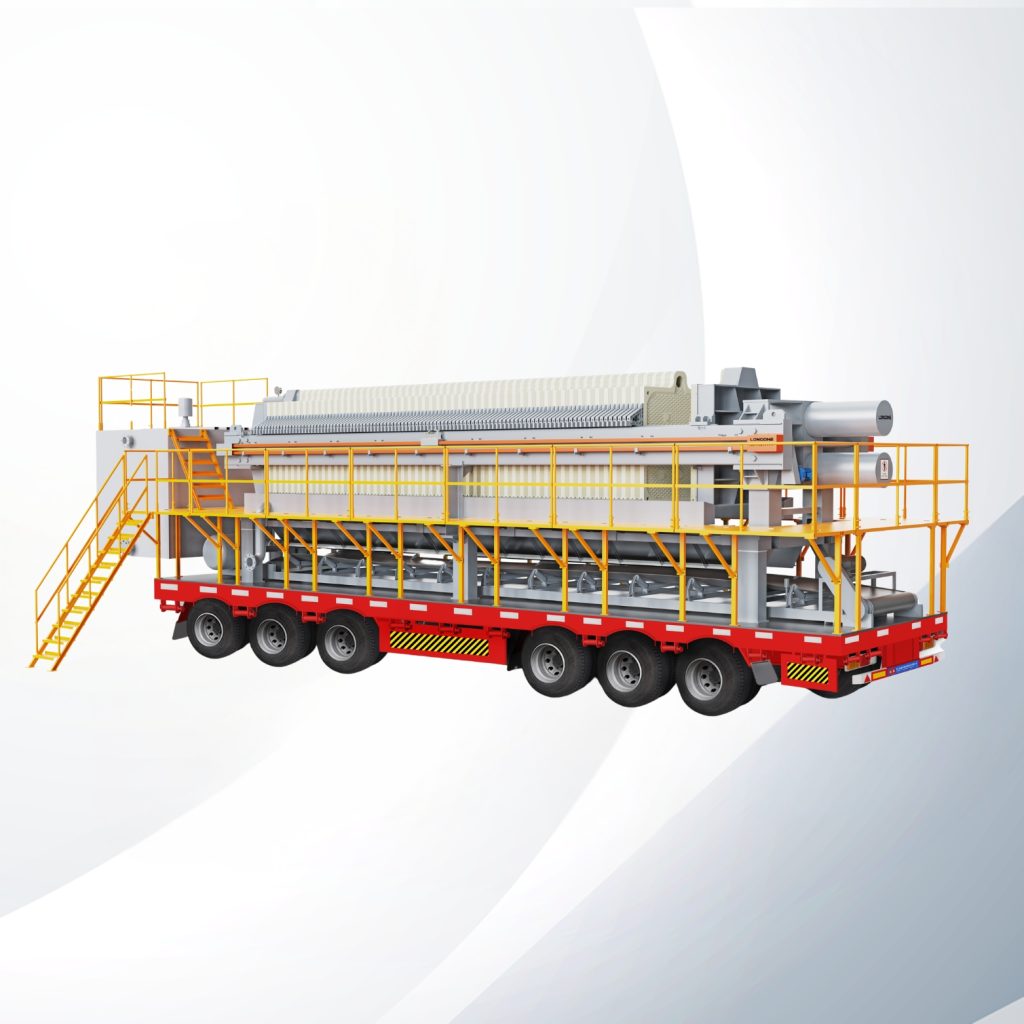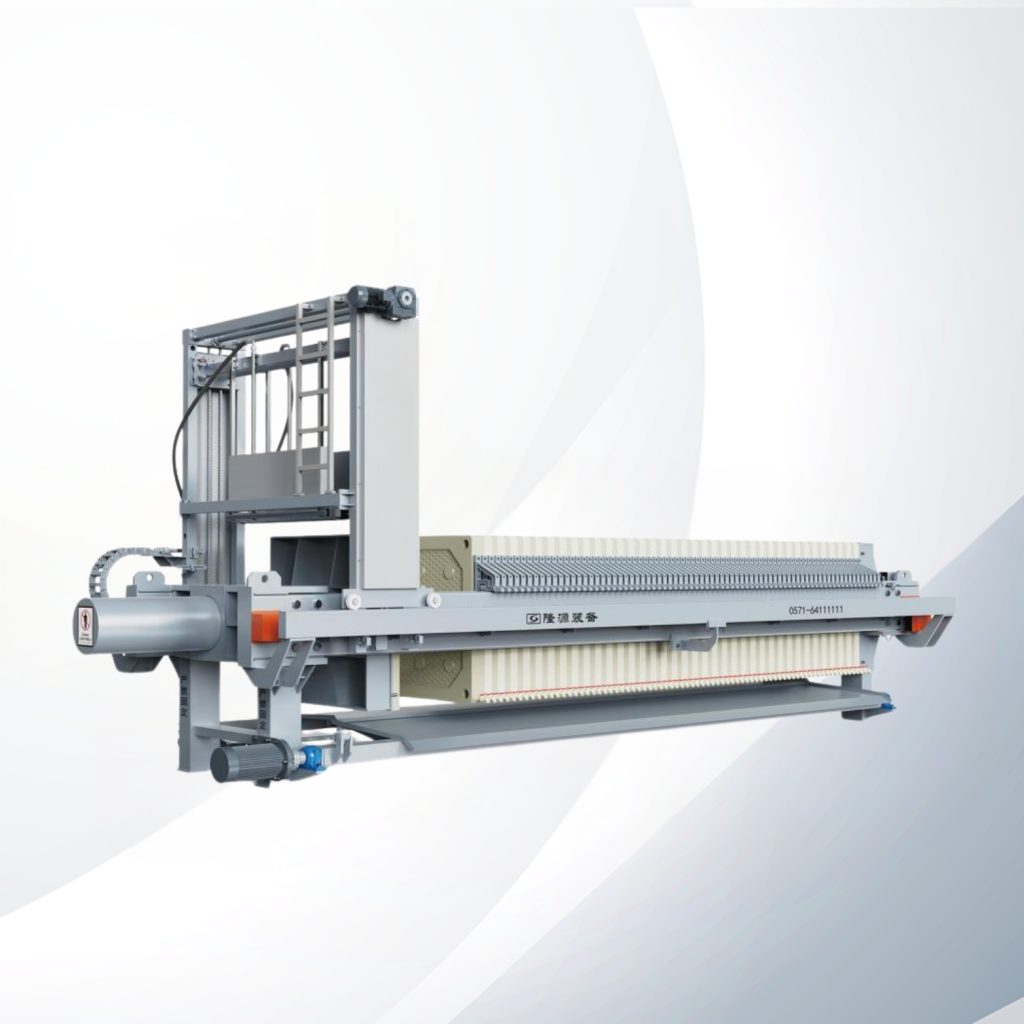
Struggling with solid-liquid separation on a smaller scale? You might find that large industrial filtration systems are too costly, complex, and oversized for your needs. This mismatch can lead to wasted capital, excessive operational costs, and inefficient use of valuable floor space. The solution might be a small filter press, a powerful and compact tool designed specifically for these scenarios.
A small filter press is a compact, mechanical dewatering device used for solid-liquid separation in low-volume applications. It operates on the same principle as its larger industrial counterparts—using pressure to force liquid through filter media, leaving behind a dry, solid cake. They are defined by their smaller filtration area, typically ranging from 0.16 m² to 50 m², making them ideal for laboratories, pilot testing, and small-batch production.
Now that we have a clear definition, you might be wondering what sets a small unit apart and how it actually performs its job. Let’s dive deeper into the mechanics, applications, and critical selection criteria to help you determine if a small filter press is the right fit for your operation.
What Exactly Defines a Small Filter Press?
Are you finding the term “small” ambiguous when it comes to industrial equipment? It’s easy to picture massive machinery and wonder if a small filter press is merely a toy, causing you to overlook a perfectly viable solution for your facility.
UN small filter press is a professional-grade filtration machine characterized by its compact design and lower throughput capacity. It is typically defined by a filtration area between 0.16 m² and 50 m² and is built for flexibility, affordability, and ease of use in space-constrained environments.
UN small filter press is far more than just a shrunken version of an industrial model; it is a solution optimized for a specific set of needs. While the core principle of pressure filtration remains the same, the design choices and features are tailored for different priorities.
Key Characteristics
Here are the defining features that distinguish a small filter press from its larger relatives:
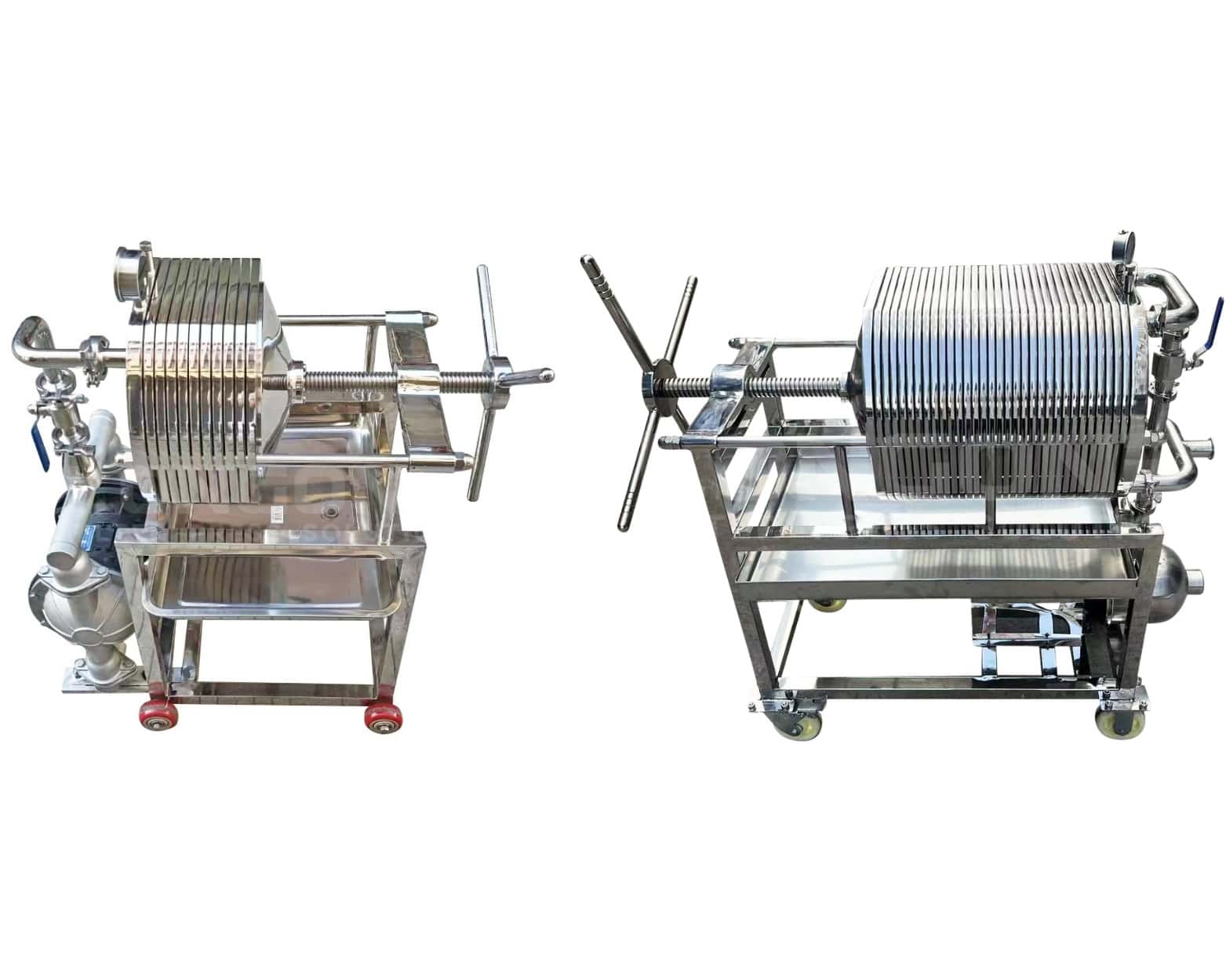
- Filtration Area: This is the most direct measure of size. Our small models at LONGONE start at just 0.16 m² and go up to around 50 m². In contrast, our large-scale industrial presses can feature filtration areas exceeding 1,600 m². This smaller surface area is perfectly matched for lab-scale tests, pilot runs, or daily production volumes measured in hundreds, not thousands, of kilograms.
- Compact Footprint: Floor space is a premium in any laboratory or production facility. A small filter press is designed to occupy minimal space. These units can often be made mobile with casters, allowing them to be moved between different process lines or stored away when not in use.
- Operation Mode: To keep costs down and simplify the design, many small presses feature manual or semi-automatic operation. This can include a manual hydraulic hand pump for clamping the plates and manual plate shifting for cake discharge. While fully automated small presses exist, the manual versions offer an excellent balance of performance and affordability.
- Industrial-Grade Construction: Do not mistake “small” for “flimsy.” Reputable manufacturers build their small presses to the same quality standards as their large ones. At our facility, we use the same robust carbon steel for frames and high-quality polypropylene for filter plates across our entire product line, ensuring durability and longevity regardless of size.
An Optimized, Not a Compromised, Solution
It’s crucial to see the small filter press as a purpose-built tool. It excels in applications where flexibility is more important than massive throughput. For example, a company developing new chemical formulas may need to run dozens of small, different batches in a single week. A small press can be cleaned and reconfigured quickly, a task that would be time-consuming and inefficient on a giant press. It fills a critical gap for R&D departments, small businesses, and decentralized treatment points within larger facilities.
How Does a Small Filter Press Achieve Dewatering?
The inner workings of a filter press might seem like a black box, making you hesitate to adopt the technology. If the process appears too complicated, you may fear a steep learning curve for your team, preventing you from realizing its benefits.
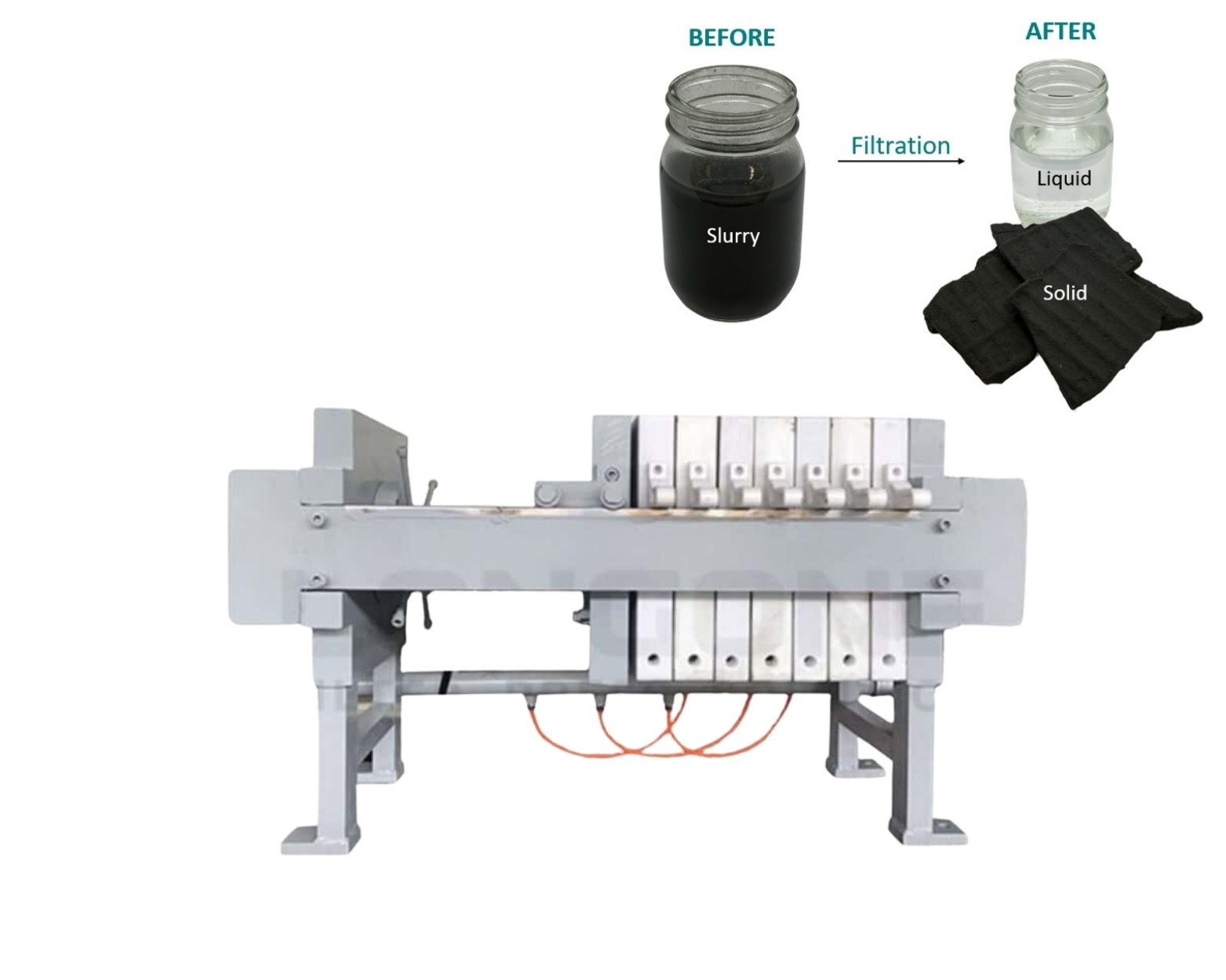
UN small filter press dewaters a slurry through a simple yet effective four-step cycle. First, the press is clamped shut. Second, a pump feeds the slurry into the chambers between filter plates. Pressure forces the liquid (filtrate) out through filter cloths, while solids accumulate inside. Finally, the press is opened to discharge the dewatered solid cakes.
The beauty of the filter press lies in its straightforward and reliable mechanical process. Whether it’s a small manual unit or a large automated one, the fundamental filtration cycle remains the same. Let’s break it down step-by-step.
The Four-Step Filtration Cycle
- Closing & Clamping: The process begins by closing the press. The filter pack, which consists of a series of recessed plates covered with filter cloths, is compressed together. In a small filter press, this is often done using a manual or electric hydraulic system that pushes the movable head against the plate pack, creating a watertight seal between each plate. The clamping pressure must be high enough to counteract the internal filtration pressure that will build during the feed cycle.
- Filling & Filtration: Once the press is securely clamped, a feed pump is activated. It begins pumping the slurry (the solid-liquid mixture) into the press through a central feed port. The slurry fills the empty chambers formed between the filter plates. As the pump continues to run, pressure inside the chambers builds. This pressure acts as the driving force, pushing the liquid component of the slurry through the filter cloths. The liquid, now called filtrate, exits the press through collection ports and is channeled away. The solid particles are too large to pass through the weave of the cloth and are trapped inside the chambers.
- Filtration Complete: The filling stage continues until the chambers are completely filled with solids and a firm “filter cake” has formed. Operators know the cycle is complete when the filtrate flow rate drops significantly, or when the feed pressure reaches a pre-set maximum. At this point, the feed pump is stopped. In some applications, compressed air can be blown through the cake to displace remaining moisture and achieve an even drier result.
- Opening & Cake Discharge: With the cycle complete, the hydraulic pressure is released, and the clamping mechanism retracts. The operator can then separate the filter plates one by one. As the plates part, the solid, dewatered filter cakes fall from the chambers, typically into a bin or onto a conveyor below. On a manual small filter press, the operator pulls each plate open. After all cakes are discharged, the press is ready to be closed for the next cycle.
I remember visiting a small artisanal food producer who was manually pressing olive pulp in cheesecloth bags. The process was slow, messy, and left a lot of valuable oil behind. After we helped them install a small plate-and-frame filter press, they were able to cut their processing time by over 70% and produce a much drier cake, improving their oil yield significantly.
Where Are Small Filter Presses Most Commonly Used?
You might be thinking this technology sounds interesting but questioning its relevance to your specific industry. Assuming that a small filter press is only for laboratories could mean you miss out on a significant opportunity to improve efficiency and reduce costs in your production environment.
Small filter presses are exceptionally versatile and find use across a wide range of industries. Their primary applications include research and development labs for process validation, pilot plants for scaling up new products, decentralized wastewater treatment, and small-batch production in the chemical, food, beverage, and pharmaceutical sectors.
The adaptability of the small filter press makes it one of the most useful tools for solid-liquid separation in non-bulk applications. Its ability to handle different types of slurries with a simple change of filter media opens it up to a diverse user base.
Laboratory and Pilot Testing
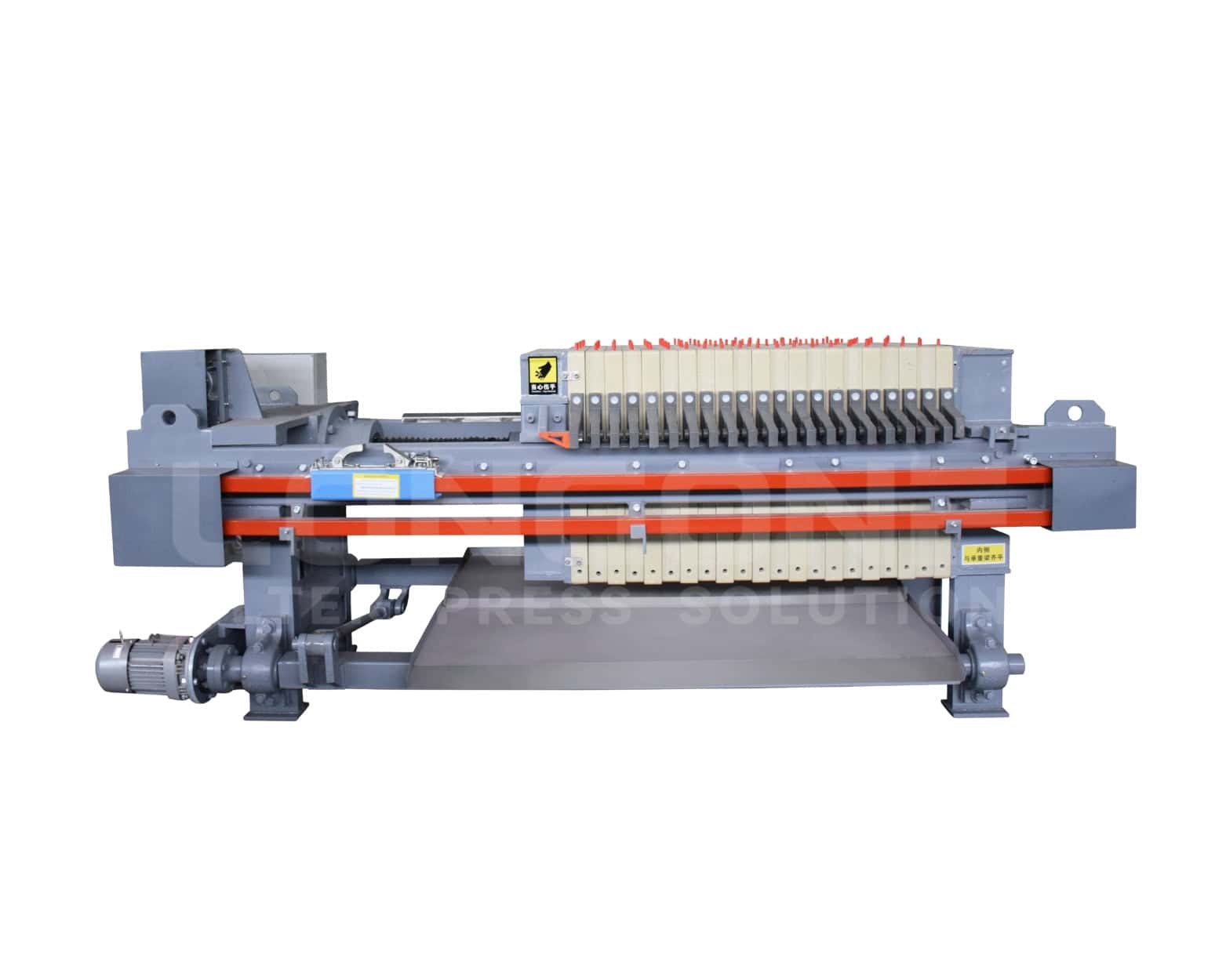
This is perhaps the most classic application. Before a company invests hundreds of thousands of dollars in a large-scale industrial filtration system, they must validate the process. A laboratory or pilot-scale small filter press is essential for this work.
- Process Validation: Engineers can test different slurry concentrations, pressures, and cycle times to determine the optimal operating parameters.
- Filter Media Selection: It allows for testing various filter cloth materials and weaves to find the one that provides the best balance of filtrate clarity, cake dryness, and non-blinding performance.
- Scalability Data: The data gathered from a small press (e.g., kg of dry solids per m² per hour) is critical for accurately sizing a larger production unit. As a manufacturer, we often use test results from a client’s sample on our in-house lab press to confidently specify a full-scale system.
Niche Industrial Applications
Beyond the lab, the small filter press is a workhorse in many production environments:
- Decentralized Wastewater Treatment: A large factory may have a central WWTP, but a small, remote workshop (e.g., a painting or metal plating line) can generate its own hazardous sludge. A small press at the source can dewater this sludge, drastically reducing its volume and disposal costs.
- Food & Beverage: The applications here are endless. Small presses are used for:
- Clarifying fruit juices and wines
- Dewatering vegetable pulp
- Filtering edible oils like olive oil or coconut oil
- Separating yeast from craft beer
- Chemical and Pharmaceutical: For high-value, low-volume products, a small filter press is ideal. It’s used for catalyst recovery, pigment manufacturing, active pharmaceutical ingredient (API) separation, and other processes where batch integrity and minimal product loss are critical.
- Mining and Geology: Exploration labs use small presses to dewater core samples and mineral slurries for analysis. In small-scale artisanal mining, they can be used to recover precious metals from concentrates.
What Are the Key Benefits of a Small Filter Press?
When evaluating equipment, it’s easy to get fixated on maximum capacity, leading you to believe that “bigger is always better.” This mindset can cause you to overlook the unique strategic benefits a smaller, more agile unit can bring to your operation.
The primary advantages of a small filter press are a significantly lower initial investment, a compact footprint that saves valuable floor space, high operational flexibility for handling small or varied batches, and simpler operation and maintenance protocols that reduce the need for specialized labor and training.
Choosing a small filter press is often a strategic decision that pays dividends in both economic and operational terms. The benefits extend far beyond simply having a smaller machine.
Economic Advantages
For small businesses, R&D departments, or specific process points, budget is always a key consideration.
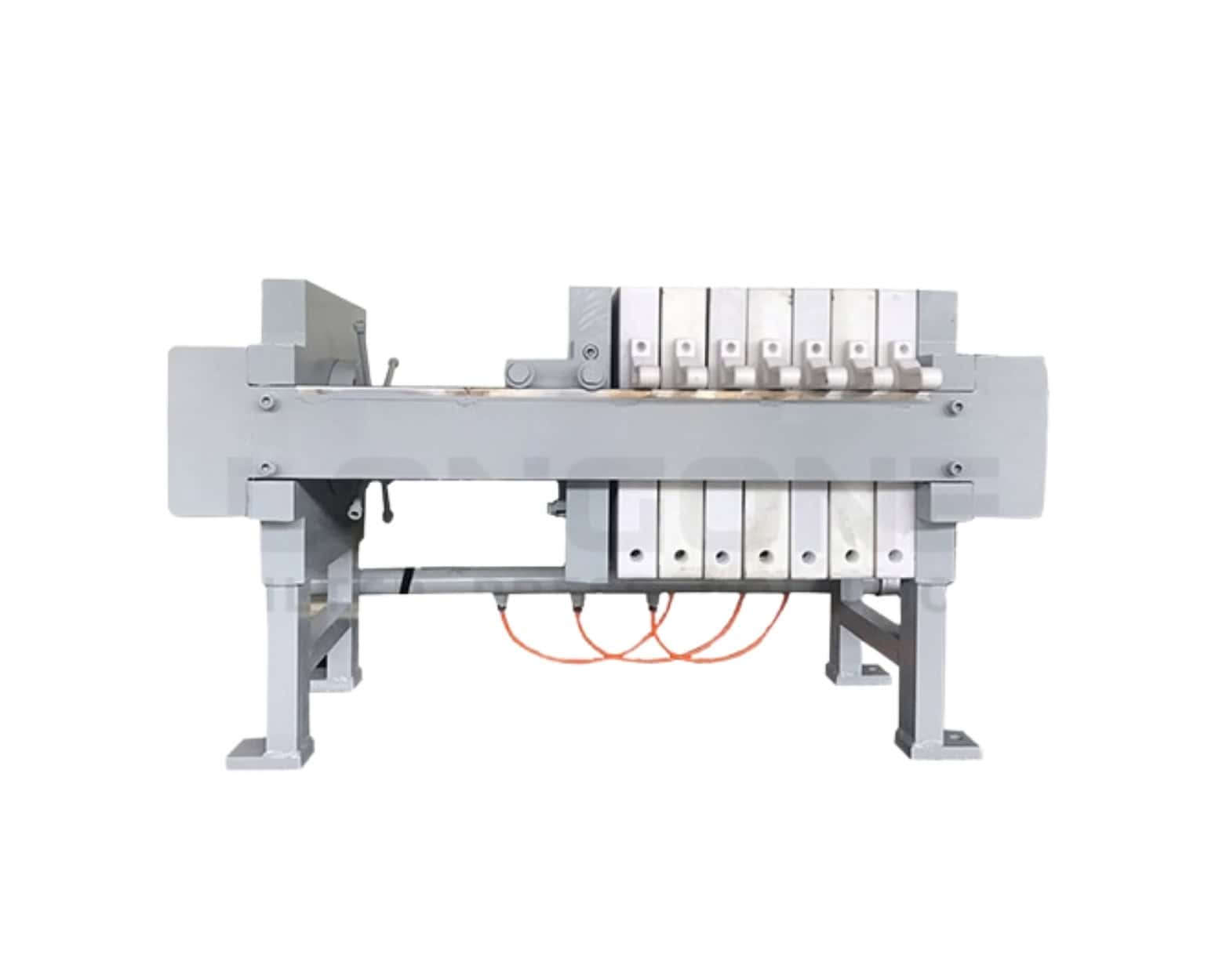
- Lower Capital Expenditure (CapEx): The most obvious benefit. A small filter press can cost a fraction of a large, fully automated system. This makes modern filtration technology accessible to businesses that previously relied on manual methods or expensive third-party disposal services.
- Reduced Operational Expenditure (OpEx): The savings continue long after the purchase. A smaller press consumes less electricity for its hydraulic pump and feed pump. It requires smaller volumes of cleaning agents and, if used, pre-coat materials. The maintenance parts, like filter cloths, are also smaller and less expensive to replace.
- Drastic Reduction in Disposal Costs: This is often the primary driver for ROI. Turning a watery sludge (e.g., 98% water) into a solid cake (e.g., 60% water) can reduce the waste volume by 5 to 10 times or more. Since disposal is often priced by weight or volume, the cost savings are immediate and substantial.
Operational Advantages
Efficiency isn’t just about speed; it’s also about agility.
- Unmatched Flexibility: UN small filter press is the champion of flexibility. A craft brewery I consulted with used their small press to filter different seasonal beers each week. The quick and easy cleanup between batches was something that would have been a logistical nightmare on a larger press. This adaptability is invaluable for any business with a diverse product portfolio or R&D needs.
- Space Efficiency: In a crowded lab or a small workshop, every square meter counts. The compact, often vertical, design of a small filter press allows it to be installed in places where a larger machine would be impossible. Many can even be fitted with wheels for mobility.
- Simplicity and Ease of Use: With manual or semi-automatic controls, these presses are incredibly straightforward to operate. Training for an operator can often be completed in a few hours. The mechanical simplicity also translates to easier maintenance and troubleshooting, reducing downtime.
How Does a Small Filter Press Compare to a Large One?
Making the right sizing decision is critical. Choosing an oversized press means wasting capital, energy, and space. Conversely, selecting an undersized press creates a production bottleneck that throttles your entire operation.
The core difference is purpose and scale. A small filter press is engineered for low-volume processing, operational flexibility, and affordability, often featuring manual controls. A large industrial filter press is designed for high-throughput, automated, and continuous operation in major processing plants like mines or municipal wastewater facilities.
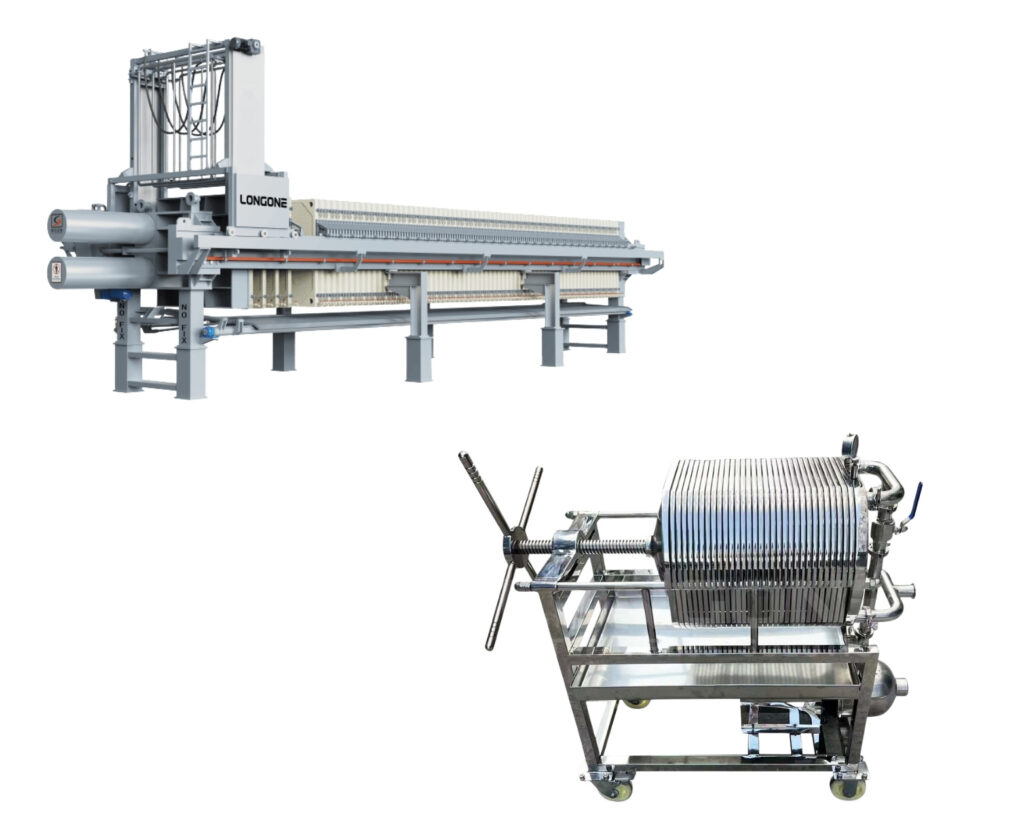
The choice between a small and a large filter press is not about which is “better” but which is “fitter” for the specific task. A detailed comparison reveals that they are two different tools for two different jobs. Let’s compare them across several key criteria in a table.
| Feature | Piccola filtropressa | Large Filter Press |
|---|---|---|
| Zona di filtraggio | 0.16 m² – 50 m² | 50 m² – 1,600+ m² |
| Primary Goal | Flexibility, low cost, pilot testing | Maximum throughput, high automation, low labor cost per ton |
| Throughput | Low volume, batch-oriented (kg to a few tons/day) | High volume, semi-continuous (tens to hundreds of tons/day) |
| Operation | Typically Manual or Semi-Automatic | Typically Fully Automatic (plate shifting, washing, etc.) |
| Footprint | Compact, can be mobile | Large, requires a dedicated foundation and significant space |
| Initial Cost (CapEx) | Low | High to very high |
| Ideal Application | Labs, R&D, small-batch chemicals, food, craft beverage | Mining, municipal WWTPs, large chemical plants, heavy industry |
| Batch Flexibility | Very High: Easy to clean and switch products. | Low: Optimized for a single, consistent feed stream. |
| Ancillary Equipment | Simple feed pump, small air compressor | Complex feed systems, conveyors, automated control rooms |
As the table illustrates, the decision-making process should be driven entirely by your application’s requirements. If you need to dewater 100 tons of mining tailings per day, a small filter press is clearly not the right tool. However, if you need to test a new pharmaceutical slurry, recover catalyst from a 500-liter reactor, or clarify 1,000 liters of cider, a large press would be an inefficient and costly mistake. The small filter press excels in its niche by providing a precise, cost-effective solution where large-scale equipment is simply impractical.
What Factors Should Guide Your Small Filter Press Selection?
Simply choosing the smallest model from a catalog is a recipe for disappointment. Without a thorough evaluation of your process needs, you could invest in a small filter press that fails to meet your dewatering targets or creates operational headaches down the line.
To select the right small filter press, you must start with a detailed analysis of your slurry, including its particle size and concentration. Then, define your goals for cake dryness and throughput. Finally, consider practical constraints like available space and evaluate the supplier’s technical support and manufacturing credentials.
Selecting the correct small filter press is a technical process that requires careful thought. As a manufacturer with over 20 years of experience, we guide our customers through this evaluation to ensure they get a machine that performs perfectly from day one.
Critical Slurry Analysis
Everything starts with the slurry. Its properties will dictate almost every other choice you make.
- The Importance of Slurry Testing: This is the single most important step. We always recommend that prospective clients send us a representative sample of their slurry. In our lab, we can perform a “bomb filter” or bench-top press test. This simple test tells us crucial information about the slurry’s filterability, the likely cycle time, and the achievable cake dryness. It takes the guesswork out of sizing.
- Key Parameters to Know:
- Solids Concentration (% Solids): A dilute slurry will require a larger chamber volume to produce the same amount of cake as a concentrated one.
- Particle Size Distribution (PSD): Very fine particles can be harder to filter and may require a specific type of filter cloth or the use of a filter aid.
- Chemical Composition, pH, and Temperature: These factors determine the required materials of construction. For example, a highly acidic slurry might require plates and piping made from a special corrosion-resistant polymer or alloy.
Sizing and Configuration
Once the slurry is understood, we can configure the press.
- Filtration Area and Chamber Volume: Based on your desired batch size (in kg of dry solids) and the cycle time determined from testing, we can calculate the necessary filtration area and total chamber volume. It’s wise to plan for some future growth, perhaps sizing the press 15-20% larger than your immediate needs.
- Filter Plates: Standard recessed chamber plates are the most common. However, if you need an exceptionally dry cake, you might consider membrane squeeze plates. These have a flexible diaphragm that can be inflated after the initial filtration cycle to mechanically squeeze more liquid out of the cake.
- Filter Cloth: The filter cloth is the heart of the press. Its material (polypropylene, polyester, etc.), weave pattern, and micron rating must be perfectly matched to your particles to ensure good filtration and prevent premature blinding.
Supplier Evaluation
Finally, evaluate the company you are buying from.
- Manufacturer vs. Trading Company: Partnering directly with a manufacturer like LONGONE ensures you get the best technical expertise, customization options, and pricing.
- Verify Credentials: Ask for documentation like ISO certifications to verify their quality management systems.
- Support and Warranty: Inquire about the warranty period (we offer a 12-month warranty) and the availability of spare parts like filter cloths and seals. Good technical support during installation and commissioning is invaluable.
For any application-specific decision, we always recommend a consultation with a qualified filtration engineer to ensure all variables are considered.
Conclusion
UN small filter press is far more than a downsized industrial machine; it is a strategic asset for any organization that requires efficient, cost-effective solid-liquid separation on a smaller scale. From R&D labs validating new processes to small businesses creating niche products, these compact workhorses provide an exceptional return on investment through lower capital costs, reduced waste disposal fees, and unparalleled operational flexibility. The key to success lies not in choosing the biggest or most complex machine, but in carefully selecting the right small filter press based on a thorough analysis of your slurry and process goals.
If you are considering a small filter press for your operation, our engineering team is here to help. Contact us today to discuss your application and request a complimentary evaluation of your slurry.