Struggling to navigate the various types of filter press on the market? It’s a common challenge for plant managers and engineers. Choosing the wrong system can lead to inefficient dewatering, high operational costs, and even production downtime. This guide clarifies the primary classification methods to help you make an informed decision for your facility.
The main types of filter press are classified along three independent axes: chamber structure (plate and frame, recessed chamber, or membrane), plate material (polypropylene, cast iron, or stainless steel), and automation level (manual, semi-automatic, or fully automatic). A buyer selects a configuration by combining one option from each category based on their specific process requirements.
This framework is something I’ve found essential to explain to new buyers over my 20+ years in the industry. Instead of a confusing list, thinking in these three dimensions—structure, material, and automation—simplifies the selection process. Let’s dive into what each of these categories means for your operation.
What Is a Filter Press?
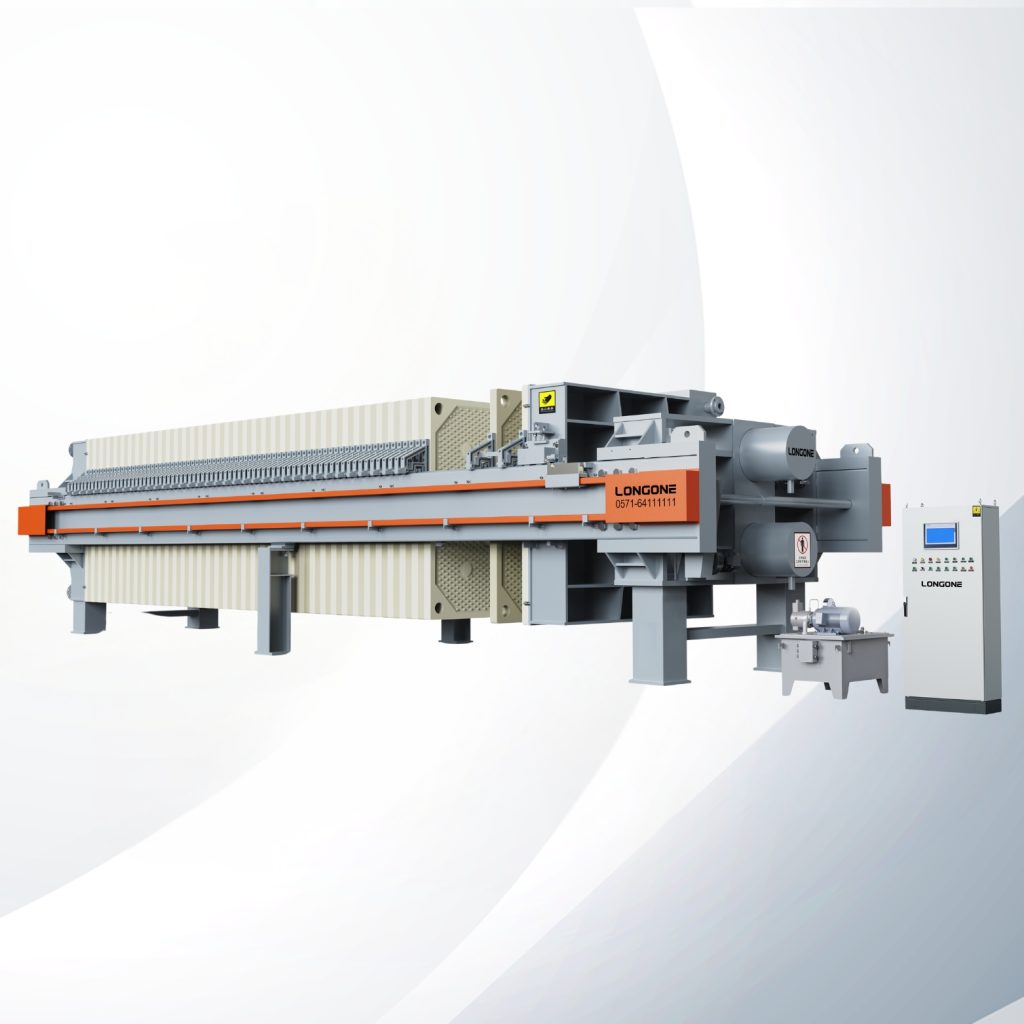
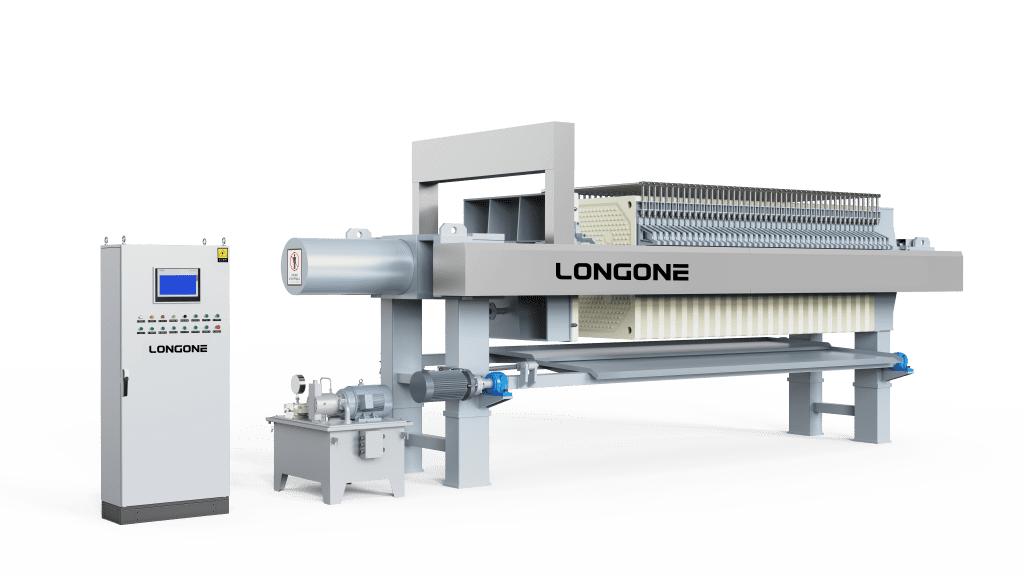
Feeling new to this equipment? A filtropressa is a piece of machinery used for solid-liquid separation. It works by pumping a slurry (a mixture of solids and liquids) into a series of filter chambers. The liquid, or filtrate, passes through filter cloths, while the solids, or filter cake, are retained.
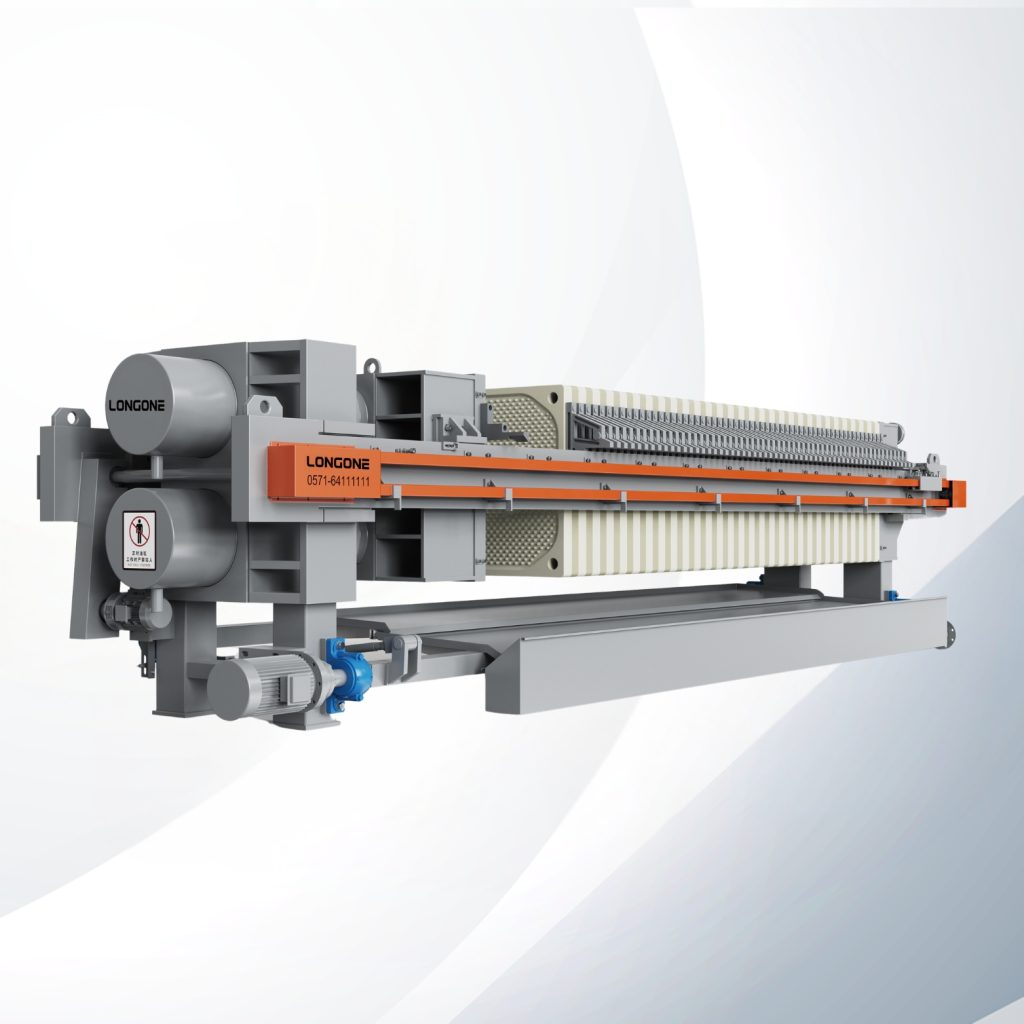
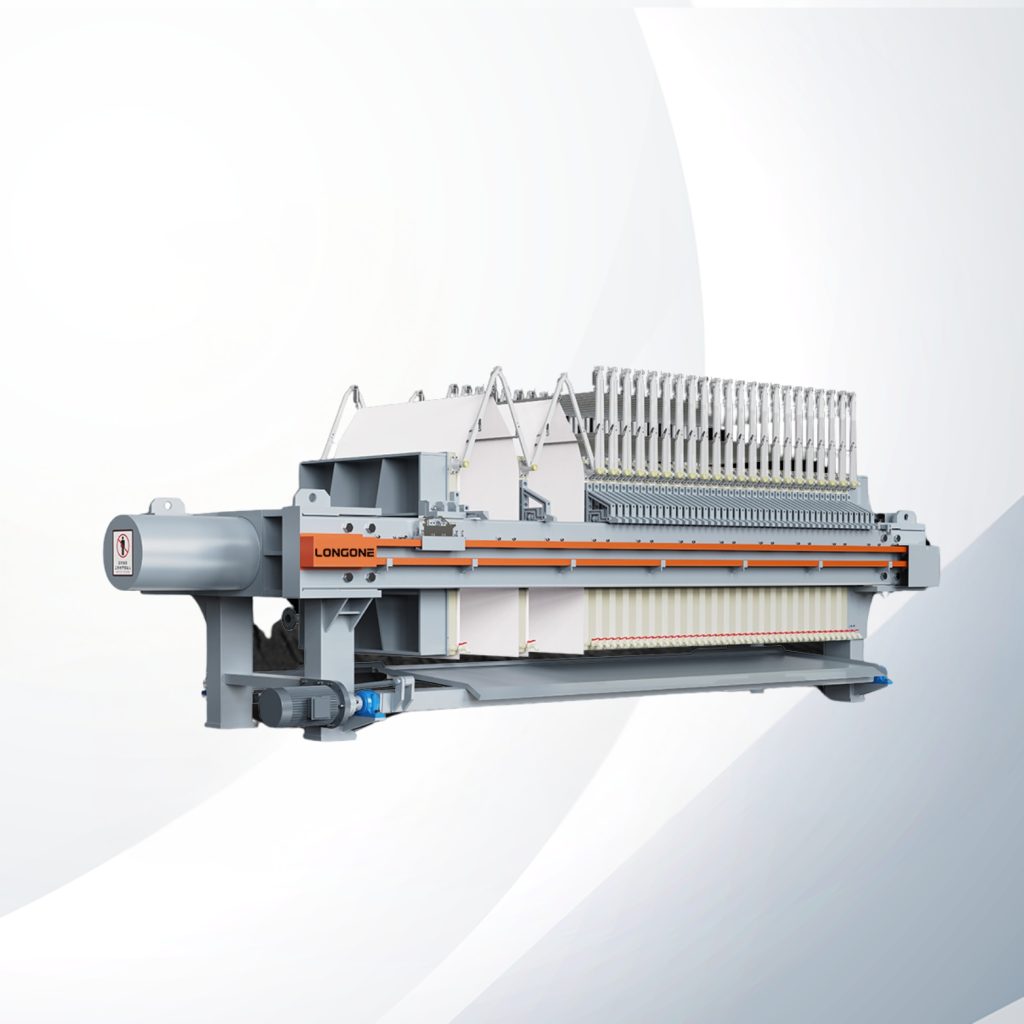
At its core, every filter press consists of a heavy-duty frame that holds a pack of filter plates. A hydraulic or manual closing mechanism clamps the plates together, creating a sealed filtration volume. This simple, robust principle has made it a workhorse technology in industries from mining and chemical manufacturing to municipal wastewater treatment and food processing.
The Basic Filtration Cycle
Understanding the cycle helps clarify how different types of filter press modify the process.
- Closing: The filter plates are pressed together, typically by a hydraulic ram, to form a sealed unit.
- Filling: Slurry is pumped into the press, filling the empty chambers between the plates. Pressure builds as the chambers fill with solids.
- Filtration: The liquid passes through the filter cloth on each side of the chamber and exits through ports in the filter plates. The solids are captured and build up, forming a filter cake. The pumping stops when the chambers are full of solids or when the feed pressure reaches a set limit.
- Opening: The press is opened, and the plates are separated.
- Cake Discharge: The solid filter cakes fall from the chambers into a hopper or onto a conveyor belt below.
Now, let’s look at how the different design choices affect this cycle.
What Are the Different Filter Press Types by Chamber Structure?
Is your main goal achieving the absolute driest filter cake, or is standard dewatering sufficient? The chamber structure is arguably the most critical choice, as it directly determines filtration performance and cake moisture content.
The three primary structures are the classic plate and frame, the modern recessed chamber, and the high-performance membrane. Each offers a different balance of performance, cost, and operational complexity.
Filtropressa a piastre e telai
The plate and frame design is the original filter press technology. It consists of a set of flat “plates” alternating with hollow “frames.” The filter cloth is draped over each plate, and the frame creates the chamber where the filter cake forms.
This design is less common in modern industrial applications but still has its uses, particularly when filter paper is used in addition to cloth for extremely fine filtration. However, they tend to operate at lower pressures and are more prone to leakage around the edges compared to recessed chamber designs. From our manufacturing perspective, we see very few new large-scale projects specifying this type.
Recessed Chamber Filter Press
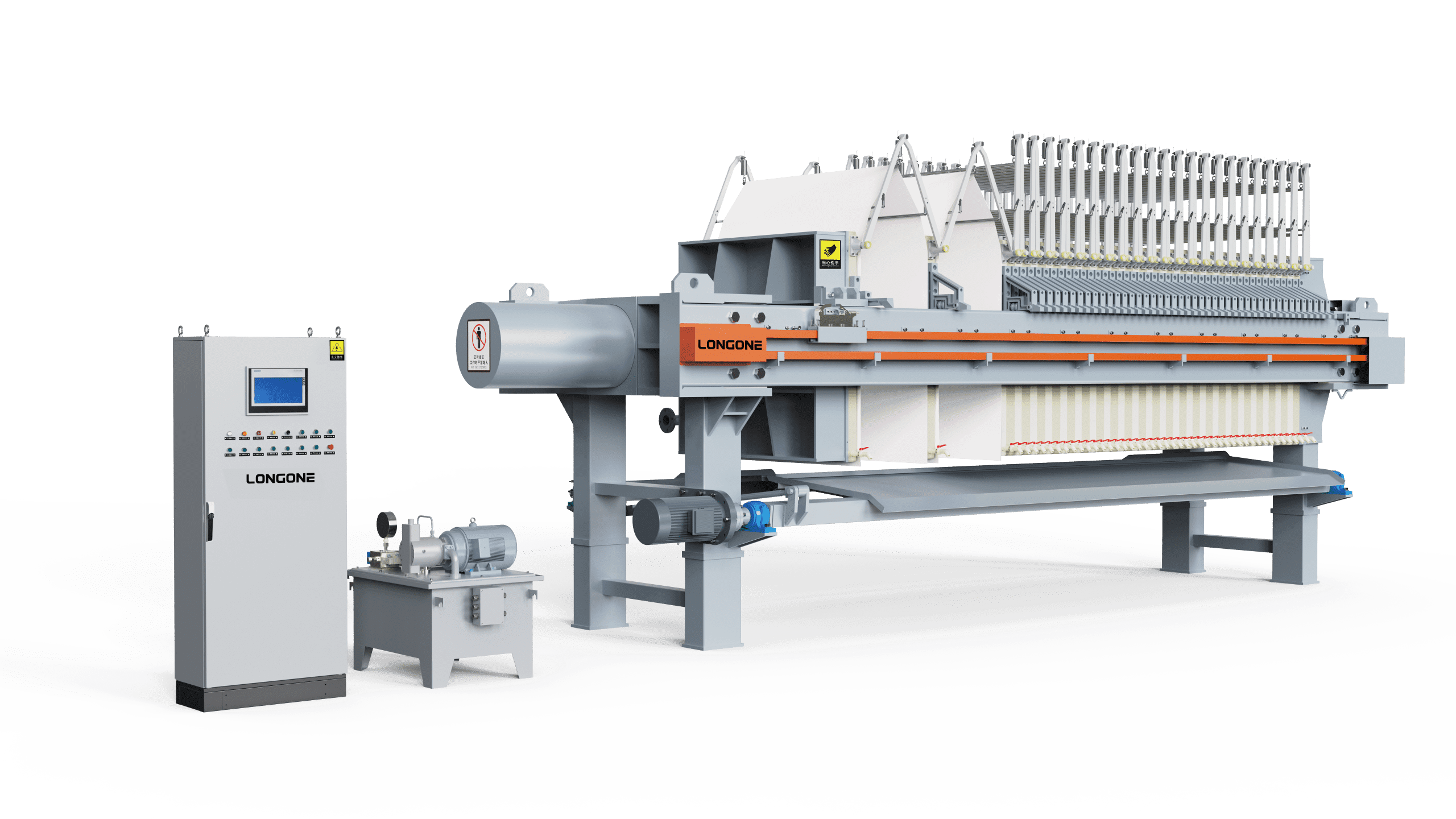
The recessed chamber filter press is the most widely used type today. Here, each filter plate has a recess on both sides. When two plates are pressed together, their recesses form the filtration chamber. This design eliminates the separate frame, simplifying operation and improving sealing.
- Advantages: Operates at higher pressures (typically 6–16 bar), resulting in a drier cake than a plate and frame press. The design is robust, reliable, and well-suited for automation.
- Operation: Filtration occurs until the chamber is full. The final cake dryness depends on the slurry’s characteristics and the feed pressure.
- Applications: This is the go-to workhorse for countless applications, including mineral concentrate dewatering, chemical sludge treatment, and municipal wastewater processing. A significant portion of the 3,000+ presses we build annually are this type.
Filtropressa a membrana
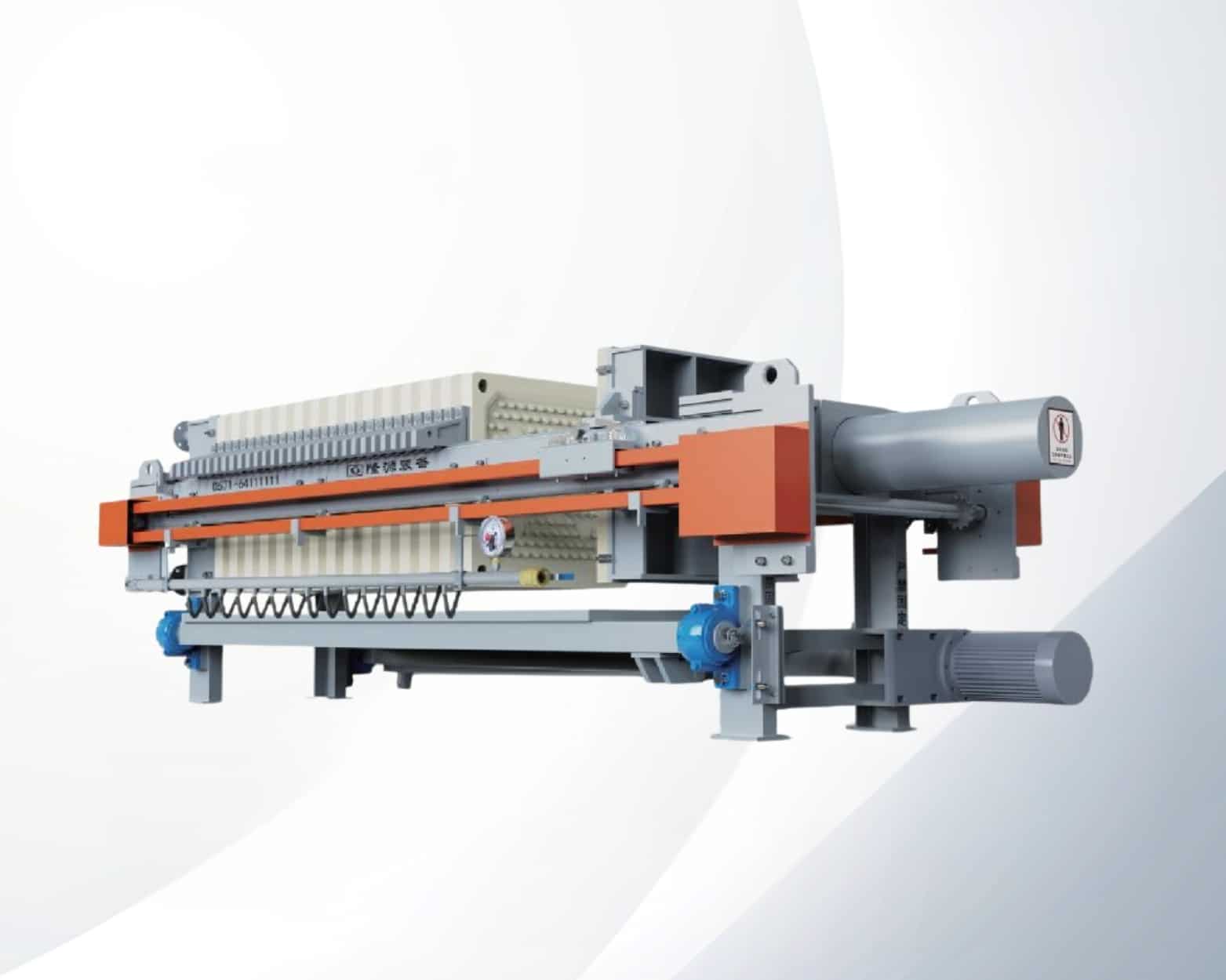
When maximum cake dryness is required, the filtropressa a membrana is the superior choice. It looks similar to a recessed chamber press, but a portion of the plates (or all of them) are “membrane plates.” These plates have a flexible, impermeable surface (typically polypropylene or EPDM) that can be inflated with water or air.
After the initial filtration cycle is complete, the membrane is inflated. This “squeezes” the filter cake, physically forcing out additional liquid.
- Advantages: Achieves significantly lower cake moisture content (often 10-50% drier) compared to a conventional chamber press. This reduces cake disposal weight and cost, and can recover more valuable filtrate. Filtration cycle times are also often shorter.
- Considerations: Membrane presses have a higher initial capital cost and are more complex. However, for many customers I’ve worked with in mining or high-value chemical production, the payback from reduced disposal costs or increased product recovery justifies the investment quickly.
Which Filter Press Types Exist by Plate Material?
Does your process involve high temperatures, corrosive chemicals, or strict hygienic standards? The material of the filter plates is your next critical decision. This choice is dictated entirely by the chemical and physical properties of your slurry.
The vast majority of modern filter presses use polypropylene plates, but cast iron and stainless steel are essential for certain demanding applications. The choice directly impacts the press’s lifespan and suitability for your process.
Polypropylene (PP) Filter Plates
Polypropylene is the modern standard for filter plates, and for good reason. As a manufacturer that produces over 110,000 filter plates each year, the overwhelming majority are made from virgin polypropylene.
- Advantages: Excellent chemical resistance across a wide pH range (1-14), lightweight for easier handling, and relatively low cost. They are durable and can withstand high filtration pressures.
- Limitations: The primary limitation is temperature. Standard PP is typically rated for up to 80°C (176°F). Special mineral-reinforced polypropylene can sometimes handle up to 100°C (212°F), but beyond that, other materials are needed.
Cast Iron Filter Plates
For high-temperature and high-pressure applications, cast iron plates are the traditional heavy-duty solution. They can withstand temperatures well over 100°C and extreme closing pressures.
- Advantages: Superior strength and temperature resistance.
- Disadvantages: Cast iron is extremely heavy, making handling difficult. More importantly, it is susceptible to corrosion from acidic or highly alkaline slurries. While coatings can be applied, they can wear over time. We typically see these specified in older industries like palm oil processing or certain pigment manufacturing processes.
Stainless Steel Filter Plates
When sanitation and purity are paramount, stainless steel is the material of choice. This is common in the food, beverage, and pharmaceutical industries where cGMP (current Good Manufacturing Practices) standards must be met.
- Advantages: Extremely high corrosion resistance, easy to clean and sanitize, and can handle high temperatures.
- Disadvantages: The cost of stainless steel plates is significantly higher than polypropylene or cast iron, often by an order of magnitude. Their use is therefore limited to applications where hygiene or extreme corrosiveness makes them absolutely necessary.
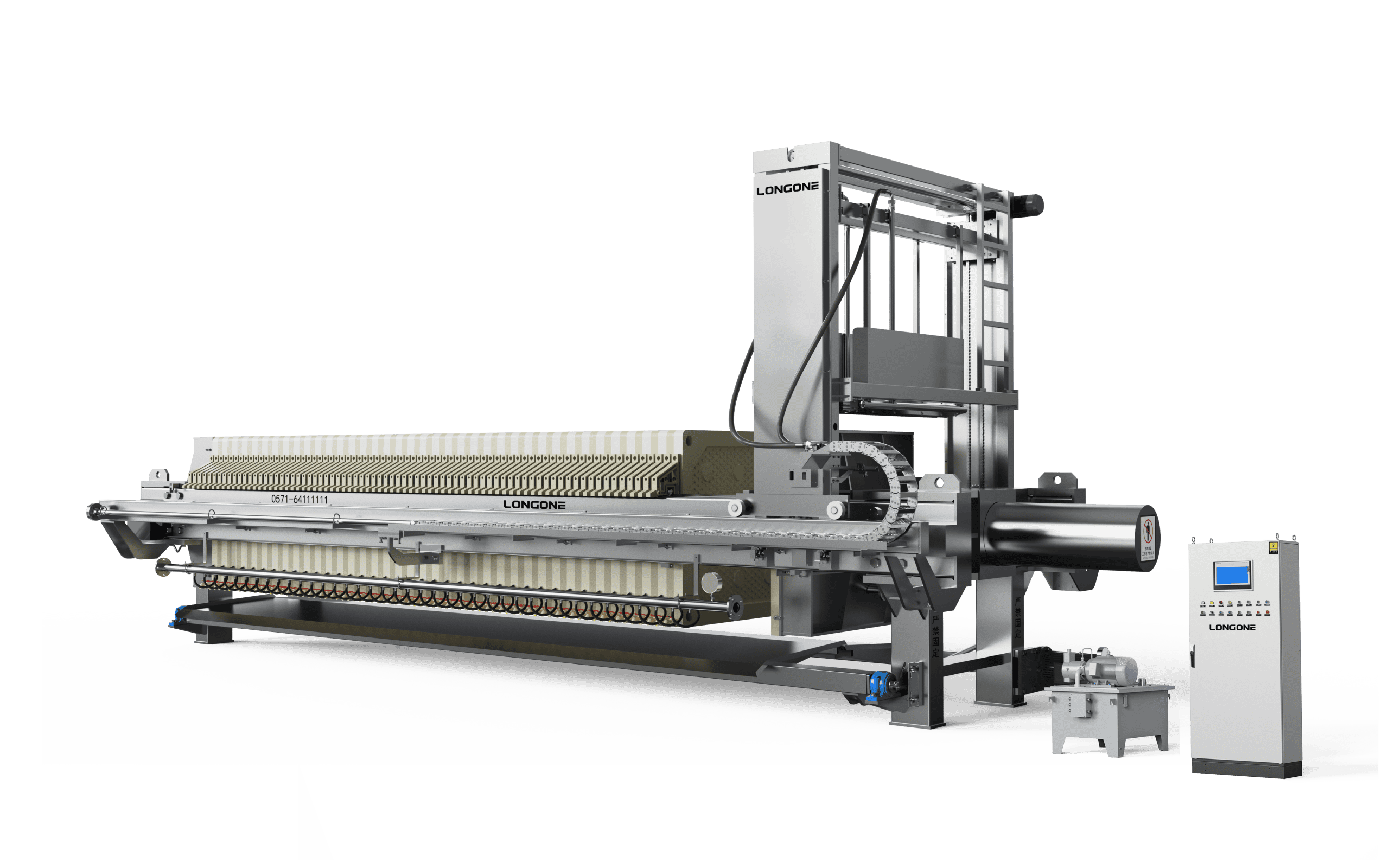
What Are the Filter Press Types by Automation Level?
How many batches will you run per day, and what is your budget for operational labor? This question brings us to the third axis: the level of automation. This choice impacts capital cost, labor requirements, and cycle throughput.
The level of automation can range from completely manual, where an operator performs every step, to fully automatic, where the press can run unattended for hours.
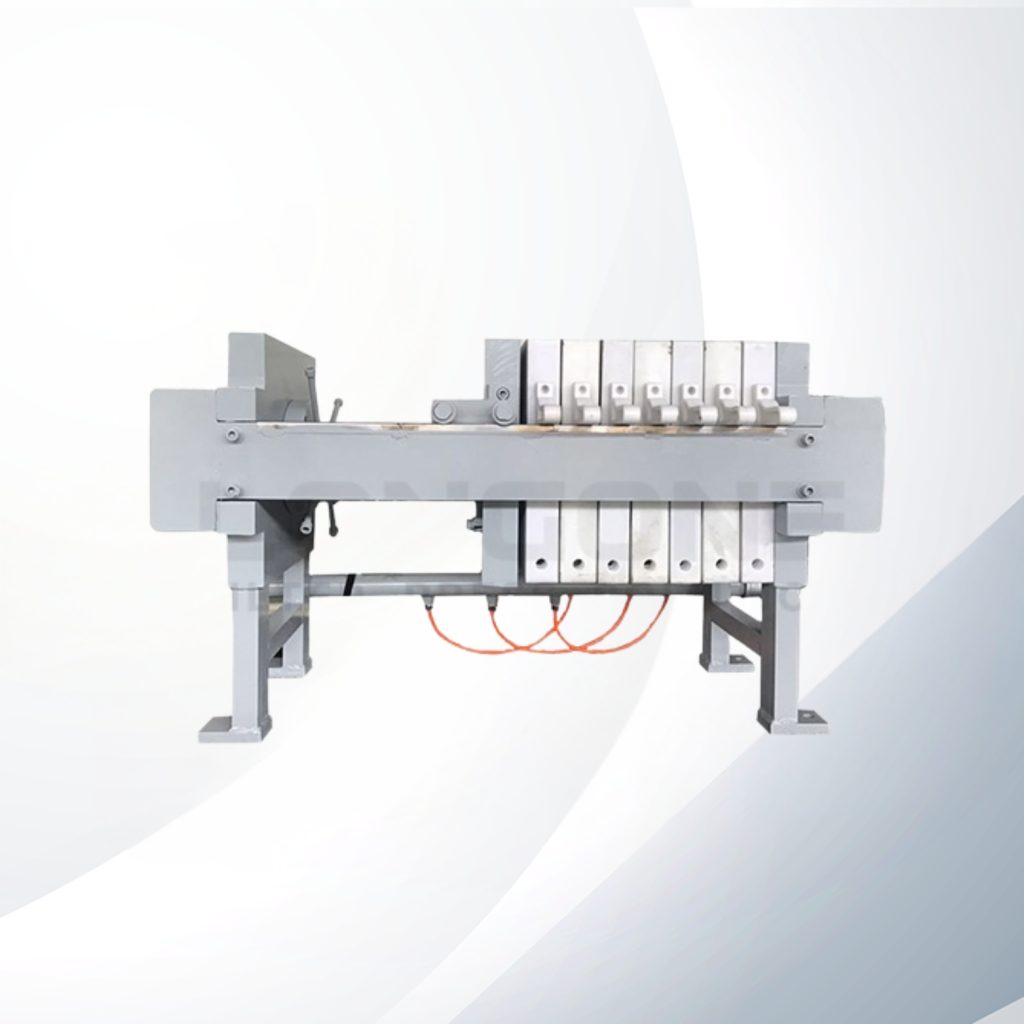
Manual Filter Press
A manual filter press requires an operator for every step of the cycle. This includes:
- Closing the press using a manual hydraulic pump or a screw mechanism.
- Monitoring the filtration process.
- Opening the press.
- Manually pulling each plate apart to allow the filter cakes to discharge.
These systems are best for laboratory settings, pilot projects, or facilities with very infrequent filtration needs (e.g., a few batches per week). They have the lowest initial cost but the highest labor cost per batch.
Semi-Automatic Filter Press
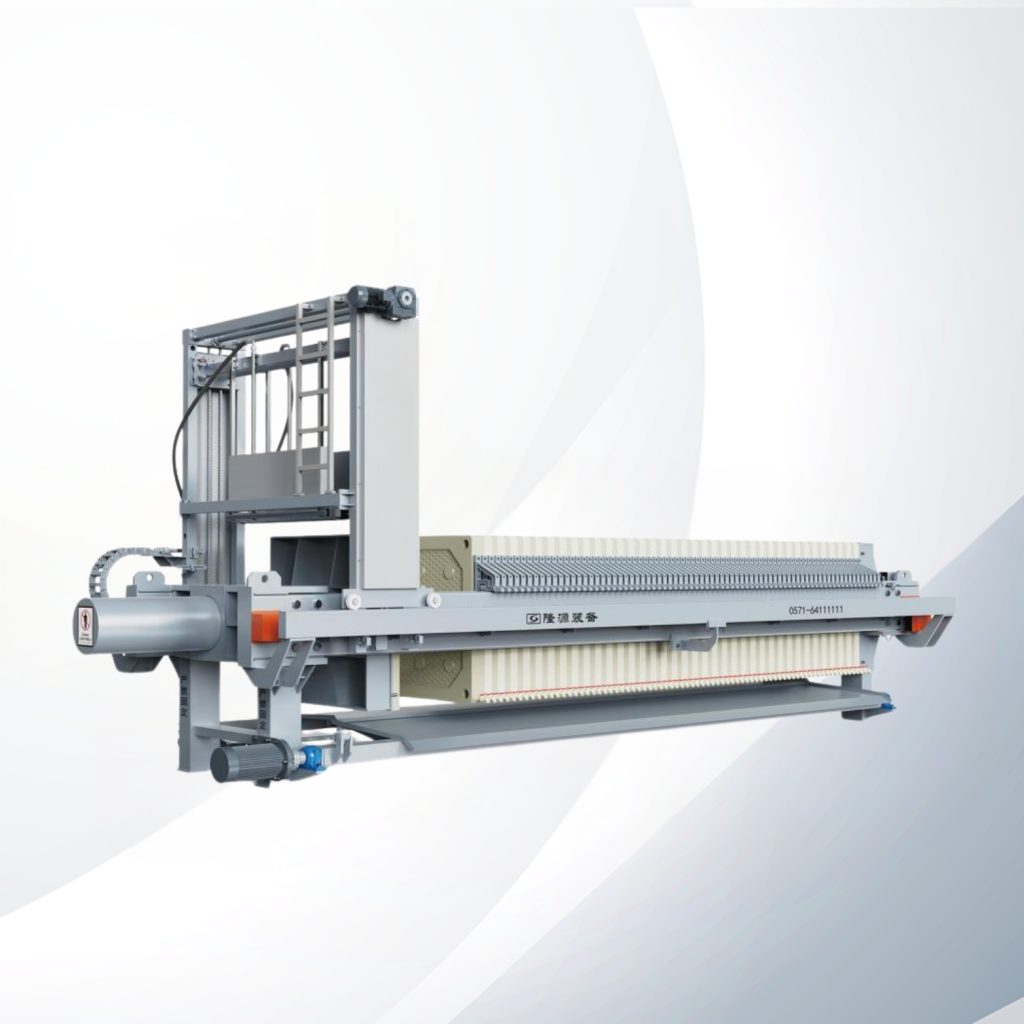
This is a popular middle ground. A semi-automatic filter press features automated hydraulic closing and opening. The operator initiates the functions via a control panel, but the heavy work of clamping and unclamping the press is done by the machine.
However, the operator is still required to manually separate the filter plates one by one to ensure all cakes are discharged. This is often called “manual plate shifting.” This type offers a great balance between capital investment and labor efficiency for medium-scale operations.
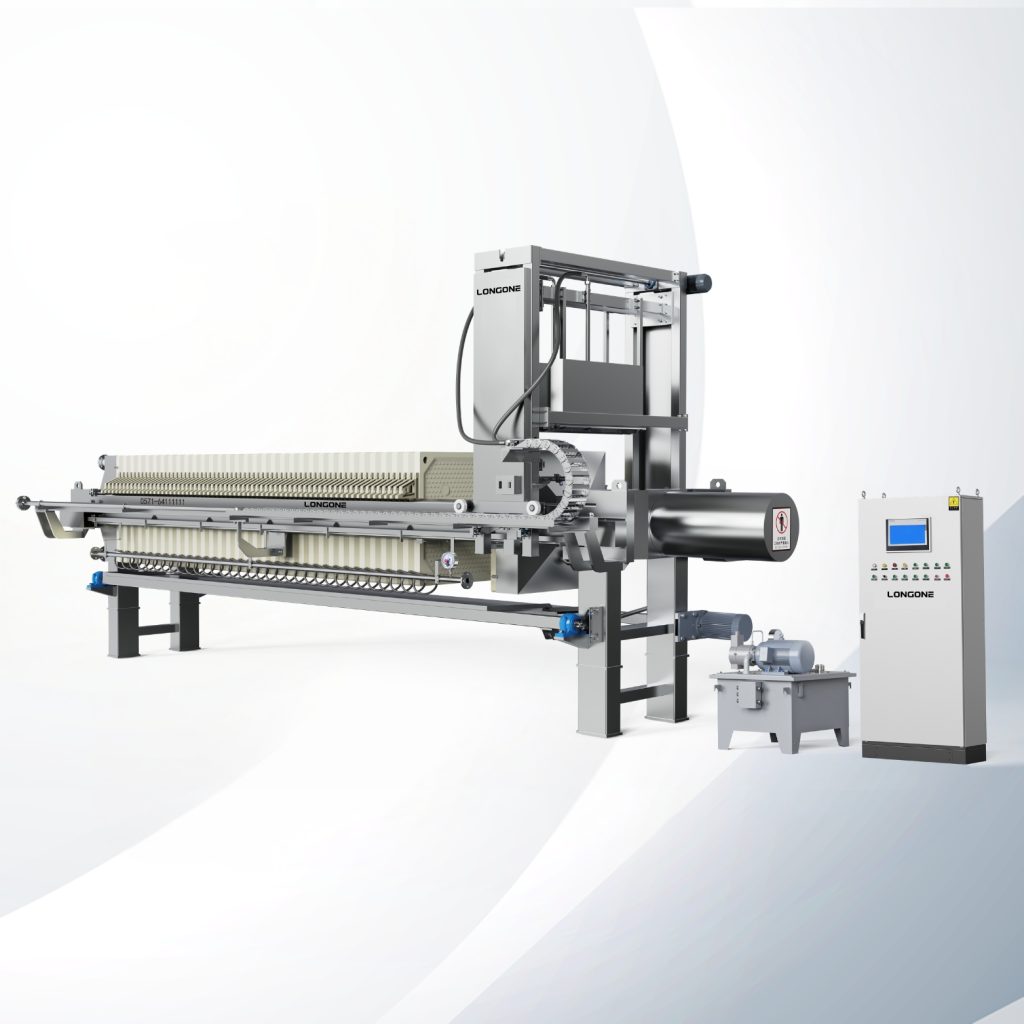
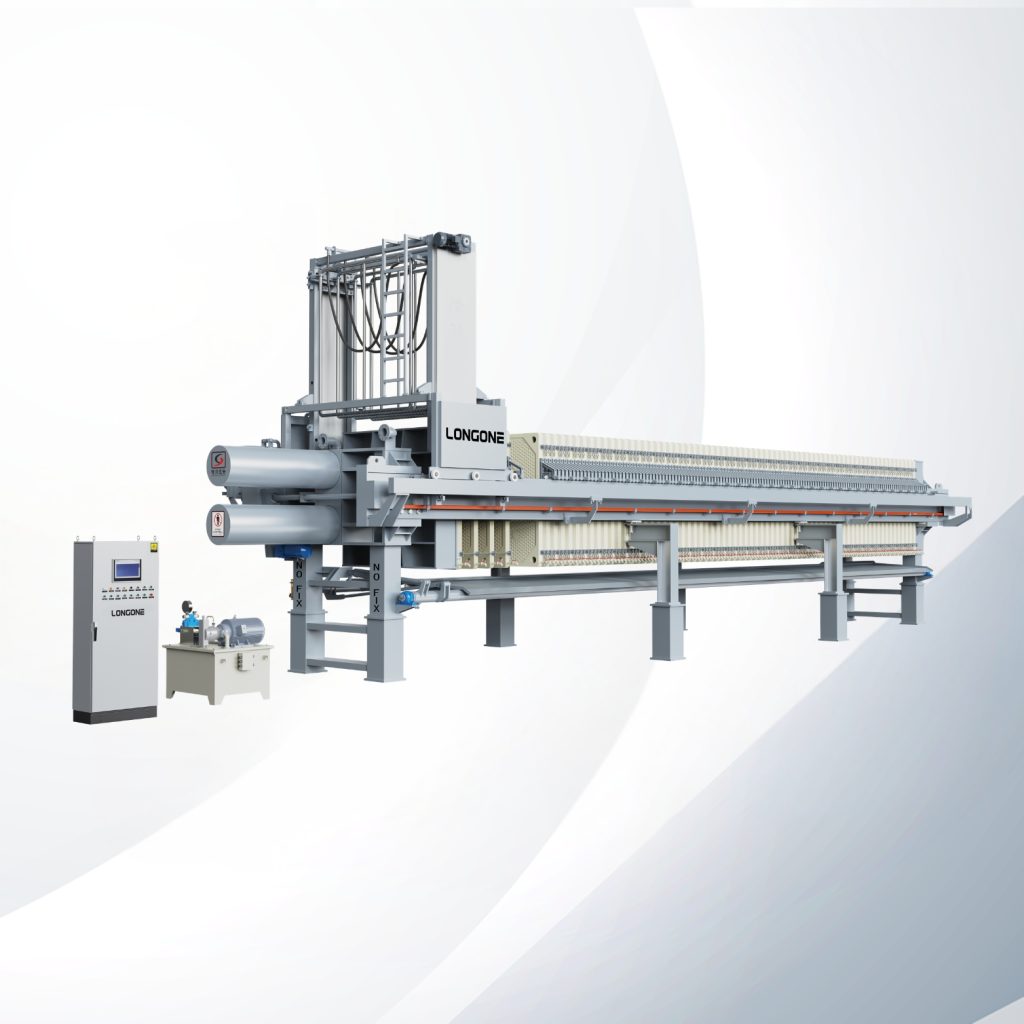
Fully Automatic Filter Press
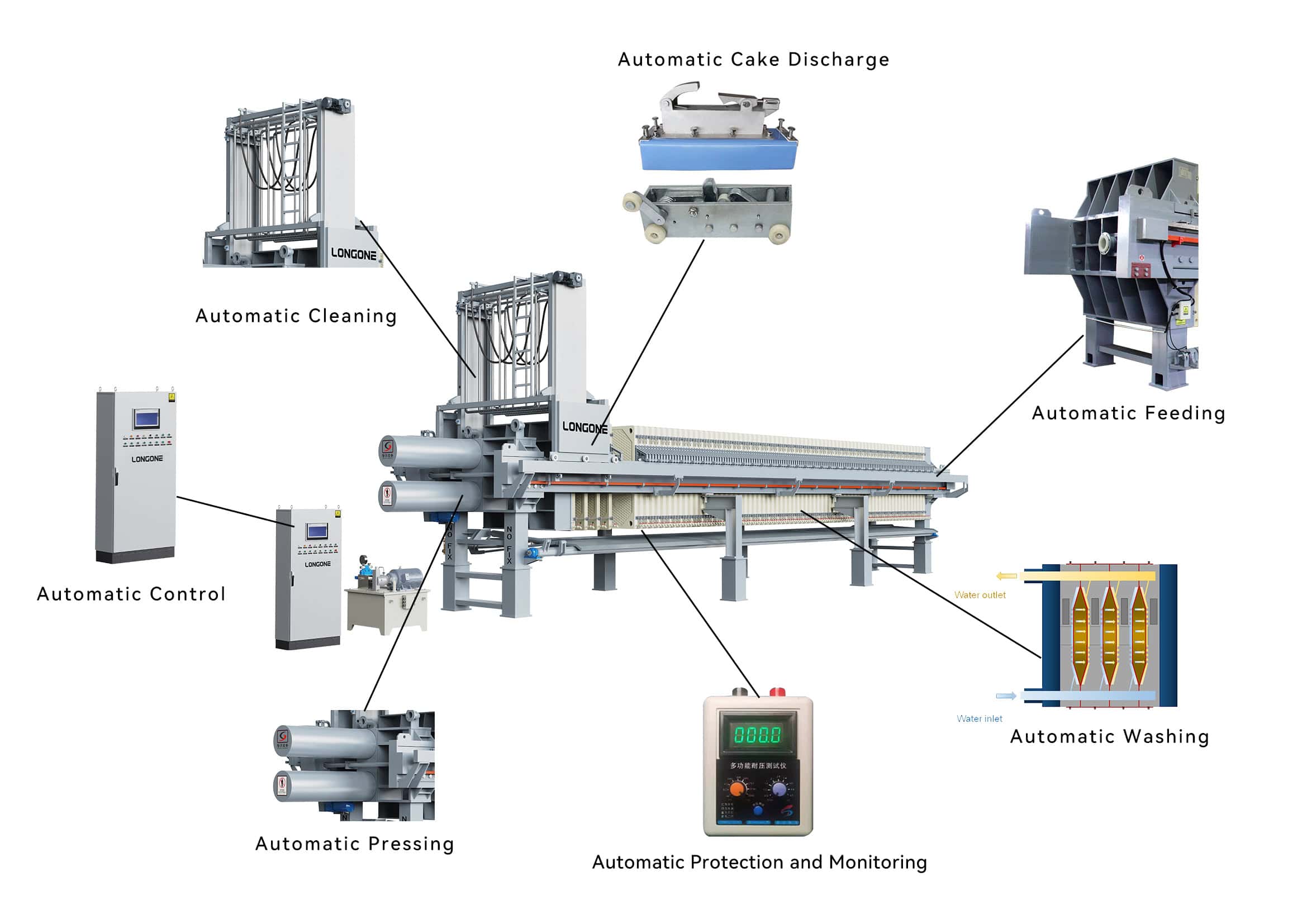
In a fully automatic system, the entire cycle is automated and managed by a PLC (Programmable Logic Controller). This includes:
- Automatic Closing: The hydraulic system closes and seals the press.
- Automated Filtration: The feed pump is controlled by the PLC.
- Automatic Opening: The press opens once the cycle is complete.
- Automatic Plate Shifting: A mechanical device pulls the plates apart in sequence, discharging the cakes without operator intervention.
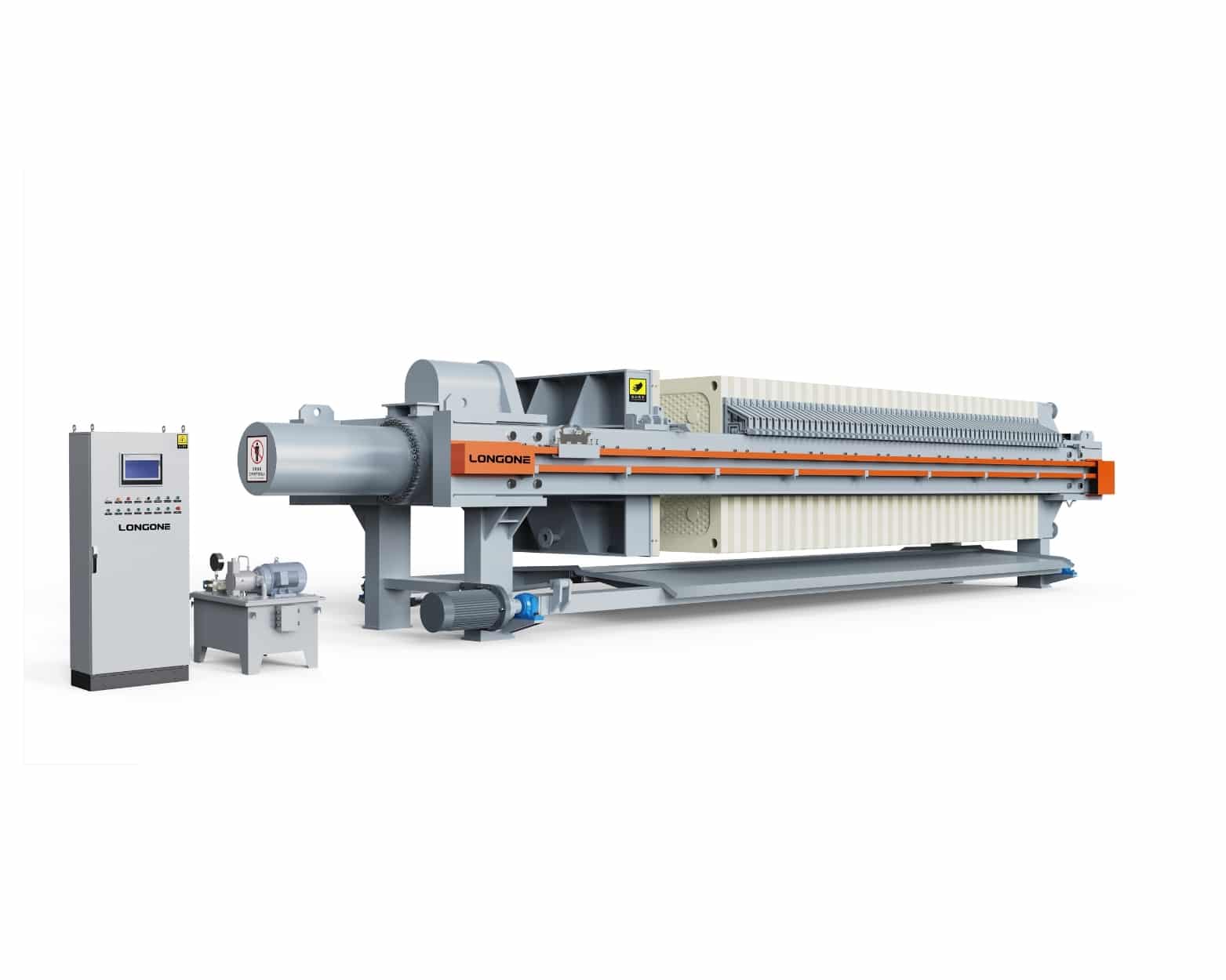
- Ancillary Automation: Can include features like automatic cloth washing, drip trays to catch stray liquid, and cake conveyors to transport the discharged solids.
These systems are essential for large-scale, continuous, or 24/7 operations where minimizing labor and maximizing throughput are critical. While the initial investment is highest, the operational savings in labor and the increased efficiency can be substantial.
Specialized Filter Press Types
Beyond the three main classification axes, a few specialized designs exist for niche applications.
- Lab / Small-Scale Filter Press: These are miniature versions, often manual, with filtration areas as small as 0.16 m². They are perfect for R&D, process testing, and very small batch production.
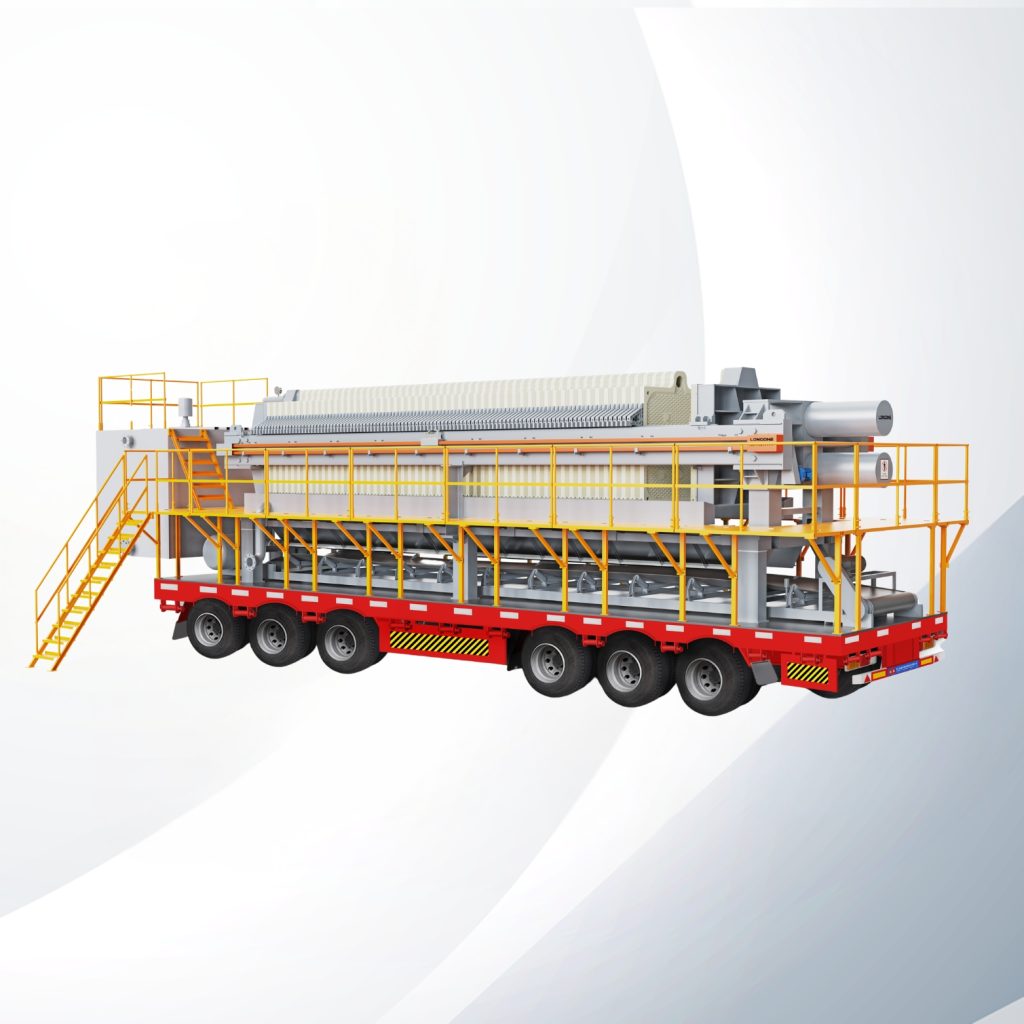
- Mobile Filter Press: The entire filter press system, including pumps and controls, is mounted on a trailer or skid. This is ideal for temporary dewatering projects at multiple sites, such as environmental remediation or mobile sludge processing.
- High-Pressure Round Filter Press: These presses use round plates and can operate at extremely high pressures (up to 6.0 MPa or 60 bar in our experience). They are designed for difficult-to-dewater materials like kaolin clays or granite wastewater, where maximum pressure is needed to extract the last bit of liquid.
Filter Press Types Comparison Table
To bring it all together, here is a table summarizing the selection criteria along our three main axes. Use this as a quick reference before diving into the final selection process.
| Selection Axis | Options | Best For… | Key Considerations |
|---|---|---|---|
| Chamber Structure | Recessed Chamber | General-purpose dewatering; the industry workhorse. | Excellent balance of performance and cost. |
| Membrane | Achieving the lowest possible cake moisture. | Higher CAPEX, but can lower OPEX via disposal/recovery. | |
| Plate and Frame | Fine filtration using filter paper; niche applications. | Lower pressure, potential for leakage. | |
| Plate Material | Polypropylene (PP) | Most industrial applications (pH 1-14, <80°C). | Most cost-effective and versatile option. |
| Cast Iron | High-temperature (>100°C) and abrasive slurries. | Heavy, susceptible to corrosion if not protected. | |
| Stainless Steel | Food-grade, pharmaceutical, or highly corrosive use. | Highest cost, but required for hygienic applications. | |
| Automation Level | Manual | Lab use, pilot tests, very infrequent batches. | Lowest CAPEX, highest labor cost. |
| Semi-Automatic | Medium-scale operations; 1-10 cycles per day. | Good balance of investment and labor efficiency. | |
| Fully Automatic | Large-scale, 24/7 operations; high throughput needs. | Highest CAPEX, lowest labor cost, maximum efficiency. |
Conclusion
Understanding the different types of filter press is not about memorizing a long list of products. It’s about recognizing that the ideal solution is a combination of three key choices: chamber structure, plate material, and automation level. By systematically evaluating your slurry properties, performance goals, and operational model, you can confidently specify a system that delivers reliable and efficient solid-liquid separation. This structured approach demystifies the selection process and ensures you invest in equipment that truly serves your needs for years to come.