Struggling with high volumes of wet sludge that are expensive to handle, transport, and dispose of? This logistical nightmare and budgetary drain can make you feel like you’re literally paying to move water. The solution lies in effective sludge dewatering, a critical industrial process designed to separate liquids from solids, dramatically reducing sludge volume and operational costs.
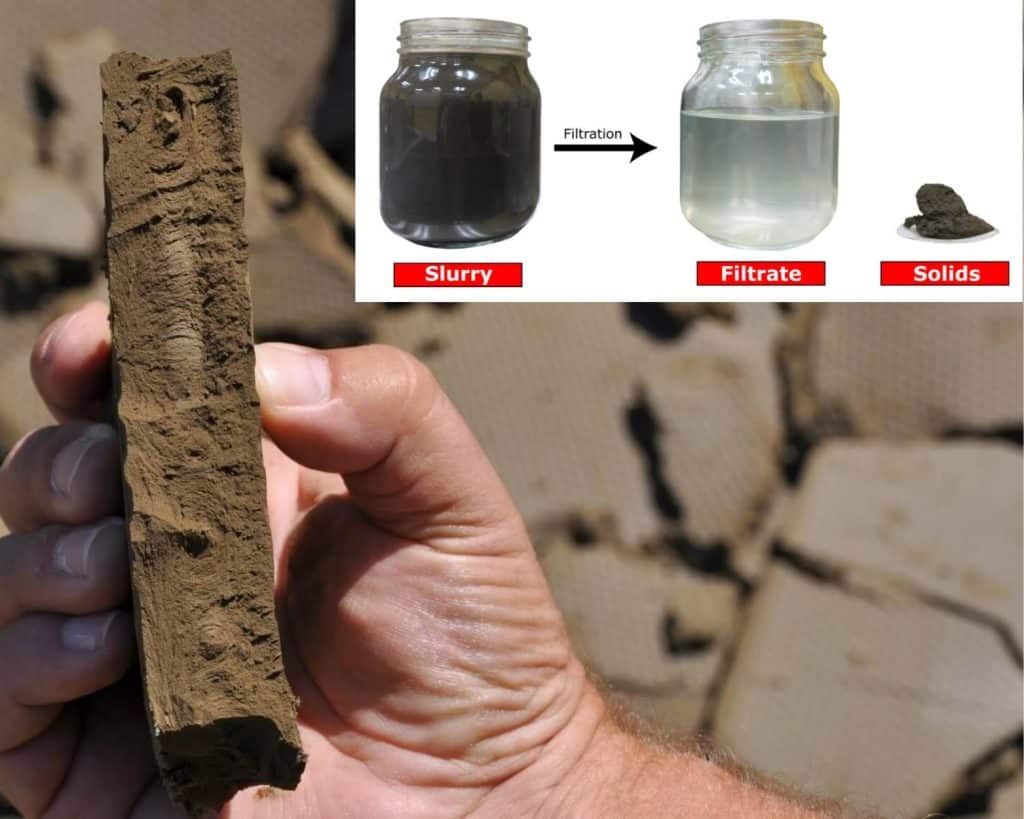
Sludge dewatering is the process of removing water from liquid sludge to significantly reduce its overall volume and weight. It achieves this by mechanically separating the liquid phase (filtrate) from the solid phase, resulting in a dense, semi-solid material known as a “sludge cake” and a clarified liquid effluent. This process is essential for minimizing handling, transportation, and disposal costs.
Now that we have a clear definition, let’s explore the mechanics behind this vital process.
How Does the Sludge Dewatering Process Work, Step by Step?
You may know that you need to dewater your sludge, but the multi-stage process can seem complex. This uncertainty can lead to inefficient operations or choosing the wrong equipment, both of which are costly mistakes.
The sludge dewatering process generally involves three key stages: thickening the initial sludge, conditioning it with chemicals to improve separability, and finally, using mechanical pressure or force to separate the water from the solids.
The goal of any sludge dewatering operation is to take a high-volume liquid slurry and transform it into a low-volume, manageable solid.
Thickening (Pre-concentration)
Before you can effectively dewater sludge, you often need to thicken it. Raw sludge, especially from wastewater treatment plants (WWTPs), can be over 99% water. Thickening is a preliminary step that aims to increase the solids concentration, typically from 0.5–2% up to a more manageable 4–6% dry solids. This is often done using gravity settlers, dissolved air flotation (DAF) units, or gravity belt thickeners. By removing a significant portion of the free-flowing water first, you reduce the hydraulic load on the more energy-intensive mechanical dewatering equipment in the next stage.
Conditioning
Once thickened, the sludge undergoes conditioning. This involves adding specific chemicals, known as polymers or flocculants, and sometimes coagulants like ferric salts or lime. These chemicals work to neutralize the surface charges of the fine solid particles, causing them to clump together into larger, more stable agglomerates called “flocs.”
Why is this necessary? The fine solids in sludge are notoriously difficult to separate from water. Conditioning creates larger, more robust particles that are easier to capture and dewater. The right conditioning chemistry is critical for achieving good cake dryness and clear filtrate. However, as procurement managers should note, these chemicals (especially iron salts) can be corrosive, making the material selection for your dewatering equipment, particularly filter plates, a crucial factor in the system’s longevity.
Mechanical Dewatering
This is the core of the sludge dewatering process. The conditioned sludge is fed into a piece of mechanical equipment that applies force to squeeze the remaining water out of the solid flocs. The three most common technologies are filter presses, centrifuges, and belt presses. The objective here is to achieve the highest possible dry solids content in the final sludge cake, often in the range of 15% to 45% or even higher, depending on the sludge type and technology used. This final dewatered cake is what gets transported for disposal or further use, while the separated water (filtrate) is typically clean enough to be recycled back into the plant.
What Are Common Sludge Dewatering Equipment and Methods?
With so many equipment options on the market, it’s easy to get confused. You may hear terms like “belt press,” “centrifuge,” and “filter press” used interchangeably, but they operate on fundamentally different principles.
The three most prevalent types of sludge dewatering equipment are plate-and-frame filter presses, decanter centrifuges, and belt filter presses. Each method uses a distinct mechanical principle—high pressure, centrifugal force, or low-pressure compression, respectively—to achieve solid-liquid separation.
Filtropressa a piastre e telai
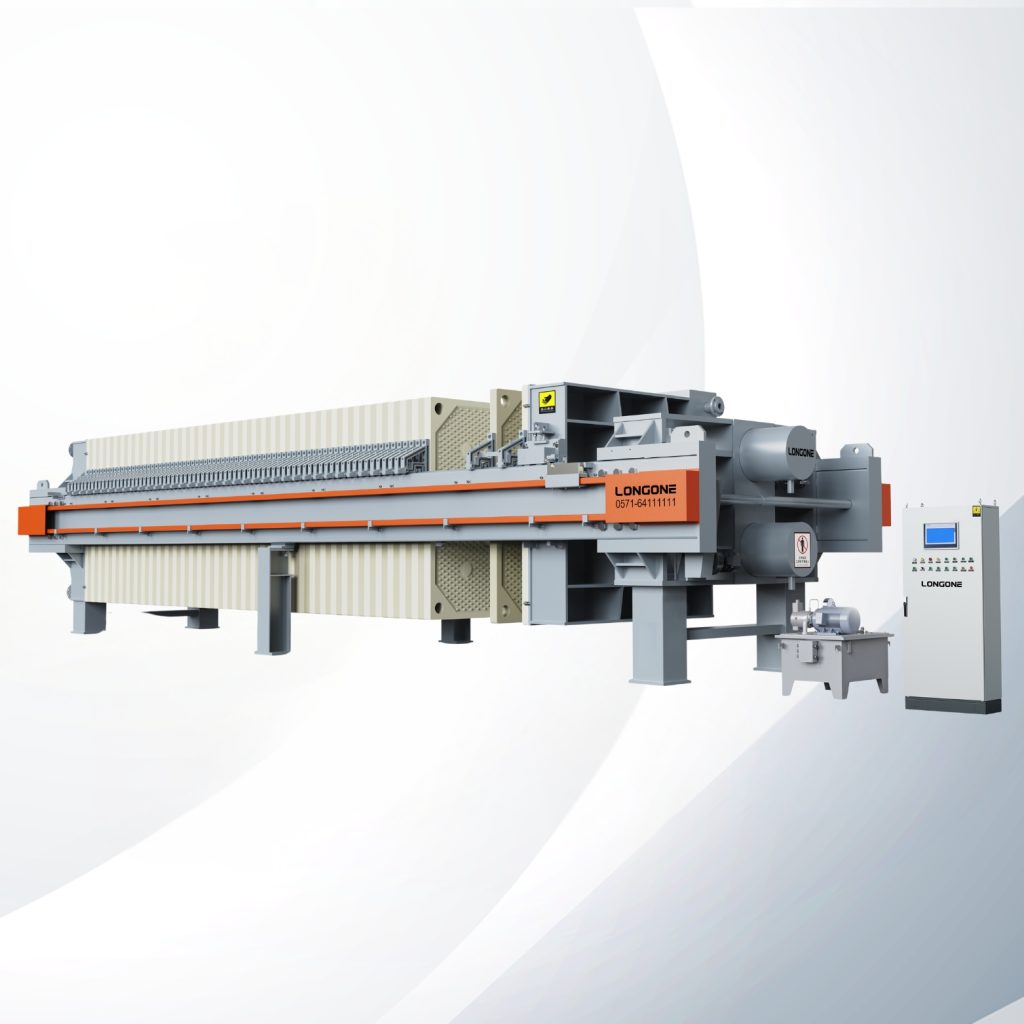
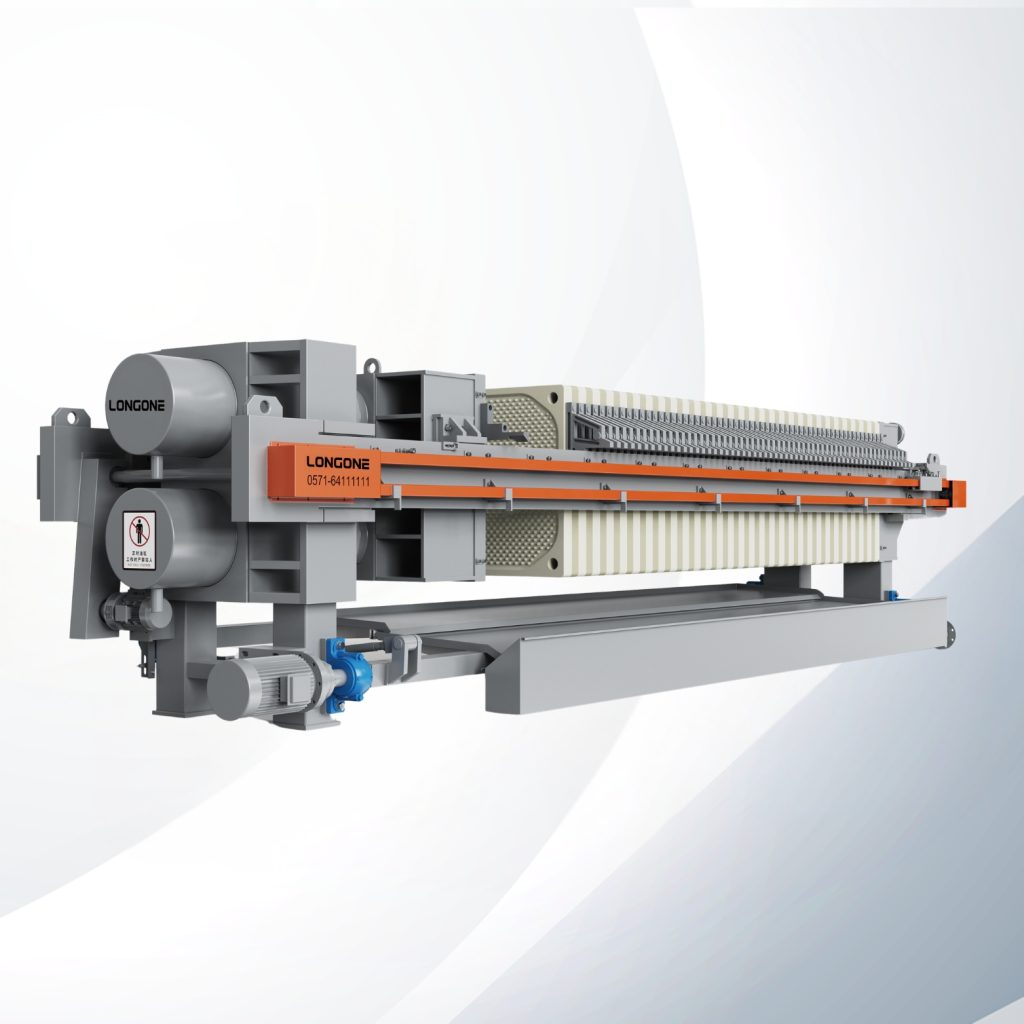
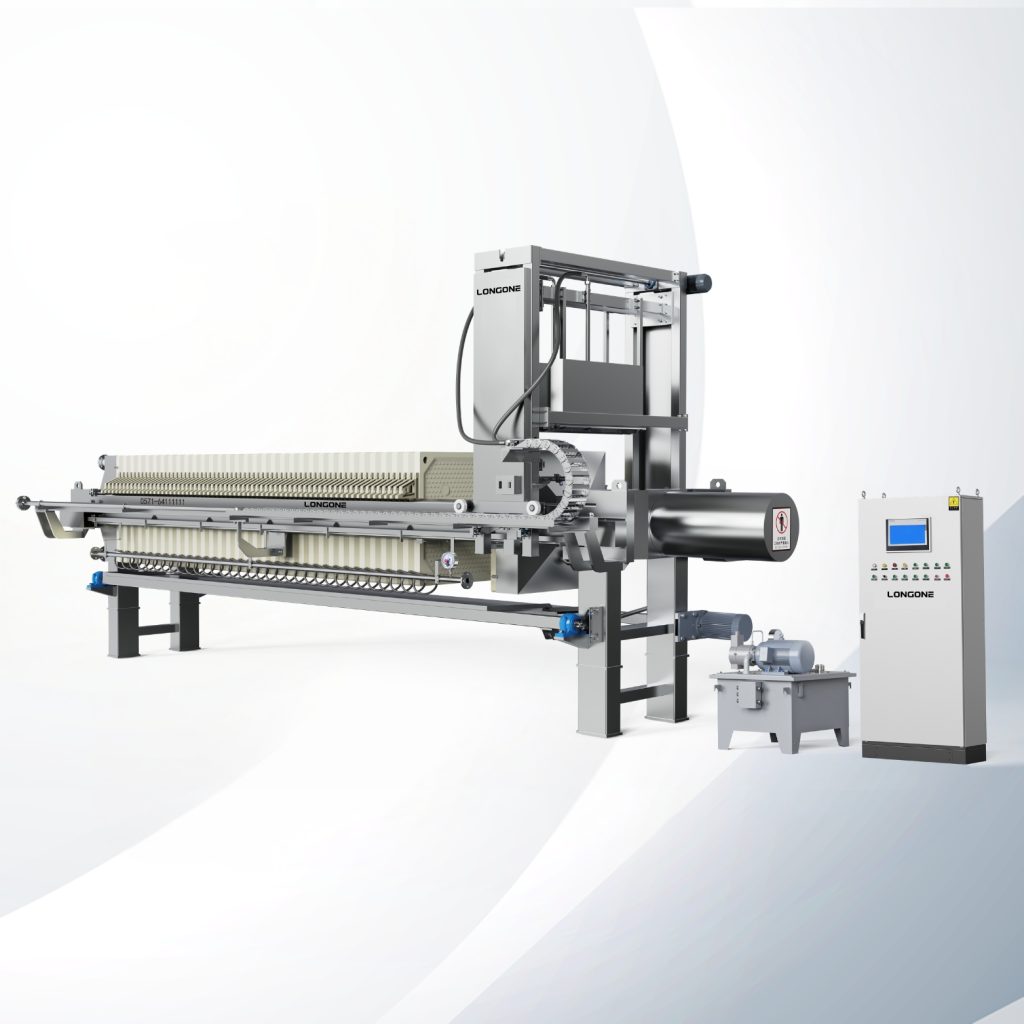
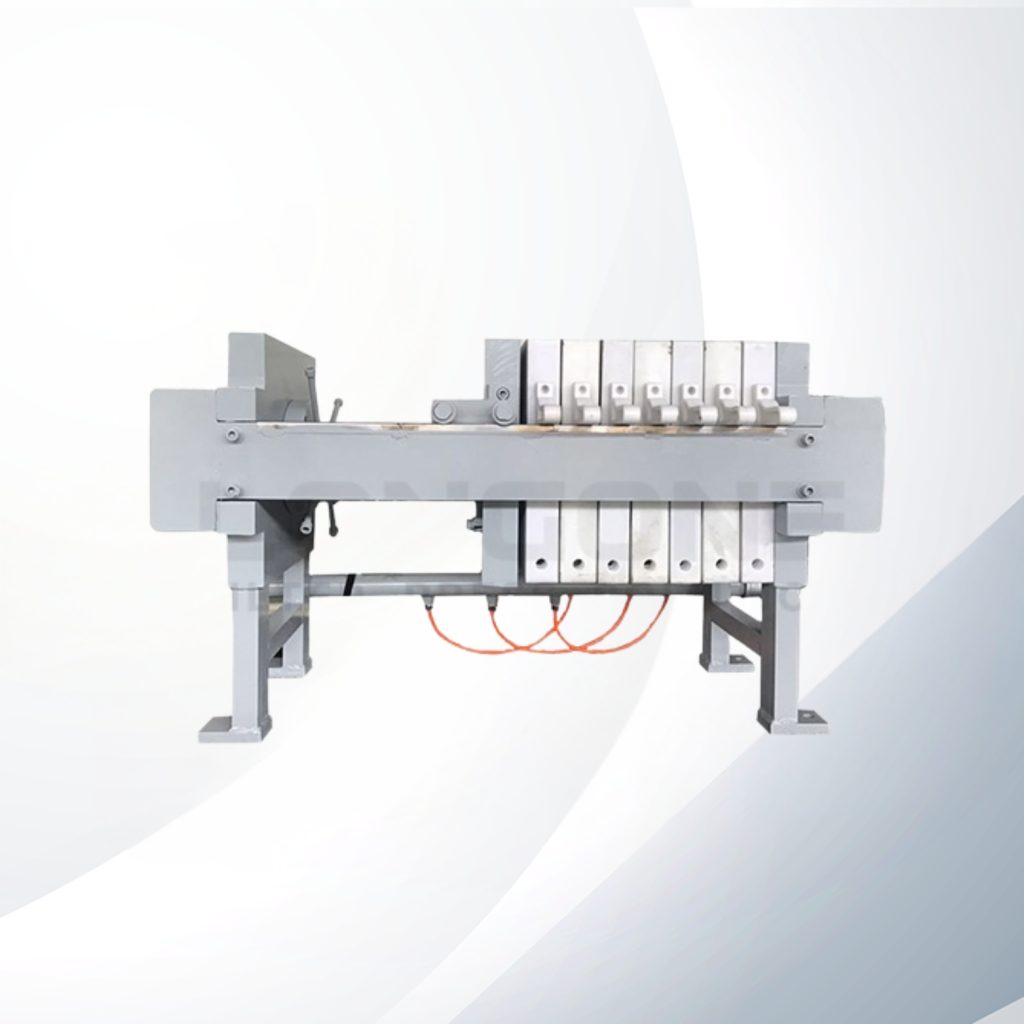
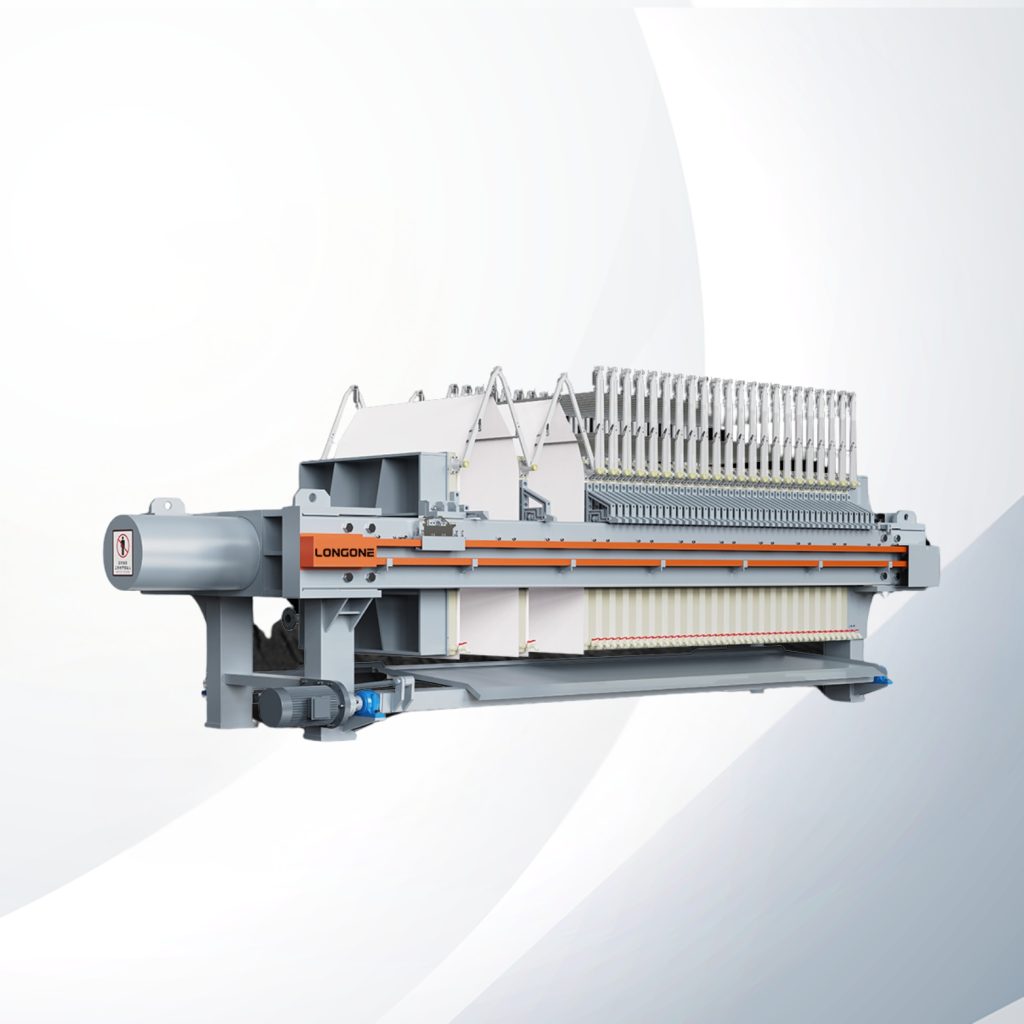
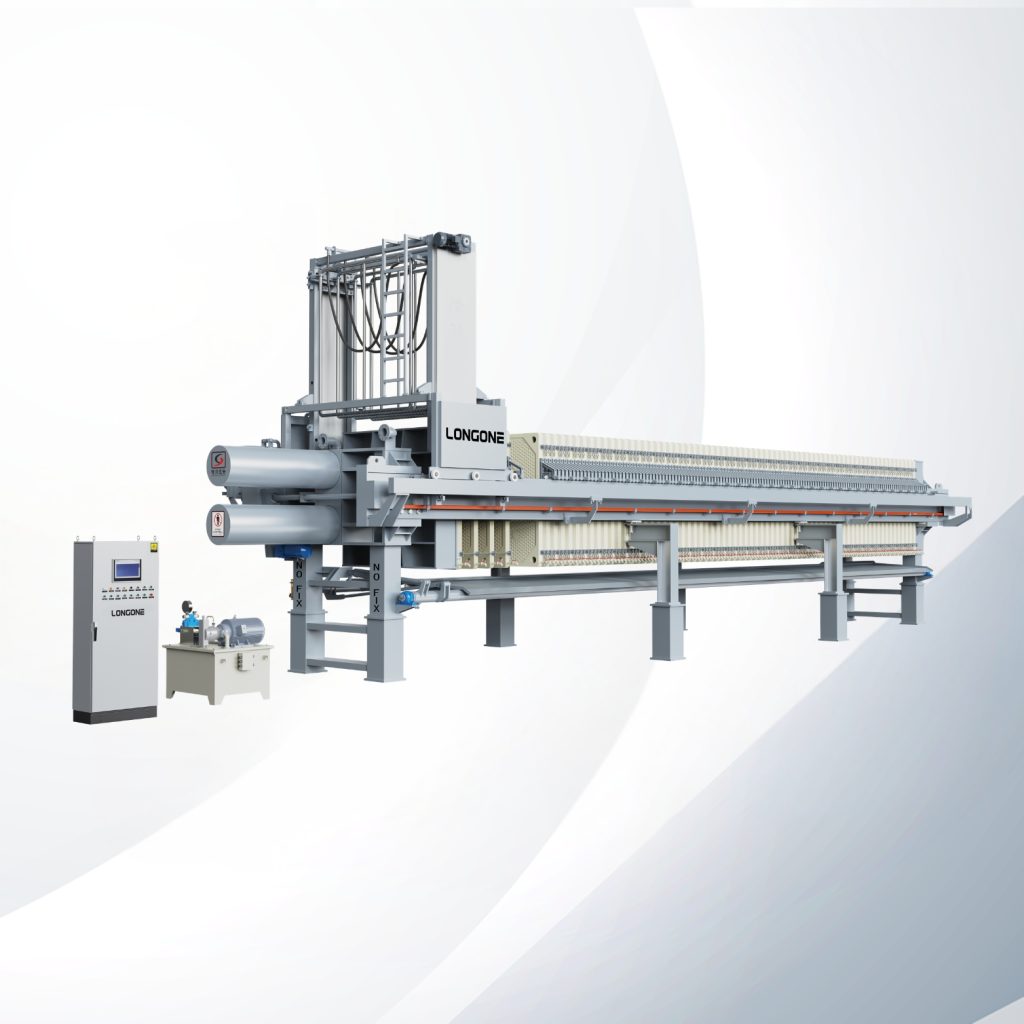
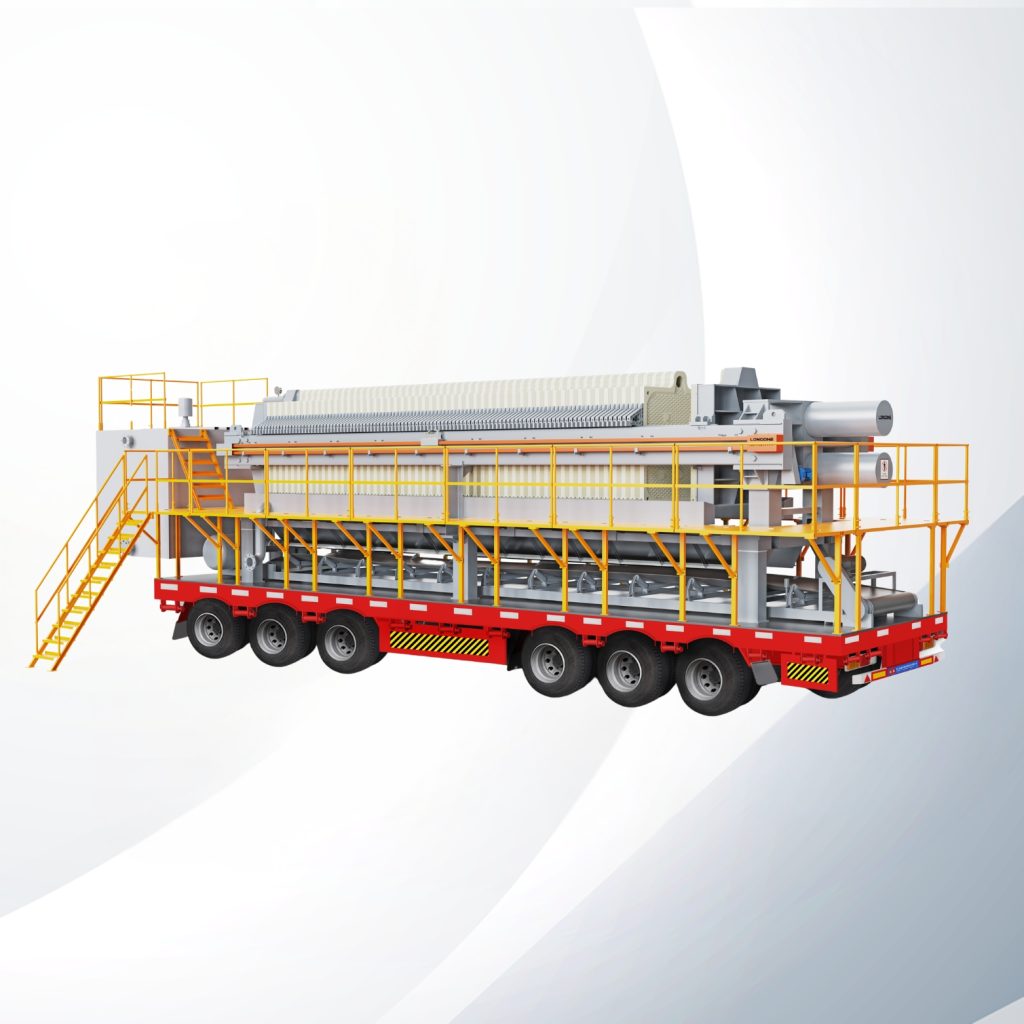
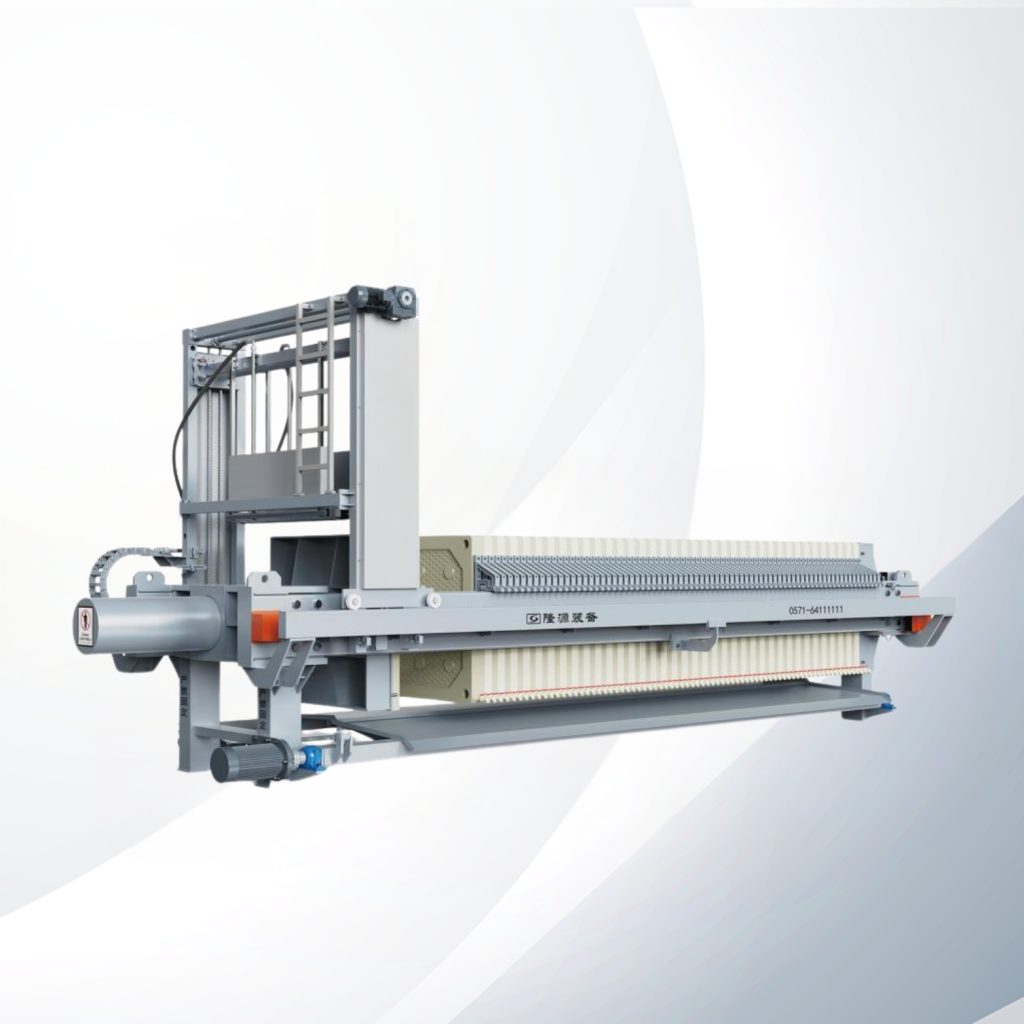
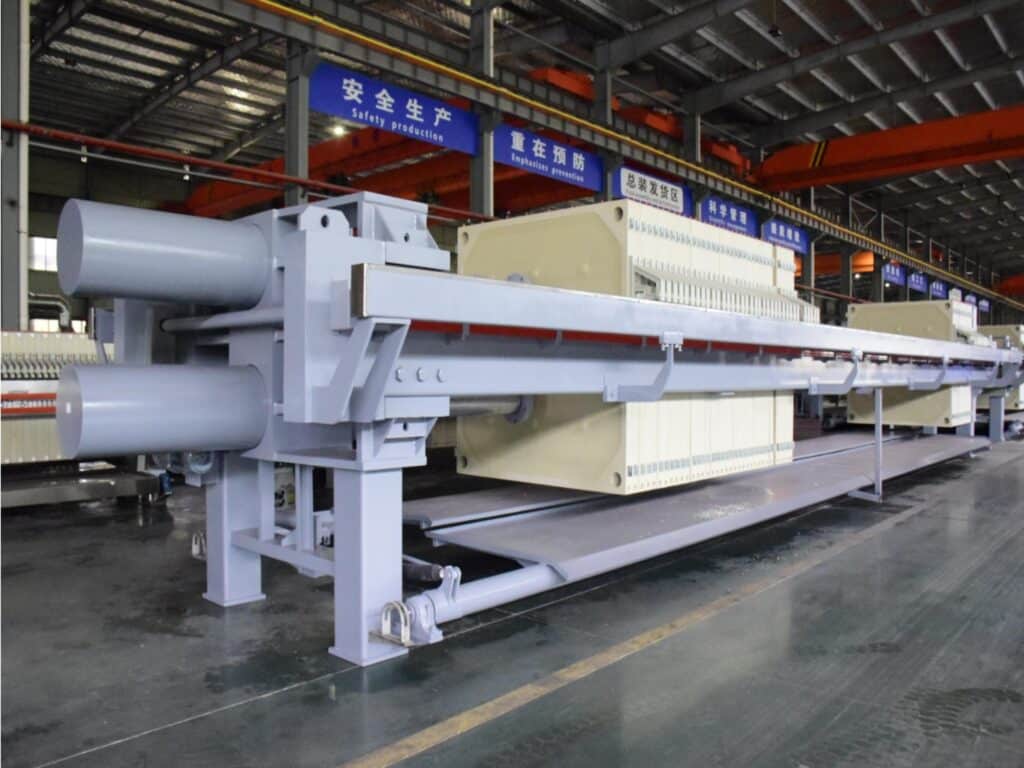
UN filtropressa is a batch-process machine that uses high pressure to achieve excellent dewatering performance. It consists of a series of plates covered with filter cloth, which are clamped together to form a series of sealed chambers. Sludge is pumped into these chambers at high pressure. The liquid passes through the filter cloth and exits as clean filtrate, while the solids accumulate inside the chambers, forming a very dry, solid cake. At the end of the cycle, the plates are separated, and the dry cakes are discharged.
- Key Advantage: Achieves the highest level of cake dryness among all common methods, which significantly reduces disposal costs.
- Best For: Applications where final cake dryness is the top priority, such as in mining, chemical processing, and industrial wastewater where disposal is priced by weight.
Decanter Centrifuge
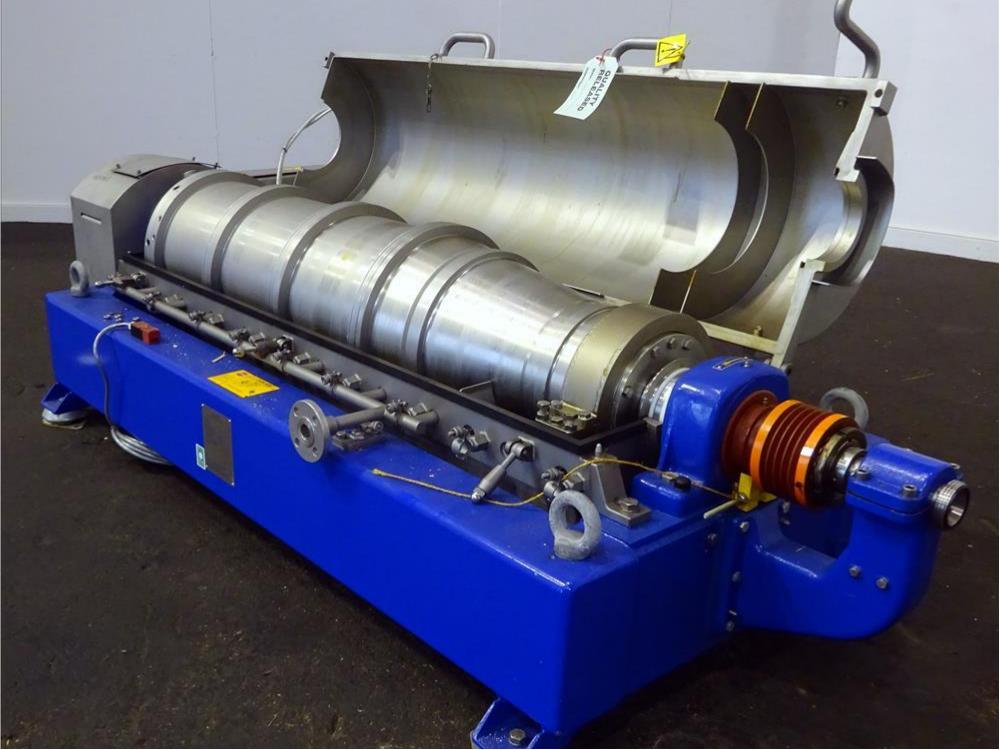
A decanter centrifuge is a continuous-process machine that uses high G-forces. Sludge is fed into a horizontally rotating bowl that contains a screw conveyor (scroll) rotating at a slightly different speed. The intense centrifugal force pins the heavier solids against the bowl’s inner wall. The scroll then scrapes these solids toward one end for discharge, while the lighter liquid phase forms a separate layer and flows out the other end.
- Key Advantage: Continuous operation and a relatively small footprint.
- Best For: Plants with limited space or those that require a fully continuous process and can accept a slightly lower cake dryness compared to a filter press.
Belt Filter Press
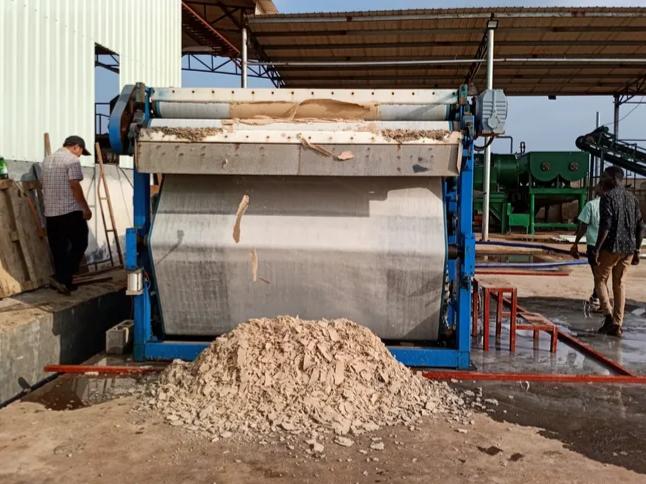
A belt press is another continuous-process machine, but it uses compression instead of centrifugal force. Conditioned sludge is fed onto a porous belt, where it first dewaters by gravity. It is then sandwiched between two porous belts that pass through a series of rollers. These rollers apply increasing pressure to the sludge, squeezing out the water.
- Key Advantage: Lower energy consumption and good performance with certain organic sludges.
- Best For: Municipal wastewater treatment and applications where energy cost is a major concern and moderate cake dryness is acceptable.
Filter Press vs. Centrifuge vs. Belt Press: A Quick Comparison?
Choosing between the “big three” dewatering technologies is a major decision. How do they really stack up on the metrics that matter to a plant manager or procurement engineer?
The best choice depends entirely on your operational priorities. Filter presses excel at delivering the driest cake, centrifuges offer a compact and continuous solution, and belt presses are known for their low energy use. There is no single “best” technology—only the best fit for your specific sludge and goals.
Let’s break down the comparison using a table, which is a tool I often use to help clients visualize the trade-offs.
| Feature | Filtropressa | Decanter Centrifuge | Belt Filter Press |
|---|---|---|---|
| Achievable Dry Solids | Excellent (25% – 50%+) | Good (18% – 35%) | Fair (15% – 25%) |
| Process Type | Batch | Continuous | Continuous |
| Footprint | Large (Vertical) | Small | Large (Horizontal) |
| Best Sludge Types | Industrial, mineral, chemical, mixed | Municipal, organic, oily | Municipal, fibrous, organic |
| Polymer Consumption | Low to Moderate | High | Moderate to High |
| Energy Consumption | Moderate (intermittent) | High (continuous motor) | Low |
| Operator Attention | Moderate (for cake discharge) | Low | Moderate |
| Capital Cost | Moderate to High | High | Moderate |
From a procurement perspective, the Achievable Dry Solids row is often the most important. Why? Because every extra percentage point of dryness directly reduces the weight of the cake you have to pay to dispose of.
UN filtropressa, especially a membrane filter press, consistently wins on this metric. While it is a batch process, the significantly drier cake can lead to massive savings in operational expenditures (OPEX) that quickly offset any differences in capital cost (CAPEX) or labor.
UN centrifuge is an excellent choice for plants where floor space is tight and a continuous process is a must-have. However, this often comes at the cost of higher polymer consumption and energy use, and the final cake will be wetter than what a filter press can produce.
UN belt press is a solid, low-energy option for large-volume, easy-to-dewater organic sludges, like those from municipal plants. However, it typically produces the wettest cake of the three, making it less suitable for industrial sludges where disposal costs are high.
What Are the Key Benefits of Effective Sludge Dewatering?
Is investing in an advanced sludge dewatering system really worth the capital outlay? Does it provide a tangible return on investment?
Absolutely. The benefits go far beyond simply having a drier pile of solids. Effective dewatering leads to drastically reduced disposal costs, streamlined operations, opportunities for resource recovery, and improved environmental compliance.
When pitching a dewatering project to management, focus on these four tangible benefits.
Massive Reduction in Disposal Costs
This is the number one financial driver. Sludge disposal is often priced per ton. Let’s use a simple example:
- You have 100 tons of sludge at 2% solids (98 tons of water).
- After dewatering with a membrane filter press to 40% solids, you now have just 5 tons of cake (3 tons of solids, 2 tons of water).
You’ve reduced the disposal weight by 95%. Even with less efficient dewatering to 20% solids, the weight drops to 15 tons—an 85% reduction. These savings accumulate every single day, providing a clear and rapid ROI.
Improved Operational Handling and Storage
Wet, sloppy sludge is difficult and messy to handle. It requires specialized containment and transport. A dry, solid sludge cake, on the other hand, is often “spadable” and can be handled with a front-end loader. It’s stackable, requires less storage space, and is significantly less odorous, improving workplace conditions.
Water Recovery and Reuse
The liquid removed during the sludge dewatering process, the filtrate, is often clean enough to be recycled back to the head of the treatment plant. This reduces the facility’s overall demand for fresh water and minimizes the volume of wastewater being discharged, helping to close the loop on your water management system.
Environmental and Regulatory Compliance
Many landfills have regulations on the minimum solids content they will accept (e.g., the “paint filter test” to ensure no free liquids). Effective dewatering ensures you meet these requirements. Furthermore, if the sludge is destined for incineration, removing water drastically reduces the auxiliary fuel needed, lowering both cost and emissions.
How Do I Choose the Right Dewatering Method for My Sludge?
With all this information, you understand the technologies and the benefits. But making that final decision—committing to a specific technology and supplier for your unique sludge—can still feel overwhelming.
The right choice comes from a methodical evaluation of four key areas: your sludge characteristics, your primary performance goals (dryness vs. throughput), your operational constraints (like footprint and labor), and a thorough analysis of the total cost of ownership.
As an equipment manufacturer, we always advocate for a data-driven approach. Don’t make a six-figure decision based on a brochure. Follow these steps.
Analyze Your Sludge Characteristics
The nature of your sludge dictates everything. You need to know:
- Source: Is it industrial, mineral, municipal, biological, or chemical?
- Composition: Is it abrasive, corrosive, oily, or fibrous?
- Particle Size Distribution: Are the solids fine and difficult to capture, or coarse and easy to filter?
Abrasive mineral sludge from a mining operation requires very different equipment—especially in terms of materials of construction—than soft, organic biological sludge from a food processing plant.
Define Your Primary Goal: Dryness or Throughput?
This is the classic trade-off.
- If your primary goal is the lowest possible disposal cost, you should prioritize maximum cake dryness. This points directly toward a high-pressure membrane filter press.
- If your primary goal is high-volume, continuous processing and you can accept a wetter cake, a decanter centrifuge may be a better fit.
Understanding this trade-off is crucial. A longer cycle time in a filter press yields a drier cake (lower OPEX), but reduces throughput per hour. You must balance these factors to find the economic sweet spot for your facility.
Consider Total Cost of Ownership (TCO)
Don’t just look at the initial purchase price (CAPEX). A comprehensive TCO analysis should include:
- Equipment Cost
- Installation & Commissioning Cost
- Ongoing OPEX:
- Energy Consumption
- Polymer / Chemical Costs
- Labor (Operator Attention)
- Maintenance & Spare Parts
- Sludge Disposal Costs (This is often the largest component!)
A machine that costs more upfront but produces a much drier cake can easily have a lower TCO over 3-5 years due to savings on disposal fees.
Insist on Pilot Testing
The single best way to de-risk your investment is to test your actual sludge on a pilot-scale version of the equipment you are considering. A reputable manufacturer should be able to facilitate this, either at your site or in their lab. Pilot testing provides real-world data on achievable cake dryness, optimal cycle times, and polymer dosage. This data is invaluable for confirming performance and justifying the capital expenditure.
Conclusion
Ultimately, sludge dewatering is far more than just a mandatory step in waste management; it is a powerful tool for cost reduction and operational optimization. Understanding that the goal is not just to process sludge but to produce the driest possible cake for the lowest total cost is key. From the initial thickening and conditioning to the final choice of mechanical equipment, every decision matters. As we’ve seen, factors like filter press plate design—especially the use of advanced membrane technology—can directly influence your bottom line by maximizing water removal and minimizing disposal weight.