Dealing with large volumes of industrial sludge is a persistent operational challenge, creating logistical headaches and significant costs. As environmental regulations tighten and disposal fees climb, inefficient sludge management can quickly erode your bottom line. You need a solution that not only works but also delivers measurable financial and operational benefits.
A filter press for sludge dewatering is considered a top choice because it uses high mechanical pressure to force water out of sludge, producing an exceptionally dry solid cake. This process dramatically reduces the final sludge volume and weight, leading to significant savings on transportation and disposal costs while ensuring stable, reliable performance.
This simple-sounding principle has profound implications for industries from mining to chemical processing. But how does it actually achieve these results, and what makes it a better fit than other technologies? Let’s dive deeper into the mechanics, benefits, and key considerations for implementation.
What Exactly Is Sludge Dewatering?
Sludge dewatering is the process of removing as much water as possible from a liquid-solid slurry, commonly known as sludge. The primary goal is to minimize the sludge’s final volume, making it easier and cheaper to handle, transport, and ultimately dispose of or repurpose.
Sludge is an unavoidable byproduct of many industrial processes, particularly in wastewater treatment, mining, chemical manufacturing, and food processing. This sludge typically consists of a small percentage of solid particles suspended in a large volume of water—often 95-99% water content.
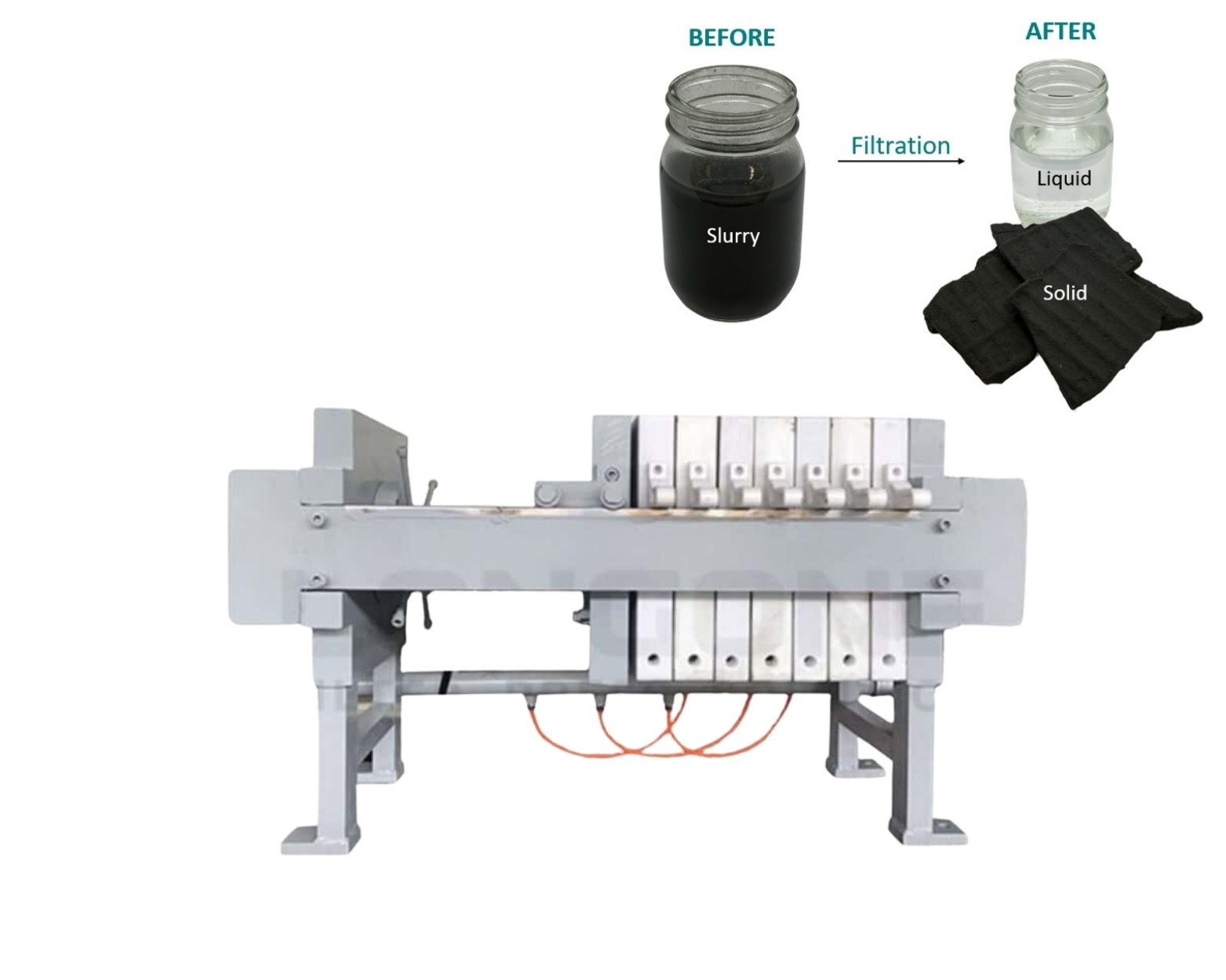
The objectives of sludge dewatering are multifaceted:
- Volume and Weight Reduction: This is the most significant benefit. By removing water, the total volume and weight of the waste can be reduced by up to 90% or more. In my experience, I’ve seen clients cut their disposal transportation needs from ten truckloads a week down to just one. This directly translates to lower hauling fees and landfill tipping fees, which are often charged by weight.
- Improved Handling: Dewatered sludge transforms from a messy, liquid slurry into a solid, stackable “cake.” This material is much easier to handle with standard equipment like front-end loaders and conveyors. It can be stored without leaking and poses fewer environmental risks during transport.
- Compliance and Disposal Options: Many landfills and disposal sites have regulations prohibiting the disposal of liquid waste. Achieving a high solids content ensures compliance. Furthermore, a very dry cake may open up alternative disposal routes, such as incineration (where it can be self-sustaining fuel) or use as a raw material in other products, like cement or bricks.
- Water Recovery: The water removed during the dewatering process, known as filtrate, is often clean enough to be returned to the head of the treatment plant or, in some cases, reused elsewhere in the facility, contributing to water conservation efforts.
Ultimately, effective dewatering is a cornerstone of responsible and cost-effective industrial waste management.
How Does a Filter Press Work for Sludge Dewatering?
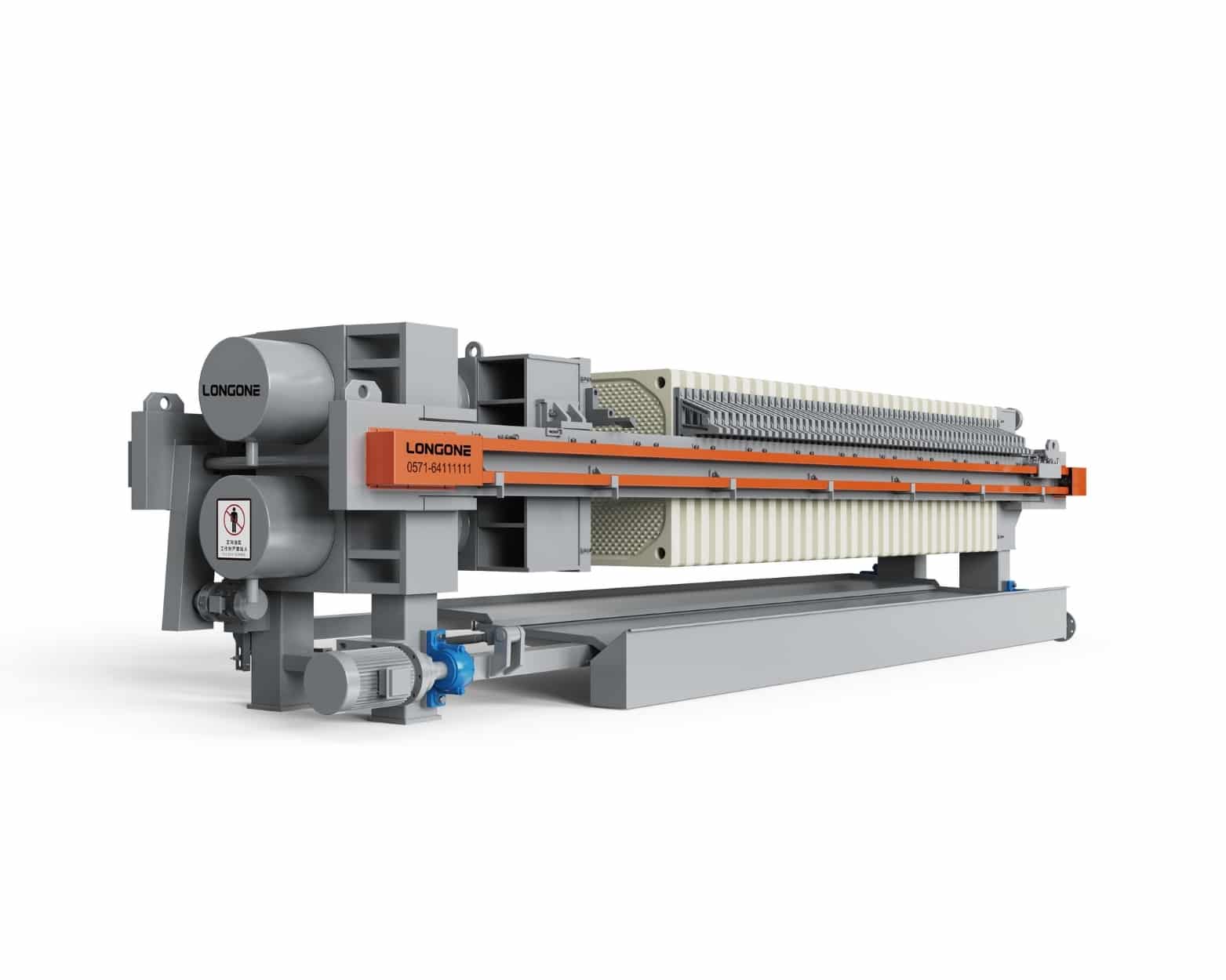
At first glance, an automatic filter press can seem like a complex piece of machinery. However, the operational principle is elegantly simple and highly effective. You might wonder how simple pressure can achieve such a high degree of separation.
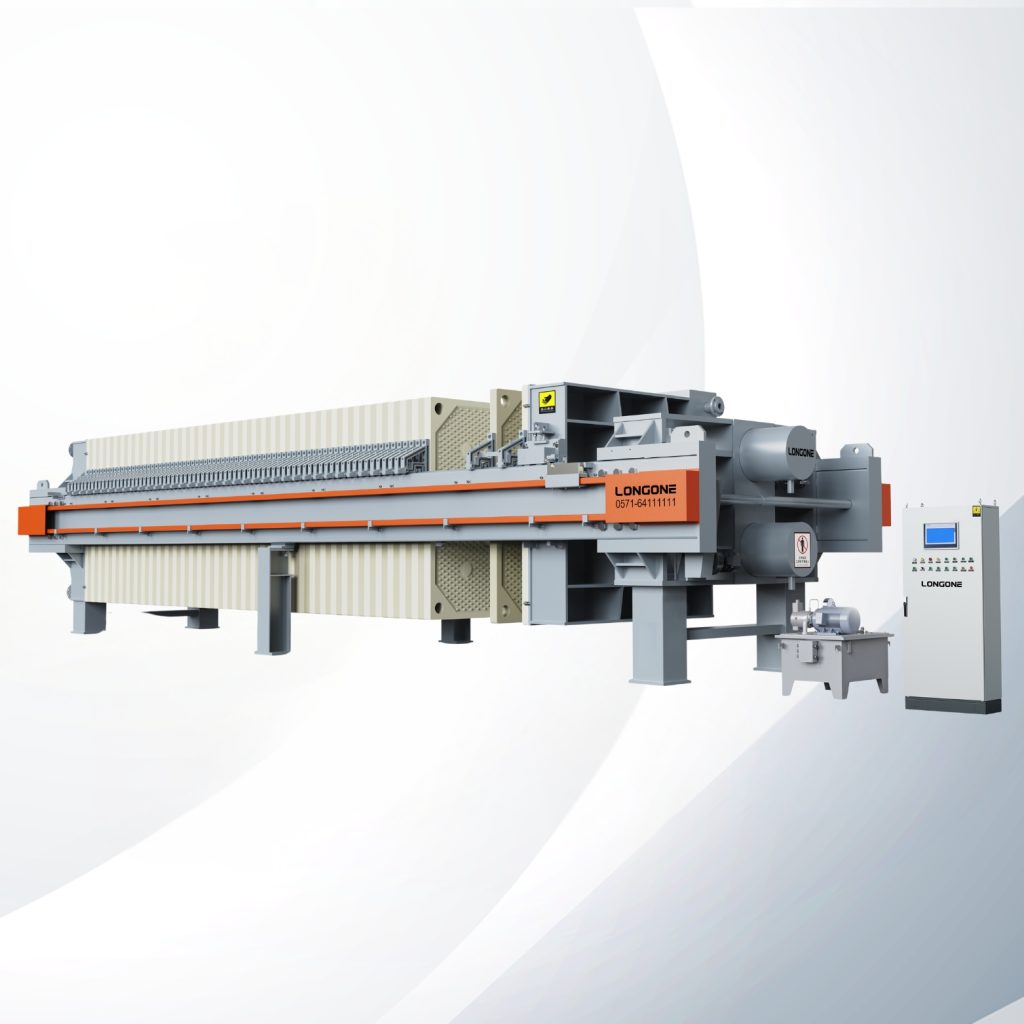
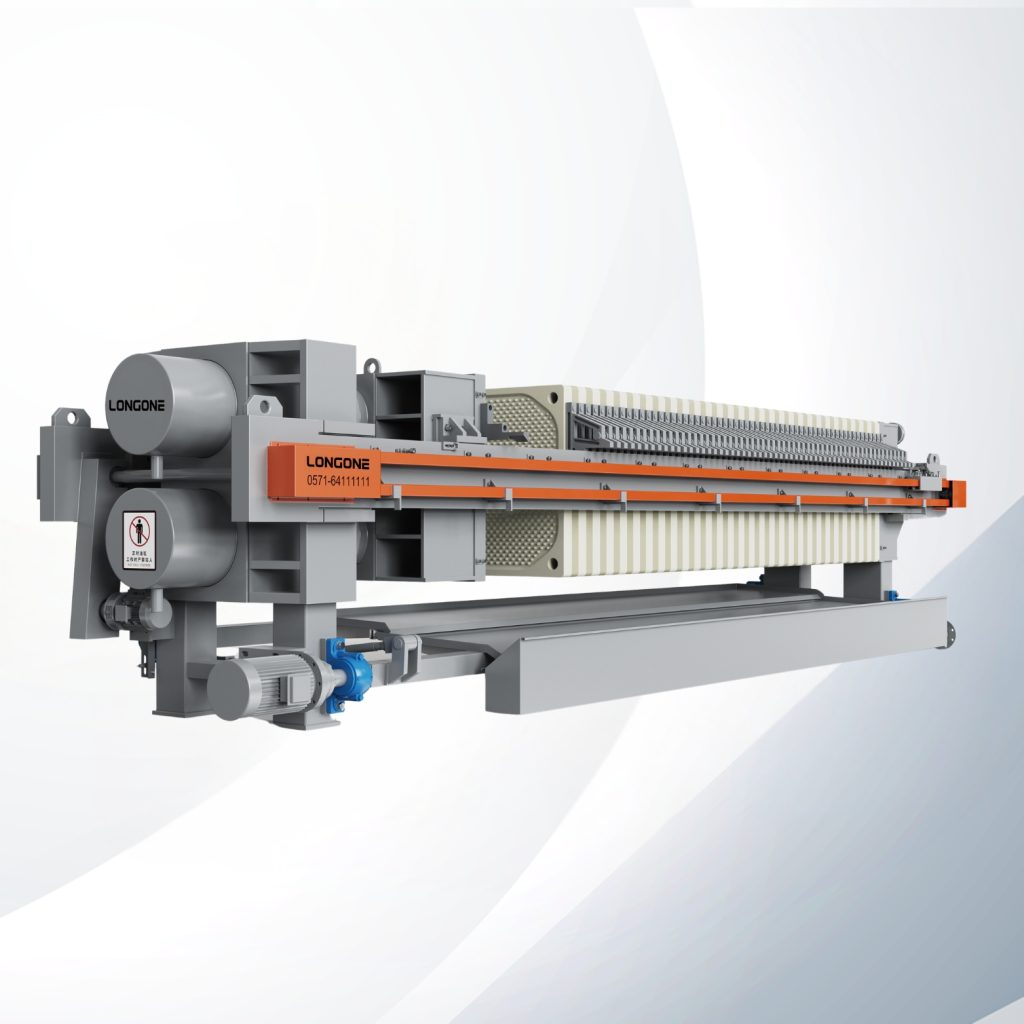
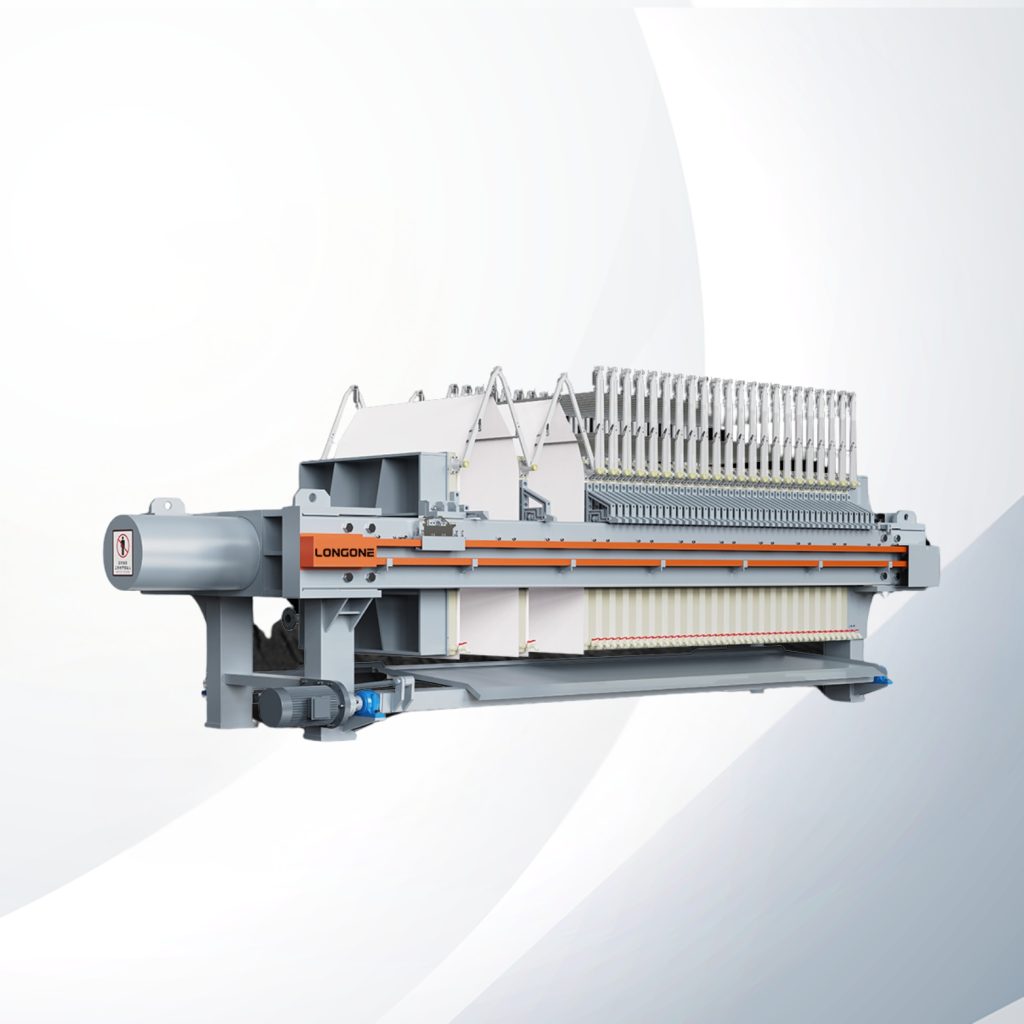
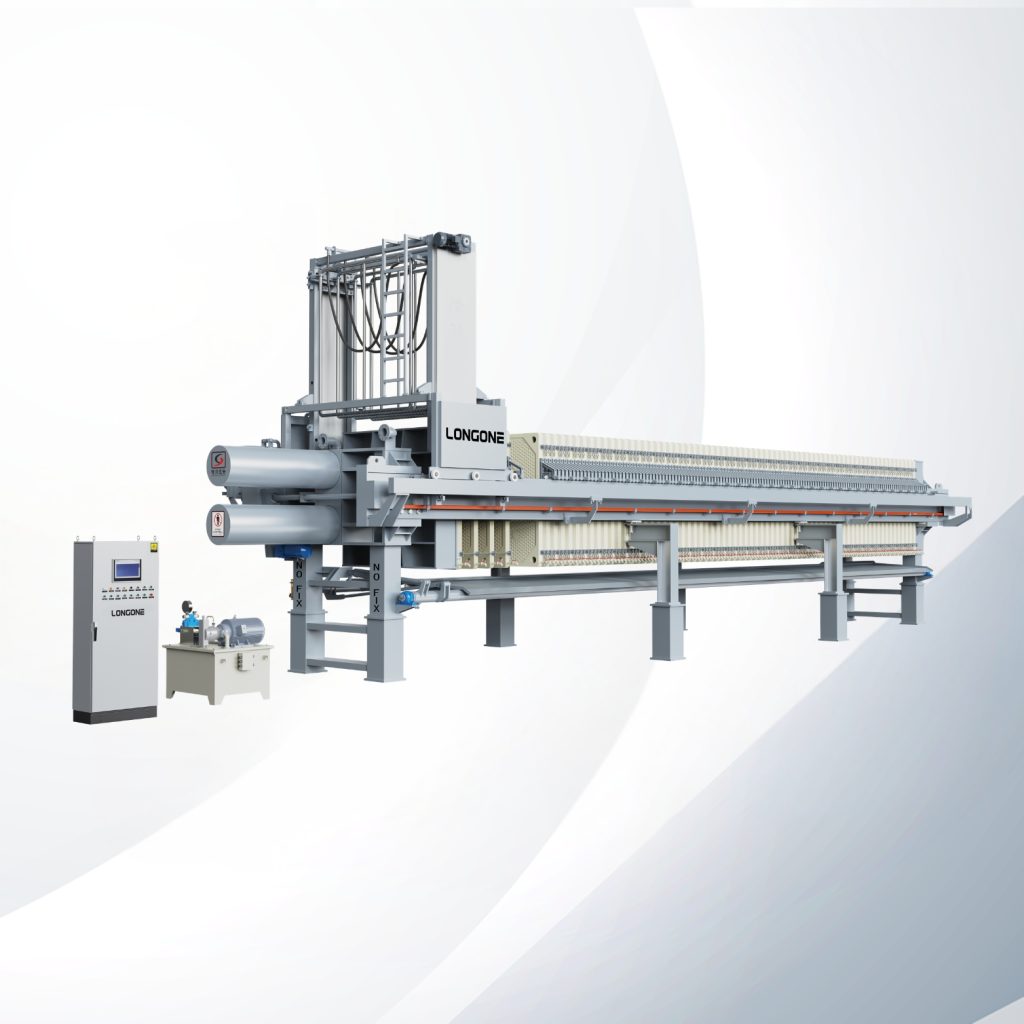
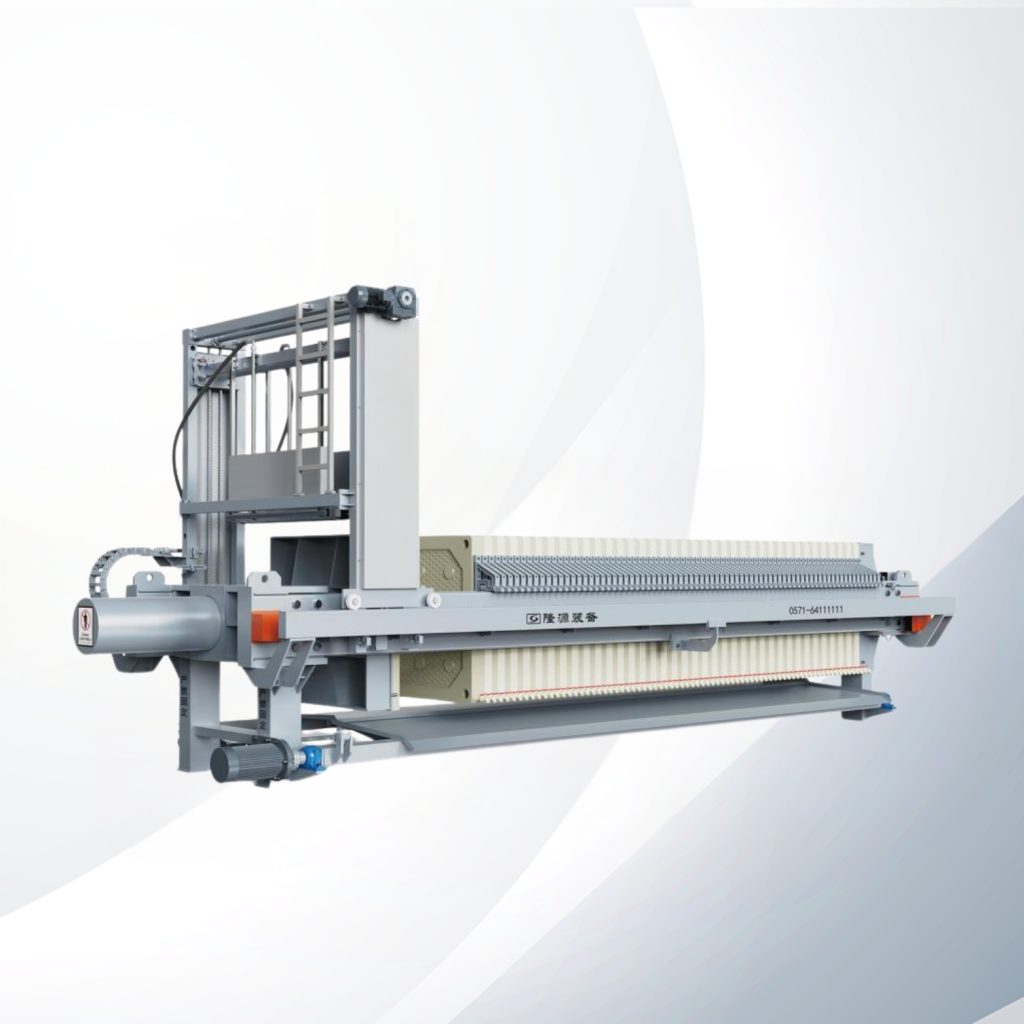
UN filter press for sludge dewatering operates in a batch cycle where sludge is pumped into a series of chambers lined with filter cloths. A powerful hydraulic system clamps the chambers together, and as pressure builds, water is forced through the cloths, leaving the solid particles behind to form a dry cake.
The entire operation revolves around a sequence of carefully controlled stages. Understanding this cycle is key to appreciating why this technology is so reliable. At LONGONE, we design our systems around a four-stage process to maximize efficiency.
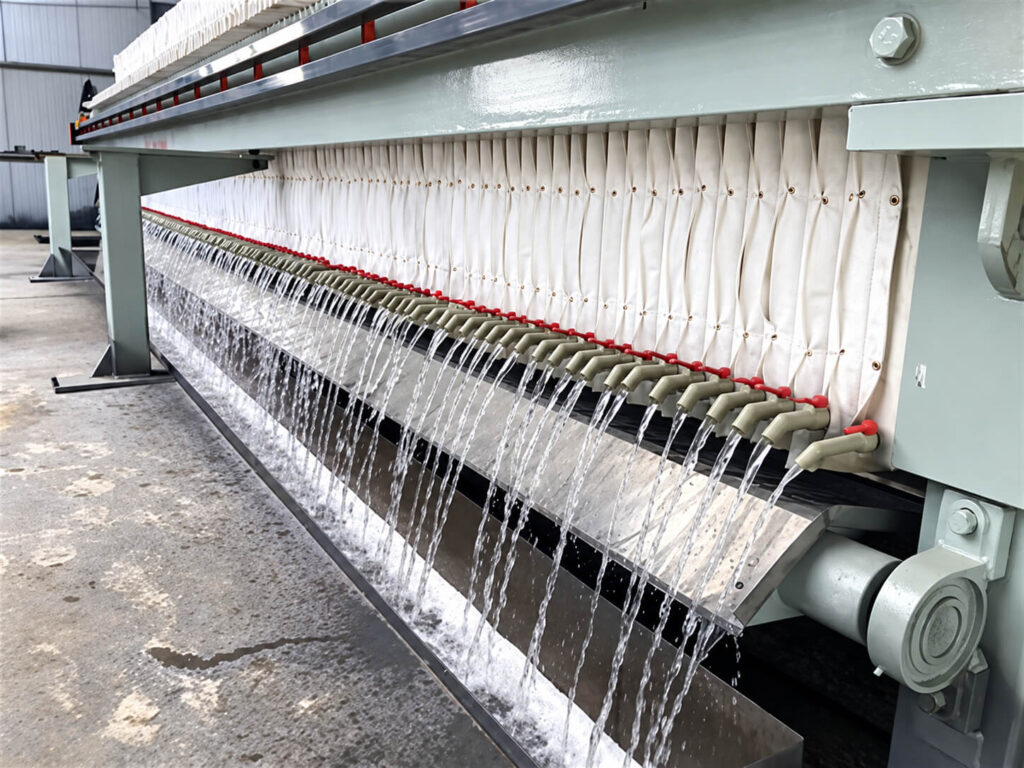
The Four Stages of a Filtration Cycle
- Filling: The cycle begins with the hydraulic ram closing and clamping the stack of filter plates together, creating a series of sealed, empty chambers. The sludge, often pre-treated with polymers to aid flocculation, is then pumped into these chambers through a feed port. The chambers fill completely with the slurry.
- Filtration (Dewatering): As pumping continues, pressure inside the chambers builds, typically from 6 to 16 bar (or even higher in special applications). This pressure acts as the driving force. The liquid phase (filtrate) passes through the microscopic pores of the filter cloth, while the solid particles are retained and begin to build up on the cloth’s surface. The filtrate exits through ports in the plates and is channeled away.
- Cake Formation & Squeezing (Optional): As more water is removed, the accumulated solids compact to form a dense “filter cake.” In a standard chamber filter press, the cycle ends when the filtrate flow slows to a trickle, indicating that no more water can be removed by feed pressure alone. In a more advanced filtropressa a membrana, a flexible membrane behind the filter cloth can be inflated with water or air. This “membrane squeeze” applies uniform pressure directly onto the filter cake, squeezing out even more residual moisture and achieving the highest possible cake dryness.
- Cake Discharge: Once the filtration and squeezing are complete, the hydraulic ram retracts, and the filter plates are separated one by one. This action allows the dry, solid filter cakes to drop from between the plates onto a conveyor or into a hopper below. Modern systems use automatic plate shifters to perform this step without manual intervention, significantly reducing labor and cycle time. The press is then ready for the next cycle.
This entire batch process, from filling to discharge, can take anywhere from 30 minutes to several hours, depending on the sludge type, the press size, and the desired cake dryness.
What Are the Key Benefits of Using a Filter Press for Sludge Treatment?
When evaluating dewatering equipment, it’s easy to get lost in technical specifications. You’re likely wondering what the real-world advantages are and how they impact your operational budget. An inefficient system can mean hidden costs in labor, energy, and disposal.
The primary benefits of using a filter press for sludge dewatering are exceptionally high cake dryness, leading to maximum volume reduction, combined with low energy consumption and high operational reliability. This translates directly into lower long-term operating costs.
Let’s break down the tangible benefits that our industrial customers, from mining operations to wastewater treatment plants, consistently report.
Superior Cake Dryness
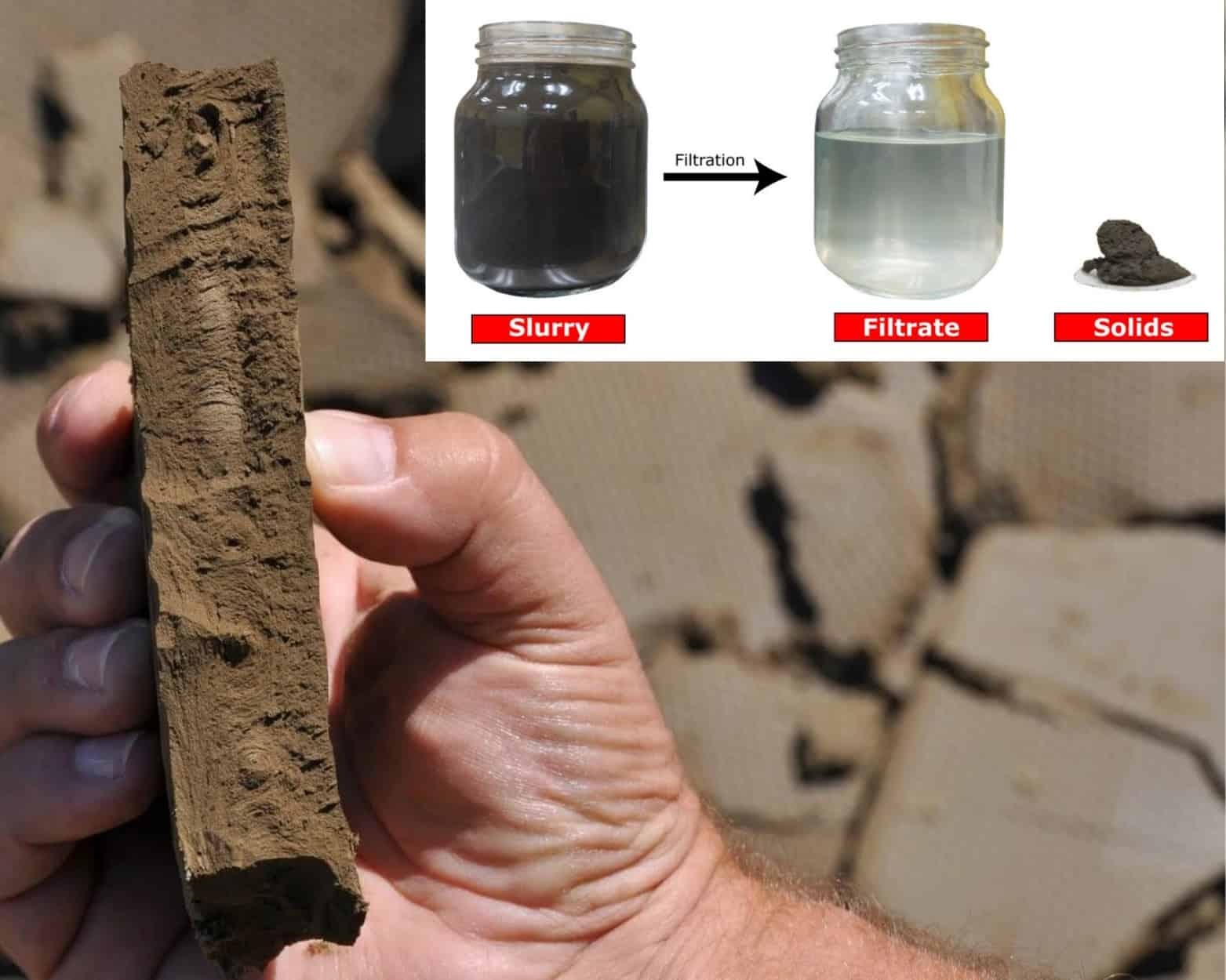
This is the single most important advantage. While a centrifuge might produce a cake with 18-25% solids, a filter press can routinely achieve 30-50% solids content, and with membrane technology, it can exceed 60% or more, depending on the sludge.
- Massive Cost Savings: Higher dryness means less weight and volume. This drastically cuts costs for transportation and disposal, which are often the largest expenses in sludge management.
- Creates Usable Byproducts: In some applications, like in mining, the extremely dry cake can be stacked, or in food processing, it may even become a valuable byproduct (e.g., animal feed).
High Operational Stability and Reliability
Filter presses are mechanically simple compared to high-speed rotating equipment like centrifuges.
- Fewer Moving Parts: The core operation involves a slow-moving hydraulic ram and plate shifter. This leads to less wear and tear, lower maintenance requirements, and longer equipment life. I’ve personally seen our units from over a decade ago still operating reliably in harsh industrial environments.
- Consistent Performance: The batch process is highly controllable and delivers predictable results cycle after cycle. It is less sensitive to minor variations in feed sludge consistency compared to continuous equipment.
Lower Energy Consumption
The main power draw comes from the feed pump and the hydraulic system, which only operates intermittently. There are no large, continuously running high-speed motors.
- Reduced Opex: Compared to a centrifuge that requires a powerful motor to spin a heavy bowl at thousands of RPMs continuously, a filter press’s energy consumption per ton of dry solids is significantly lower. This is a crucial factor for energy-conscious facilities.
Versatility Across Industries
Filter presses are not a one-size-fits-all solution; they are highly adaptable.
- Material and Customization: We can build presses with plates made from polypropylene, cast iron, or stainless steel, and use a wide array of filter cloths to handle corrosive, abrasive, or high-temperature sludges.
- Wide Application Range: This adaptability makes the filter press for sludge dewatering ideal for a vast range of applications:
- Municipal and Industrial Wastewater Treatment: Dewatering biological and chemical sludges.
- Mining & Mineral Processing: Dewatering mineral concentrates and mine tailings.
- Chemical Manufacturing: Separating solids from chemical slurries.
- Food and Beverage: Dewatering food processing wastes, such as from breweries or sugar refining.
Which Types of Filter Presses Are Used in Sludge Dewatering Applications?
Choosing the right equipment can feel overwhelming, especially with different types available. You need to know which configuration will deliver the best performance for your specific sludge without over-investing in features you don’t need.
The two main types of filter presses used for sludge dewatering are the chamber filter press and the filtropressa a membrana. The choice depends on the required final cake dryness, with membrane presses offering superior dewatering performance for a higher initial investment.
While the basic principle is the same, the technology inside the plates makes a significant difference.
Filtropressa a camera
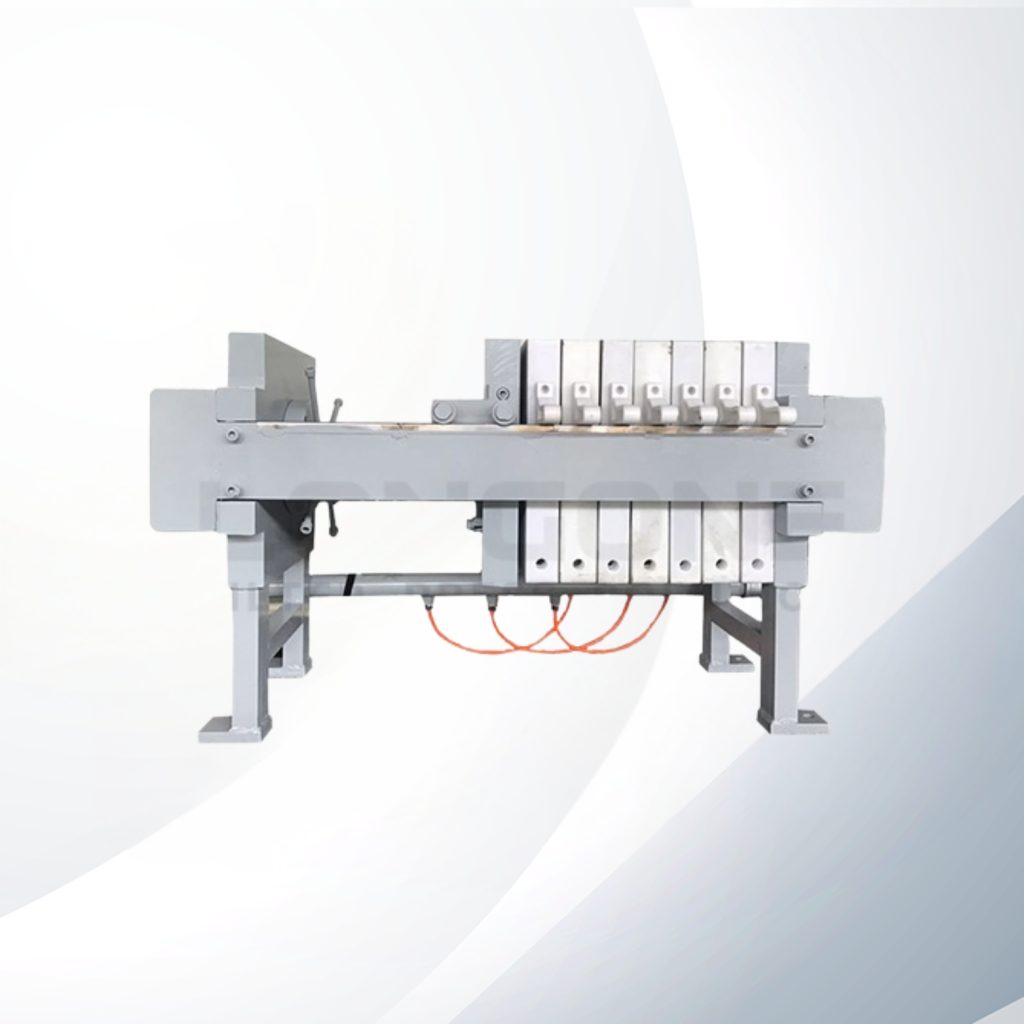
This is the workhorse of the industry. It consists of a series of recessed plates (chamber plates) that, when pressed together, form the filtration chambers.
- How it works: Dewatering is achieved solely by the pressure of the feed pump pushing sludge into the chambers. The cycle ends when the pressure equalizes and liquid flow stops.
- Best for: Applications where a moderately dry cake (typically 30-40% solids) is sufficient and capital cost is a primary concern. It is extremely reliable and effective for a wide range of standard sludges.
- From our experience: Many of our clients in aggregates and basic chemical processing find the standard chamber press provides an excellent balance of performance and cost.
Filtropressa a membrana
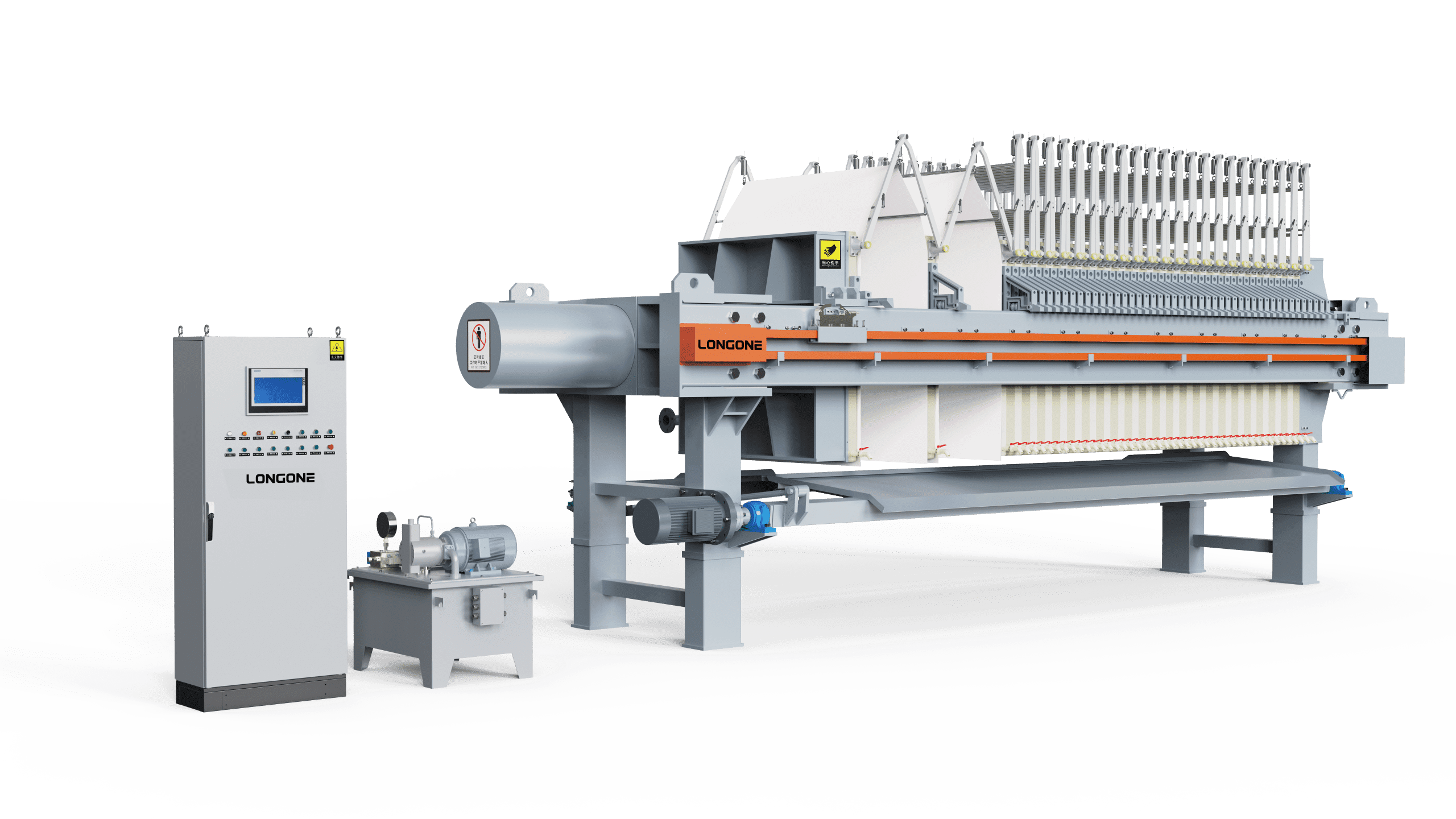
This type is an evolution of the chamber press. It uses a combination of chamber plates and special membrane plates. These membrane plates have a flexible, impermeable face (usually polypropylene or EPDM) that can be inflated.
- How it works: After the initial filtration cycle powered by the feed pump, the feed is stopped. High-pressure water or air is then pumped behind the flexible membranes, which inflate and physically squeeze the filter cake from both sides. This “squeeze” step removes additional water that the feed pump pressure alone could not.
- Best for: Applications demanding the absolute highest cake dryness. This is critical when disposal costs are very high, when the cake needs to meet strict moisture content regulations, or when trying to maximize water recovery.
- Advantages:
- Higher Cake Solids: Can increase cake dryness by an additional 5-15% over a chamber press.
- Shorter Cycle Times: The squeeze action can dewater the cake faster, increasing overall throughput.
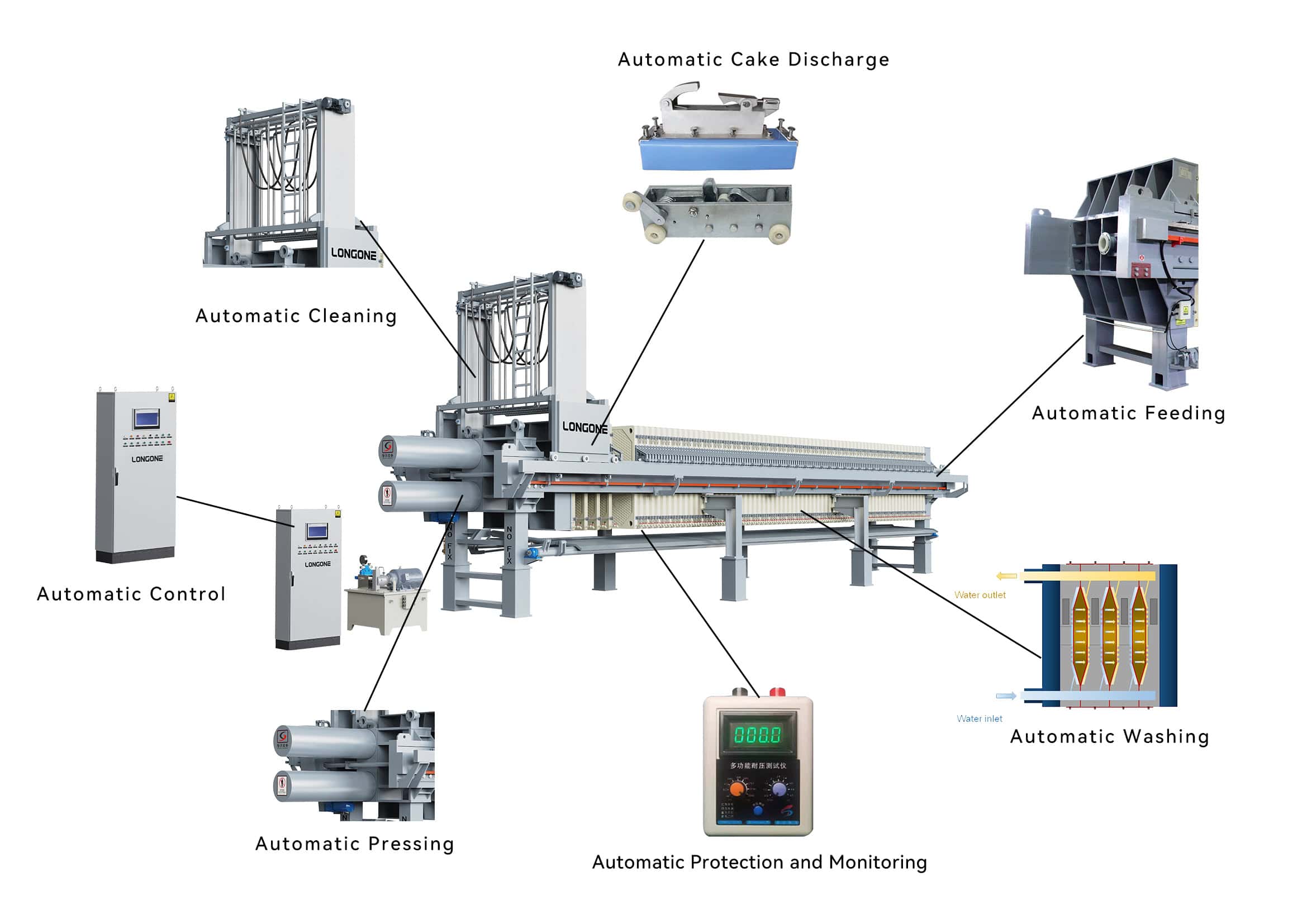
Modern Automation Features
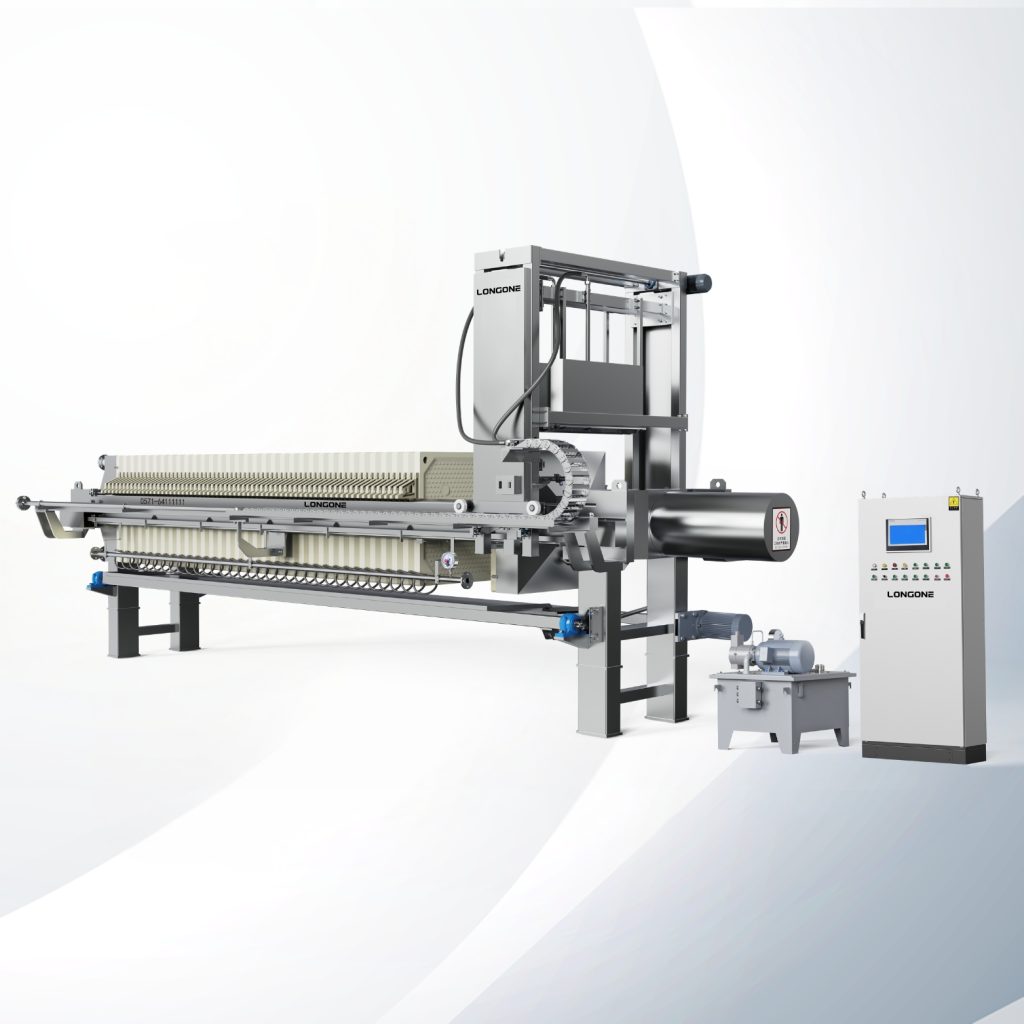
Regardless of the type, modern filter presses can be equipped with features that transform them from manual machines into fully automated systems. These are essential for large-scale or 24/7 operations.
- Automatic Plate Shifting: Mechanically separates plates for cake discharge.
- Automatic Cloth Washing: High-pressure spray bars clean filter cloths to maintain permeability.
- Drip Trays: Automatically close during filtration and open during discharge to keep the area clean.
- Intelligent Controls (PLC): Monitors and controls the entire process, optimizing cycle times and ensuring safety.
What Factors Affect Sludge Dewatering Performance?
You’ve invested in a top-tier filter press, but your results aren’t meeting expectations. What’s going wrong? Simply buying the equipment isn’t enough; performance is a delicate balance of the machine, the material, and the method.
Achieving optimal sludge dewatering performance depends heavily on three key areas: the intrinsic sludge characteristics, proper sludge conditioning before filtration, and finely-tuned operational parameters of the filter press itself. Ignoring any one of these can lead to poor results.
1. Sludge Characteristics
The nature of the sludge itself is the most critical variable.
- Particle Size and Distribution: Sludges with larger, more uniform particles dewater more easily than those with fine, colloidal solids, which can blind the filter cloth.
- Compressibility: Some sludges are highly compressible; applying high pressure just compacts them into an impermeable layer, trapping water. Others are more rigid and dewater well under pressure.
- Chemical Composition: The presence of oils, greases, or certain chemicals can affect flocculation and cloth performance.
- pH and Temperature: These factors influence the effectiveness of conditioning chemicals and the choice of materials for the press itself.
A lab analysis or a pilot test with a small-scale press is the best way to understand these characteristics before specifying a full-size machine.
2. Sludge Conditioning
Raw sludge rarely dewaters efficiently. It must be “conditioned” to form larger, stronger particle aggregates (flocs) that allow water to escape more freely.
- Polymer Flocculation: The most common method is adding a specific polymer (polyelectrolyte). The polymer’s type, dosage, and mixing energy must be precisely matched to the sludge. Too little polymer results in weak flocs; too much can be costly and actually hinder dewatering.
- Inorganic Conditioners: Sometimes, inorganic chemicals like ferric chloride, lime, or filter aids (e.g., diatomaceous earth) are added to provide structure to the cake and improve permeability, especially for very fine or greasy sludges.
3. Operational Parameters
Finally, the filter press must be operated correctly.
- Feed Pressure: A gradually increasing pressure ramp is often more effective than applying high pressure immediately. This prevents premature blinding of the filter cloth.
- Filtration Time: The length of the filtration cycle must be optimized. Too short, and the cake will be wet; too long, and you are wasting time and energy with diminishing returns.
- Membrane Squeeze Pressure & Time: For membrane presses, the squeeze pressure and duration are critical variables to dial in for maximum dryness.
- Filter Cloth Selection: The weave, material (e.g., polypropylene, polyester, nylon), and permeability of the filter cloth must be perfectly matched to the sludge’s particle size. This is one of the most common failure points I see in underperforming systems.
How Does a Filter Press for Sludge Dewatering Compare to Other Equipment?
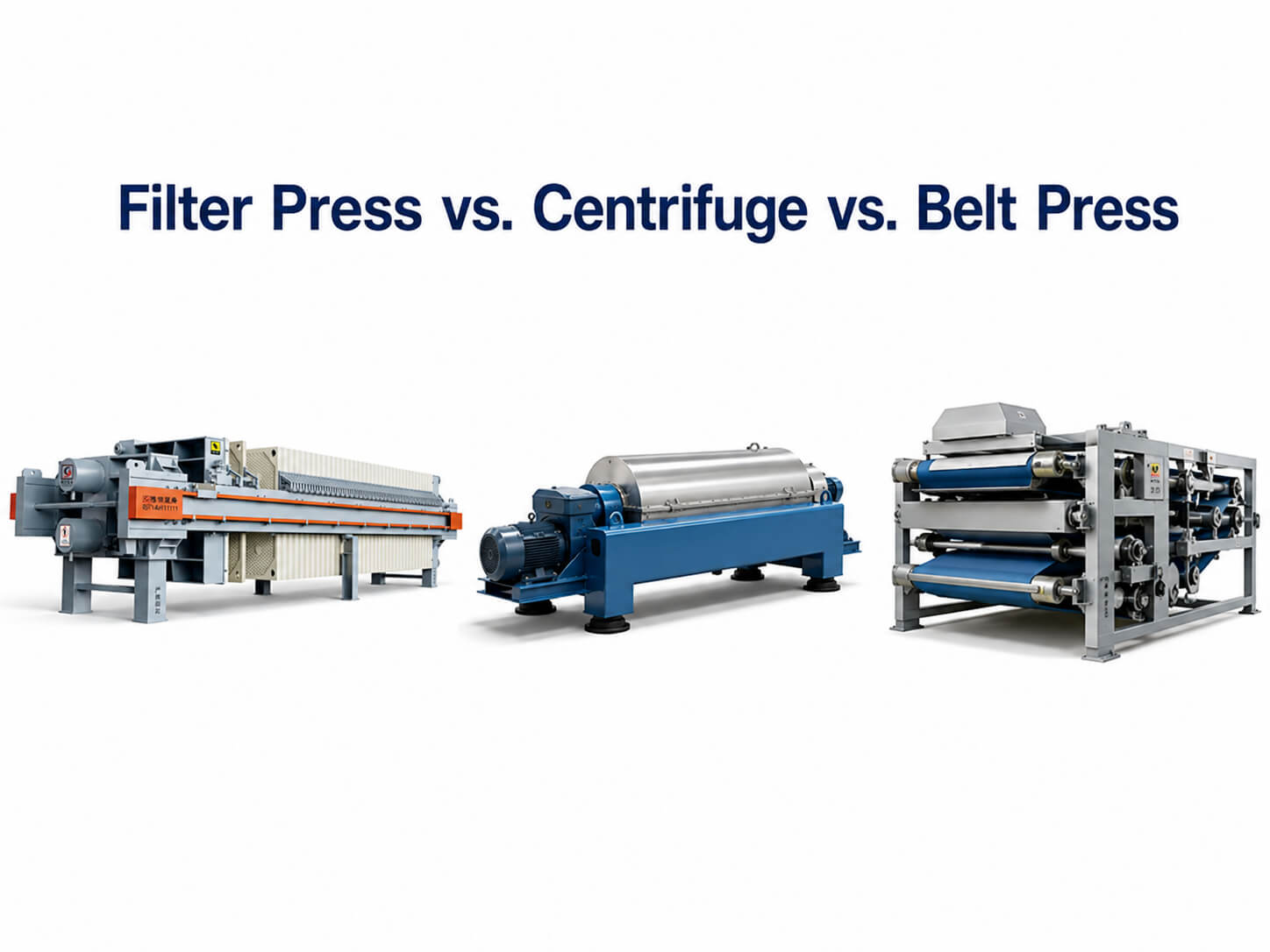
With several dewatering technologies on the market, how do you decide which is best for your plant? A belt press seems simpler, and a centrifuge is faster, so why choose the batch process of a filter press?
UN filter press for sludge dewatering excels in applications where the highest possible cake dryness and lowest operating costs are the top priorities. While other systems like belt presses and centrifuges offer continuous operation, they typically cannot match the filter press’s dewatering efficiency and cake solids content.
Choosing the right equipment requires a trade-off analysis based on your specific goals: capital cost, operating cost, footprint, required dryness, and labor. Here is a high-level comparison based on our engineering experience and customer feedback.
| Feature / Metric | Filtropressa | Belt Press | Centrifuge |
|---|---|---|---|
| Typical Cake Solids | 30% – 60%+ (Highest) | 15% – 25% (Low to Medium) | 18% – 30% (Medium) |
| Operating Principle | Batch, High-Pressure Filtration | Continuous, Gravity & Squeezing | Continuous, High-Speed Centrifugal Force |
| Power Consumption | Low | Medium | High |
| Polymer Consumption | Low to Medium | High | Medium to High |
| Capital Cost (CAPEX) | Medium to High | Low to Medium | High |
| Maintenance Needs | Low (Few moving parts) | High (Belts, rollers, bearings) | High (High-speed gearbox, bearings) |
| Operator Attention | Low (with automation) | Medium | Low |
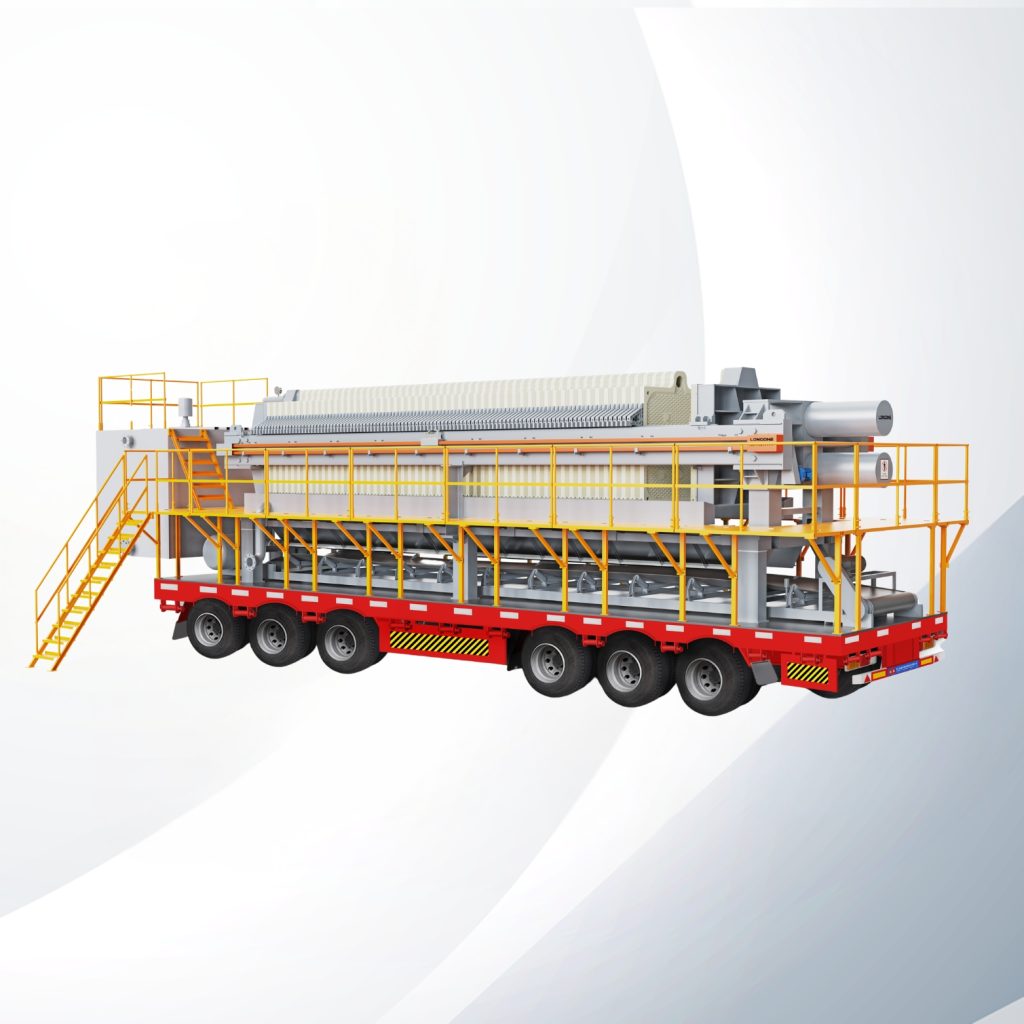
| Footprint | Can be large (vertical) | Large (horizontal) | Smallest |
| Sensitivity to Feed | Low | High | Medium |
When to Choose a Filter Press:
You should strongly consider a filter press for sludge dewatering when:
- Disposal costs are high. The superior cake dryness directly translates to the lowest disposal fees.
- Long-term operating cost (OPEX) is a key concern. Lower energy and polymer usage provide significant savings over the life of the equipment.
- A very dry, handleable cake is required. This is crucial for stacking, transport, or if the cake is a product.
- The sludge is difficult to dewater. The high pressure of a filter press can handle sludges that other technologies struggle with.
When to Consider Alternatives:
- UN belt press might be suitable if initial capital cost is the single most important factor and a wetter cake is acceptable.
- UN decanter centrifuge is a good choice when floor space is extremely limited and a fully continuous process is a must, even if it means higher energy and maintenance costs.
For most industrial clients we work with, the long-term economic benefits of the filter press’s high performance far outweigh the batch-nature of its operation.
Conclusion
Choosing the right equipment for solid-liquid separation is a critical decision that impacts your operational efficiency, environmental compliance, and bottom line for years to come. While several technologies exist, the filter press for sludge dewatering consistently proves to be one of the most effective and economically sound solutions for a vast range of industrial applications. Its ability to produce an exceptionally dry filter cake is unmatched, leading directly to the lowest possible disposal costs. Combined with its operational reliability, low energy consumption, and versatility, it presents a compelling long-term value proposition.
If you are looking to optimize your sludge management process, reduce operating expenses, and achieve superior dewatering results, exploring a custom-engineered filter press system is a logical next step.
Contact LONGONE today to speak with one of our filtration experts. We can help you analyze your sludge and design a complete, factory-direct dewatering solution tailored to your specific operational needs.