Struggling with massive volumes of sludge and soaring disposal costs at your wastewater treatment plant? You’re not alone. As environmental regulations tighten and operational expenses rise, inefficient sludge management becomes a major financial and logistical burden. A properly specified filter press in wastewater treatment offers a powerful solution, transforming wet, unmanageable sludge into a dry, easy-to-handle solid.
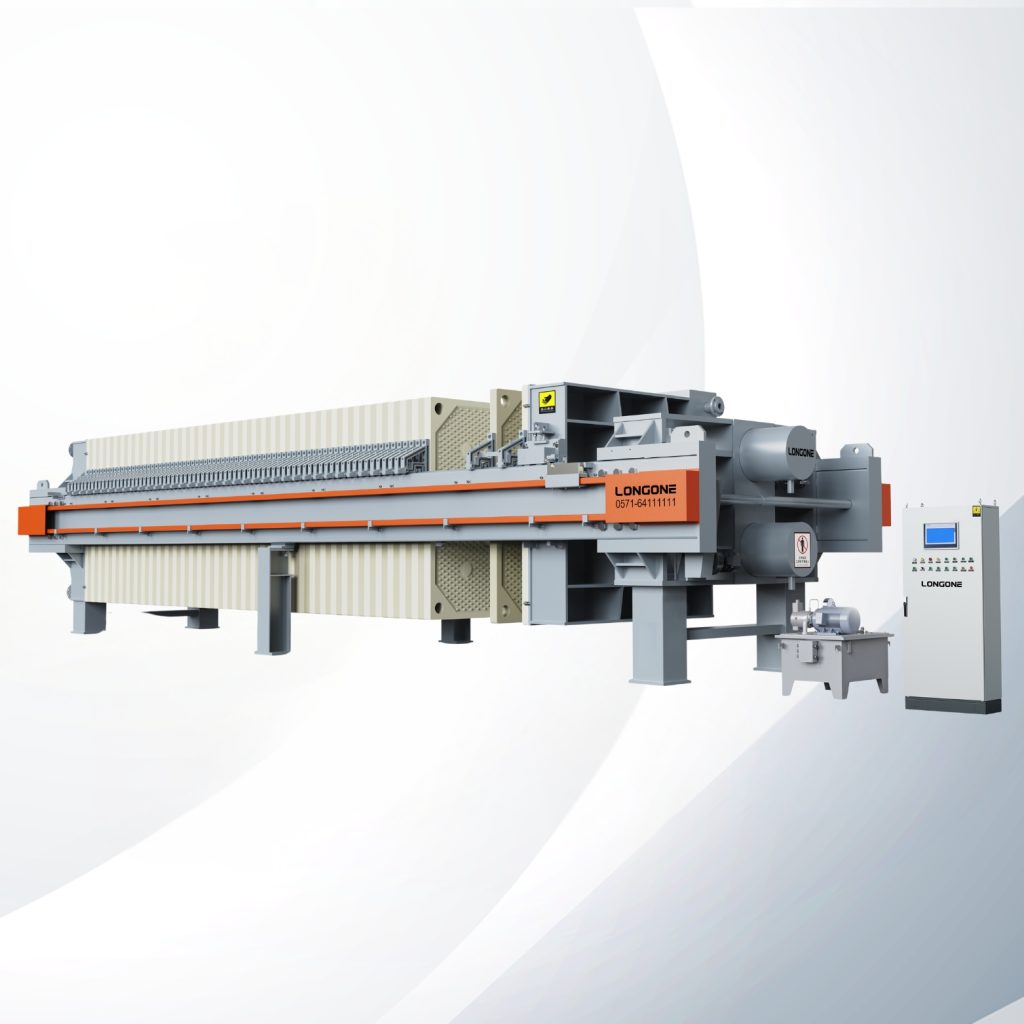
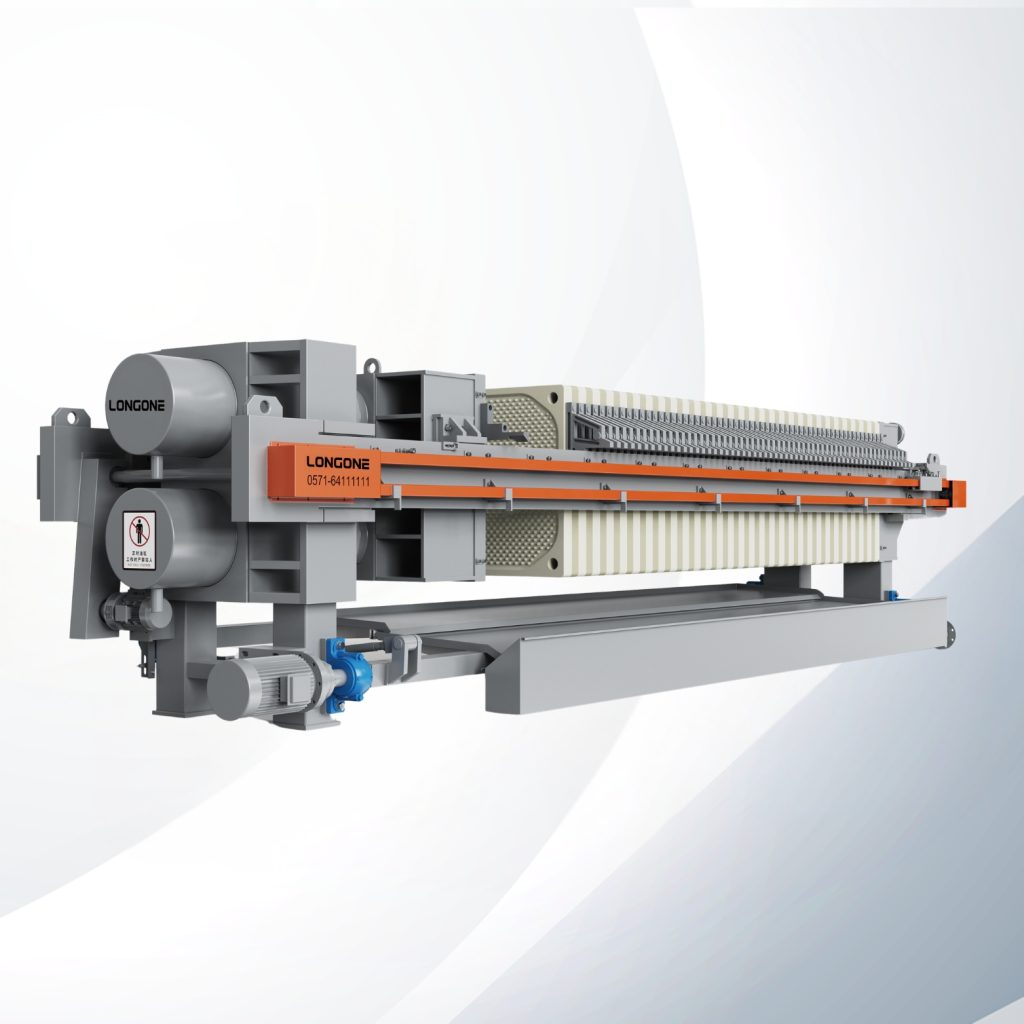
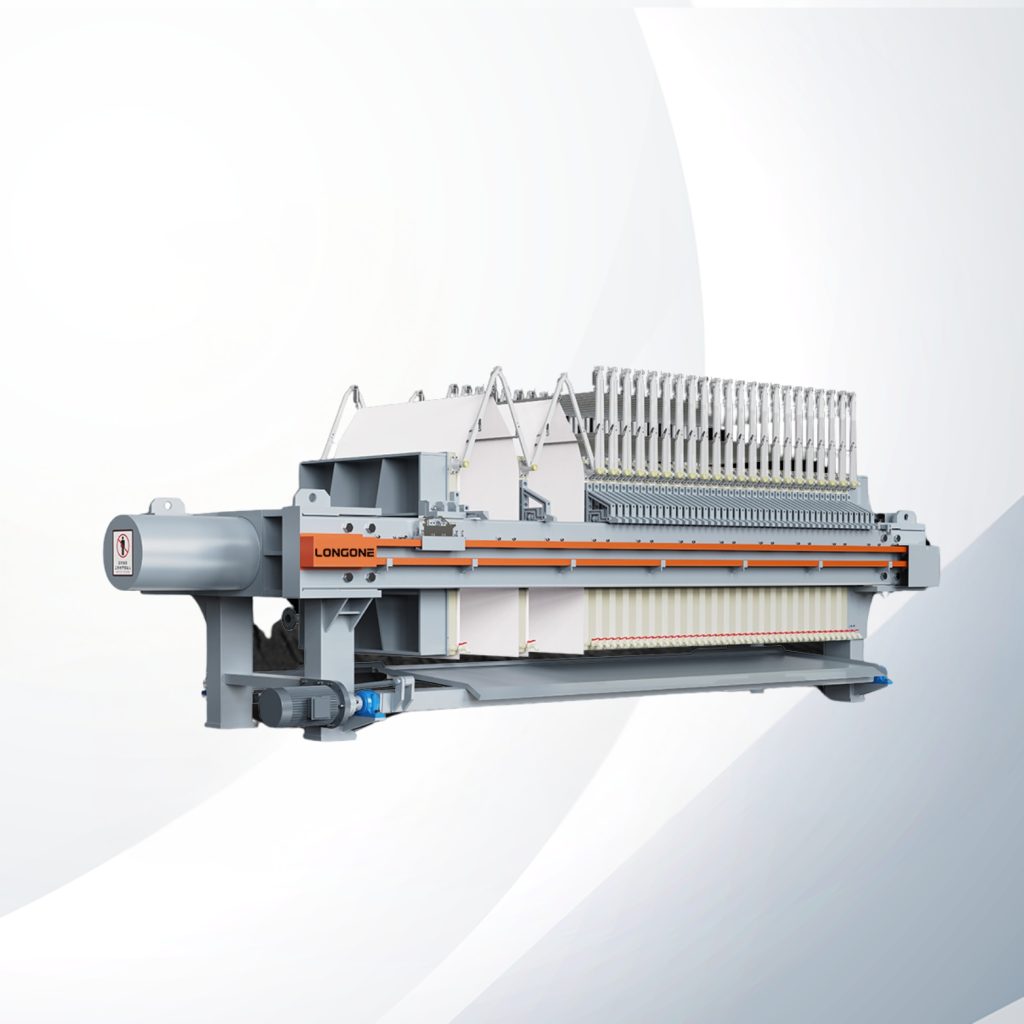
A filter press in wastewater treatment is a mechanical dewatering device used to separate solids from liquids in sludge. It works by pumping the sludge into a series of filter chambers and applying high pressure, which forces the water out through filter cloths while retaining the solid particles. The result is a significant reduction in sludge volume and the production of dry, stackable “filter cakes.”
This simple definition, however, only scratches the surface. The true value lies in understanding how this technology integrates into your system, how to select the right one, and the immense impact it has on your plant’s efficiency and bottom line. Let’s dive deeper.
How Does a Filter Press in Wastewater Treatment Improve Efficiency?
Is your current dewatering process leaving you with wet, heavy sludge that’s expensive to transport and dispose of? This inefficiency directly impacts your operational budget and environmental compliance. A high-performance filter press is designed to attack this problem head-on.
It dramatically improves treatment efficiency by achieving the highest possible solids concentration in the final cake. This reduces sludge volume by as much as 90%, directly cutting down on handling, transportation, and disposal or landfilling costs.
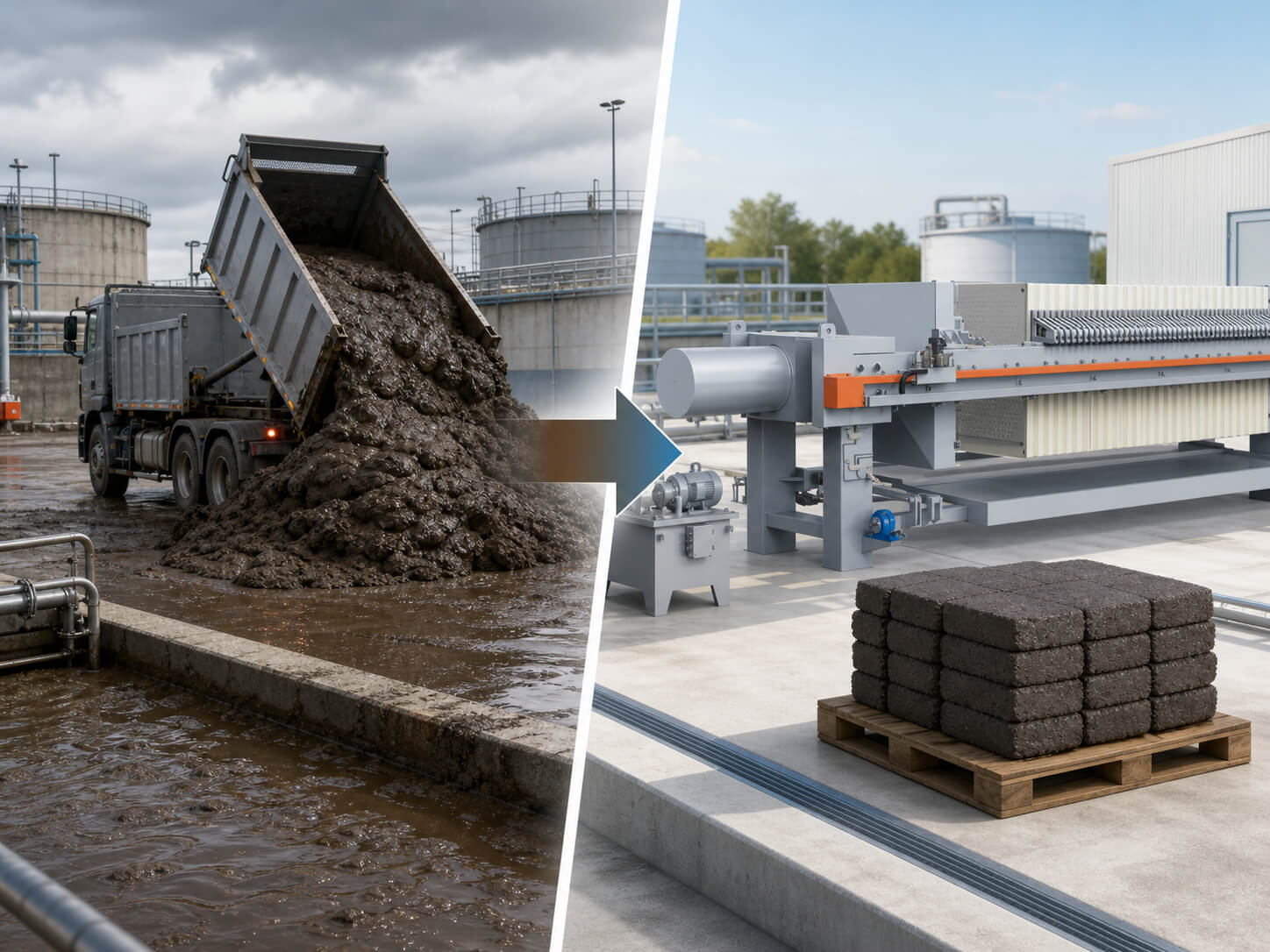
Improving efficiency isn’t just a talking point; it’s a result of specific mechanical and process advantages. When evaluating a filter press in wastewater treatment, the efficiency gains come from three primary areas: sludge volume reduction, water recovery, and operational optimization.
Maximizing Sludge Volume Reduction
The core function of a filter press is to remove water. Compared to other dewatering technologies like belt presses or centrifuges, a filter press excels by using high pressure (often from 15 to 60 bar) to squeeze out the maximum amount of liquid.
Consider a typical scenario: your plant produces 100 cubic meters of liquid sludge per day at 2% solids.
- Without effective dewatering: You have to manage and dispose of 100 m³ of liquid.
- With a centrifuge (achieving ~25% solids): The volume reduces to approximately 8 m³.
- With a filter press (achieving ~50% solids): The volume is cut down to just 4 m³.
This reduction has a cascading effect. Fewer truckloads are needed for disposal, lowering fuel and labor costs. If you pay for disposal by weight, this represents a massive saving. In my experience visiting client sites, I’ve seen disposal costs cut by over 75% after they replaced an older centrifuge system with one of our high-pressure automatic filter presses.
Enhancing Water Recovery and Filtrate Quality
The “waste” liquid that is pressed out of the sludge is called filtrate. In a well-functioning filter press system, this filtrate is exceptionally clear, with very low suspended solids (often less than 50 ppm). This high quality means the water can often be recycled back to the head of the treatment plant, reducing the overall demand for fresh water and lessening the hydraulic load on the entire system. This is a crucial benefit for facilities in water-scarce regions or those facing stringent discharge limits.
Optimizing Operations with Automation
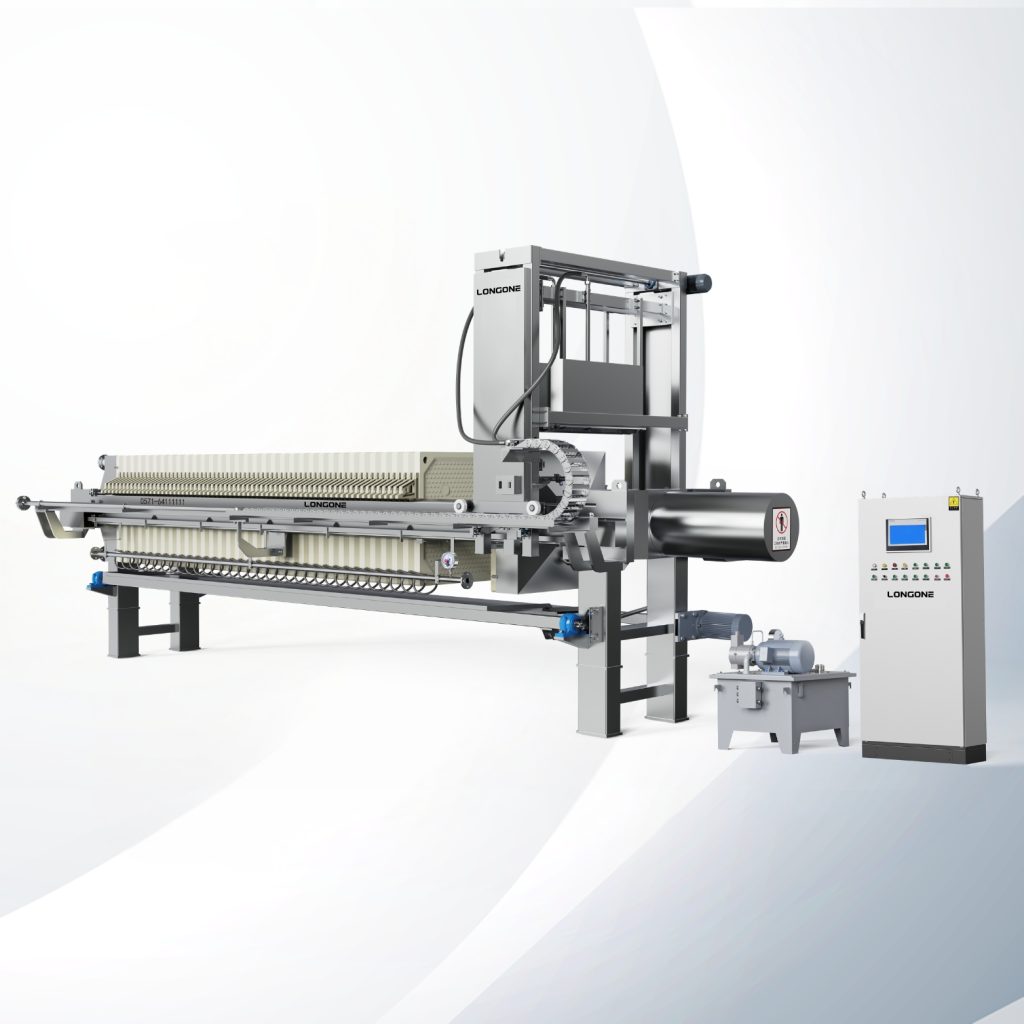
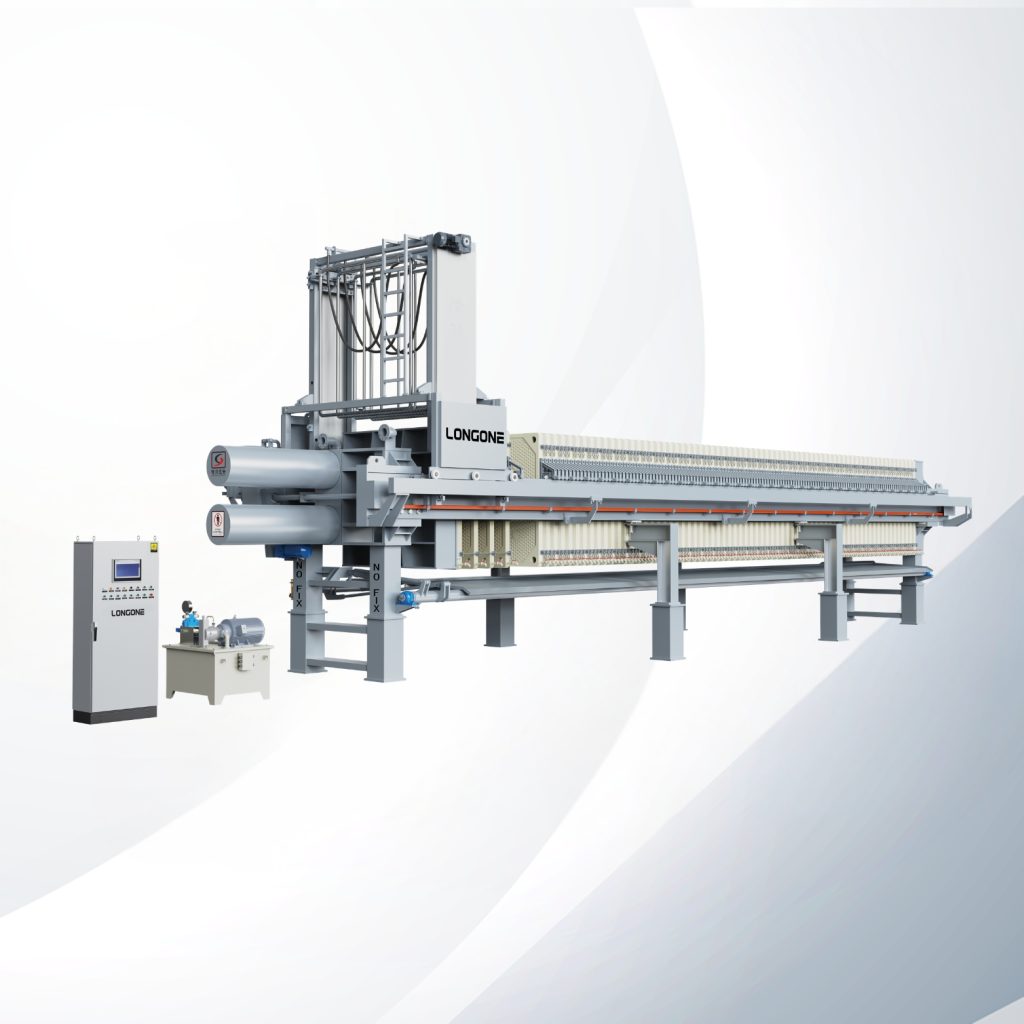
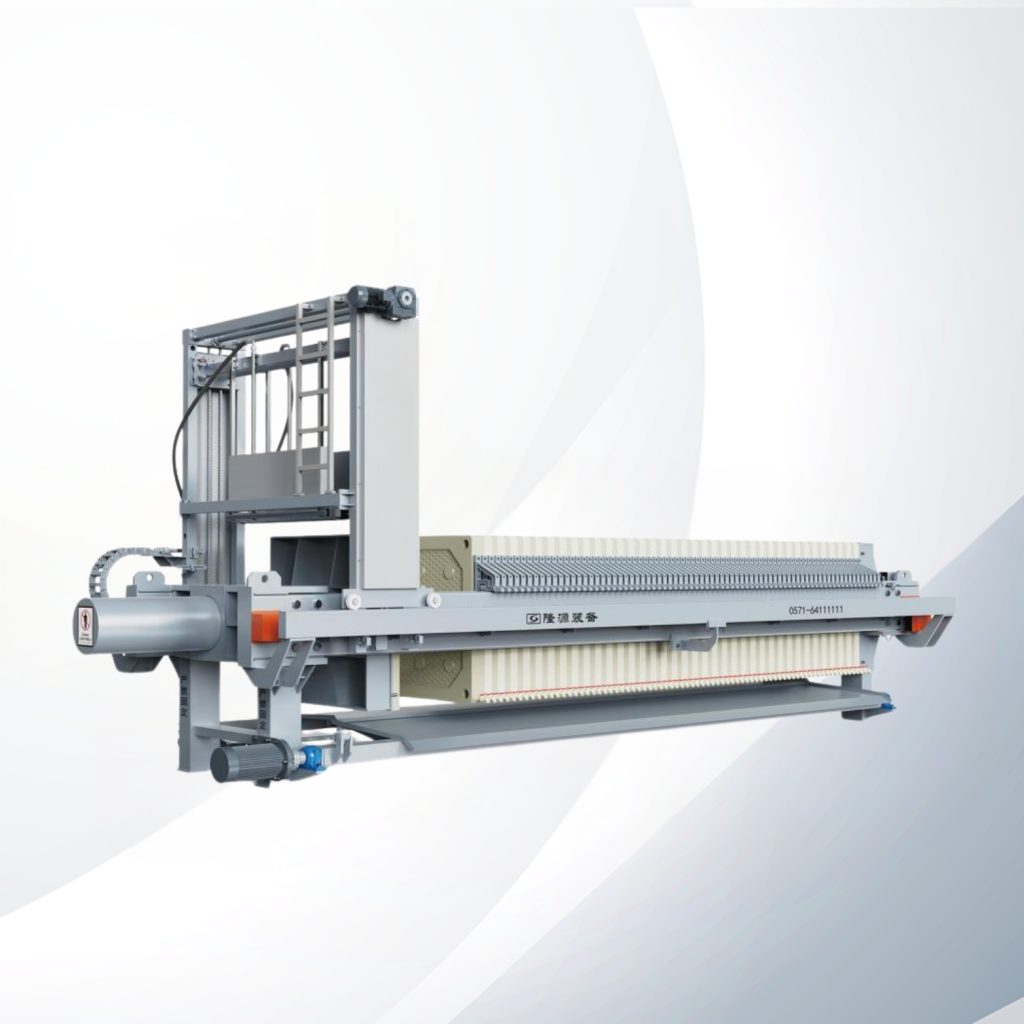
Modern filter presses are not the manually intensive machines of the past. Fully automatic systems, like the ones we manufacture at LONGONE, handle the entire cycle without operator intervention:
- Automatic Plate Shifting: Discharges cakes quickly and safely.
- Automatic Cloth Washing: Maintains filter media permeability for consistent performance.
- Automatic Drip Trays: Prevents filtrate from wetting the discharged cakes.
This automation ensures consistent, repeatable cycle times and dewatering results, 24/7. It also frees up plant operators to focus on other critical tasks, reducing labor costs and minimizing the risk of human error.
Understanding the Role of a Filter Press in a Wastewater Treatment System?
It can be confusing to see where a large piece of equipment like a filter press fits into the overall process flow. Is it a primary treatment step? A final polishing step? Integrating it incorrectly can lead to bottlenecks and poor performance.
The filter press serves as a key component in the final stage of a wastewater treatment system: the sludge management line. Its primary role is to take the thickened sludge generated from primary and secondary treatment processes and dewater it into a solid form for disposal or reuse.
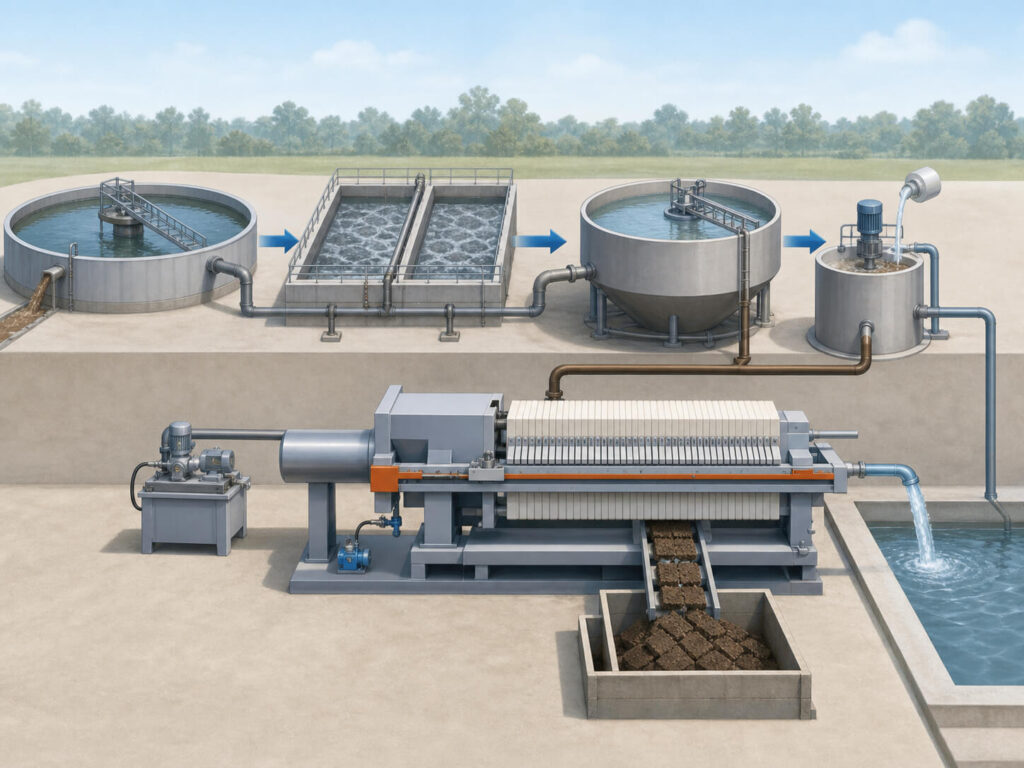
A wastewater treatment plant is essentially a series of processes designed to remove contaminants. The filter press comes in at the end to deal with the concentrated waste produced by the earlier stages.
The Sludge Treatment Train
The journey of solids through a plant typically looks like this:
- Primary & Secondary Clarifiers: Solids settle out from the wastewater, forming a liquid sludge with a very low solids concentration (typically 0.5% to 4%).
- Sludge Holding & Thickening: This sludge is often sent to a holding tank and then a thickener (like a gravity belt thickener or dissolved air flotation unit) to increase the solids concentration to a more manageable level (e.g., 3% to 8%). Thickening is crucial as it reduces the hydraulic volume that the filter press has to process.
- Chemical Conditioning: Before entering the filter press, the thickened sludge is conditioned with chemicals. This is a critical step. Polymers (flocculants) are added to bind the fine solid particles together into larger, stronger aggregates called “flocs.” These flocs release water more easily under pressure. Sometimes, inorganic coagulants like ferric chloride or lime are also used to further improve dewaterability and stabilize the sludge.
- Filter Press Dewatering: The conditioned sludge is then pumped into the filter press. This is where the final solid-liquid separation occurs, producing the dry filter cake and clear filtrate.
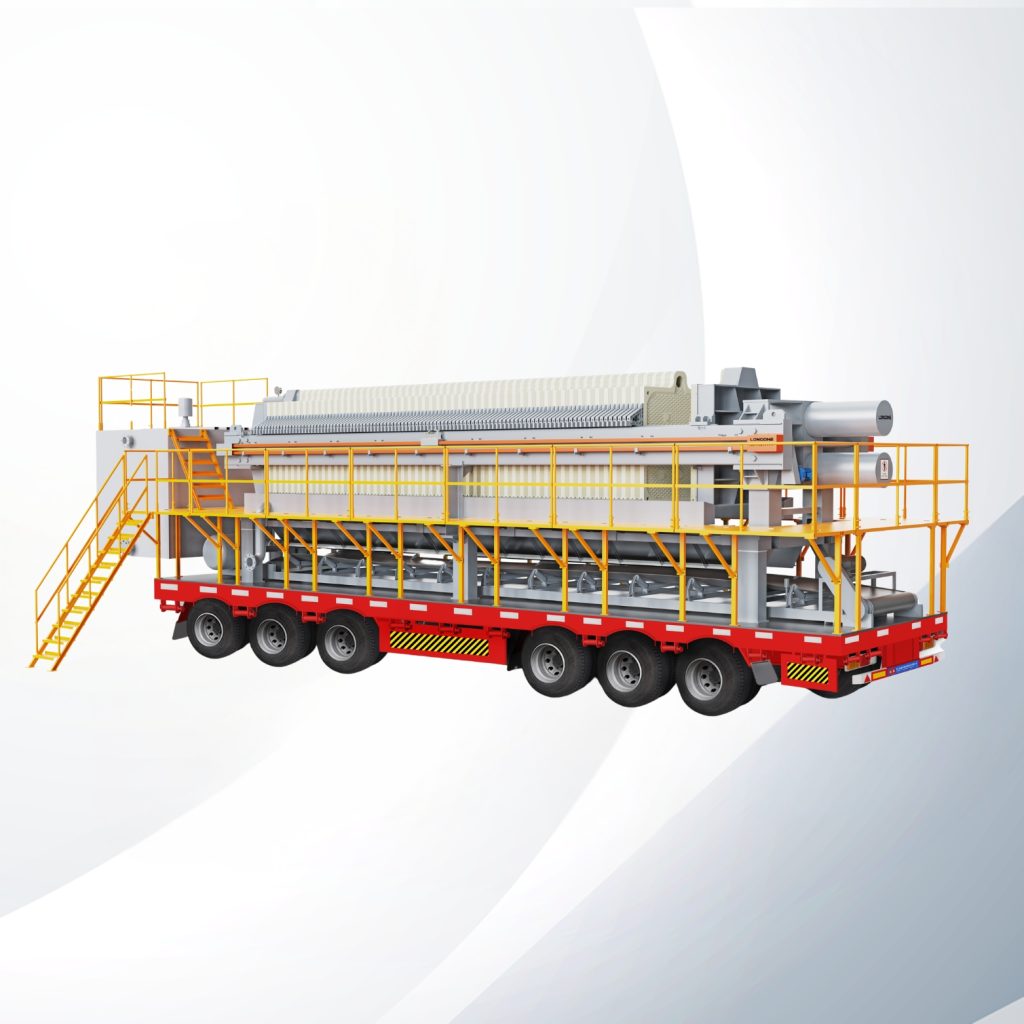
- Cake Disposal/Reuse: The discharged cakes are collected, typically by a conveyor belt, and transported to a storage bunker before final disposal, incineration, or beneficial reuse (e.g., as compost or building material).
Understanding this sequence is vital for procurement. The filter press in a wastewater treatment system doesn’t work in isolation; its performance is directly dependent on the quality and consistency of the sludge fed to it from the upstream processes.
How Does a Filter Press Work in Wastewater Treatment?
At first glance, a filter press can look like a complex and intimidating machine. Are you concerned about the operational complexity and training required? In reality, the working principle is based on a straightforward, reliable batch process.
UN filter press works by operating in a repeating four-stage cycle: closing the plate pack, filling the chambers with sludge, applying pressure to dewater, and finally, opening the pack to discharge the solid cakes. This simple, effective cycle is what makes it so robust.
The Four-Stage Filtration Cycle
Let’s break down exactly what happens during one complete operational cycle of an automatic filter press working in wastewater treatment.
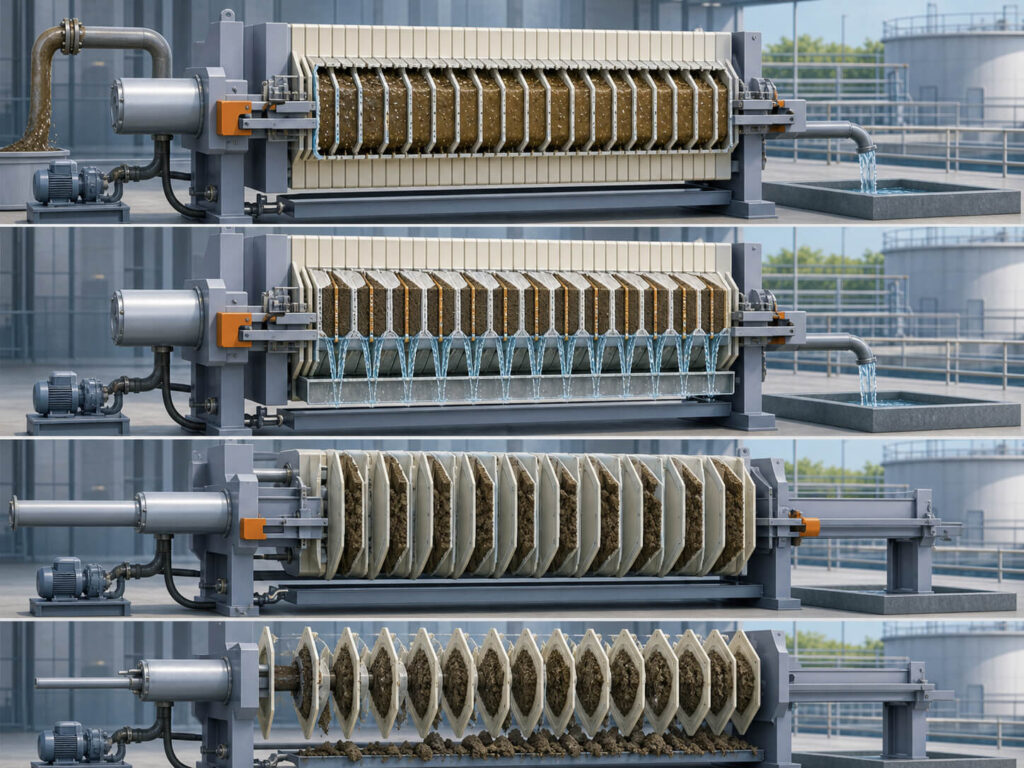
- Closing and Clamping: The cycle begins with the filter press being open. A powerful hydraulic ram pushes the moving head against the stack of filter plates, compressing them together. This creates a watertight seal between each plate, forming a series of hollow chambers. The hydraulic system maintains this clamping pressure throughout the cycle to counteract the high internal filtration pressure.
- Filling (Sludge Feed): A high-pressure feed pump is activated. It pumps the conditioned liquid sludge from a holding tank into the filter press through a central feed port. The sludge flows into and fills all the empty chambers between the filter plates. This filling stage is done relatively quickly until the chambers are full and the initial pressure starts to build.
- Filtration (Pressurization): This is the dewatering phase. The feed pump continues to run, forcing more sludge into the already-full chambers. This rapidly increases the internal pressure. The pressure acts as the driving force, squeezing the sludge against the filter cloths that line each side of the chambers.
- Solids: The solid particles are too large to pass through the microscopic pores of the filter cloth and are trapped inside the chambers. They build up layer by layer, forming a dense, dry cake.
- Liquids: The water (filtrate) passes through the filter cloth, flows down channels machined into the surface of the filter plate, and exits the press through discharge ports.
- Cake Discharge: Once filtration is complete, the hydraulic ram retracts, pulling the moving head back and opening the plate pack. An automatic plate shifting mechanism then engages, separating the plates one by one. As each plate separates, the compressed, dry filter cake that was formed in the chamber loses its support and falls by gravity onto a conveyor or into a hopper below. After the last cake is discharged, the plate shifter returns to its starting position, and the press is ready to begin the next cycle.
The entire process, from closing to discharge, can take anywhere from 30 minutes to several hours, depending on the sludge type, the size of the press, and the desired cake dryness.
What are the Key Factors for Selecting the Right Filter Press for Wastewater Applications?
Choosing the wrong size or type of filter press is a costly mistake. An undersized unit will fail to keep up with your plant’s sludge production, while an oversized one wastes capital and energy. How do you ensure you make the right choice?
Selecting the right filter press for wastewater applications requires a thorough analysis of four key factors: the characteristics of your sludge, the daily processing volume, the target cake dryness, and the desired level of automation. A misstep in any of these areas can lead to poor performance.
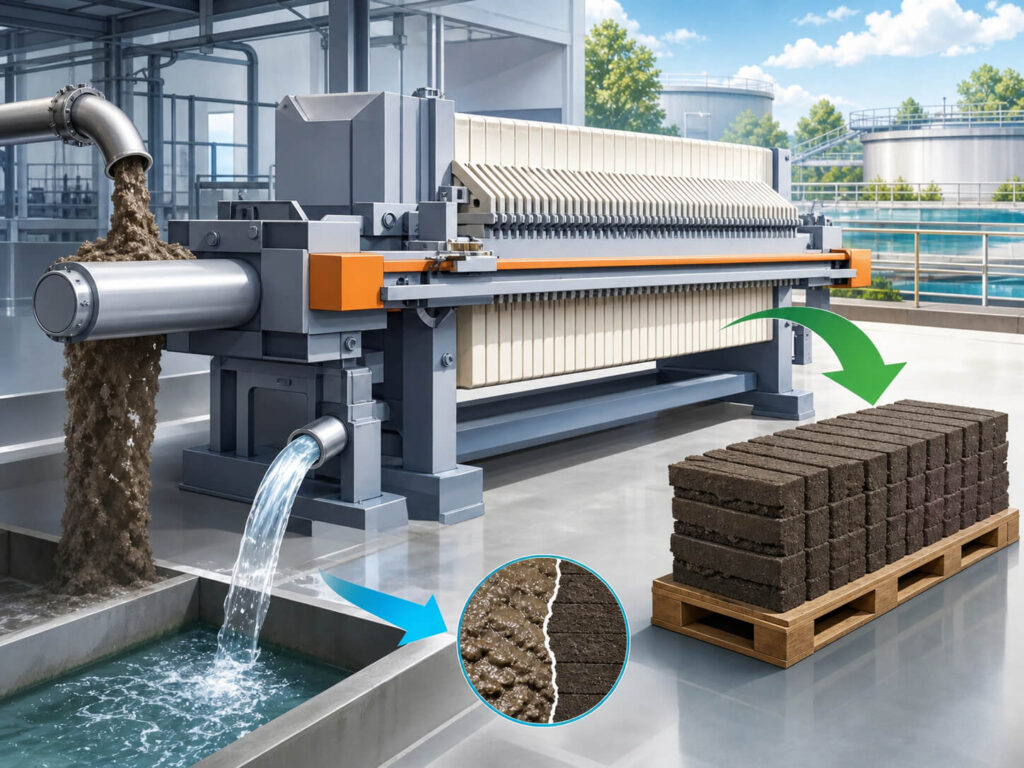
Making an informed decision requires data. As manufacturers, we always guide our customers through a systematic evaluation process. Before you can even request a meaningful quote, you need to understand your own process inside and out.
Analyzing Sludge Characteristics
This is the most critical factor. “Sludge” is not a uniform substance; its properties vary wildly by industry and even by day. You must know:
- Sludge Type: Is it biological (from a municipal plant), chemical (from manufacturing), mineral (from mining), or something else? Different types dewater differently.
- Solids Concentration (% Solids): What is the consistency of the sludge being fed to the press? A 2% sludge requires a much larger filter volume than a 6% sludge to process the same mass of dry solids.
- Particle Size and Compressibility: Fine, gelatinous biological sludges are much harder to dewater than gritty, fibrous mineral sludges. This impacts the required pressure and cycle time.
We often recommend or perform a “lab test” on a sludge sample. Using a small bench-top press, we can determine the optimal filtration pressure, cycle time, and achievable cake dryness for your specific sludge. This data is invaluable for accurate sizing.
Calculating Required Capacity and Sizing
Once you know your sludge properties, you can calculate the required filter press size. The goal is to determine the necessary filter volume (in cubic feet or meters) and filter area (in square feet or meters).
The basic calculation involves:
- Determine Daily Dry Solids Load (DDS):
DDS (kg/day) = Sludge Volume (m³/day) x Solids Concentration (%) x 1000 - Determine Cake Characteristics: From the lab test, you’ll know the achievable cake solids (%) and the cake density (kg/m³).
- Calculate Required Filter Volume per Cycle: Based on the number of cycles you can run per day (e.g., 6 cycles in a 24-hour period), you can calculate the volume of cake that must be produced in each cycle.
Volume per Cycle (m³) = (Total Daily Sludge Volume / Number of Cycles) - Select the Press: You can then select a filter press model with a chamber volume that matches or exceeds the calculated volume per cycle. For example, our presses range from small units with 0.16 m² of area to massive ones with 1,600 m².
Choosing the Right Plate Technology
Not all filter plates are the same. For wastewater, the main choice is between standard chamber plates and membrane (or diaphragm) plates.
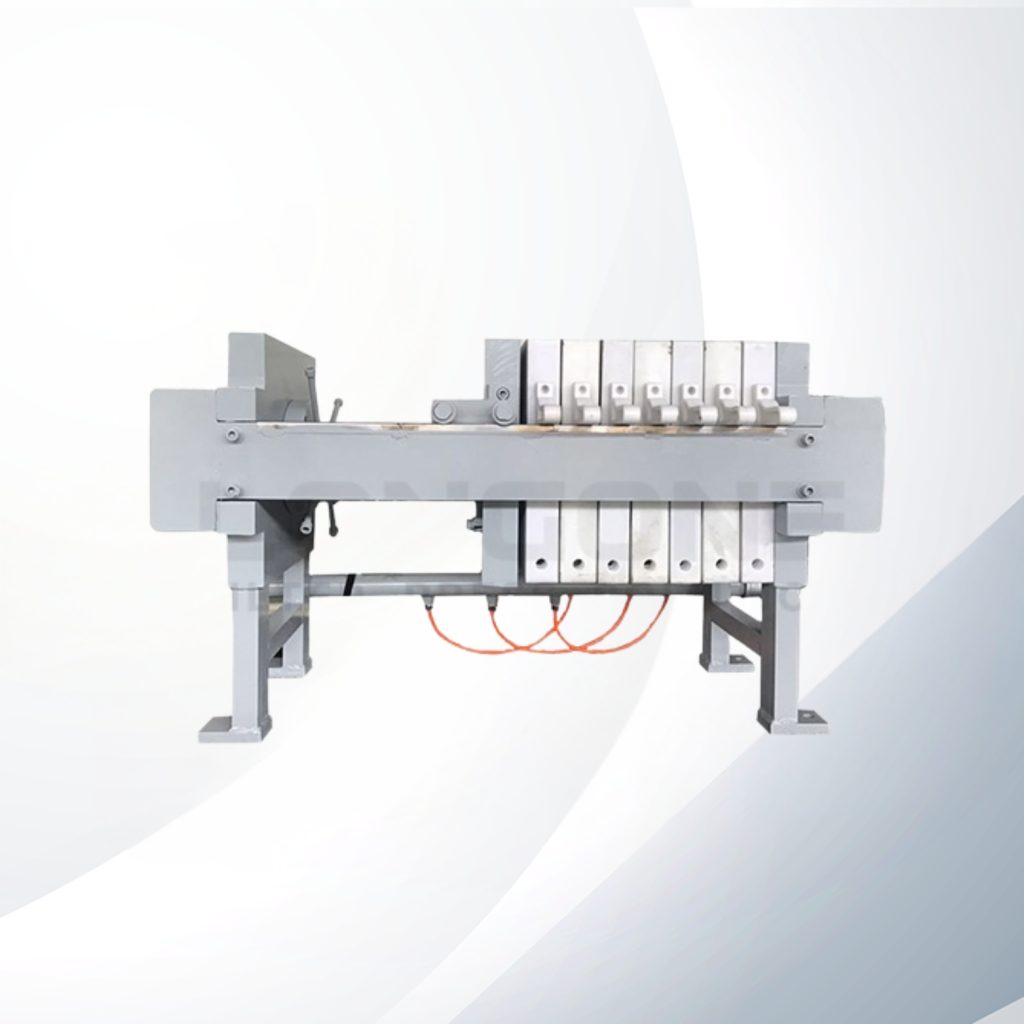
- Chamber Plates: These are standard recessed plates that form the chamber. They are robust and cost-effective for many applications.
- Membrane Plates: These have a flexible, inflatable bladder on the plate surface. After the initial filtration cycle, water or air is pumped behind the bladder, which then squeezes the filter cake one final time. This “membrane squeeze” can increase cake dryness by an additional 5-15%, making it ideal for applications where maximum dryness is the top priority.
Deciding on Automation Level
Finally, consider your operational strategy. For small plants or intermittent use, a manual press might suffice. However, for most industrial and municipal applications of a filter press in wastewater, a fully automatic system is the superior choice for reducing labor, ensuring safety, and achieving consistent results.
What are the Benefits of Using a Filter Press for Industrial Wastewater Sludge Dewatering?
When considering a major capital investment, you need to be sure of the return. Is a filter press truly a better option than cheaper alternatives? What specific, measurable advantages does it offer?
The primary benefit of using a filter press for industrial wastewater sludge dewatering is its ability to produce the driest possible cake, which directly translates to lower disposal costs. Other key benefits include high reliability, excellent filtrate clarity, and operational flexibility.
Let’s move beyond generalities and look at the concrete ROI drivers that make filter presses a preferred choice for serious industrial applications.
- Highest Cake Dryness: This is the number one benefit. While a belt press might achieve 18-25% solids and a centrifuge 20-30%, a chamber filter press can consistently achieve 35-50% solids. With membrane plates, this can be pushed to 50-80% solids. This extreme dryness means less water is being transported and disposed of, drastically reducing costs. For some sludges, it can even change the waste classification, opening up more disposal or reuse options.
- Exceptional Filtrate Clarity: The combination of a fine-pored filter cloth and the cake itself acting as a depth filter results in a very clean filtrate. This high-quality water can be immediately reused elsewhere in the facility, reducing overall water consumption and discharge volumes.
- High Reliability and Low Maintenance: A filter press is a simple, robust machine with very few moving parts compared to a centrifuge. The main components are the steel frame, the hydraulic system, and the plate pack. This leads to very high uptime and lower maintenance costs over the life of the equipment. At LONGONE, we build our frames to last for decades, and it’s common to see our units still operating reliably after 15-20 years of service with just routine maintenance.
- Operational Flexibility: Filter presses are batch systems, which makes them inherently flexible. They can be started and stopped easily and can handle significant variations in sludge feed concentration and composition without a major drop in performance. A continuous system like a centrifuge, by contrast, often requires recalibration if the feed sludge changes.
- No High-Speed Components: Unlike centrifuges that spin at thousands of RPM, a filter press is a static, high-pressure device. This means quieter operation, less vibration, and a reduced risk of catastrophic mechanical failure, contributing to a safer work environment.
These benefits combine to provide a lower Total Cost of Ownership (TCO) over the long term, even if the initial capital cost is higher than some alternatives.
What are Common Applications of a Filter Press in Different Wastewater Industries?
You might wonder if this technology is suited for the unique challenges of your specific industry. Is the sludge from a food processing plant the same as from a mine? The answer is no, and the versatility of the filter press is one of its greatest strengths.
Common applications of a filter press in wastewater span nearly every industrial sector, including municipal wastewater treatment, mining and mineral processing, chemical manufacturing, and food and beverage production. Each application leverages the press to solve a specific dewatering challenge.
The fundamental principle of the filter press remains the same, but its application and configuration are tailored to the specific industry and its waste stream.
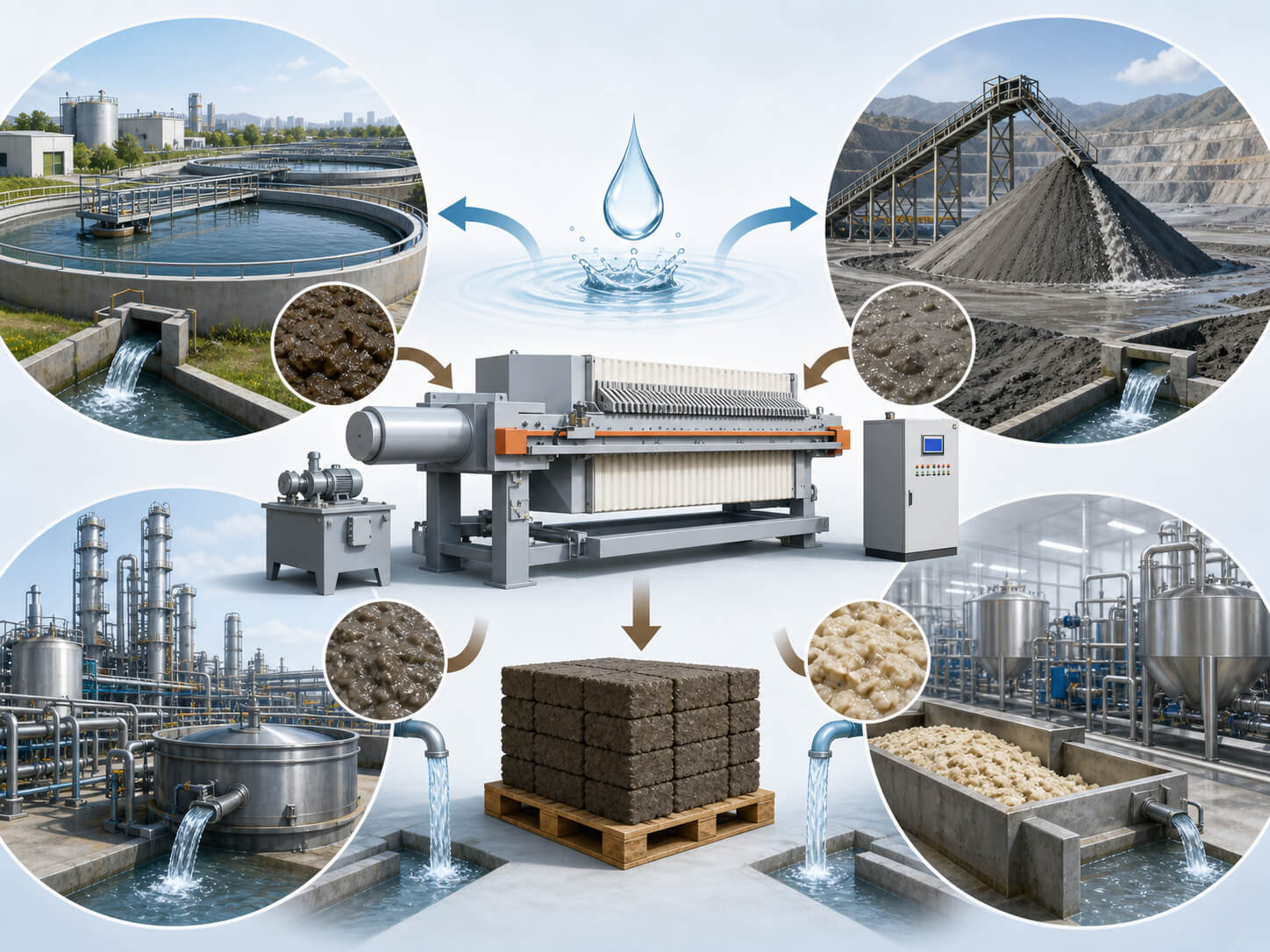
Municipal Wastewater Treatment Plants
This is one of the most common applications. Municipal sludge is typically biological and difficult to dewater. Filter presses are used to dewater digested primary and secondary sludge to produce a “biosolid” cake. Achieving high dryness is critical for reducing transportation costs to landfills or for creating a Class A or B biosolid product suitable for land application as a fertilizer.
Mining and Mineral Processing
The mining industry generates massive quantities of tailings (waste slurry). Filter presses are essential for:
- Water Recovery: In arid regions, recovering process water from tailings is economically vital. Filter presses can recover over 95% of the water for reuse.
- Dry-Stack Tailings: Dewatering tailings to a solid cake allows them to be stacked and managed as a dry landfill. This is far safer and more environmentally stable than traditional wet tailings ponds, which carry a risk of dam failure.
Chemical and Pharmaceutical Manufacturing
Wastewater from chemical plants often contains metal hydroxides, pigments, and other inorganic solids. Filter presses are used to remove these solids, producing a clear effluent that can be further treated or discharged. The dry cake often contains valuable materials that can be recovered, or hazardous materials that must be stabilized for safe disposal.
Food and Beverage Industry
Wastewater from food processing is high in organic solids, fats, oils, and greases. Applications include dewatering sludge from DAF (Dissolved Air Flotation) units, yeast recovery in breweries, and processing waste from vegetable and fruit washing. The resulting cake can often be used as animal feed or sent to an anaerobic digester to produce biogas.
In each of these cases, the selection of the right filter press—including the plate type, filter cloth material, and pressure rating—is customized to handle the specific abrasive, corrosive, or organic nature of the industry’s sludge.
Conclusion
Successfully managing sludge is no longer an afterthought; it’s a core component of an efficient and compliant modern industrial operation. A thoughtfully selected and properly sized filter press in wastewater treatment is not merely a piece of equipment, but a strategic asset. It directly tackles the largest costs associated with wastewater—sludge transport and disposal—by achieving maximum cake dryness. From municipal plants to mining operations, its robust design and reliable performance provide a long-term solution for solid-liquid separation. The key is to move beyond generic specifications and base your selection on a data-driven analysis of your specific sludge characteristics and processing needs, with a clear focus on automation to ensure consistency and reduce labor.